How To Open An Account For A Minor

Picture this: it’s a sunny Saturday, and your kid just smashed their piggy bank open with a hammer, revealing a glorious chaos of crumpled singles and loose change. Instead of letting that treasure fund a lifetime supply of slime, why not turn it into a financial first step? Opening a bank account for a minor is less about tax forms and more about giving them a front-row seat to the magic (and math) of money—think of it as their first adulting merit badge.
Here’s the good news: you don’t need a finance degree or a trust fund to do it. In fact, the process is easier than assembling that IKEA bookshelf you’ve been avoiding, and it usually takes less than an hour. You just need to pick the right type of account, grab a few documents, and be ready to explain why the ATM doesn’t just spit out free cash.
First, Choose Your Fighter: Custodial vs. Joint
Before you walk into a branch (or open an app), you’ll face a classic fork in the road: a custodial account (UGMA/UTMA) or a joint account. The custodial option is like a financial greenhouse—you manage everything until your kid turns 18 or 21, and the money is legally theirs, but they can’t touch it without your say-so. The joint account, on the other hand, is more like a co-op; both of you have access, and your little one can swipe their own debit card (with your permission, obviously).
Must Read
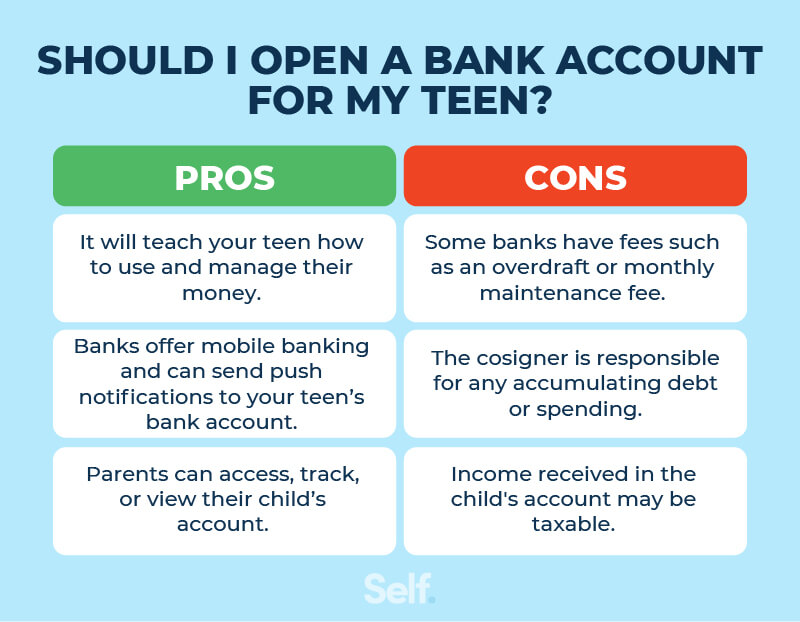
For most parents, the joint account wins because it’s simpler and teaches real-time spending habits. But if you’re saving for a long-term goal like college, the custodial account has tax perks that might make you feel like a financial wizard. Either way, avoid accounts with monthly fees—there are plenty of free options out there, and paying to teach your kid about money is a bad lesson from the start.
Gather Your Arsenal (Paperwork, Not Swords)
Think of this step as collecting your party members before a quest: you’ll need your ID, your child’s birth certificate or passport, and their Social Security card. Some banks also ask for proof of address, like a utility bill—so don’t show up with just your gym membership card and a smile.
Pro tip: call ahead or check the bank’s website, because requirements vary like fashion trends. Also, you’ll need to decide if you want a custodian (that’s you) or a joint owner—this affects who can withdraw money. And remember, you’ll likely need to be present in person with your kid; some online banks allow digital signatures, but many traditional ones want the classic “two humans at a desk” moment.
Make It a Teachable Moment (Fun Included)
Here’s where the magic happens. Don’t just sit in the lobby scrolling your phone—turn the paperwork into a mini economics lesson. Ask your kid, “If we put $50 in the bank, and they give us $0.50 a year, how many gummy bears is that?” This makes compound interest feel less like a textbook and more like a game.

Also, let them choose a fun debit card design—most banks offer cartoon animals or neon colors—and make the first deposit a ceremony. Have them count the cash, hand it to the teller, and watch the balance appear on the screen. That moment when they realize their money “lives” somewhere else? Priceless. Just don’t be surprised if they ask to withdraw it all for a giant toy the next day.
One fun fact: in Sweden, kids as young as seven can open their own accounts (with parental consent), and they start learning about budgeting in school. Meanwhile, in the U.S., the average age for a first account is around 12—so you’re already ahead of the curve if you start at six.
:max_bytes(150000):strip_icc()/How-to-open-a-kids-bank-account-7484987_final-ca35df38770e41bfa07bcdd9cf5a47a3.png)
Practical Pitfalls to Sidestep
First, avoid accounts with minimum balance requirements—your kid’s $20 stash shouldn’t trigger a penalty fee that eats their hard-earned lawn-mowing money. Second, set up automatic transfers from your account to theirs as an “allowance,” so they see money grow consistently without you forgetting on busy weeks.
And third, don’t link their debit card to your main checking account. Instead, use a separate “kids’ fund” or a prepaid reloadable card that you can top up. This way, if they go wild buying Roblox gift cards, your rent is safe. Also, teach them about online privacy—explain that their account number is like a secret superhero identity, not something to share with friends.
Finally, remember that mistakes are part of the process. If they overdraft by $5, don’t panic—use it as a chance to talk about consequences and budgeting. That $35 fee is actually a cheap tuition for a lifelong lesson, even if it stings.
The Long Game: From Piggy Bank to Prosperity
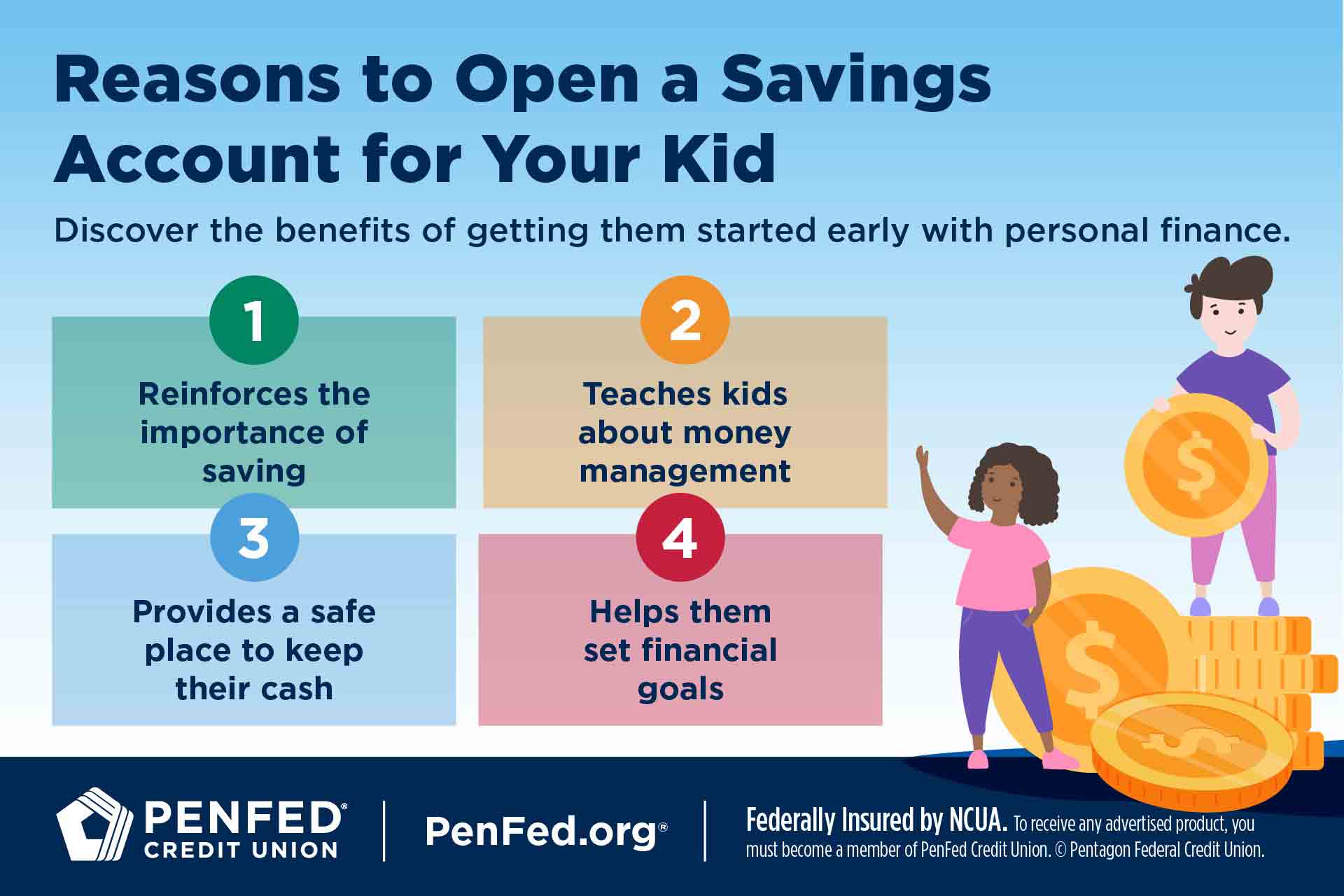
Opening an account for a minor is a small action with a ripple effect that can last decades. It’s not just about stashing cash; it’s about building a positive money relationship before they’re hit with student loans or first rent payments. You’re essentially giving them a pair of financial training wheels—and they’ll thank you when they’re 25 and actually understand interest rates.
So, grab that piggy bank, pick a Tuesday after school, and march into your local credit union with a sense of adventure. The line might be long, the forms a bit tedious, but the moment your kid high-fives you after seeing their balance? That’s the memory you’ll both keep. In a world of instant gratification, teaching a child that money grows slowly—like a houseplant or a good sourdough starter—might just be the most rebellious and loving thing you do this year.