
How To Make Your Pussy Tight

The concept of vaginal tightness is often shrouded in mystery, with many myths and misconceptions surrounding the topic. However, by understanding the basic science behind vaginal anatomy and physiology, individuals can take the first step towards optimizing their vaginal health. The vagina is a muscular, tube-like structure that is comprised of three layers of tissue: the mucosa, submucosa, and muscularis. The muscularis layer, in particular, plays a crucial role in maintaining vaginal tightness, as it is composed of smooth muscle fibers that are capable of contracting and relaxing.
The pelvic floor muscles, which include the pubococcygeus muscle (PC muscle), also play a vital role in maintaining vaginal tightness. These muscles form a hammock-like structure that supports the vagina and other pelvic organs, and are responsible for contracting and relaxing to facilitate activities such as urination, defecation, and sexual intercourse. When the pelvic floor muscles are strong and healthy, they can help to maintain vaginal tightness and support overall pelvic health.
Despite the importance of the pelvic floor muscles, many individuals are unaware of how to properly exercise and care for them. This can lead to a range of issues, including urinary incontinence, prolapse, and decreased vaginal tightness. However, by incorporating simple exercises and lifestyle changes into their daily routine, individuals can take the first step towards optimizing their vaginal health and improving their overall quality of life.
Must Read
Understanding the Biology of Vaginal Tightness
The biology of vaginal tightness is complex and multifaceted, involving a range of factors including hormonal fluctuations, nerve supply, and muscle function. During childbirth, for example, the vagina and pelvic floor muscles undergo significant stretching and trauma, which can lead to a decrease in vaginal tightness. Additionally, hormonal changes during menopause can cause a decline in estrogen levels, leading to a decrease in vaginal elasticity and tightness.
The vaginal microbiome also plays a crucial role in maintaining vaginal health and tightness. The vagina is home to a diverse range of microorganisms, including Lactobacillus and Bifidobacterium, which help to maintain a healthy pH balance and prevent the overgrowth of pathogenic bacteria. When the vaginal microbiome is out of balance, it can lead to a range of issues, including bacterial vaginosis and yeast infections, which can negatively impact vaginal tightness.
Furthermore, lifestyle factors such as diet, exercise, and stress levels can also impact vaginal tightness. A diet high in processed foods and sugar can lead to inflammation and oxidative stress, which can negatively impact vaginal health. On the other hand, a diet rich in fruits, vegetables, and whole grains can help to support vaginal health and maintain tightness.

Practical Strategies for Improving Vaginal Tightness
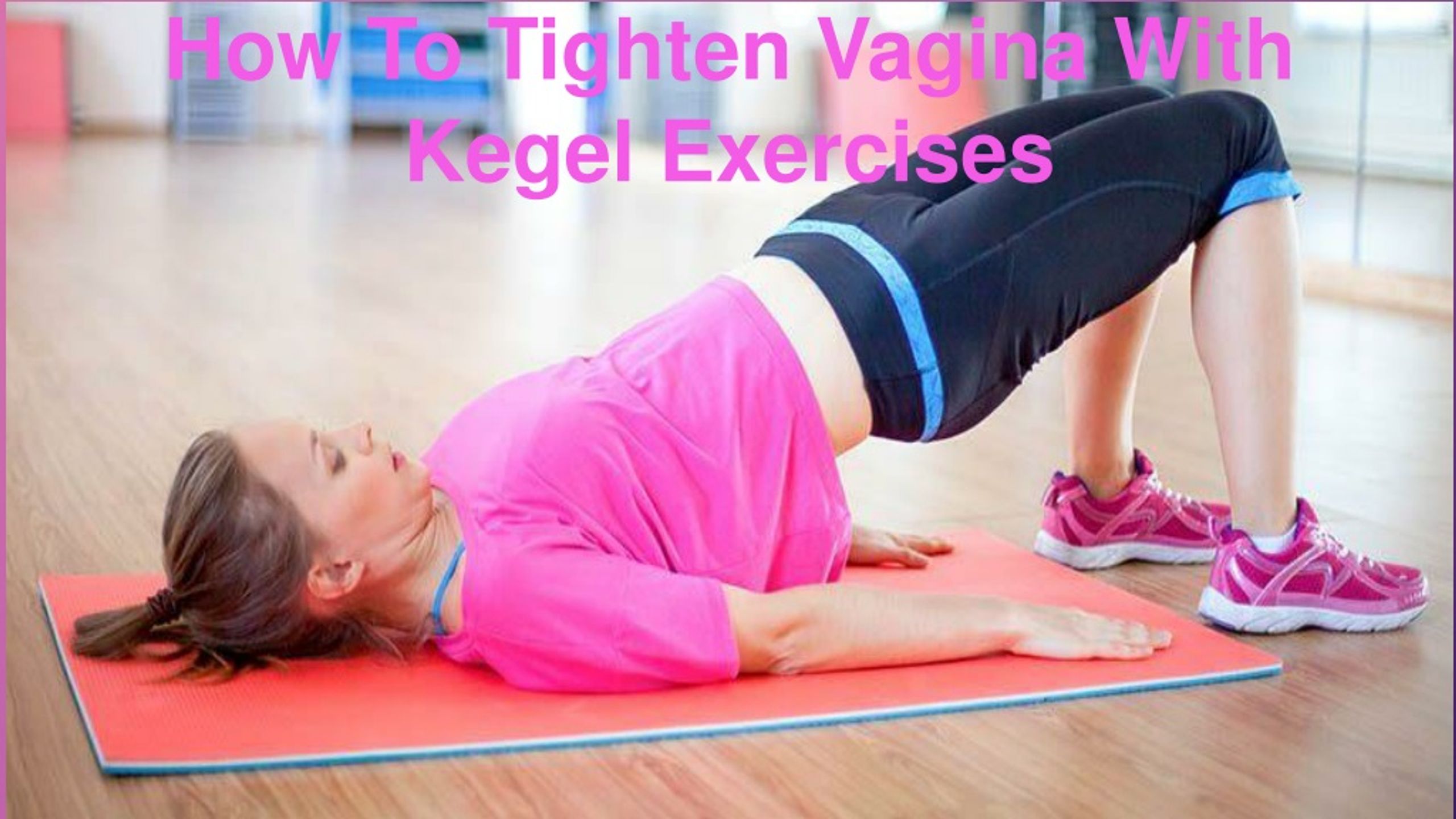
Fortunately, there are a range of practical strategies that individuals can use to improve vaginal tightness and support overall pelvic health. One of the most effective ways to improve vaginal tightness is through Kegel exercises, which involve contracting and relaxing the pelvic floor muscles. To perform Kegel exercises, individuals should identify their pelvic floor muscles by stopping the flow of urine mid-stream, and then contract and hold the muscles for 5-10 seconds before releasing.
In addition to Kegel exercises, individuals can also use vaginal weights or ben wa balls to help strengthen the pelvic floor muscles and improve vaginal tightness. These devices work by providing resistance to the pelvic floor muscles, which helps to strengthen and tone them over time. Individuals can also use vaginal tightening creams or supplements that contain ingredients such as estrogen and collagen to help support vaginal health and tightness.
Other lifestyle changes that can help to improve vaginal tightness include practicing good pelvic hygiene, avoiding tight clothing, and managing stress levels. Individuals should also avoid smoking and limit their intake of caffeinated beverages, as these can negatively impact vaginal health and tightness. By incorporating these simple strategies into their daily routine, individuals can take the first step towards optimizing their vaginal health and improving their overall quality of life.
Furthermore, individuals can also try vaginal steaming or yoni steaming to help support vaginal health and tightness. This involves sitting over a steam bowl filled with herbs such as calendula and lavender, which can help to reduce inflammation and promote healing in the vaginal area. Individuals should consult with a healthcare provider before trying vaginal steaming, as it may not be suitable for everyone.

Frequently Asked Questions
What are the benefits of having a tight vagina?
The benefits of having a tight vagina are numerous, and include improved sexual satisfaction, increased confidence, and enhanced overall pelvic health. When the vagina is tight and healthy, it can help to support the pelvic organs and prevent issues such as urinary incontinence and prolapse. Additionally, a tight vagina can also help to improve sexual function and increase pleasure during intercourse.
In addition to the physical benefits, having a tight vagina can also have a range of emotional and psychological benefits. When individuals feel confident and comfortable in their own bodies, they are more likely to feel empowered and self-assured. This can have a positive impact on all areas of life, from relationships and work to overall mental health and wellbeing.
How can I tighten my vagina after childbirth?
After childbirth, the vagina and pelvic floor muscles can be stretched and weakened, leading to a decrease in vaginal tightness. However, there are a range of strategies that individuals can use to help tighten the vagina and support overall pelvic health. One of the most effective ways to tighten the vagina after childbirth is through Kegel exercises, which involve contracting and relaxing the pelvic floor muscles. Individuals should start slowly and gradually increase the intensity and frequency of their Kegel exercises over time.
In addition to Kegel exercises, individuals can also use vaginal weights or ben wa balls to help strengthen the pelvic floor muscles and improve vaginal tightness. These devices work by providing resistance to the pelvic floor muscles, which helps to strengthen and tone them over time. Individuals should also practice good pelvic hygiene, avoid tight clothing, and manage stress levels to help support vaginal health and tightness.
Can vaginal tightening creams and supplements really work?
Vaginal tightening creams and supplements are a popular solution for individuals looking to improve vaginal tightness and support overall pelvic health. While these products may not be suitable for everyone, they can be an effective way to support vaginal health and improve tightness. Individuals should look for products that contain ingredients such as estrogen and collagen, which can help to support vaginal health and improve tightness.
However, individuals should also be aware of the potential risks and side effects associated with vaginal tightening creams and supplements. Some products may contain harmful ingredients or interact with other medications, so it is essential to consult with a healthcare provider before using any new products. By being informed and taking a cautious approach, individuals can use vaginal tightening creams and supplements to support their vaginal health and improve their overall quality of life.
How long does it take to see results from vaginal tightening exercises and treatments?
The amount of time it takes to see results from vaginal tightening exercises and treatments can vary depending on a range of factors, including individual health, consistency of exercise, and quality of treatment. Generally, individuals can expect to see some improvement in vaginal tightness within a few weeks of starting a new exercise or treatment regimen. However, it may take several months to see significant and lasting results.
To achieve the best results, individuals should be consistent with their exercise and treatment regimen, and make lifestyle changes to support vaginal health and tightness. This can include practicing good pelvic hygiene, avoiding tight clothing, and managing stress levels. By taking a holistic approach to vaginal health, individuals can achieve lasting results and improve their overall quality of life.

Are there any risks or side effects associated with vaginal tightening exercises and treatments?
While vaginal tightening exercises and treatments can be an effective way to improve vaginal tightness and support overall pelvic health, there are some potential risks and side effects to be aware of. Individuals who are pregnant or breastfeeding should consult with a healthcare provider before starting any new exercise or treatment regimen, as some products or exercises may not be suitable.
In addition, individuals who have certain medical conditions, such as endometriosis or pelvic inflammatory disease, should consult with a healthcare provider before starting any new exercise or treatment regimen. Some products or exercises may exacerbate these conditions, so it is essential to take a cautious approach and prioritize individual health and safety.
By understanding the science behind vaginal tightness and taking a data-driven approach to vaginal health, individuals can optimize their vaginal health and improve their overall quality of life. This involves being informed about the range of strategies and treatments available, and making informed decisions about individual health and wellbeing. By taking control of their vaginal health, individuals can feel empowered and confident, and can enjoy a range of benefits that include improved sexual satisfaction, increased confidence, and enhanced overall pelvic health.
In conclusion, vaginal tightness is a complex and multifaceted topic that involves a range of biological, chemical, and systemic reactions. By understanding the basic science behind vaginal anatomy and physiology, and taking a pragmatic approach to vaginal health, individuals can optimize their vaginal health and improve their overall quality of life. Whether through Kegel exercises, vaginal weights, or vaginal tightening creams and supplements, there are a range of strategies and treatments available to support vaginal health and tightness. By being informed, taking a cautious approach, and prioritizing individual health and safety, individuals can achieve lasting results and enjoy a range of benefits that include improved sexual satisfaction, increased confidence, and enhanced overall pelvic health.

![How to Tighten Your Vagina [A Science-Backed Guide]](https://kajabi-storefronts-production.kajabi-cdn.com/kajabi-storefronts-production/blogs/2147492023/images/JFIauYNURLyfx9NNhKfJ_vaginal-training-protocol.png)