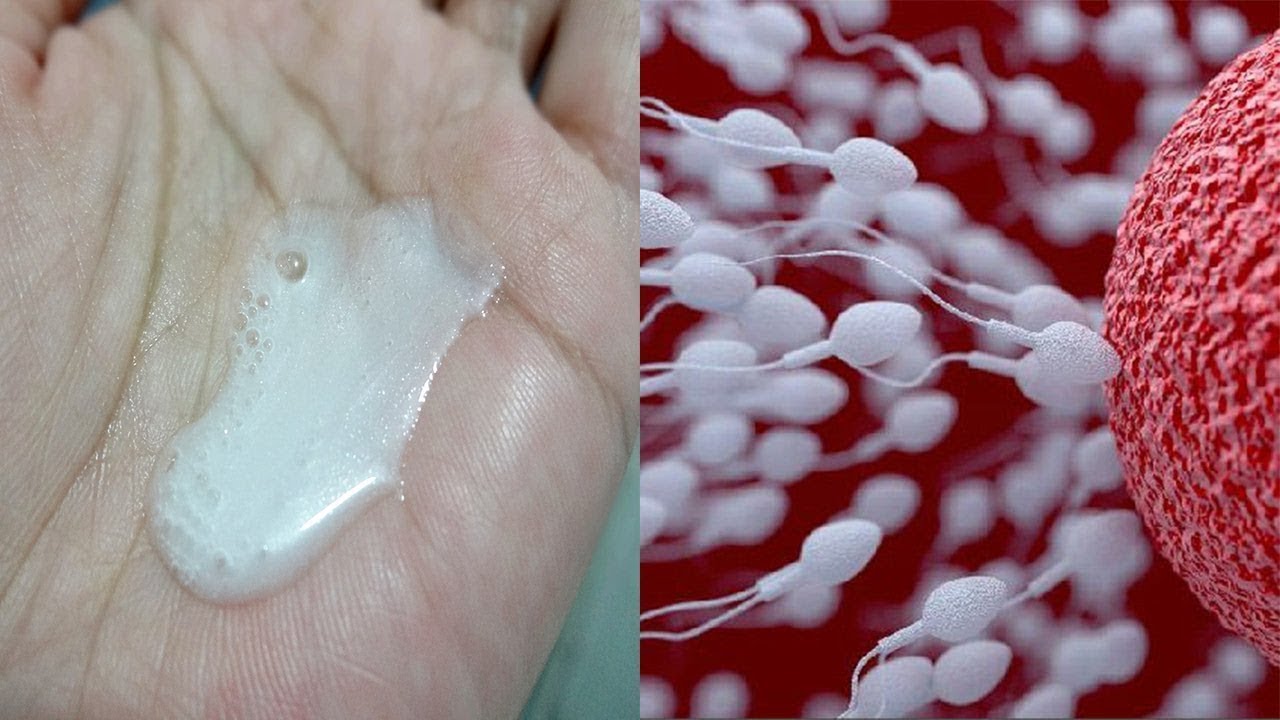
How To Make Your Cum Thicker

When it comes to optimizing our bodily functions, one aspect that often gets overlooked is the viscosity and volume of our ejaculate. A thicker, more voluminous semen can be a sign of good reproductive health, and it's an area where making informed lifestyle choices can have a tangible impact. At the heart of this issue is understanding the biological and chemical processes that govern semen production and quality. The semen itself is a complex mixture of fluids from different male reproductive organs, with the seminal vesicles contributing the largest volume, followed by the prostate and then smaller contributions from other glands.
The process of spermatogenesis, which is the production of sperm, is highly sensitive to lifestyle factors including diet, exercise, stress levels, and exposure to toxins. Nutrients such as zinc, folic acid, and vitamin D play critical roles in sperm production and motility. Understanding these interplays is the first step towards optimizing semen quality and quantity.
Moreover, factors such as hydration, overall health, and certain medical conditions can significantly affect semen viscosity and volume. For instance, dehydration can lead to thicker semen due to concentrated fluids, but this is not a healthy or sustainable way to achieve thicker ejaculate. Instead, focusing on a balanced diet, staying well-hydrated, and managing stress through techniques like meditation or regular physical activity can have a positive impact on semen quality.
Must Read
Understanding the Biology
Diving deeper into the biology of semen production reveals a complex interplay of hormones, nutrients, and physical processes. The hypothalamic-pituitary-gonadal axis is crucial in regulating the production of testosterone, which is essential for sperm production. Additionally, the health of the epididymis, where sperm mature and are stored, is vital for the quality and thickness of semen. Lifestyle choices that support hormonal balance, such as maintaining a healthy weight, avoiding excessive alcohol consumption, and ensuring adequate sleep, can positively influence semen quality.
The chemical composition of semen is also noteworthy, withSeminal plasma being rich in fructose, which provides energy for the sperm, and prostaglandins, which help in the contraction and relaxation of smooth muscle. Nutritional deficiencies, particularly in vitamin C and arginine, can impair the health and function of these components, affecting semen viscosity and overall reproductive health.
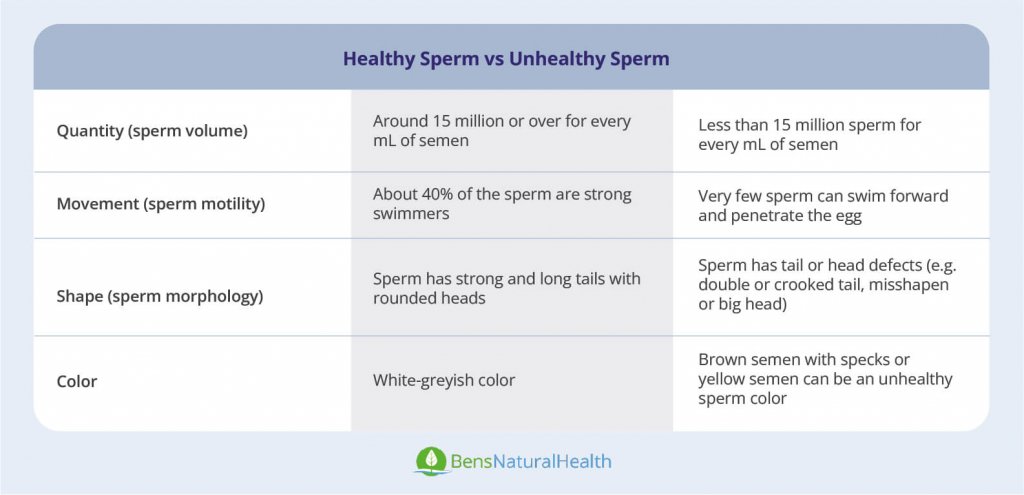
Furthermore, the impact of oxidative stress on sperm quality cannot be overstated. High levels of reactive oxygen species (ROS) can damage sperm DNA and membranes, leading to reduced motility and viability. Antioxidants such as glutathione, vitamin E, and zinc play a crucial role in mitigating oxidative stress, thereby protecting sperm health and contributing to thicker, healthier semen.
Practical Strategies for Optimization
To make your cum thicker, it's essential to adopt a holistic approach that encompasses diet, lifestyle, and stress management. Firstly, ensuring a diet rich in omega-3 fatty acids, found in foods like salmon and walnuts, can support reproductive health by reducing inflammation. Secondly, regular exercise, but not to the point of exhaustion, can boost testosterone levels and overall semen quality. It's also crucial to stay hydrated by drinking plenty of water, as this helps in the production of seminal fluid.
Incorporating specific foods known to boost semen quality can be highly beneficial. Foods high in antioxidants such as berries, leafy greens, and other fruits and vegetables can help combat oxidative stress. Additionally, foods rich in zinc like oysters, beef, and chicken are vital for sperm production and testosterone synthesis. Avoiding excessive heat, such as that from laptops or saunas, is also recommended, as high temperatures can impair sperm quality.
Stress management is another critical aspect. Techniques such as meditation, yoga, and deep breathing exercises can help reduce cortisol levels, which, when elevated, can negatively impact testosterone production and semen quality. Getting adequate sleep is also essential, as sleep disturbances can affect hormone regulation, including that of testosterone.
For those looking for additional support, supplements such as maca, tribulus terrestris, and L-arginine have been suggested to improve semen quality, though it's crucial to consult with a healthcare provider before adding any supplements to your regimen. Furthermore, avoiding tobacco and drug use, which can significantly impair reproductive health, is essential for maintaining healthy semen production.
Frequently Asked Questions
How Long Does It Take to Notice Improvements in Semen Quality?
The timeframe for noticing improvements in semen quality can vary widely depending on the individual's starting health status, the severity of any pre-existing conditions, and the consistency with which they apply lifestyle changes. Generally, with diligent effort, some men may begin to notice improvements within a few weeks, while for others, it may take several months. It's essential to understand that improving semen quality is a long-term process that requires patience and persistence.
It's also worth noting that regular check-ups with a healthcare provider can provide valuable insights into the progress being made. Through sperm analysis and other diagnostic tests, it's possible to get a more objective measure of improvements in semen quality. Additionally, keeping a health journal to track diet, exercise, stress levels, and sleep patterns can help identify patterns and areas for further improvement.
Can Certain Foods Directly Affect Semen Viscosity and Quality?
Yes, certain foods can have a direct impact on semen viscosity and quality. Foods rich in omega-3 fatty acids and antioxidants are known to support sperm health and can contribute to better semen quality. On the other hand, a diet high in processed foods and saturated fats can have a negative effect, leading to reduced sperm count and motility.
A healthy diet that supports reproductive health should also include foods rich in vitamins C and E, zinc, and folic acid. These nutrients play critical roles in sperm production, maturation, and protection against oxidative stress. Additionally, staying hydrated by drinking plenty of water is essential for the production of seminal fluid and maintaining healthy semen viscosity.

How Does Stress Impact Semen Quality, and What Can Be Done About It?
Stress, particularly chronic stress, can have a profound impact on semen quality by disrupting the body's delicate hormonal balance. Elevated levels of cortisol, the stress hormone, can interfere with testosterone production, leading to reduced sperm count and motility. Furthermore, stress can impair the functioning of the hypothalamic-pituitary-gonadal axis, further affecting reproductive health.
To manage stress and mitigate its effects on semen quality, it's essential to incorporate stress-reducing activities into your daily routine. This can include meditation, yoga, deep breathing exercises, or physical activity like walking or jogging. Setting realistic goals, taking regular breaks, and engaging in hobbies can also help reduce stress levels. Additionally, seeking support from friends, family, or a professional counselor can provide valuable emotional support and strategies for managing stress.
Are There Any Supplements That Can Help Improve Semen Quality?
While a balanced diet should always be the primary source of essential nutrients, certain supplements can support semen quality when used appropriately. Zinc supplements, for example, can help boost testosterone levels and support sperm production. Other supplements like maca, tribulus terrestris, and L-arginine have been suggested to improve semen quality, though their effectiveness can vary from person to person.
It's crucial, however, to approach supplementation with caution and always consult with a healthcare provider before starting any new supplements. This is especially important because some supplements can interact with medications or have adverse effects in certain individuals. Furthermore, a well-balanced diet should always be the first line of defense in supporting reproductive health, with supplements serving as an adjunct rather than a replacement for healthy lifestyle choices.

Can Medical Conditions Affect Semen Quality, and How?
Yes, various medical conditions can significantly impact semen quality. Conditions such as diabetes, hypertension, and thyroid disorders can affect hormonal balance and blood flow, leading to reduced semen quality. Additionally, infections of the reproductive tract, such as epididymitis or prostatitis, can directly impair sperm health and semen production.
Managing these conditions through appropriate medical care is essential for maintaining healthy semen production. This often involves working closely with a healthcare provider to monitor the condition, adjust medications as necessary, and make lifestyle changes to support overall health. In some cases, assisted reproductive technologies (ART) may be recommended for individuals struggling with infertility due to compromised semen quality.
Respecting the science behind semen quality and taking proactive steps to support reproductive health can have a profound impact on overall well-being. By understanding the complex interplay of biological, chemical, and lifestyle factors that influence semen production, individuals can make informed choices to optimize their reproductive health. This not only benefits fertility but also contributes to a better quality of life, enhancing relationships and personal satisfaction.
Moreover, the pursuit of optimal semen quality encourages a holistic approach to health, promoting balanced living, self-awareness, and a deeper connection with one's body. As individuals embark on this journey, they often find themselves adopting healthier habits, cultivating resilience, and developing a more positive body image. By embracing the science and taking control of their reproductive health, men can experience a significant shift in their overall health and happiness, leading to a more fulfilling and empowered life.