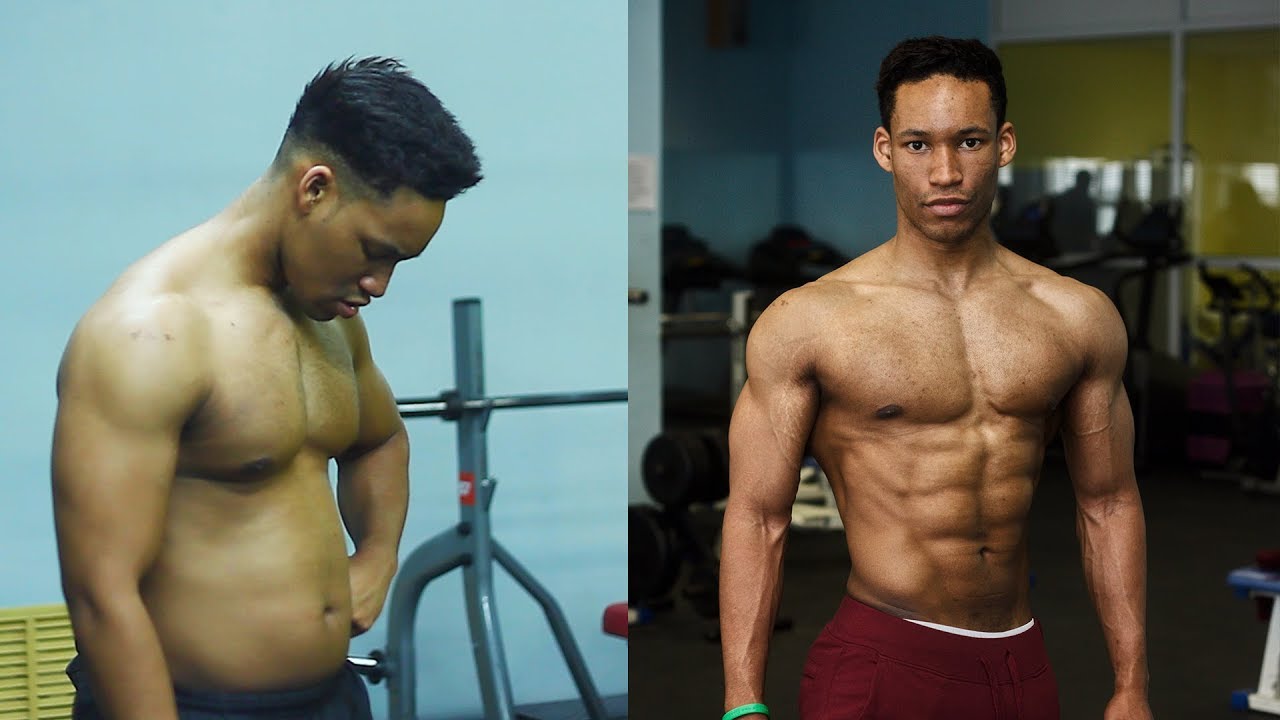
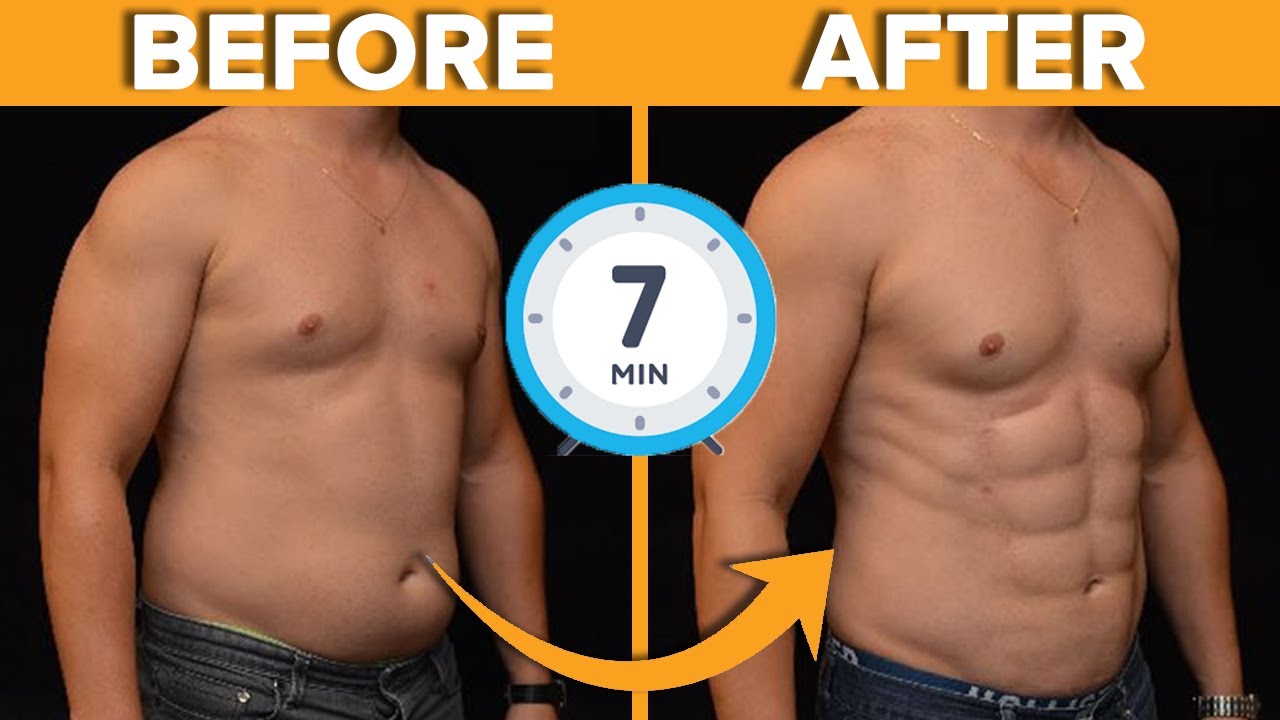
How To Lose Belly Fat And Chest Fat
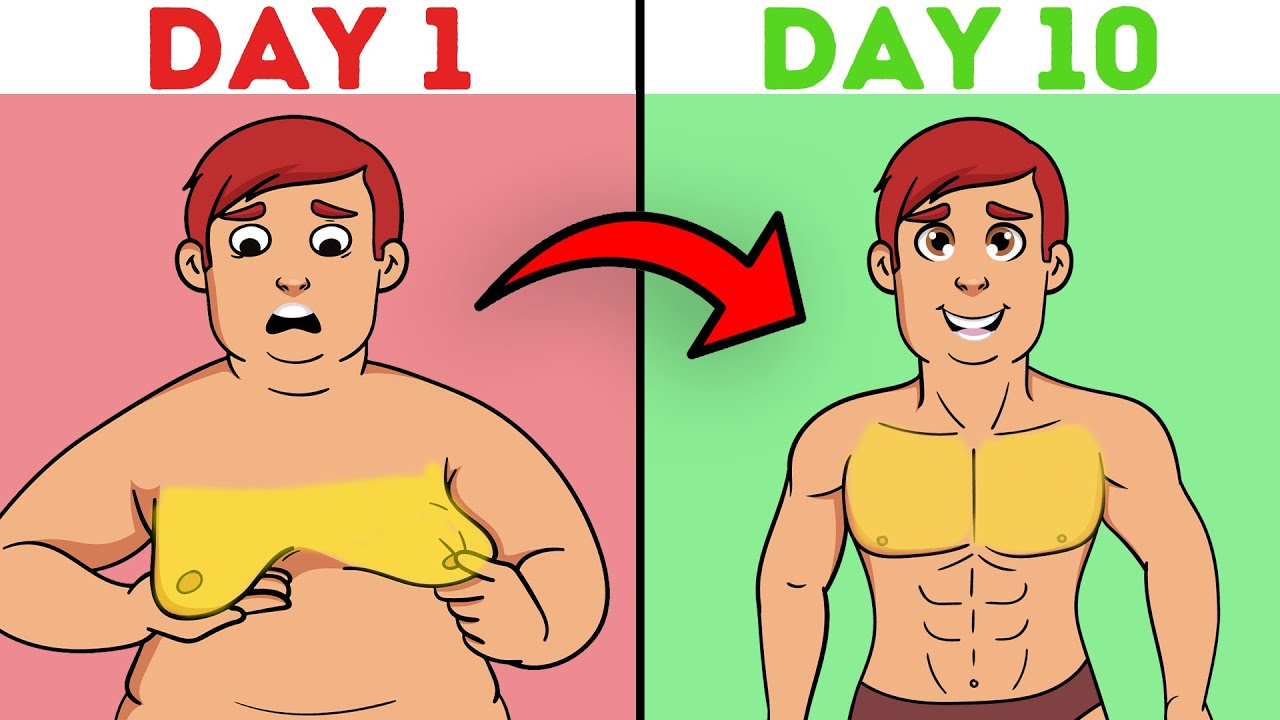
Let’s strip away the marketing fluff and the snake oil. The persistent accumulation of adipose tissue in the abdominal and pectoral regions is not a mystery; it is a thermodynamic imbalance governed by hormonal signaling, genetic receptor density, and lifestyle entropy. When you consume more energy (calories) than your body expends (maintenance), the surplus is shuttled into adipocytes. However, not all fat cells are created equal. Visceral fat—the deep, organ-wrapping layer that gives you that "hard" belly—is biochemically distinct from the subcutaneous fat you can pinch. It is more metabolically active, releasing pro-inflammatory cytokines like interleukin-6 and tumor necrosis factor-alpha directly into your bloodstream, which wreaks havoc on insulin sensitivity.
The chest is a different battlefield. For men, chest fat is often a combination of gynecomastia (glandular tissue) and simple subcutaneous fat deposition. The pectoralis major muscle sits underneath, and if it is underdeveloped, the fat has no structural contour to adhere to, resulting in a "sagging" or "coned" appearance. For women, chest fat is primarily influenced by estrogen-driven fat partitioning, which is evolutionarily designed for lactation and hormonal storage. Understanding this biology is empowering: you cannot spot-reduce, but you can systematically change the hormonal and metabolic environment so that your body prioritizes mobilizing these stubborn deposits.
The overarching principle of this guide is caloric deficit, but a deficit achieved intelligently. Crash dieting will trigger a survival response—lowering thyroid output (T3) and increasing cortisol—which paradoxically preserves abdominal fat while breaking down muscle tissue. The goal is to engineer a deficit that whispers "fat loss" to your body, not screams "famine." This requires precision in macronutrient timing, resistance training volume, and sleep hygiene. Below, we dissect the science and deliver the actionable hacks to re-engineer your body composition from the inside out.
Must Read
The Biochemistry of Stubborn Fat: Why Your Belly and Chest Refuse to Shrink
Adipose tissue is not a passive storage tank; it is an endocrine organ. The stubbornness of belly and chest fat comes down to alpha-2 adrenergic receptors versus beta-2 adrenergic receptors on the fat cell surface. Beta-receptors act as "open" signals, allowing lipolysis (fat breakdown) when adrenaline binds. Alpha-receptors act as "lock" signals, inhibiting lipolysis. Subcutaneous fat in the lower belly and chest has a higher ratio of alpha to beta receptors, making it inherently resistant to the body's normal fat-burning signals. This is why you lose fat in your face, arms, and legs first—those areas have more beta-receptors.
Furthermore, the enzyme lipoprotein lipase (LPL) plays a regional gatekeeper role. In men, abdominal fat has higher LPL activity, which actively pulls triglycerides from the bloodstream into storage. In women, this activity is highest in the gluteal-femoral region, but during perimenopause or chronic stress, estrogen dominance shifts this pattern toward the abdomen and chest. Insulin is the primary hormonal trigger for LPL activity. Chronically elevated insulin—from refined carbs, frequent snacking, or poor sleep—acts like a chemical lock, keeping the alpha-receptors engaged and preventing the release of stored fatty acids.
There is also the cortisol-insulin synergy. When you are chronically stressed, cortisol upregulates an enzyme called 11-beta-HSD1 specifically in visceral adipose tissue. This enzyme converts inactive cortisone into active cortisol within the fat cell itself, creating a localized stress cage. High cortisol also inhibits the hunger hormone leptin sensitivity, meaning your brain doesn't receive the "full" signal, leading to overconsumption. The fatty acids released during a stress response are often re-esterified back into abdominal fat due to the high density of cortisol receptors there. Breaking this cycle requires not just diet, but active stress modulation—something most fitness guides ignore entirely.

Optimization Protocols: Measurable Strategies and Life Hacks for Regional Fat Loss
Step one is to establish a data-driven baseline. Do not use a scale alone; it lies. Use a tape measure at your navel and at the widest part of your chest, alongside weekly waist-to-hip ratio calculations. Aim for a waist circumference below 94 cm (37 inches) for men and 80 cm (31.5 inches) for women to reduce all-cause mortality risk. Next, calculate your maintenance calories using the Mifflin-St Jeor equation, then establish a deficit of 20-25%. For most men, this lands between 1,800-2,200 calories; for women, 1,400-1,700. Do not go lower; muscle catabolism and metabolic adaptation will sabotage your results.
Physiologically, you must prioritize compound resistance training over cardio. Heavy compound lifts—squats, deadlifts, overhead presses, and bench presses—trigger a massive release of growth hormone and testosterone. These hormones are crucial for increasing muscle mass, which raises your basal metabolic rate (BMR). A pound of muscle burns roughly 6-10 calories per day at rest, but the hormonal cascade from lifting boosts lipolysis for up to 48 hours post-exercise. Perform 3-4 full-body sessions weekly. For the chest specifically, focus on weighted dips, incline presses, and flyes with a deep stretch under load. This builds the pectoral shelf, which physically changes the contour of the chest, pushing fat outward instead of letting it droop.
Nutritional timing is a hack, but not in the way you think. Instead of eating 6 small meals (which keeps insulin chronically slightly elevated), move to a 16:8 intermittent fasting window. Compress your eating into 8 hours, placing your most carbohydrate-heavy meal post-workout. This protocol increases norepinephrine levels, enhancing alpha-receptor blockade. Additionally, increase your protein intake to 2.0-2.4 grams per kilogram of bodyweight. Protein's thermic effect is 25-30%, meaning you burn a quarter of its calories just digesting it. It also stimulates glucagon, a hormone that opposes insulin and promotes hepatic fat oxidation.
For targeted "hacks," consider caffeine and green tea extract before fasted cardio. Caffeine (200-400mg) blocks adenosine receptors and increases epinephrine, specifically promoting lipolysis in subcutaneous abdominal tissue. Green tea's EGCG inhibits the enzyme that breaks down norepinephrine, prolonging the fat-burning signal. Do 30-45 minutes of low-intensity steady-state (LISS) cardio on an empty stomach in the morning, while your insulin is lowest. Beware: this only works if your morning cortisol is not already elevated from poor sleep. If you slept less than 6 hours, skip the fasted cardio—you will burn muscle instead. Finally, track your sleep debt. Less than 7.5 hours is correlated with a 55% increase in visceral fat deposition. Sleep is not a rest day; it is the primary anabolic window for fat loss.
Frequently Asked Questions: Troubleshooting Your Biology
1. Why do I have a "hard" belly despite being at a healthy weight?
This is the classic TOFI (Thin Outside, Fat Inside) phenotype. The "hardness" is visceral fat, which lies behind the abdominal muscle wall. Because it is deep, it does not respond well to superficial exercise like crunches or planks. The key is to force the body to mobilize this deep fat through strict insulin control. You need to aggressively reduce your intake of free sugars and refined grains, ensuring that every meal combines protein with fiber and healthy fats. A ketogenic or low-carb approach (under 100g net carbs) can be highly effective for this specific fat depot because it lowers insulin almost immediately.
Additionally, you must address elevated cortisol. Visceral fat is highly responsive to cortisol, and if you are exercising excessively without recovery, or working a high-stress job, you are pouring gasoline on the fire. Integrate a daily 10-minute diaphragmatic breathing session (4 seconds inhale, 6 seconds exhale) to activate the parasympathetic nervous system. Also, consider supplementing with phosphatidylserine (400mg daily) to blunt exercise-induced cortisol spikes. Without lowering cortisol, no amount of caloric deficit will fully empty those deep stores.
2. Can I specifically target chest fat with push-ups and chest presses?
No. Spot reduction is a biological myth. When you lose fat, your body releases fatty acids from all over, but the blood flow dictates where they are released from. If you train your chest excessively, you increase blood flow to that area and may release slightly more fat, but the net effect is negligible compared to systemic fat loss. More importantly, if you only train the chest without building the back and shoulders, you may develop a forward-rounded posture, which makes the chest look puffier and more pronounced.
The solution is to build the underlying pectoral muscle to change the physical geometry. If you have "puffy" nipples, this may be gynecomastia (glandular tissue), which is non-responsive to diet. You can reduce the appearance by lowering total body fat percentage to under 15% for men. However, if glandular tissue persists, surgery (gynecomastia excision) is the only permanent fix. For general subcutaneous fat, focus on full-body strength training, maintain a strict deficit, and be patient; the chest is often one of the last areas to lean out, particularly in men.

3. Why does my belly fat increase when I drink alcohol, even if it's just on weekends?
Alcohol is a toxic priority for your liver. When you consume ethanol, your liver halts fat oxidation entirely to process the alcohol. This means that any fat you eat alongside alcohol, or the fat your body released earlier in the day, is immediately re-stored, preferentially in the abdominal depot. Furthermore, alcohol upregulates the enzyme CYP2E1, which generates oxidative stress and inflammation in visceral fat cells, causing them to expand even with the same caloric intake.
Additionally, alcohol suppresses the secretion of anti-diuretic hormone (ADH), leading to dehydration. Dehydration raises cortisol, which, as we discussed, promotes central obesity. The pragmatic hack is to limit alcohol to one day per week, and on that day, choose clear spirits with a low-sugar mixer (e.g., vodka and soda). Avoid beer and sweet wines entirely. Also, consume a protein-rich meal 30 minutes before drinking to slow alcohol absorption and mitigate the insulin spike from the carbohydrate load you might otherwise consume.
4. I'm doing cardio daily, but my chest fat feels "squishier" than before. Is that normal?
Yes, this is a positive sign. When you lose fat, the fat cells shrink but do not always tighten immediately. The "squishiness" often indicates that the fat is becoming less dense, and the surrounding skin and connective tissue (fascia) have not yet remodeled to the new volume. This is a lag phase that can last 4-6 weeks. Hormonally, this is also linked to a release of stored estrogen in the fat cells, which can cause temporary water retention and a feeling of increased softness.
To accelerate skin tightening, you must ensure adequate collagen synthesis. Increase your intake of vitamin C (500mg daily) and glycine (from bone broth or a 3g supplement). More importantly, slow down your fat loss rate. If you are losing more than 1.5 pounds (0.7kg) per week, you are risking muscle loss and excess skin. Dial back your deficit by 200 calories daily. Also, incorporate cold showers or contrast therapy (alternating hot and cold) to the chest area—this improves blood flow and induces brown adipose tissue activity, which may help firm up the subcutaneous layer.
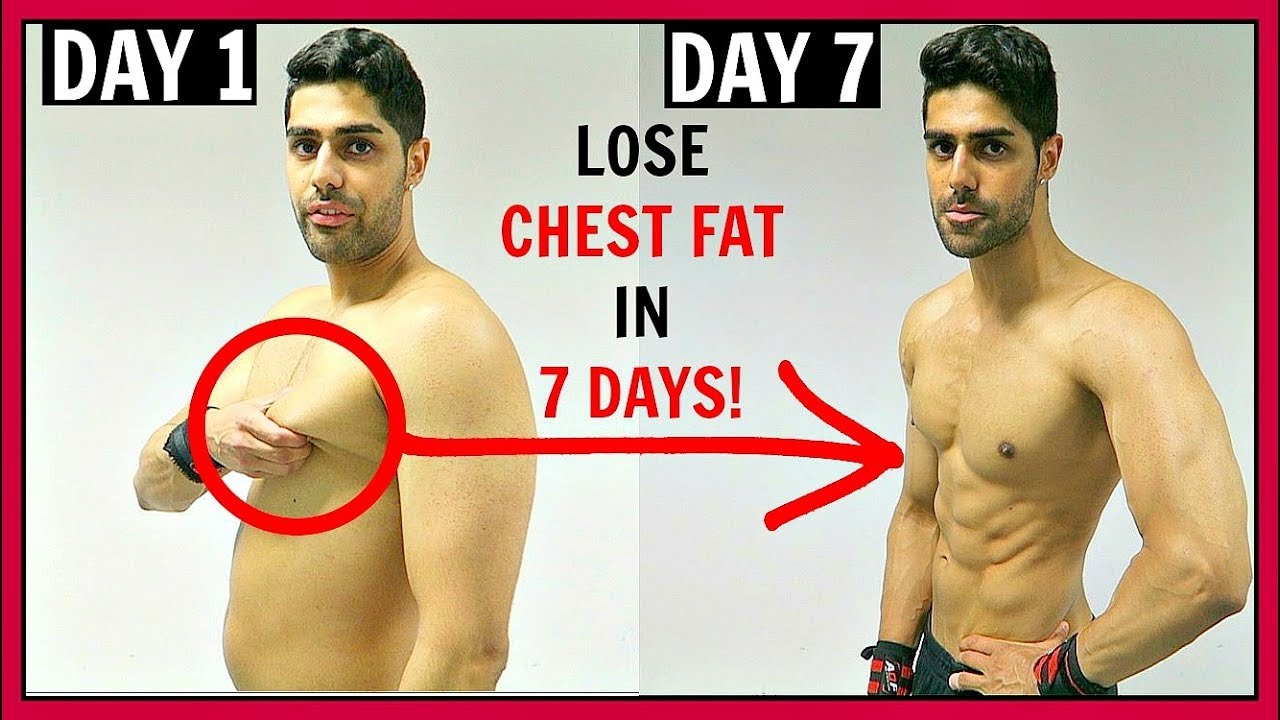
5. How long does it biologically take to see a visible difference in this area?
Your body does not lose fat linearly; it loses fat in waves. You might see a change in your face and arms within two weeks, but the belly and chest may take 8-12 weeks of consistent deficit to show measurable change. This is due to the lower blood flow and higher alpha-receptor density in these areas. A realistic timeline is: Week 1-4 (adaptation, water weight loss, circumference may decrease by 1-2 cm due to reduced inflammation), Week 5-8 (actual fat oxidation begins in earnest, but clothing might still fit the same), Week 9-12 (sudden visual changes as the cumulative deficit crosses a tipping point).
However, this timeline is only valid if you are truly in a deficit. If you are "eating back" your exercise calories or underestimating portion sizes, you will never reach this tipping point. Track your intake meticulously with a food scale for at least 4 weeks. Also, take progress photos bi-weekly in the same lighting. The camera catches what the mirror and the scale miss. If after 12 weeks you see zero change, check your thyroid (TSH, Free T3) and total testosterone levels; subclinical hypothyroidism and low testosterone are common undiagnosed causes of treatment-resistant central obesity.
Mastering the biology of fat storage is an act of respect for your own physiology. When you stop fighting your body with starvation and frantic exercise, and instead start negotiating with it through insulin control, stress management, and resistance stimulus, you unlock a metabolic adaptability that is truly elegant. The belly and chest are not enemies; they are feedback mechanisms telling you about your sleep debt, your stress load, and your dietary discretion. Listening to that feedback—rather than ignoring it—turns a frustrating aesthetic problem into a precise biofeedback loop.
Ultimately, this process makes you a better, more efficient human because it demands discipline in the fundamentals: sleep, whole foods, and heavy lifting. There are no shortcuts that bypass thermodynamics, but there are intelligent paths that minimize suffering and maximize output. When you achieve a leaner midsection and a defined chest, you are not merely changing your reflection; you are demonstrating mastery over your impulses and your environment. That skill—the ability to optimize your own biology—translates directly into higher productivity, sharper cognition, and a resilient, energetic presence in every other domain of your life.