How To Learn Any Programming Language

Learning to code might sound like a chore, but it’s actually one of the most creative and empowering hobbies you can pick up. Think of it as learning to write instructions for a very fast, literal-minded robot. Once you get the hang of it, you can build anything from a simple calculator to a personal website or a fun game for your friends.
The best part? You don't need a math degree or a fancy computer. Whether you’re a curious beginner, a parent looking for a productive family activity, or a hobbyist who loves building things, programming offers a huge payoff for your effort. It trains your brain to solve problems logically, which helps in everyday life, from planning a trip to organizing a closet.
For families, learning to code together can be a fantastic weekend project. You can create a shared digital storybook or a simple quiz game about your favorite movies. Hobbyists will love that coding lets you automate boring tasks, like sorting photo files or tracking your garden’s watering schedule. No matter your angle, the goal is the same: you are turning an idea into reality.
Must Read
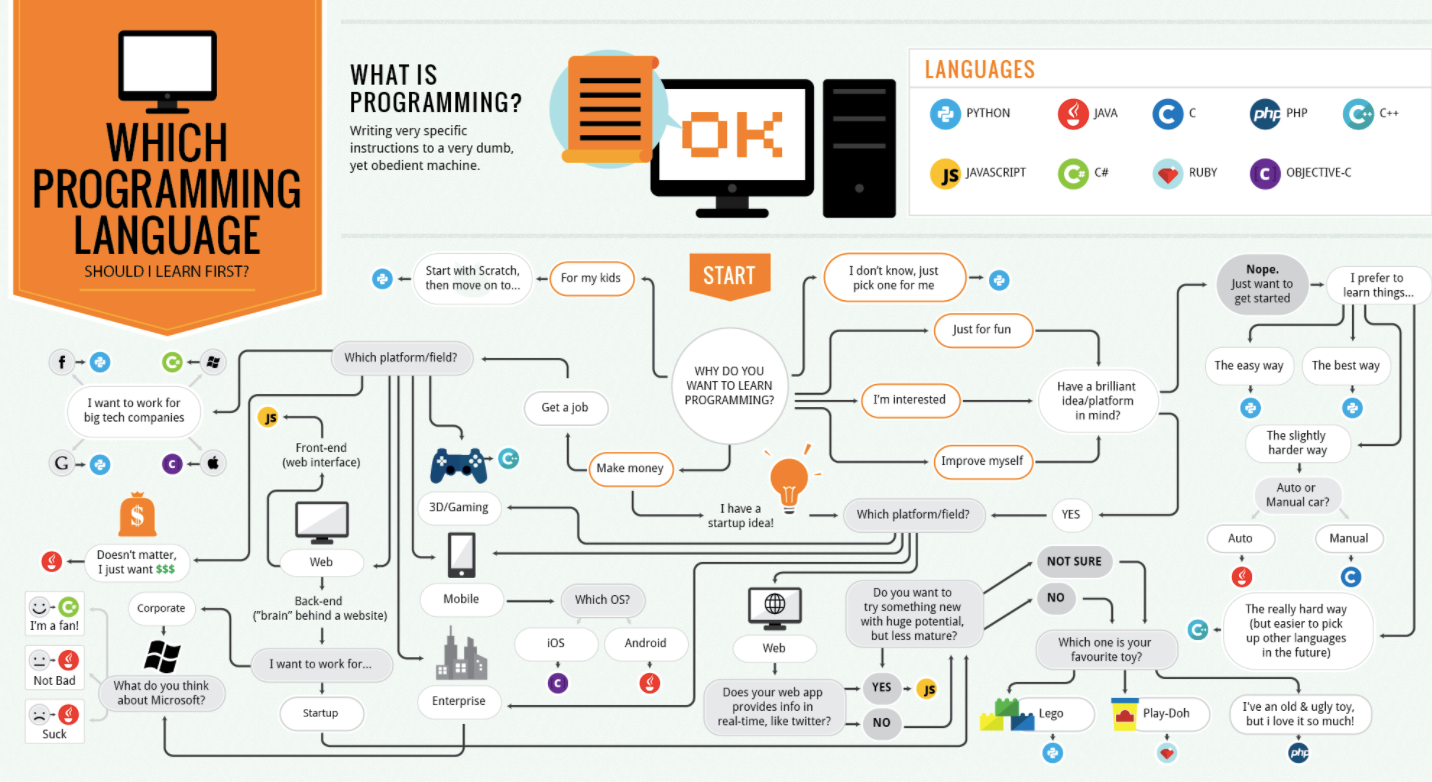
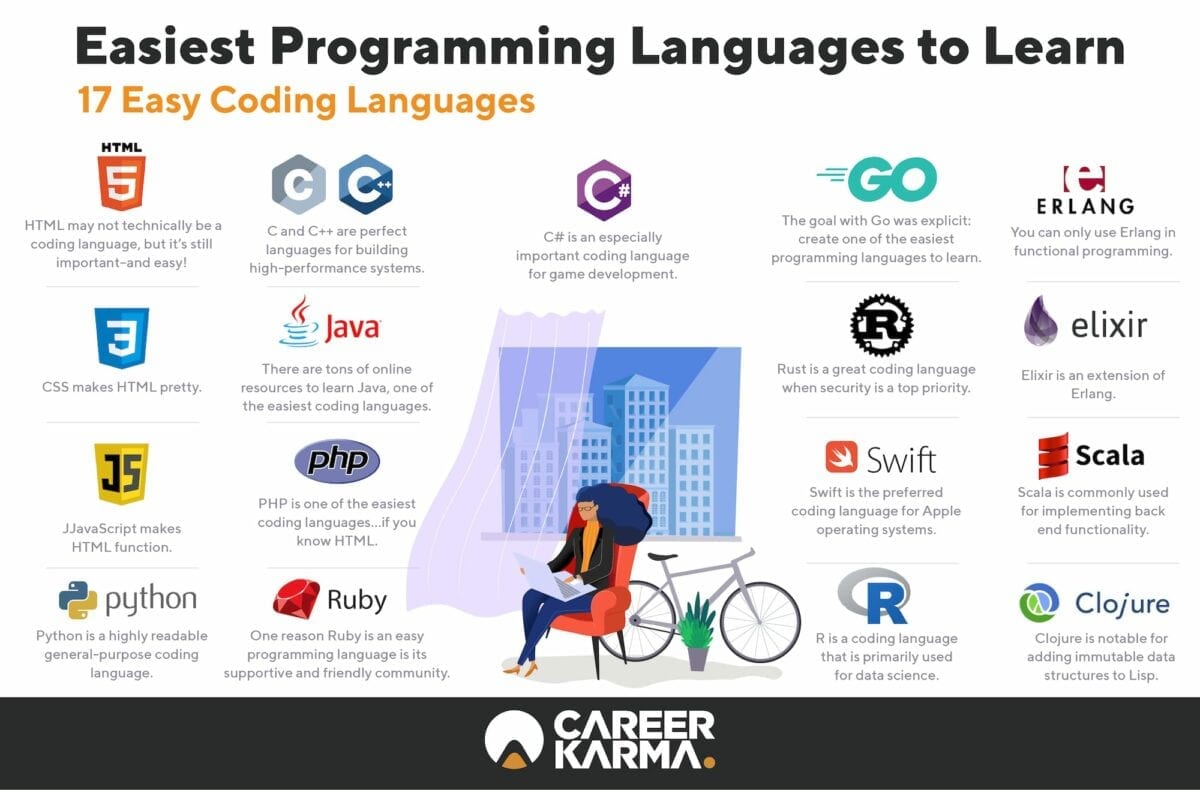
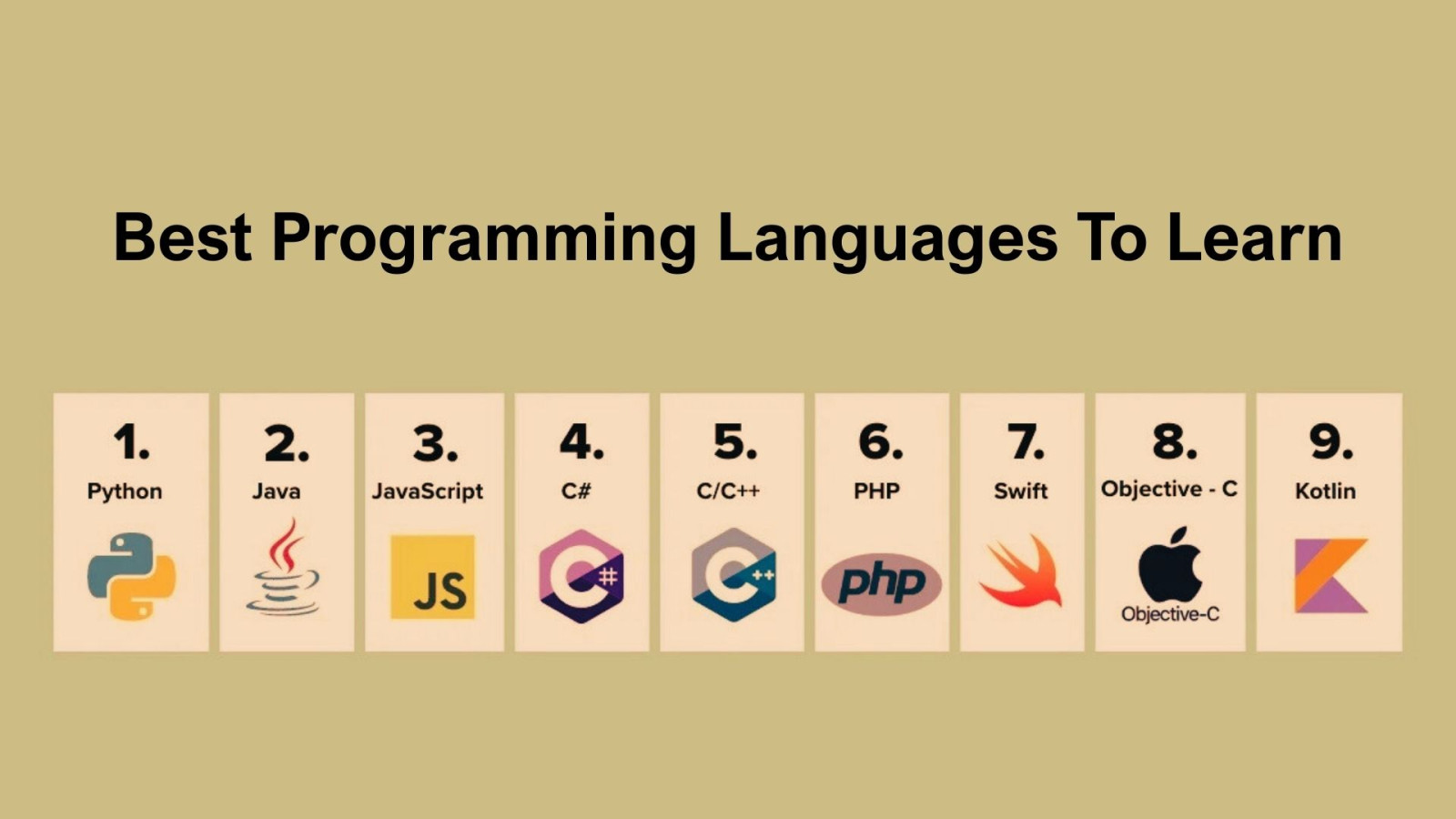
Now, the big secret about learning any programming language: you don't learn a language by reading about it. You learn by swimming in it. Start with a beginner-friendly option like Python or JavaScript—they’re forgiving, well-documented, and used everywhere. For a visual twist, try Scratch, where you snap blocks together like digital LEGOs, perfect for younger kids or total beginners.
Your first tip is to copy code, don’t write it from scratch. Find a simple tutorial or a small script online, type it out line by line, and run it. Even if you don’t understand every symbol, you’ll learn the rhythm of the language. The second tip is to break problems into tiny steps. Forget “build a game.” Instead, say, “Make a square move on the screen.” Then, “Make it respond to a key press.” Small wins build massive confidence.
Another practical tip is to use an online playground like Replit or CodePen, so you don’t have to install anything. Just open a browser and start typing. As you go, expect to make mistakes—tons of them. Errors are not failures; they are the language’s way of giving you hints. Read the error message, fix one thing, and try again. That cycle is the heart of coding.
For a family, try “pair programming” where one person types and the other gives directions. Switch roles after five minutes. For hobbyists, pick a tiny, personal project that you actually care about, like a script that emails you the weather. The key is to finish something small, even if it’s ugly. A working 10-line program is worth more than a perfect 100-line one that never runs.
Don’t forget to use free resources like freeCodeCamp, Codecademy, or YouTube tutorials. You don’t need a expensive bootcamp to start. Also, join an online community like a subreddit or a Discord server for beginners. When you’re stuck, a stranger’s two-line answer can save you hours. Just ask politely and share your code.
Finally, remember that learning to code is a marathon, not a sprint. You’ll have days where nothing works, and then suddenly, one small tweak makes everything click—and that joy is addictive. Every expert programmer was once a beginner who just kept going. You don’t need to know everything; you just need to learn the next small thing.
So open a blank page and type print("Hello, world!"). Then change the text, break it, fix it, and make it yours. The real value isn’t in mastering a language—it’s in the playful, curious mindset you build along the way. Grab a friend, pick a language, and start making your own digital magic today. You’ll be surprised how quickly you’ll be teaching others what you just learned.