How To Last Longer First Time
For many, the experience of intimacy can be a double-edged sword - a delicate dance between connection and vulnerability. The first time with a new partner can be particularly daunting, filled with anxiety and self-doubt. Our brains are wired to react to new experiences with a mix of excitement and fear, and this can sometimes lead to a less than satisfactory experience for both parties involved. In today's society, where communication and consent are paramount, understanding the psychological aspects of intimacy is more crucial than ever.
The root of the issue often lies in our own perceptions and expectations. We build up the idea of what this experience should be like, based on societal norms, past experiences, or even fantasies. When reality doesn't meet these expectations, it can lead to disappointment and frustration. Moreover, the pressure to perform can be overwhelming, especially for those who are inexperienced or dealing with personal insecurities. It's essential to recognize that these feelings are normal and that addressing them is the first step towards a more fulfilling experience.
Understanding the Psychological Landscape
Diving deeper into the psychological aspects, it becomes clear that emotional readiness plays a significant role. The ability to connect with one's partner on an emotional level can greatly enhance the experience. This involves trust, vulnerability, and open communication. When both parties feel secure and understood, they are more likely to let their guard down, leading to a more intimate and satisfying connection. However, achieving this state of emotional readiness can be challenging, especially if individuals are carrying emotional baggage from past experiences.
Cognitive biases can also interfere with our perception of intimacy. The halo effect, for instance, can lead us to idealize our partner, setting unrealistic expectations for the experience. On the other hand, negative self-talk and self-doubt can hinder our ability to fully engage, fearing that we might not meet our partner's expectations. Recognizing these biases and learning to manage them is crucial for a healthier approach to intimacy.
In real-life scenarios, individuals may find themselves in situations where they feel pressured to perform, leading to performance anxiety. This can stem from societal pressures, personal expectations, or the fear of not being able to satisfy one's partner. It's vital to address these pressures and understand that true intimacy is about connection and mutual pleasure, not just about performance. By shifting the focus from achievement to experience, individuals can begin to let go of these anxieties and embrace the beauty of intimacy.
Navigating Towards a More Fulfilling Experience
To navigate the complexities of intimacy and work towards a more fulfilling experience, it's essential to adopt a mindset shift. This involves recognizing the value of communication and consent in building a strong foundation for intimacy. By expressing desires, boundaries, and expectations openly, individuals can ensure that both parties are on the same page, reducing anxiety and increasing mutual understanding.

Another crucial aspect is the development of emotional intelligence. This involves being aware of one's emotions and those of one's partner, creating a safe space for vulnerability and connection. Practices such as mindfulness and meditation can help individuals become more attuned to their feelings, leading to a deeper and more meaningful connection with their partner.
Furthermore, it's important to embrace the concept of slow intimacy. In a world where instant gratification is often the norm, slowing down and savouring the moment can be incredibly liberating. This approach allows individuals to focus on the journey rather than the destination, enjoying the process of getting to know each other and building a connection that is based on
Lastly, adopting a growth mindset can be incredibly beneficial. Viewing intimacy as an area for personal growth, rather than a source of anxiety or frustration, can help individuals approach the experience with a sense of curiosity and openness. This mindset shift allows for a more positive and fulfilling experience, as individuals are more likely to embrace challenges as opportunities for learning and development.
Frequently Asked Questions
How Can I Overcome My Anxiety and Enjoy the Experience?
Overcoming anxiety requires a holistic approach that encompasses both mental and emotional aspects. It starts with acknowledging and accepting one's feelings, rather than trying to suppress or deny them. Open communication with one's partner about these anxieties can also be incredibly beneficial, as it creates a safe and supportive environment for both parties. Additionally, practicing relaxation techniques such as deep breathing, progressive muscle relaxation, or mindfulness meditation can help reduce anxiety and promote a sense of calm and well-being.

Moreover, it's essential to reframe one's perspective on intimacy, focusing on the experience rather than the outcome. By letting go of unrealistic expectations and embracing the unknown, individuals can begin to enjoy the journey, rather than stressing about the destination. This mindset shift, coupled with open communication and relaxation techniques, can significantly reduce anxiety and enhance the overall experience.
What Role Does Communication Play in Intimacy?
Communication is the backbone of any successful intimate relationship. It's the foundation upon which trust, vulnerability, and consent are built. Open and honest communication allows partners to express their desires, boundaries, and expectations, ensuring that both parties are comfortable and willing participants. It also facilitates a deeper emotional connection, as individuals feel heard, understood, and validated.
Effective communication involves not just talking, but also listening and empathizing with one's partner. It's about creating a safe space where both parties feel comfortable expressing themselves without fear of judgment or rejection. By prioritizing communication, individuals can build a stronger, more intimate connection with their partner, leading to a more fulfilling and satisfying experience.
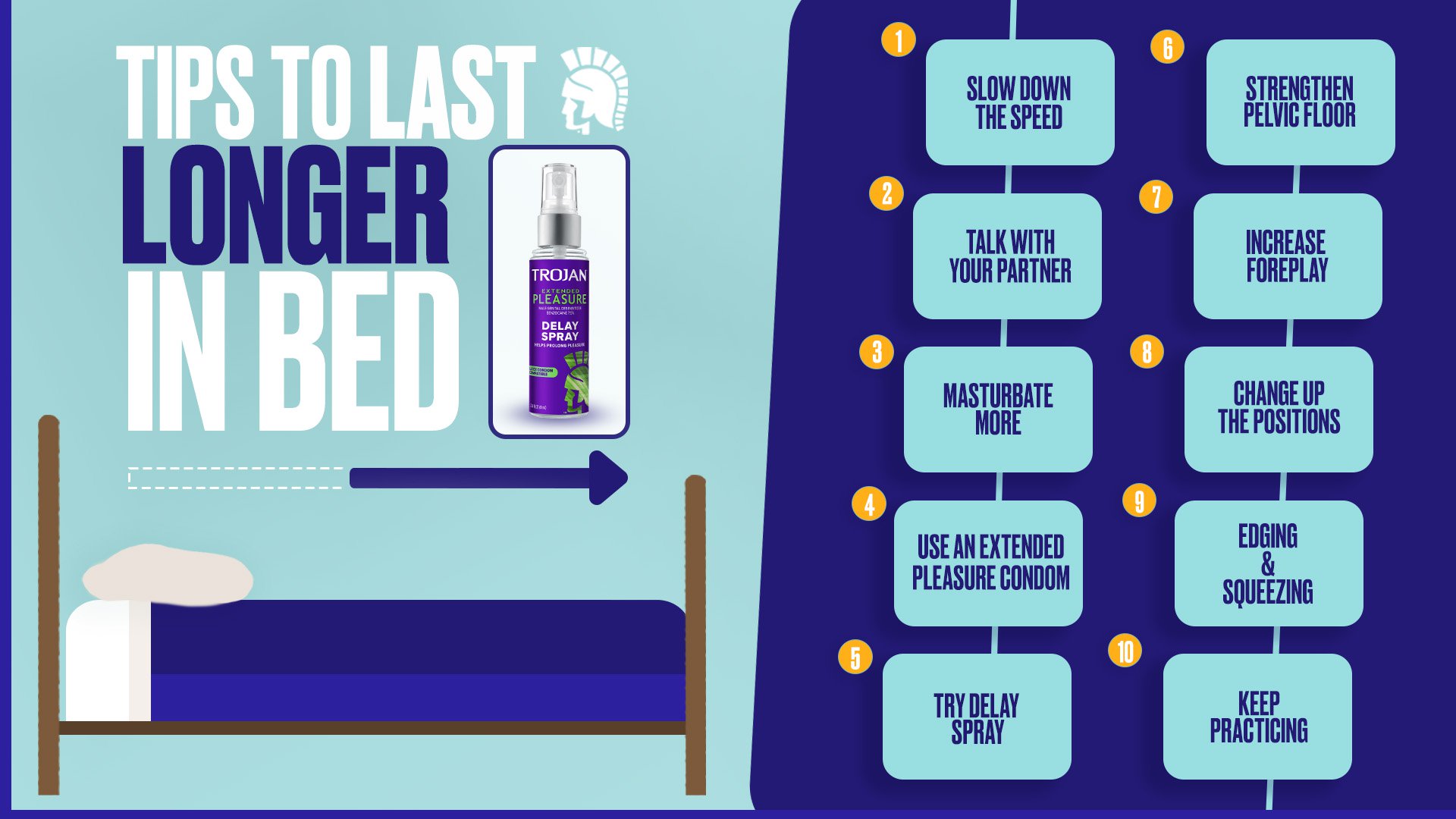
![How to Last Longer in Bed [Infographic]](http://infographicjournal.com/wp-content/uploads/2015/08/how-to-last-longer-in-bed-V4-FINAL-11.png)
How Can I Develop Emotional Intelligence for Better Intimacy?
Developing emotional intelligence is a journey that requires patience, self-awareness, and practice. It begins with self-reflection, understanding one's own emotions, values, and boundaries. This self-awareness is crucial for recognizing and respecting the emotions and boundaries of one's partner. Empathy and active listening are also key components of emotional intelligence, allowing individuals to connect with their partner on a deeper level.
Practicing mindfulness and meditation can also enhance emotional intelligence by increasing one's ability to recognize and manage emotions. Additionally, engaging in open and honest communication with one's partner, and being receptive to feedback, can foster a deeper emotional connection and strengthen the relationship. By developing emotional intelligence, individuals can navigate the complexities of intimacy with more ease and empathy, leading to more fulfilling and meaningful connections.
What Are Some Common Cognitive Biases That Affect Intimacy?
Cognitive biases can significantly impact our perceptions and experiences of intimacy. The halo effect, for instance, can lead us to idealize our partner, creating unrealistic expectations about the relationship. On the other hand, biases like confirmation bias can cause us to focus on information that confirms our preconceived notions, rather than considering alternative perspectives. Anchoring bias can also influence our expectations, with initial experiences setting the tone for future encounters.
Recognizing these biases is the first step towards mitigating their impact. By being aware of our own thought patterns and actively seeking to challenge them, we can foster a more realistic and healthy approach to intimacy. This involves practicing self-reflection, engaging in open communication with our partner, and embracing a growth mindset that values learning and personal growth. By doing so, individuals can navigate the complexities of intimacy with greater awareness and empathy.
How Does Emotional Baggage Affect Our Ability to Form Intimate Connections?
Emotional baggage from past experiences can significantly impact our ability to form intimate connections. Unresolved issues, trauma, or unhealthy relationship patterns can lead to defense mechanisms that protect us from getting hurt again but also prevent us from fully opening up to our partner. This baggage can manifest as trust issues, fear of vulnerability, or intimacy avoidance, making it challenging to establish a deep and meaningful connection.
Addressing emotional baggage requires a commitment to self-healing and personal growth. This involves confronting past hurts, practicing forgiveness (both of oneself and others), and developing coping strategies to manage emotions and reactions. Seeking professional help or therapy can also be beneficial, providing a safe and guided environment to work through past traumas and develop healthier relationship patterns. By acknowledging and working through our emotional baggage, we can begin to heal and open ourselves up to the possibility of forming deeper, more intimate connections.
Mastering the art of intimacy is a journey that requires patience, understanding, and a willingness to grow. As individuals navigate the complexities of human connection, they begin to understand that true intimacy is not just about physical closeness, but about emotional vulnerability and mutual understanding. By embracing this journey and working through personal challenges, individuals can develop a deeper sense of self-awareness and emotional intelligence, leading to more fulfilling and meaningful relationships.
In the end, the quest for lasting longer and enjoying the experience is not just about overcoming anxieties or biases, but about embracing the beauty of human connection. It's about recognizing the value of vulnerability, trust, and open communication in creating a strong and intimate bond with one's partner. By focusing on personal growth, emotional healing, and mutual understanding, individuals can transform their approach to intimacy, leading to a more balanced, satisfying, and fulfilling human experience.