
How To Keep A Strong Erection
The quest for a strong erection has been a timeless and universal pursuit, transcending cultures and centuries. From ancient civilizations to modern times, the ability to maintain a firm and lasting erection has been a symbol of masculinity, virility, and overall health. The history of erectile dysfunction (ED) treatment is a rich and fascinating one, with early attempts at remedies ranging from herbal concoctions to mechanical devices. Today, with the advent of modern medicine and a deeper understanding of the complex interplay between physical and psychological factors, the pursuit of a strong erection has become more nuanced and multifaceted.
In contemporary society, the importance of maintaining a strong erection cannot be overstated. It is not merely a matter of sexual performance, but also of overall well-being and self-esteem. A strong erection is often seen as a badge of honor, a testament to one's vitality and attractiveness. Moreover, the inability to achieve or maintain an erection can have far-reaching consequences, affecting not only one's sex life but also relationships, mental health, and overall quality of life. As such, it is essential to approach this topic with sensitivity, candor, and a willingness to explore the complex interplay of factors that contribute to a strong erection.
The Anatomy of Desire
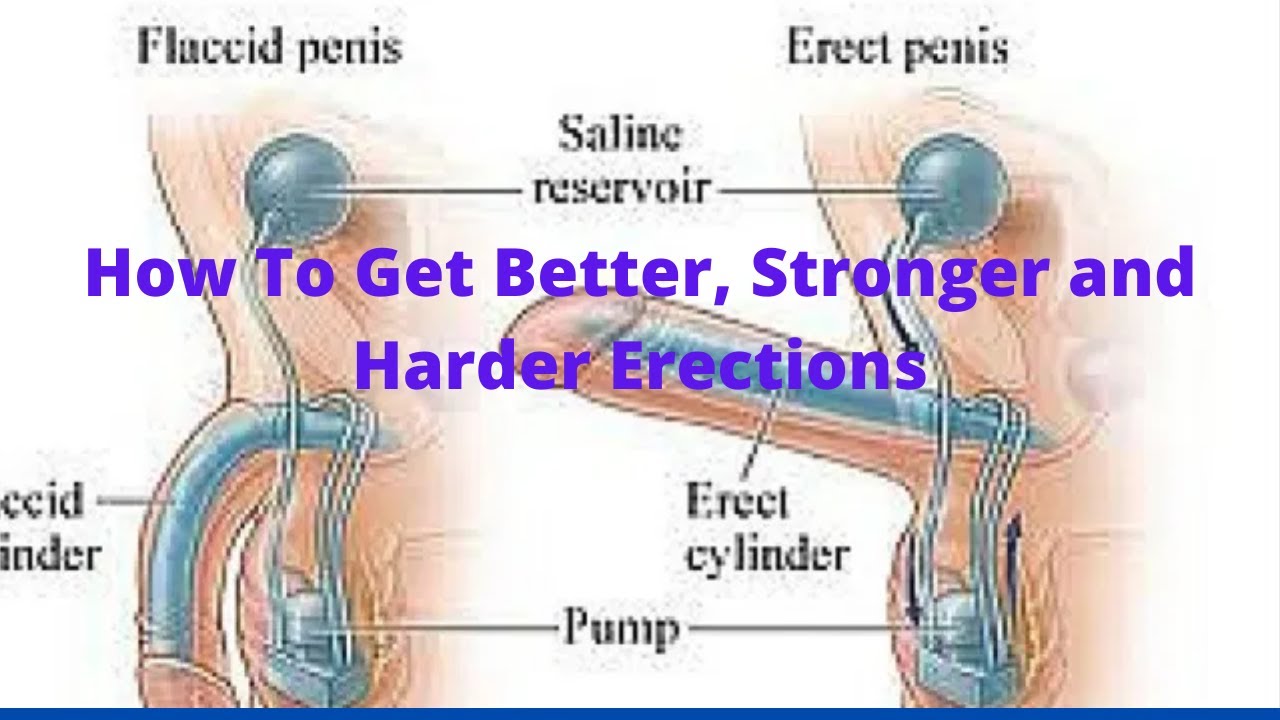
At its core, a strong erection is a remarkable physiological feat, involving the coordinated effort of blood vessels, nerves, and hormones. The process begins with arousal, as the brain sends signals to the penis, triggering the release of neurotransmitters and hormones that stimulate blood flow. As blood rushes into the penis, the smooth muscle relaxes, allowing the corpora cavernosa to expand and fill with blood, resulting in a firm and rigid erection. However, this intricate process can be derailed by a range of factors, including stress, anxiety, and underlying medical conditions.
Must Read
Beyond the physical aspects, a strong erection is also deeply psychological in nature. Confidence, self-esteem, and emotional connection all play critical roles in the ability to achieve and maintain an erection. Moreover, the cultural narrative surrounding masculinity and sexuality can exert a profound influence on one's perception of erectile function. As such, it is essential to recognize the complex interplay between mind and body in the pursuit of a strong erection.
As we delve into the world of erectile function, it is fascinating to note the dark underbelly of ED treatment. From herbal supplements with dubious efficacy to penis pumps and vacuum devices, the market is replete with quick fixes and gimmicks that promise the world but often deliver little. Moreover, the stigma surrounding ED can lead to silence and shame, preventing individuals from seeking help and instead turning to unproven remedies or miracle cures.
Practical Strategies for Success
So, how can one achieve a strong erection and maintain it over time? The answer lies in a holistic approach that incorporates lifestyle modifications, stress management, and open communication with one's partner. Regular exercise, a balanced diet, and sufficient sleep are all essential for maintaining optimal erectile function. Additionally, mindfulness practices such as meditation and deep breathing can help to mitigate stress and anxiety, allowing for a more relaxed and responsive sexual experience.
For individuals struggling with ED, there are a range of evidence-based treatments available, including pharmacological interventions such as PDE5 inhibitors and hormone replacement therapy. Moreover, psychotherapy and sex therapy can help to address underlying psychological issues and relationship dynamics that may be contributing to ED. By working with a qualified healthcare provider and exploring these various options, individuals can develop a personalized treatment plan that addresses their unique needs and circumstances.
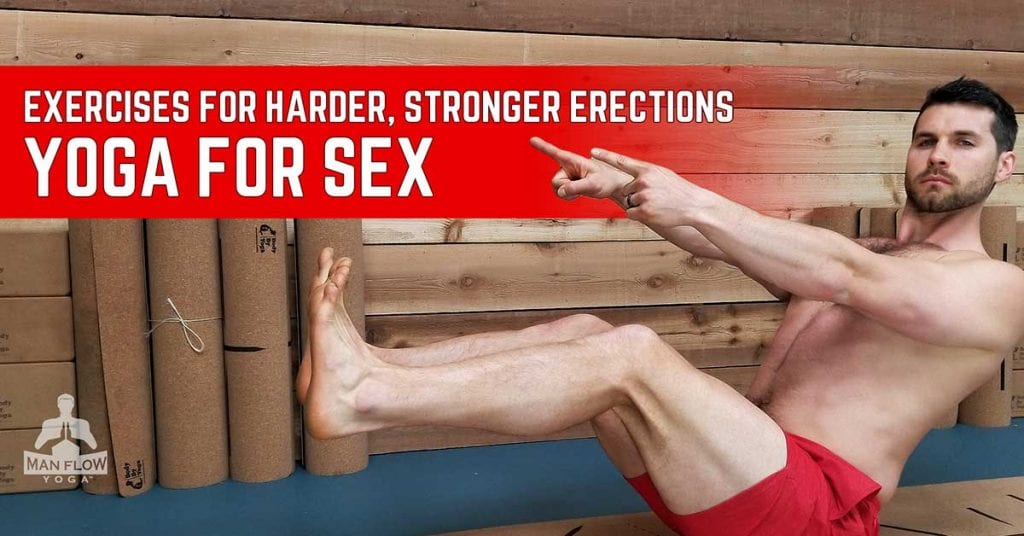
In addition to these strategies, there are also a range of alternative therapies that may be beneficial in promoting erectile health. Acupuncture, herbal medicine, and mind-body therapies such as yoga and tai chi have all been shown to have positive effects on erectile function, although more research is needed to fully understand their mechanisms and efficacy. By exploring these complementary approaches, individuals can develop a more integrative and holistic understanding of erectile health.
As we navigate the complex landscape of erectile function, it is essential to recognize the critical role of communication in achieving and maintaining a strong erection. Open and honest dialogue with one's partner can help to build trust, intimacy, and emotional connection, all of which are essential for optimal erectile function. By listening actively, expressing desires, and negotiating boundaries, individuals can create a safe and supportive sexual environment that fosters a strong and lasting erection.
Frequently Asked Questions
What are the most common causes of erectile dysfunction?
The most common causes of erectile dysfunction (ED) are vascular disease, diabetes, hormonal imbalances, and psychological factors such as stress, anxiety, and depression. Additionally, certain medications, lifestyle factors such as smoking and excess weight, and underlying medical conditions such as high blood pressure and heart disease can also contribute to ED. By understanding these various causes, individuals can take proactive steps to prevent or manage ED and maintain optimal erectile function.
It is essential to note that ED is often a complex condition with multiple contributing factors. As such, a comprehensive diagnosis and individualized treatment plan are crucial in addressing the underlying causes of ED. By working with a qualified healthcare provider, individuals can develop a personalized approach that takes into account their unique needs, medical history, and lifestyle factors.
How can I improve my erectile function through lifestyle modifications?
Improving erectile function through lifestyle modifications involves adopting a holistic approach that incorporates regular exercise, a balanced diet, and sufficient sleep. Additionally, stress management techniques such as meditation and deep breathing can help to mitigate stress and anxiety, allowing for a more relaxed and responsive sexual experience. Furthermore, quitting smoking, limiting alcohol consumption, and maintaining a healthy weight can all contribute to optimal erectile function.
By making these lifestyle modifications, individuals can improve blood flow, reduce inflammation, and enhance overall cardiovascular health, all of which are essential for maintaining a strong erection. Moreover, a healthy lifestyle can also have a positive impact on mental health and self-esteem, allowing individuals to feel more confident and empowered in their sexual lives.
What are the benefits and risks of using erectile dysfunction medications?
The benefits of using erectile dysfunction (ED) medications include rapid onset of action, high efficacy rates, and convenience. Additionally, ED medications can help to boost confidence and enhance sexual satisfaction, leading to improved relationships and overall quality of life. However, ED medications also carry potential risks and side effects, including headaches, flushing, and digestive issues. Moreover, ED medications may interact with other medications or underlying medical conditions, emphasizing the need for careful medical supervision and monitoring.
It is essential to note that ED medications are not a magic bullet and should be used in conjunction with other treatment strategies such as lifestyle modifications and psychotherapy. By working with a qualified healthcare provider, individuals can develop a comprehensive treatment plan that takes into account their unique needs, medical history, and lifestyle factors. Furthermore, open communication with one's partner and realistic expectations can help to minimize potential risks and maximize the benefits of ED medications.
Can erectile dysfunction be a sign of an underlying medical condition?
Yes, erectile dysfunction (ED) can be a sign of an underlying medical condition, including vascular disease, diabetes, hormonal imbalances, and neurological disorders. Additionally, ED can be a warning sign for cardiovascular disease, high blood pressure, and heart disease, emphasizing the importance of regular health check-ups and medical screening. By addressing these underlying conditions, individuals can not only improve their erectile function but also reduce their risk of developing more serious health problems.
It is crucial to recognize that ED is often a complex condition with multiple contributing factors. As such, a comprehensive diagnosis and individualized treatment plan are essential in addressing the underlying causes of ED. By working with a qualified healthcare provider, individuals can develop a personalized approach that takes into account their unique needs, medical history, and lifestyle factors.
How can I talk to my partner about my erectile dysfunction?
Talking to one's partner about erectile dysfunction (ED) can be a challenging and sensitive topic, but it is essential for building trust, intimacy, and emotional connection. By approaching the conversation with empathy, honesty, and openness, individuals can create a safe and supportive environment for discussing their ED. It is essential to listen actively, express desires, and negotiate boundaries, allowing for a more fulfilling and satisfying sexual experience.

By working together and exploring various treatment options, individuals and their partners can develop a comprehensive approach to addressing ED. This may involve lifestyle modifications, psychotherapy, and medical interventions, all of which can help to improve erectile function and enhance overall sexual satisfaction. By communicating openly and working collaboratively, individuals can build a stronger, more resilient relationship and improve their overall quality of life.
As we reflect on the complex and multifaceted nature of erectile function, it becomes clear that achieving a strong erection is not merely a matter of physical health, but also of emotional, psychological, and relational well-being. By recognizing the interplay between mind and body and adopting a holistic approach to erectile health, individuals can cultivate a deeper understanding of themselves and their partners, leading to more fulfilling and satisfying relationships.
Moreover, the pursuit of a strong erection is often a journey of self-discovery, one that requires patience, empathy, and self-compassion. By embracing this journey and exploring the various treatment options available, individuals can develop a more nuanced and empowered understanding of their bodies and their sexuality, leading to greater confidence, intimacy, and overall well-being.
Ultimately, the quest for a strong erection is a universal and timeless pursuit, one that speaks to our deepest desires for connection, intimacy, and fulfillment. By approaching this topic with sensitivity, candor, and a willingness to explore the complex interplay of factors that contribute to erectile health, we can foster a more open and honest dialogue about sex, relationships, and overall well-being, leading to a more authentic and empowered understanding of ourselves and our place in the world.

