
How To Give A Sexual Massage

The art of giving a sexual massage is a deeply intimate and vulnerable experience that can bring about a sense of connection and understanding between two individuals. It's an act that requires trust, communication, and a willingness to let go of our inhibitions. But have you ever stopped to think about the psychological aspects of this experience? Why do our brains react to it in such a profound way? The answer lies in the realm of emotional intimacy and the release of oxytocin, often referred to as the "love hormone." This hormone is responsible for creating feelings of closeness and attachment, which can be incredibly powerful in the context of a sexual massage.
In today's fast-paced world, it's easy to get caught up in the hustle and bustle of daily life and forget about the importance of human touch and physical connection. We're constantly surrounded by technology and social media, which can leave us feeling isolated and disconnected from others. But the act of giving a sexual massage allows us to slow down, be present, and truly connect with another person on a deep and intimate level. It's an experience that can help us reconnect with our own bodies and desires, as well as with our partner's, leading to a more fulfilling and meaningful experience.
Understanding the Emotional Landscape
When it comes to giving a sexual massage, there are often hidden emotional triggers and cognitive biases at play. For example, some individuals may struggle with body image issues or performance anxiety, which can make it difficult to fully surrender to the experience. Others may have experienced trauma or abuse in the past, which can lead to feelings of vulnerability and fear. It's essential to approach these issues with compassion and understanding, creating a safe and supportive environment for both partners to feel comfortable and relaxed.
Must Read
Imagine being in a situation where you're trying to give a sexual massage, but your partner is tensed up and uncomfortable. This can be a challenging and emotionally charged experience, especially if you're not sure how to navigate the situation. But by taking the time to communicate and connect with your partner, you can begin to break down these barriers and create a more intimate and meaningful experience. This might involve active listening, empathy, and a willingness to adapt to your partner's needs and desires.
Another important aspect to consider is the role of power dynamics in the context of a sexual massage. Who is in control, and how can we ensure that both partners feel comfortable and respected? By acknowledging and addressing these issues, we can create a more balanced and mutually beneficial experience, one that prioritizes communication, consent, and mutual respect.
Cultivating a Positive and Empowering Experience
So, how can we cultivate a positive and empowering experience when giving a sexual massage? The first step is to communicate openly and honestly with your partner, discussing boundaries, desires, and any areas of concern. This can involve active listening, empathy, and a willingness to adapt to your partner's needs and desires. By doing so, you can create a safe and supportive environment that fosters trust and intimacy.
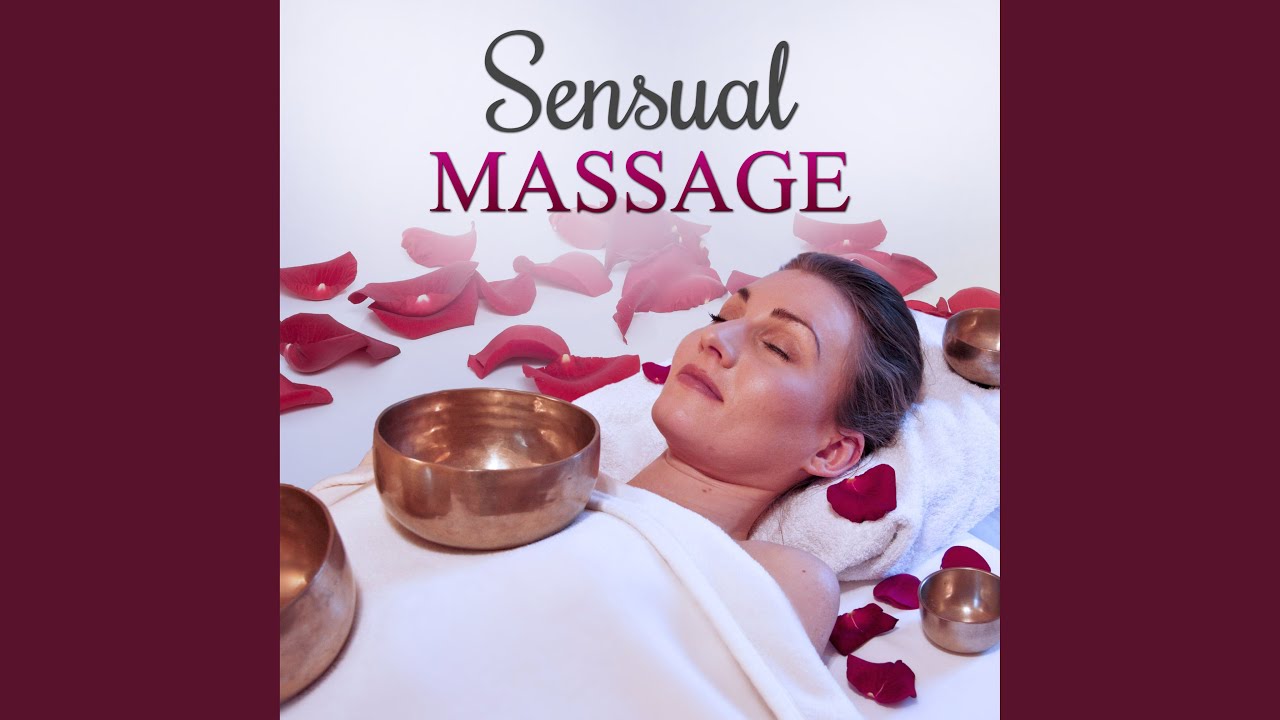
Another essential aspect is to focus on the present moment, letting go of any expectations or pressure to perform. This can involve mindfulness techniques, such as deep breathing, meditation, or sensory exploration. By being fully present, you can tune into your partner's energy and respond in a way that is attuned to their needs and desires. This might involve slow and gentle movements, or more intense and passionate interactions – the key is to listen to your partner's body and respond in a way that is respectful and considerate.
In addition to these strategies, it's also important to prioritize self-care and self-awareness. This might involve reflecting on your own desires, boundaries, and emotional triggers, as well as practicing self-compassion and self-forgiveness. By doing so, you can create a more positive and empowering experience, one that honors your own needs and desires, as well as those of your partner.
Finally, it's essential to approach the experience with an open mind and a willingness to learn and grow. This might involve exploring new techniques, discussing boundaries, or seeking feedback from your partner. By doing so, you can create a more dynamic and evolving experience, one that is tailored to your unique needs and desires, as well as those of your partner.
Frequently Asked Questions
What if I'm feeling anxious or uncomfortable during the massage?
If you're feeling anxious or uncomfortable during the massage, it's essential to communicate openly and honestly with your partner. This might involve expressing your feelings, setting boundaries, or taking a break to recharge and refocus. By doing so, you can create a safe and supportive environment that prioritizes mutual respect and consent. It's also important to practice self-care and self-compassion, acknowledging that it's okay to feel vulnerable or overwhelmed at times.

Remember, the goal of a sexual massage is to create a positive and empowering experience, not to push past your boundaries or ignore your feelings. By prioritizing communication, consent, and mutual respect, you can create a more intimate and meaningful experience, one that honors your unique needs and desires, as well as those of your partner.
How can I ensure that my partner is comfortable and enjoying the experience?
To ensure that your partner is comfortable and enjoying the experience, it's essential to communicate openly and honestly, listen to their feedback, and adapt to their needs and desires. This might involve asking for permission, checking in regularly, or paying attention to nonverbal cues, such as body language and facial expressions. By doing so, you can create a safe and supportive environment that prioritizes mutual respect and consent.
It's also important to focus on the present moment, letting go of any expectations or pressure to perform. This can involve mindfulness techniques, such as deep breathing, meditation, or sensory exploration. By being fully present, you can tune into your partner's energy and respond in a way that is attuned to their needs and desires. This might involve slow and gentle movements, or more intense and passionate interactions – the key is to listen to your partner's body and respond in a way that is respectful and considerate.

What if I'm struggling with body image issues or low self-esteem?
If you're struggling with body image issues or low self-esteem, it's essential to approach the experience with self-compassion and self-awareness. This might involve reflecting on your own desires, boundaries, and emotional triggers, as well as practicing self-care and self-forgiveness. By doing so, you can create a more positive and empowering experience, one that honors your unique needs and desires, as well as those of your partner.
It's also important to reframe negative self-talk and challenge unhealthy beliefs about your body or worth. This might involve practicing affirmations, seeking support from loved ones or a therapist, or engaging in self-care activities that promote relaxation and stress relief. By doing so, you can create a more confident and empowered sense of self, one that is better equipped to navigate the complexities of a sexual massage.
How can I balance my own desires with my partner's needs and boundaries?
To balance your own desires with your partner's needs and boundaries, it's essential to communicate openly and honestly, listen to their feedback, and adapt to their needs and desires. This might involve negotiating boundaries, discussing desires, or seeking feedback from your partner. By doing so, you can create a safe and supportive environment that prioritizes mutual respect and consent.
It's also important to prioritize self-awareness and self-reflection, recognizing your own desires, boundaries, and emotional triggers. This might involve journaling, meditating, or seeking support from a therapist or trusted friend. By doing so, you can create a more intimate and meaningful experience, one that honors your unique needs and desires, as well as those of your partner.

What if my partner is not enjoying the experience or wants to stop?
If your partner is not enjoying the experience or wants to stop, it's essential to respect their boundaries and prioritize their comfort. This might involve stopping immediately, checking in with your partner, or seeking feedback to understand their needs and desires. By doing so, you can create a safe and supportive environment that prioritizes mutual respect and consent.
It's also important to avoid taking it personally and refrain from pressuring your partner to continue. Instead, focus on communicating openly and honestly, listening to their feedback, and adapting to their needs and desires. By doing so, you can create a more positive and empowering experience, one that honors your partner's unique needs and desires, as well as your own.
As we reflect on the experience of giving a sexual massage, it's clear that it's an act that requires trust, communication, and a willingness to let go of our inhibitions. By embracing this experience with an open mind and a willingness to learn and grow, we can create a more intimate and meaningful connection with our partner, one that honors our unique needs and desires, as well as those of our partner.
Ultimately, the art of giving a sexual massage is a journey of self-discovery and personal growth, one that requires us to confront our fears, challenge our assumptions, and embrace our vulnerability. By doing so, we can create a more authentic and empowering experience, one that leads to a deeper understanding of ourselves and our partners, as well as a more fulfilling and meaningful human experience.

