How To Get Your Dick Thicker

In the realm of male physical attributes, few topics are as shrouded in mystery and intrigue as the pursuit of a thicker penis. For centuries, this aspect of male anatomy has been a subject of interest, debate, and sometimes, embarrassment. From ancient civilizations to modern times, the quest for a more substantial genital size has led to the development of various remedies, exercises, and myths. The fascination with penis size isn't merely about physical attributes; it also reflects deeper psychological and sociological aspects of human nature. In contemporary society, the discussion around penis size has evolved, touching on themes of body positivity, self-acceptance, and the impact of societal expectations on individual self-esteem.
The history of seeking a thicker penis dates back to ancient times, where various cultures employed different methods to enhance size. From herbal concoctions to mechanical devices, these early attempts were often driven by beliefs in their efficacy for improving virility and sexual performance. The concept of a larger penis being synonymous with masculinity and sexual prowess has been a long-standing narrative, although it's essential to approach this topic with the understanding that these beliefs can vary greatly across cultures and individuals. Today, the conversation around penis size is more nuanced, acknowledging the interplay of psychological factors, relationship dynamics, and personal comfort with one's body. Despite the advancements in understanding and the promotion of positive body image, the desire for a thicker penis remains a prevalent concern for many men, fueling a multi-million dollar industry of products and services aimed at penis enlargement.
Understanding the Pursuit
Diving into the depths of why the pursuit of a thicker penis persists, it's crucial to acknowledge the psychological and cultural factors at play. The belief that a larger penis is more desirable can stem from societal norms, media representation, and personal experiences. This perception is often tied to masculinity, with the penis being seen as a symbol of virility and sexual capability. However, it's essential to differentiate between the myth and reality, as penis size does not directly correlate with sexual satisfaction or masculinity. The psychological impact of societal pressure can lead to feelings of inadequacy, affecting self-esteem and sexual confidence. Thus, understanding these dynamics is vital for men seeking to improve their self-perception and body image.
Must Read
From a cultural standpoint, the emphasis on penis size varies significantly across different societies and historical periods. Some cultures have traditionally placed a high value on genital size as a symbol of fertility or manhood, while others have been more indifferent or have even viewed larger sizes with skepticism. The media plays a significant role in shaping these perceptions, often portraying idealized body types that can be unrealistic and harmful. This can create a sense of disconnection between the average man and the perceived ideal, fueling the desire for enhancement. Moreover, the economic aspect cannot be overlooked, as the penis enlargement industry thrives on these desires, offering a plethora of products and services that promise results, though not all are scientifically proven or safe.
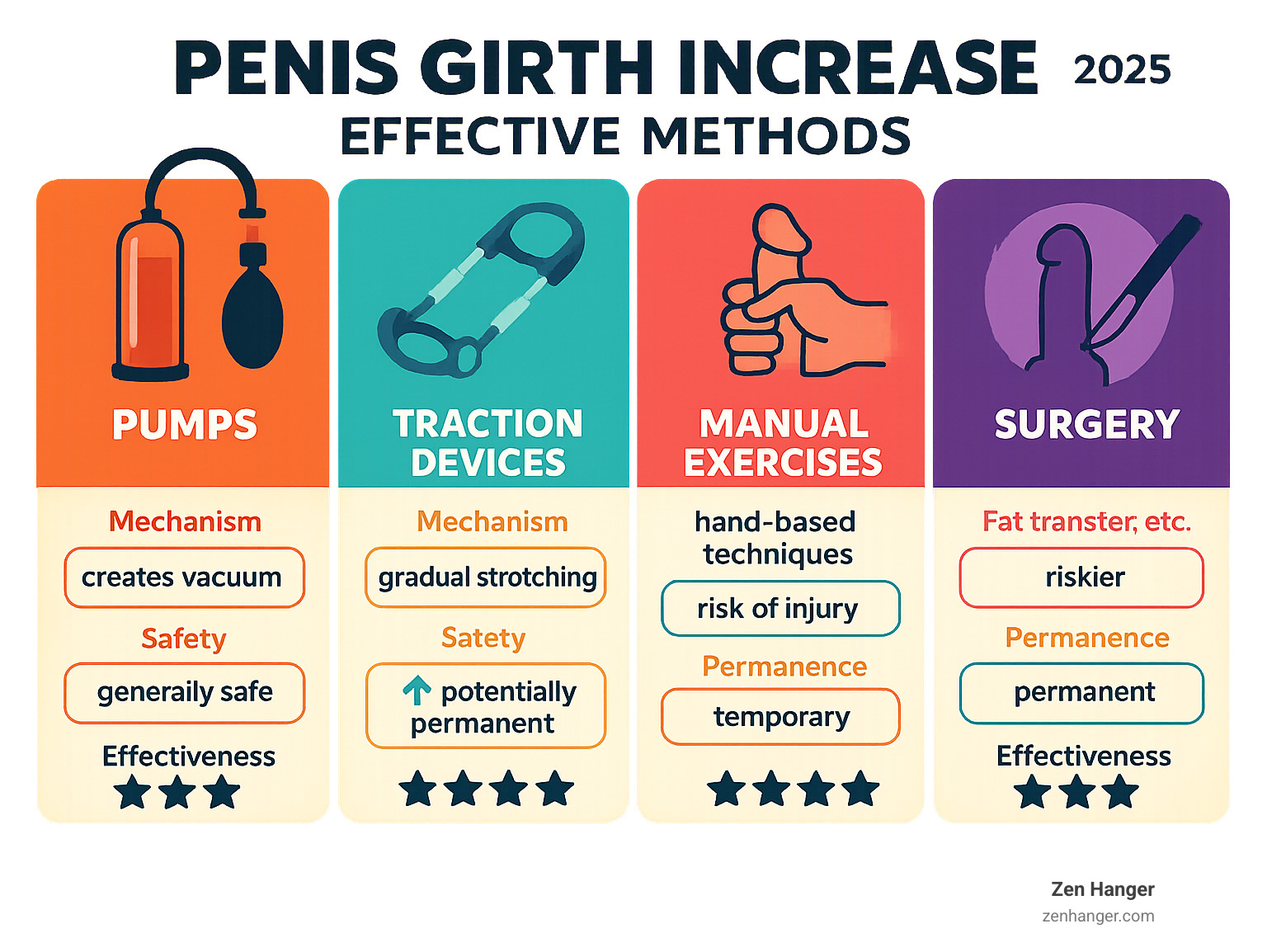
The scientific community approaches the topic of penis enlargement with caution, emphasizing the importance of evidence-based practices. While there are some medically accepted methods for penis enlargement, such as certain surgical procedures and vacuum erection devices, these options are typically reserved for cases of micropenis or significant penile trauma. For the majority of men, the focus shifts towards lifestyle modifications, psychological support, and debunking myths surrounding penis size and sexual performance. It's also worth noting that the success of any enlargement method can vary greatly among individuals, and safety should always be the primary concern when considering any form of intervention.
The Practical Aspects
For individuals considering penis enlargement, it's essential to approach the subject with a clear understanding of the options available and their potential outcomes. Penis stretchers and vacuum pumps are among the more common devices used, with some studies suggesting minimal, temporary increases in size. However, these methods require consistent use over long periods and may not yield significant results for everyone. On the other hand, surgical interventions are more invasive and carry inherent risks, including infection, scarring, and potential loss of sensation or function. The decision to undergo any form of penis enlargement should be made with careful consideration and consultation with healthcare professionals.
Exercises and lifestyle changes are also touted as methods for achieving a thicker penis. While the effectiveness of these approaches can be debated, focusing on overall physical health can have numerous benefits, including improved sexual function and self-esteem. Regular exercise, a balanced diet, and avoidance of smoking and excessive alcohol consumption can contribute to better sexual health. Moreover, stress management and adequate sleep play critical roles in hormonal balance and overall well-being, potentially influencing sexual performance and satisfaction.
Another critical aspect is the psychological support and counseling that can help individuals address body image issues and relationship concerns related to penis size. Recognizing that sexual satisfaction is multifaceted, involving emotional connection, communication, and technique, can help shift the focus away from solely physical attributes. Therapy and sex education can provide valuable tools for enhancing sexual experiences and fostering healthier attitudes towards body image and sexuality.
In addition to these considerations, the role of partnership and communication cannot be overstated. Open discussions with sexual partners about desires, concerns, and preferences can lead to a more fulfilling sexual life, where focus on penis size becomes less central. Building a strong emotional connection and exploring mutual interests and pleasures can significantly enhance sexual satisfaction, regardless of physical attributes. This approach emphasizes the importance of intimacy, trust, and communication in sexual relationships, moving beyond the fixation on specific body parts.
Frequently Asked Questions
What are the safest methods for penis enlargement?
The safest methods for penis enlargement are typically those that are minimally invasive and have been proven through scientific research to be effective. These include certain vacuum erection devices and penis extenders that have been cleared by regulatory bodies for safety and efficacy. It's crucial to consult with a healthcare provider before starting any enlargement method to discuss potential risks and benefits. Moreover, any method chosen should be used according to the manufacturer's instructions and under medical supervision if necessary. The emphasis on safety underlines the importance of avoiding unproven remedies or devices that could cause harm.

As with any medical device or treatment, individual results can vary, and what works for one person may not work for another. Therefore, having realistic expectations and being aware of the potential for little to no change in size is essential. The psychological aspect of pursuing enlargement should also be considered, as dissatisfaction with results can negatively impact self-esteem and sexual confidence. Thus, a balanced approach that includes psychological support and education on sexual health can provide a more comprehensive solution for those seeking to enhance their sexual well-being.
Can penis size affect sexual performance and satisfaction?
The relationship between penis size and sexual performance or satisfaction is complex and influenced by multiple factors. While some individuals may believe that a larger penis leads to better sexual experiences, research suggests that sexual satisfaction is more closely tied to emotional connection, communication, and technique than to physical attributes. The clitoris, for example, is a highly sensitive area for female pleasure, and stimulation of this region can be achieved through various means, not solely dependent on penis size. Furthermore, erectile function and the ability to maintain an erection are often more critical for sexual satisfaction than the size of the penis itself.
It's also worth noting that body image issues and performance anxiety can significantly impact sexual experiences, regardless of penis size. Individuals who are insecure about their body or fear they are not meeting their partner's expectations may experience difficulties with sexual performance. Therefore, addressing these psychological factors through counseling or therapy can be beneficial for improving sexual satisfaction and overall sexual health. By focusing on the aspects of sexual experience that are within one's control and cultivating a positive body image and healthy relationship dynamics, individuals can work towards more fulfilling sexual lives.
What role does diet and exercise play in penis health and potential enlargement?
A balanced diet rich in fruits, vegetables, whole grains, and lean proteins can contribute to overall vascular health, which in turn supports penile health. Foods high in antioxidants and omega-3 fatty acids can help improve blood flow, potentially enhancing erectile function. Additionally, maintaining a healthy weight can reduce the risk of conditions like diabetes and cardiovascular disease, which are associated with erectile dysfunction. Regular exercise, especially aerobic exercises and pelvic floor exercises (like Kegel exercises), can improve circulation and muscle tone, potentially benefiting sexual health.

While diet and exercise are crucial for general health and can indirectly support penile health, their role in penis enlargement is more nuanced. There is limited scientific evidence to suggest that specific diets or exercise regimens can significantly increase penis size. However, focusing on overall health can lead to better sexual function and satisfaction, which may indirectly reduce concerns about penis size. Moreover, a healthy lifestyle can boost self-esteem and body confidence, which are essential for a positive sexual experience. By adopting healthy habits and focusing on what can be controlled and improved, individuals can cultivate a more positive body image and approach sexual health with a broader perspective.
How can one maintain a positive body image in relation to penis size?
Maintaining a positive body image involves recognizing and challenging negative self-perceptions and societal pressures. Education about average penis size and the variability in human anatomy can help demystify the myths surrounding ideal sizes. Focusing on overall health and well-being, rather than fixating on specific physical attributes, can also foster a more positive self-image. Engaging in activities that promote self-esteem and body confidence, such as exercise, creative pursuits, or spending time in nature, can help shift focus away from perceived shortcomings.
Moreover, cultivating open and honest relationships can provide a support network where individuals feel comfortable discussing their concerns and desires. This can lead to a more fulfilling sexual life, where the emphasis is on mutual pleasure, intimacy, and connection rather than physical attributes. Self-acceptance and self-compassion are key in navigating body image issues, allowing individuals to focus on their strengths and the aspects of their sexuality that bring them joy and satisfaction. By embracing diversity in body types and sexual preferences, and promoting a culture of acceptance and inclusivity, we can work towards a society where body image concerns, including those related to penis size, are less prevalent.
What are the potential risks associated with penis enlargement methods?
The potential risks associated with penis enlargement methods can vary significantly depending on the approach chosen. For surgical methods, risks include infection, scarring, and potential loss of sensation or function. These risks underscore the importance of carefully selecting a qualified healthcare provider and thoroughly understanding the potential outcomes and complications before undergoing any procedure. For devices and supplements, the lack of regulation in some areas means that safety and efficacy can be uncertain, with risks ranging from allergic reactions to more severe health issues.
It's also critical to consider the psychological risks associated with the pursuit of penis enlargement. Unmet expectations, body dysmorphic disorders, and performance anxiety can all be exacerbated by the focus on physical attributes. Therefore, a comprehensive approach that includes mental health support and education on sexual health and body image is essential. By acknowledging these risks and taking a thoughtful, informed approach to any method considered for penis enlargement, individuals can make safer, more satisfying choices that align with their overall well-being.
In conclusion, the topic of penis size and the pursuit of a thicker penis intersects with various aspects of human life, including psychology, culture, and physical health. By exploring these dimensions and adopting a holistic approach to sexual well-being, individuals can navigate the complexities surrounding penis size with greater ease and confidence. This journey involves not only understanding the physical aspects but also embracing psychological support, education, and a positive body image. As we continue to evolve in our understanding and discussion of sexual health, fostering an environment of openness, acceptance, and inclusivity will be critical in helping individuals find fulfillment and satisfaction in their sexual lives.
The broader implications of this discussion extend into how we perceive and discuss body image, masculinity, and sexual satisfaction. By challenging traditional narratives and promoting a more nuanced understanding of these topics, we can work towards reducing stigma and improving overall well-being. This shift in perspective encourages a more balanced view of sexual health, one that values emotional connection, communication, and mutual pleasure alongside physical attributes. Ultimately, the path to a more fulfilling sexual life is deeply personal and multifaceted, requiring a thoughtful and compassionate approach to one's own desires, needs, and limitations.
In reflecting on the human experience and the complexities of sexual health, it becomes clear that the pursuit of a thicker penis is just one facet of a larger conversation about body image, self-acceptance, and intimacy. As we navigate these discussions, it's essential to prioritize empathy, understanding, and evidence-based information, recognizing that each individual's journey is unique and influenced by a myriad of factors. By doing so, we can foster a culture that supports the exploration of sexual health in a safe, informed, and positive manner, ultimately leading to more satisfying and fulfilling sexual experiences for all.