How To Get Trained In Cyber Security
Let’s be honest—when you hear “cyber security,” you probably picture a hooded figure in a dark room, typing furiously while green code reflects off their face. The reality is far less Matrix, but arguably way cooler: it’s about outsmarting bad guys using logic, curiosity, and a sprinkle of paranoia. And the best part? You don’t need a computer science degree from MIT to start. You just need a roadmap, a bit of grit, and the willingness to treat your first “hack” like a video game tutorial—messy, fun, and full of respawns.
Step One: Stop Thinking You’re “Too Late”
Every industry has that myth—that you missed the boat, that the pros were born with a terminal in their crib. False. Cyber security is starving for people with fresh perspectives, especially those who aren’t traditional tech bros. The demand is so high that companies literally hire history majors and pastry chefs, as long as they can prove they understand risk and problem-solving.
Think of it like joining the Stranger Things crew mid-season. You don’t know all the lore yet, but you quickly learn that the monsters (threats) have patterns, and the upside down (the dark web) isn’t that scary once you map it out. Your life experience is an asset, not a handicap.
Must Read
Fun Fact: The first computer “bug” was literally a moth found in a Harvard mainframe in 1947. Debugging is in our DNA, people.
Step Two: Choose Your Fighter (And Your Path)
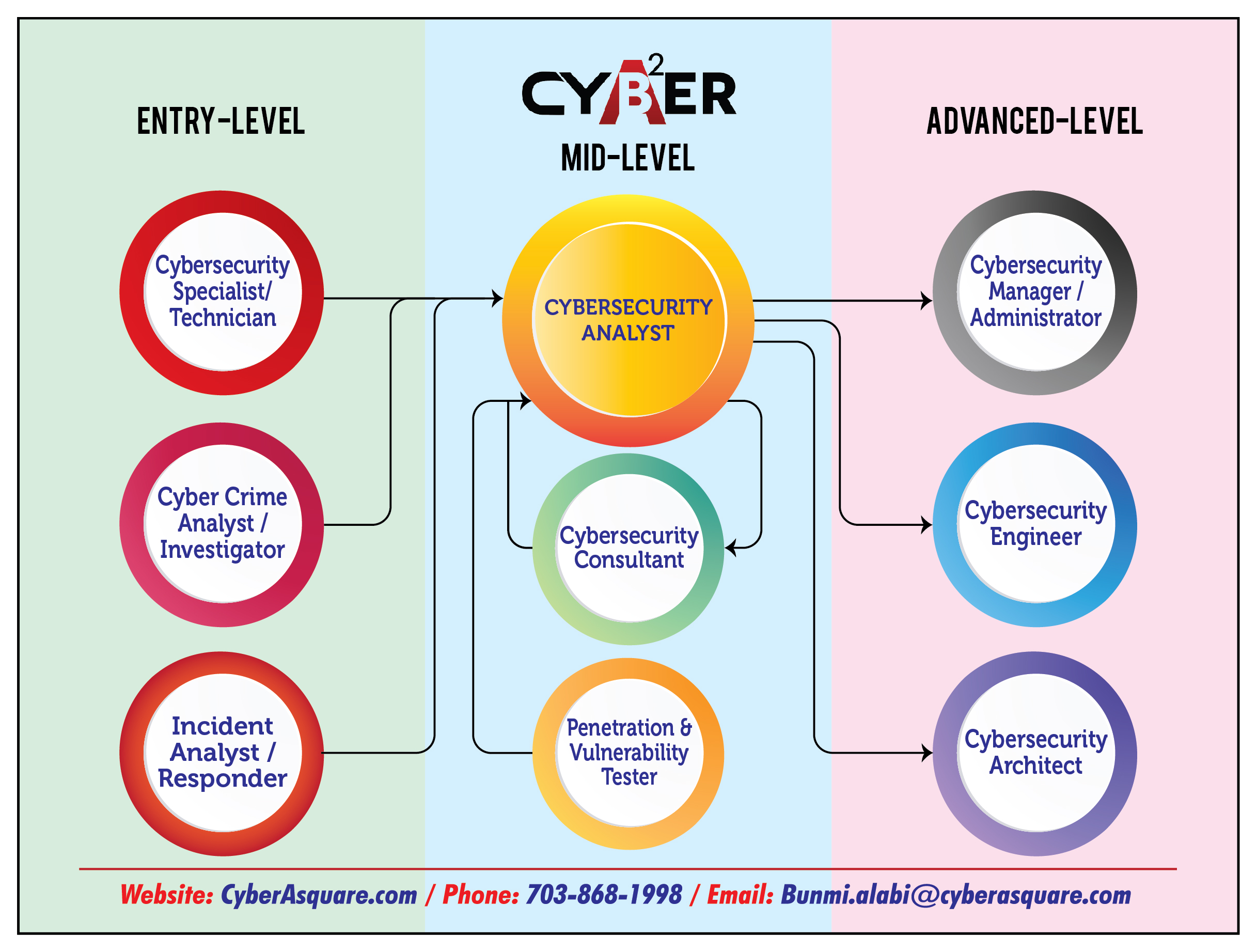
Cyber security isn’t one job; it’s a whole buffet. You’ve got penetration testing (the “legal break-in” crew), incident response (the firefighters), governance and compliance (the rule-followers who keep things legal), and cloud security (the bouncers of the internet). Start by asking yourself: do you like offense or defense? Are you a puzzle-solver or a policy nerd?
Here’s a tip: don’t buy a $2,000 bootcamp on day one. Start free. Use platforms like TryHackMe or OverTheWire—they’re like Duolingo but for hacking. You’ll learn to crack fake passwords and exploit test servers, all while feeling like a spy in a low-budget thriller. The instant feedback loop is addictive, and it costs nothing but your Saturday morning.
Step Three: Get Certifications (But Skip the Ego)
Certifications are your golden tickets, but not all are created equal. For beginners, the CompTIA Security+ is the standard “I’m not a total newbie” badge. It’s like the driver’s license of cyber—you don’t drive a Formula 1 car, but you know how to signal and park. After that, consider Certified Ethical Hacker (CEH) or OSCP if you want to go full hardcore—but don’t rush.
The real secret? Build a portfolio. Employers don’t just want to see a certificate; they want to see a blog post about how you hacked a fake bank app or a GitHub repo with your custom scripts. Treat it like a cooking show: show the process, the burnt attempts, and the final delicious payload.
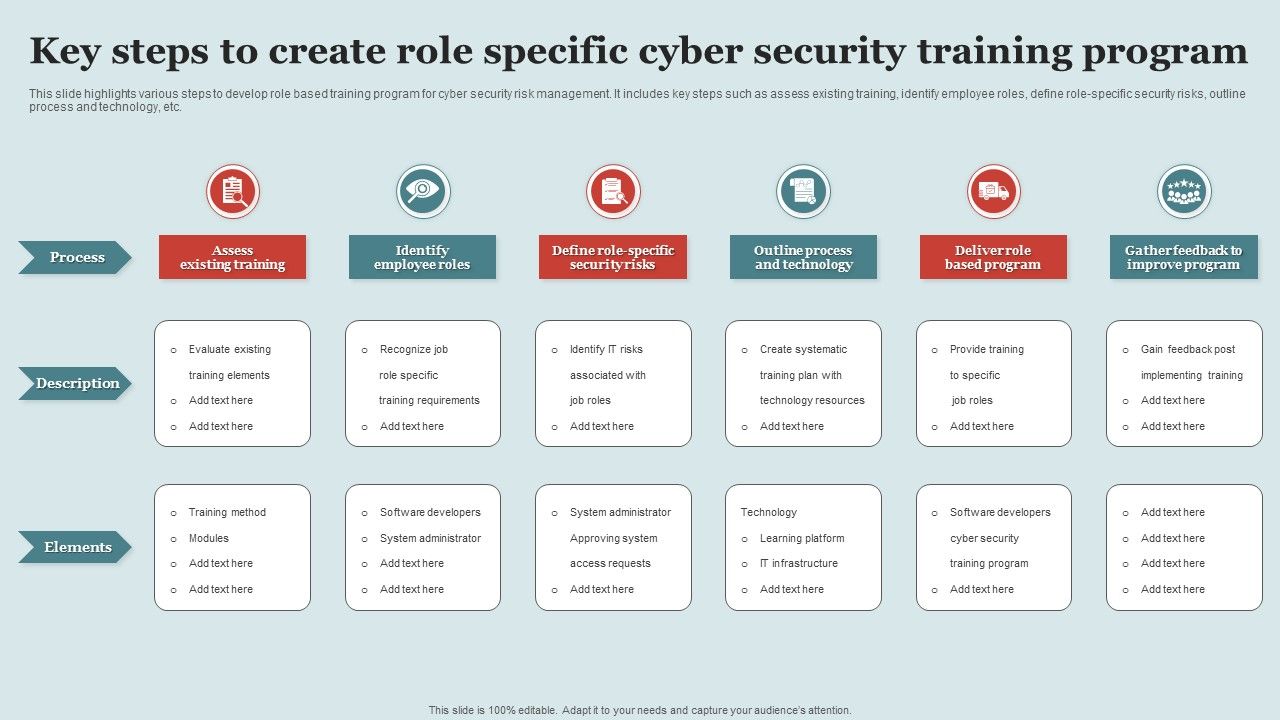
Pro Tip: Join Capture The Flag (CTF) competitions. They’re like escape rooms for nerds, and you’ll network with people who can get you a job faster than any recruiter.
Step Four: The Art of “Learning by Breaking”
Set up a home lab. You don’t need a server rack—just a old laptop and free virtualization software like VirtualBox. Download a deliberately vulnerable machine (like “Metasploitable”), and try to break into it. When you succeed, you’ll feel that dopamine rush that’s better than any latte art. When you fail, Google the error like a chaotice student the night before finals—it still works.
The key is to accept that you’ll feel overwhelmed for the first six months. That’s normal. Cyber security is a sea of acronyms (SIEM, SOAR, XDR), and your brain will go fuzzy. But here’s the thing: every pro you admire felt stupid once. The difference is they kept clicking.

Remember the scene in The Social Network where Mark Zuckerberg starts writing code at 2 a.m.? That’s not genius; that’s stubborn consistency. Channel that energy, minus the Harvard drama.
Step Five: Think Like an Average User (But Smarter)
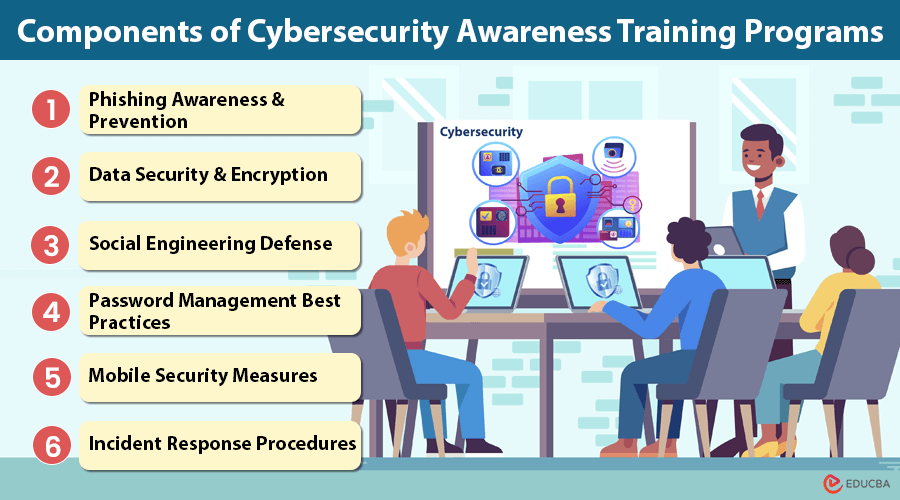
Here’s a wild truth: 90% of breaches start with a human error, not a super-genius hack. Your training should include “how to not fall for a phishing email” because you’ll be teaching this to others soon. Play with tools like PhishMe to practice spotting fake login pages. It’s disturbingly fun to see how realistic the scams are—and a great reminder to never click “free vacation” links again.
Also, get comfortable with Linux—the command line feels intimidating, but it’s just a text-based room where you have superpowers. Spend 10 minutes a day navigating directories. Within a week, you’ll feel like Mr. Robot (minus the hallucinations).
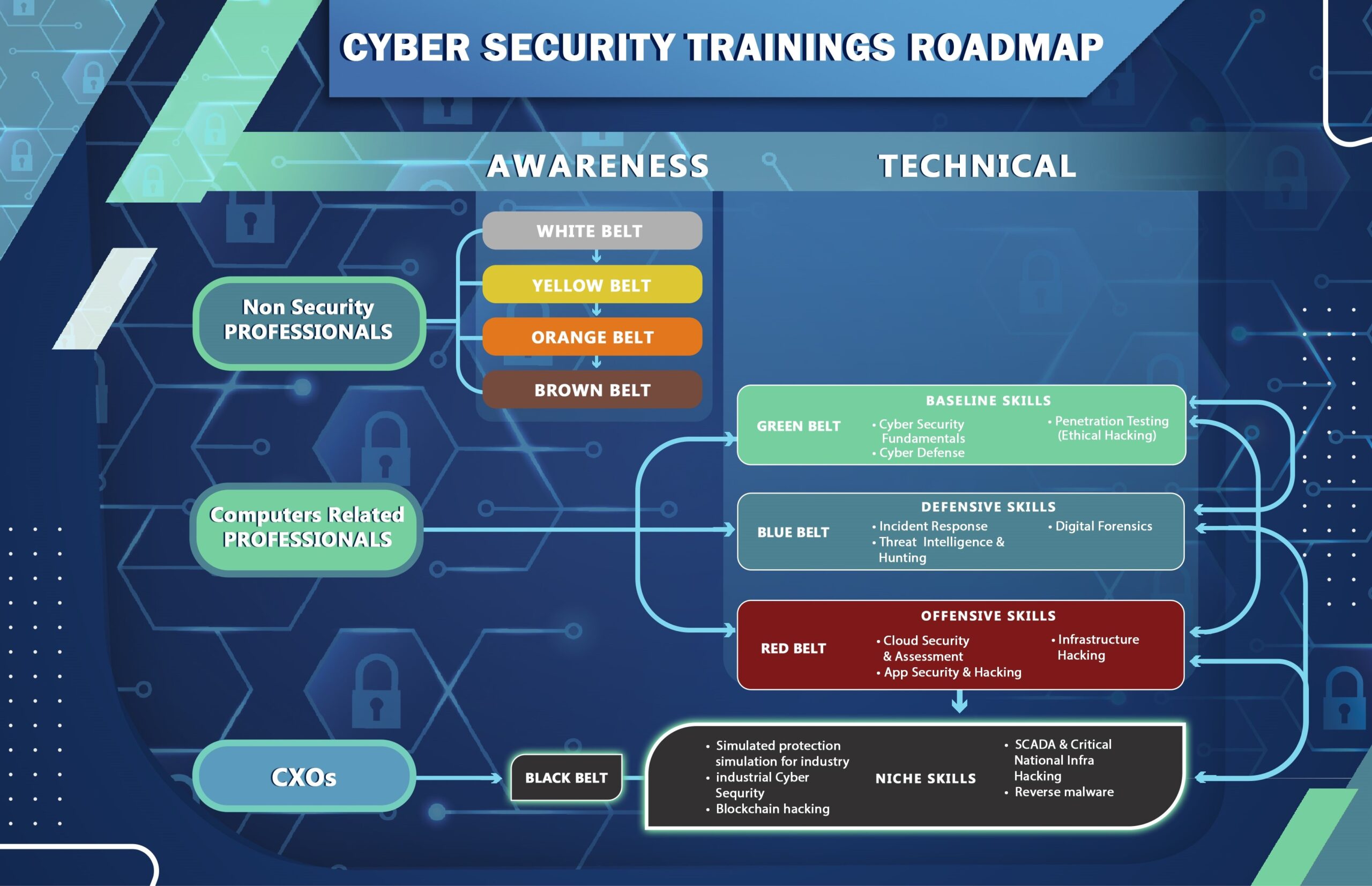
The Daily Life Connection
Here’s the gentle twist: learning cyber security changes how you live. You start locking your phone differently, using password managers, and checking your bank’s two-factor authentication like a ritual. You become the friend who reminds everyone to update their software, and honestly, that’s a kind of love.
The real lesson isn’t about firewalls—it’s about curiosity. You learn that every system has a flaw, but so do people. Patience with yourself, and with tech, is the ultimate security patch. So, go break a server, read a log, and celebrate your tiny victories. The internet is a messy place, but you’re now one of the good guys—and that’s better than any black hoodie.
Stay curious, stay humble, and always backup your files.