How To Get Started On Dropshipping
Let’s be honest: the first time you heard the word “dropshipping,” you probably imagined yourself sipping a piña colada on a beach while your phone pinged with sale notifications. You know, the same way you imagine you’ll finally organize your garage, only to find yourself staring at a box of old cables two years later. But here’s the thing—dropshipping is less like a lottery win and more like adopting a hyperactive puppy. It’s exciting, a little chaotic, and you’ll definitely clean up a few messes before it pays off.
The “I’m Not a Tech Wizard” Starter Pack
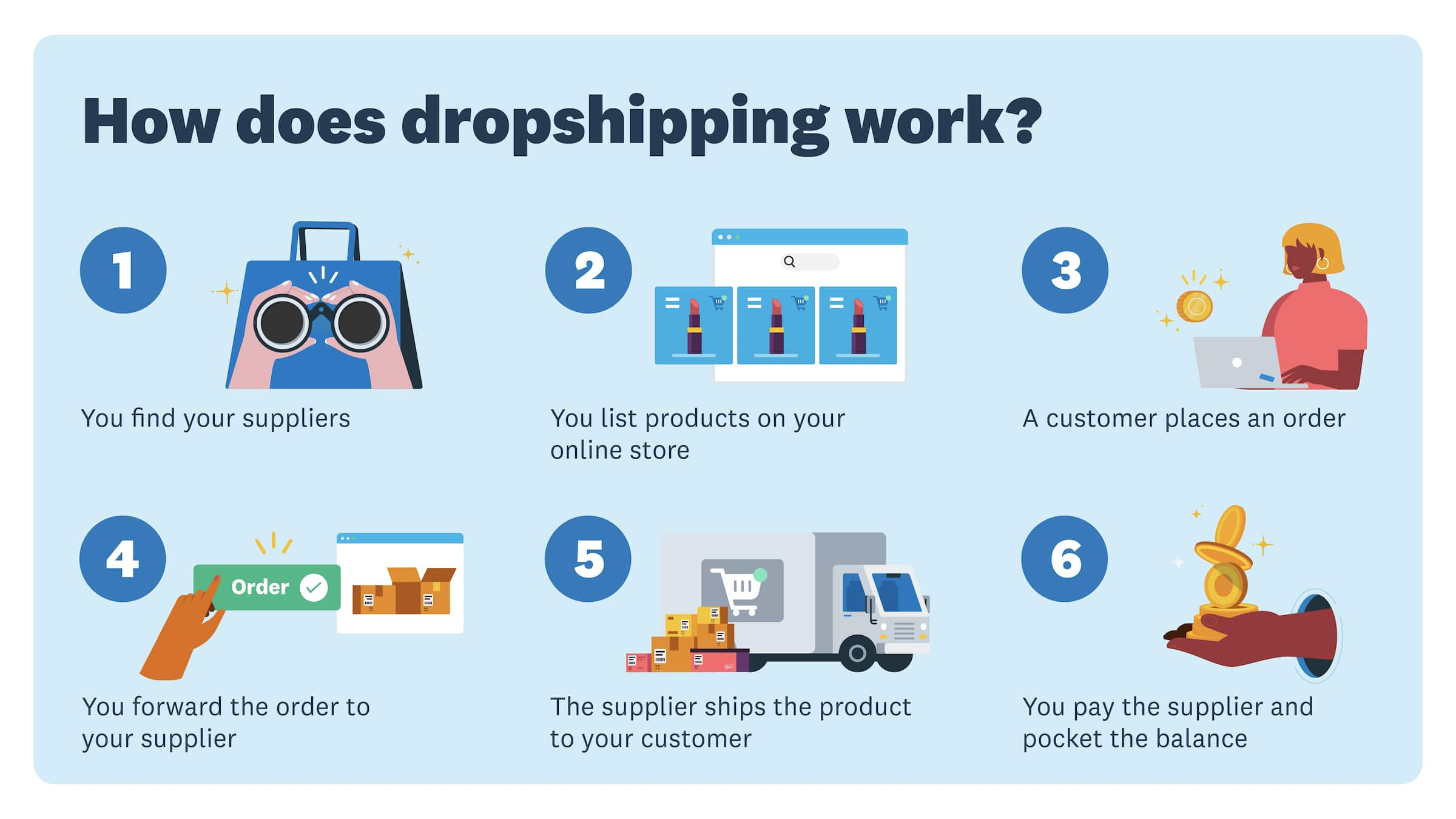
First, forget the idea that you need to be a coding genius. If you can navigate a grocery store app without calling your teenager for help, you can set up a store. Platforms like Shopify or WooCommerce are basically the Lego sets of the internet—they click together with annoying ease. You’ll spend more time arguing with yourself over your store’s name than actually building the thing.
Pro tip: Your name doesn’t matter as much as you think. “Bob’s Awesome Gadgets” will work just as well as “Luxuria Nova” if you’re selling the same fidget spinner. Don’t be that person who spends four hours on a logo that looks like a confused cat. Just pick a color scheme and move on.
Must Read
Finding Products: The “Shiny Object” Trap
Now comes the fun part—picking what to sell. This is where your brain turns into a seven-year-old in a candy store. You’ll see a portable blender and think, “Yes! Everyone needs this!” Then you’ll see a sock that cleans your floor and almost buy it for yourself. Stop right there.
You’re not looking for what you love; you’re looking for what other people are weirdly obsessed with. That’s why I call it the “kitchen drawer” test. If you’d buy it, use it once, and then shove it next to the garlic press you never touch, it’s not a dropshipping winner. Instead, look for products that solve a small, specific pain—like a back scratcher shaped like a hand or a wallet that blocks RFID. Boring? Yes. Profitable? Absolutely.
The AliExpress Rabbit Hole
You’ll end up on AliExpress at 2 AM, staring at 14 different versions of the same LED strip light. Trust me, that’s normal. One vendor has 4.7 stars, another has 4.8, and you’ll feel like you’re choosing a surgeon based on Yelp reviews. Here’s the trick: filter by orders, not just ratings. A vendor with 10,000 orders and a 4.5 rating is safer than one with 50 orders and a perfect 5.0.
And don’t forget to order a sample to yourself first. It’s a weird thrill to receive a tiny package from a factory in Shenzhen that you ordered at midnight. When it arrives, you’ll feel like a detective inspecting evidence—except the evidence is a bottle opener shaped like a narwhal. If the quality feels like a toy from a cereal box, find another product.
Setting Up Your Store Without Losing Your Sanity
You now have a product, so it’s time to make your store look less sketchy than a pop-up ad for “FREE IPHONE.” Use a clean theme, write simple descriptions, and please avoid those terrifying stock photos of people shaking hands with exaggerated smiles. Nobody buys from a store that looks like it was built in 2007.
Keep your copy light and conversational. Instead of saying, “This ergonomic keyboard enhances productivity,” try, “Say goodbye to typing like a T-Rex.” That gets a nod and a grin. Also, set up your payment system early—because there’s nothing sadder than a customer ready to buy and a “Payment method not configured” error.
The “Where’s My Package?” Panic
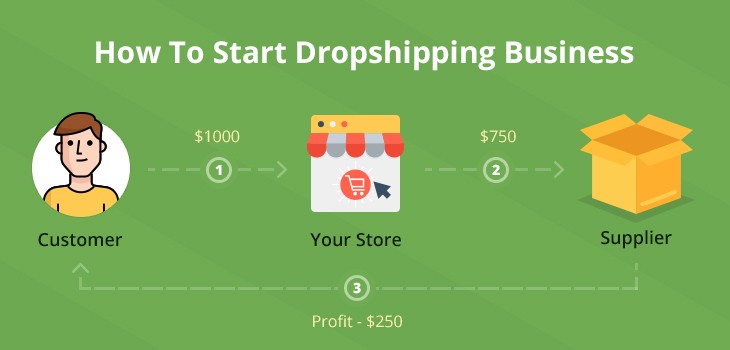
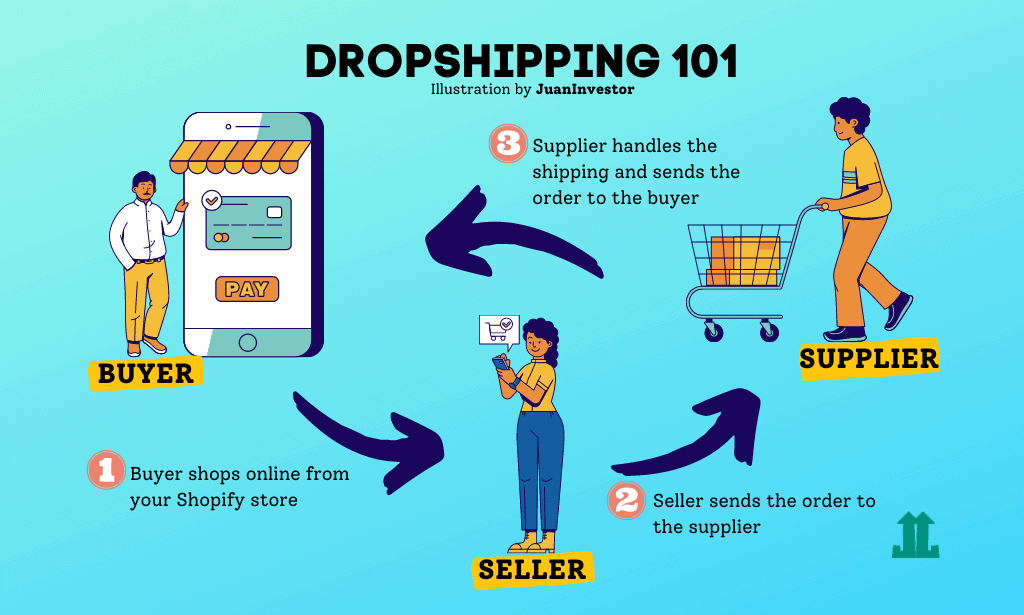
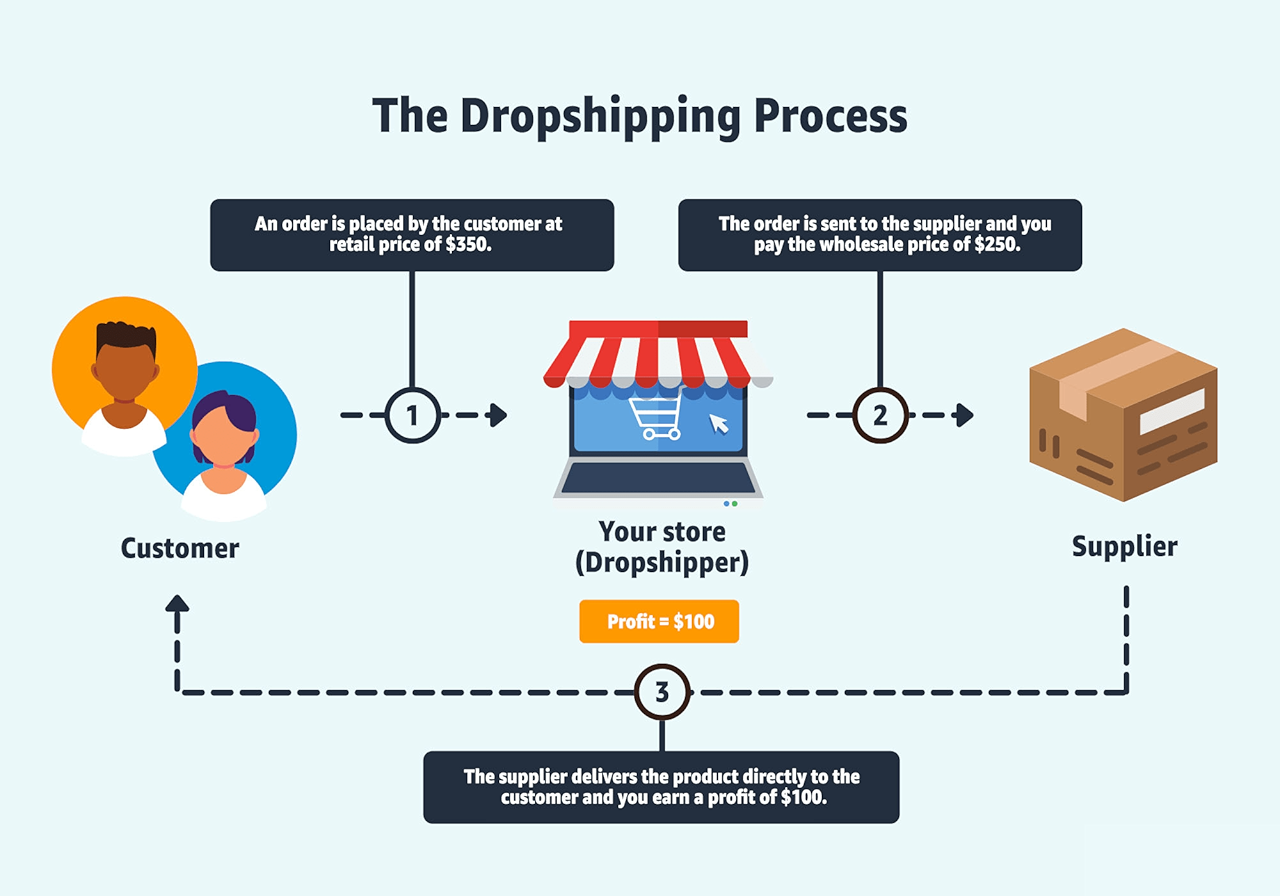
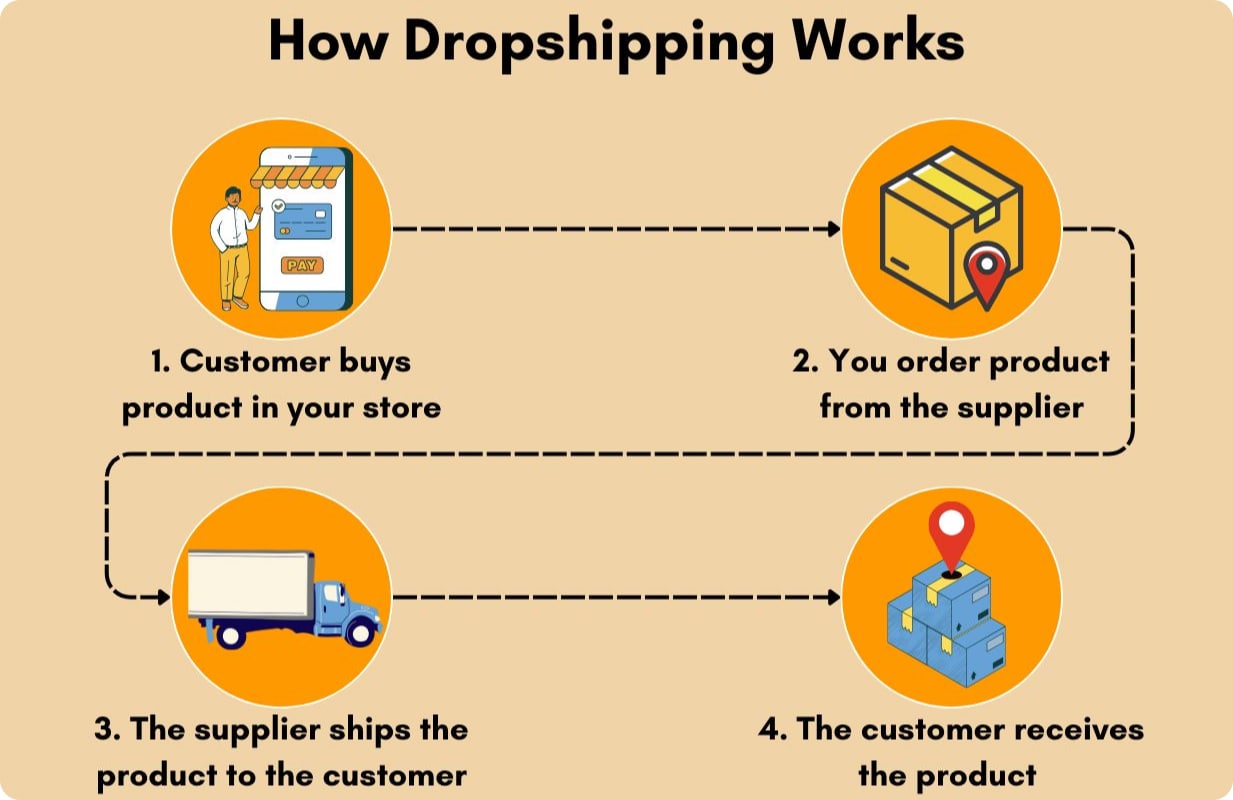
You’ll make your first sale, and for a hot second, you’ll feel like Jeff Bezos’s long-lost cousin. Then the customer emails you, “Where’s my order? It’s been 11 days!” At that moment, you’ll realize you have no idea how shipping works. That’s normal. You are now the middleman—the tiny waiter between a hungry customer and a kitchen that’s in a different time zone.
The solution is simple: set honest expectations. Tell people up front that “items ship in 5-10 business days from overseas.” Most people are fine with that, as long as you’re not pretending to be Amazon Prime. And when a package goes missing, don’t ghost them—just refund the $15 and move on. Your reputation is worth more than a cheap gadget.

The Real “Secret” (No, It’s Not a Course)
Here’s the honest truth after all this: dropshipping is not passive income. It’s more like “lots of small active tasks” income. You’ll answer emails, tweak ads, and reorder inventory when you get that exciting “out of stock” notification at 11 PM.
But that’s exactly why you should start. Because instead of dreaming about the beach while stuck in traffic, you’ll be learning something new—how to market, how to talk to customers, and how to spot a trend before it becomes a meme. You might not get rich, but you’ll get a crash course in running a business on your own terms. And that beats a garage full of old cables any day.
So go on—pick that silly product, build that little store, and let the chaos begin. Worst case? You learn a ton and have a funny story. Best case? You’re sipping that piña colada, but you’ll actually deserve it.