How To Find Someone Using Their Email

Before the dawn of the social media age, before the term “catfish” entered our vernacular, and long before a selfie could confirm a stranger’s identity, there was a simpler, yet far more mysterious, digital artifact: the email address. In the late 1990s and early 2000s, an email address was a portal to a person’s soul, or at least to their AOL Instant Messenger away message. It was a string of characters—often a bizarre amalgamation of a nickname, a birth year, and a favorite band—that held the key to a person’s identity. To find someone using their email back then was a primitive ritual. You would type that address into the search bar of a now-defunct platform like Classmates.com or Friendster, hoping against hope that they had bothered to upload a pixelated, low-resolution photo of themselves. The act was fueled by a desperate, nostalgic human necessity: reconnecting with a high school sweetheart, tracking down a college roommate, or simply proving to yourself that the person who sent you that cryptic, late-night forwarded chain letter was actually real. It was a time of dial-up screeches, waiting endlessly for images to load, and the sheer, heart-pounding thrill of typing in that address and pressing “Enter,” not knowing if you’d find a goldmine of information or a digital void.
The initial methodology was crude and laborious. It was the digital equivalent of looking through a phone book, but infinitely less reliable. You would copy the email address, paste it into a search engine like AltaVista or Excite, and sift through pages of irrelevant links, hoping for a hit. If you were savvy, you might head to a site like “AnyWho” or a niche “people finder” that promised to reverse-search an email for a fee, a service that usually yielded nothing more than a confirmation that the address was active. The human necessity behind this was not about surveillance or stalking; it was about connection. It was about finding a ghost from your past to rekindle a friendship, or verifying that a potential date was not, in fact, a 40-year-old man living in his mother’s basement. The scarcity of information made the pursuit feel like a treasure hunt, where the prize was a simple, human confirmation: “Yes, this person exists, and they are who they say they are.” It was an era of profound digital innocence, where we believed that the internet could bring us together, one cryptic email address at a time.
Consider the profile pages of that era. On MySpace, your email address was often a gateway to your entire musical taste, your top friends list, and your mood—usually “Content” or “Sleepy.” Finding someone using their email meant you could piece together a narrative from the fragments of their profile. You could see their favorite Quentin Tarantino movie, the song they had on repeat, and the cryptic, emotionally charged bulletins they posted at 2:00 AM. It was a deeply personal, almost anthropological, study of a person, conducted through the static-heavy lens of a CRT monitor. The process was romanticized in its clunkiness. Waiting for a profile to load gave you time to imagine the person behind the screen. The anticipation was part of the magic. This pre-social-network era was the Wild West of the internet, and the email address was the rusty but trusty compass we used to navigate it, often getting lost, but always driven by that intrinsic human need to know who is on the other side of the wire.
Must Read
The Digital Archaeology of the 2000s: From Static Pages to Social Graph Spelunking
The mid to late 2000s brought about a seismic shift in how we tracked people down. The rise of Facebook, LinkedIn, and Twitter turned the internet from a collection of isolated, static web pages into a dynamic, interconnected web of social graphs. Suddenly, finding someone using their email was no longer a long-shot lottery ticket; it became a plausible, albeit still imperfect, science. The introduction of Facebook’s “Suggest Friends” feature, which used your imported contacts to find people, was a game-changer. If you had an email address, you could upload your entire contact list, and the platform would magically match those strings of text to real, living, breathing profiles. This was the era of the “friend request sent, finger tapping nervously on the desk” ritual. A single email address could unlock a person’s entire network of friends, their relationship status, their job history, and their photo albums. The transformative moment was arguably 2010, when Facebook mandated real names across the platform. This solidified the email address as the ultimate key to a person’s authentic identity. The whimsical, coded usernames of the past were decrypted, and the person was now nakedly exposed in a digital town square.
But with this power came a peculiar set of bizarre, forgotten behaviors. This was the era of the “stumble-upon” where you’d enter an email address only to be greeted by a profile with a default silhouette and a privacy setting so tight you could only see their name and profile picture. We developed workarounds that now seem almost laughably archaic. We would take the email address, guess the person’s name, and then search for them on MySpace, sifting through thousands of “Jessica Smiths” to find the one whose astrological sign matched the birth year hinted at in their email. We used “Spokeo” and “Pipl” in their nascent stages, often getting paywalled after seeing a tantalizing snippet of data. There was a strange, unspoken etiquette around this digital archaeology. In 2005, finding someone’s email and using it to find their personal blog was considered the height of digital sleuthing, but sending them a message that revealed you had done so was a social faux pas of epic proportions. It was the equivalent of reading someone’s diary out loud. The vintage facts of this era are full of these unwritten rules—rules that were constantly being broken as we all tried to grapple with the new, boundary-less reality of the social graph.

The tools themselves were primitive by today’s standards. Search engines like “Kenshoo” and “Zabasearch” provided a glimpse into the world of public records, but they were slow, clunky, and riddled with outdated information. We learned to cross-reference data points: the email might link to an old eBay account, which might reveal their shipping location, which might lead to a Yahoo! Groups membership for a local hobby. It was a game of digital hopscotch. There was also a specific, bizarre trend of using “invisible” techniques, such as adding an email address to Skype’s “Find a Contact” feature, hoping to see the person’s real name and location pop up. We were essentially hacking the system, bending the primitive infrastructure to our will. The excitement of this era was palpable—every small victory felt like a major breakthrough in personal reconnaissance. The forgotten reality is that this was a time of tremendous distrust as well. We all knew, deep down, that if we could find someone this easily, they could find us too, and that realization fundamentally changed how we curated our online personas.
This period also saw the rise of the “reunion” industry, driven by these new capabilities. Websites like “Classmates.com” had been around for a while, but they were now being bolstered by the data-rich profiles of social media. People began to fear the “digital dirt” they had left behind in the mid-2000s—those embarrassing Facebook photos tagged with the wrong email or the LinkedIn profile that linked to a defunct, wacky personal website. The act of finding someone using their email became a negotiation between the past and the present. You could dig up who they were versus who they claimed to be. It was a bizarre, often anxiety-inducing, existential exercise. We were no longer just finding people; we were analyzing their digital palimpsest, scraping away the layers of updates and check-ins to find the core identity hidden beneath. The quaint, simple hunt of the late 90s had evolved into a sophisticated, data-mining operation that we carried out from the comfort of our beanbag chairs, fueled by Red Bull and a burning, voyeuristic curiosity.
Hacking the Legacy: The Modern Alchemy of Identity Verification
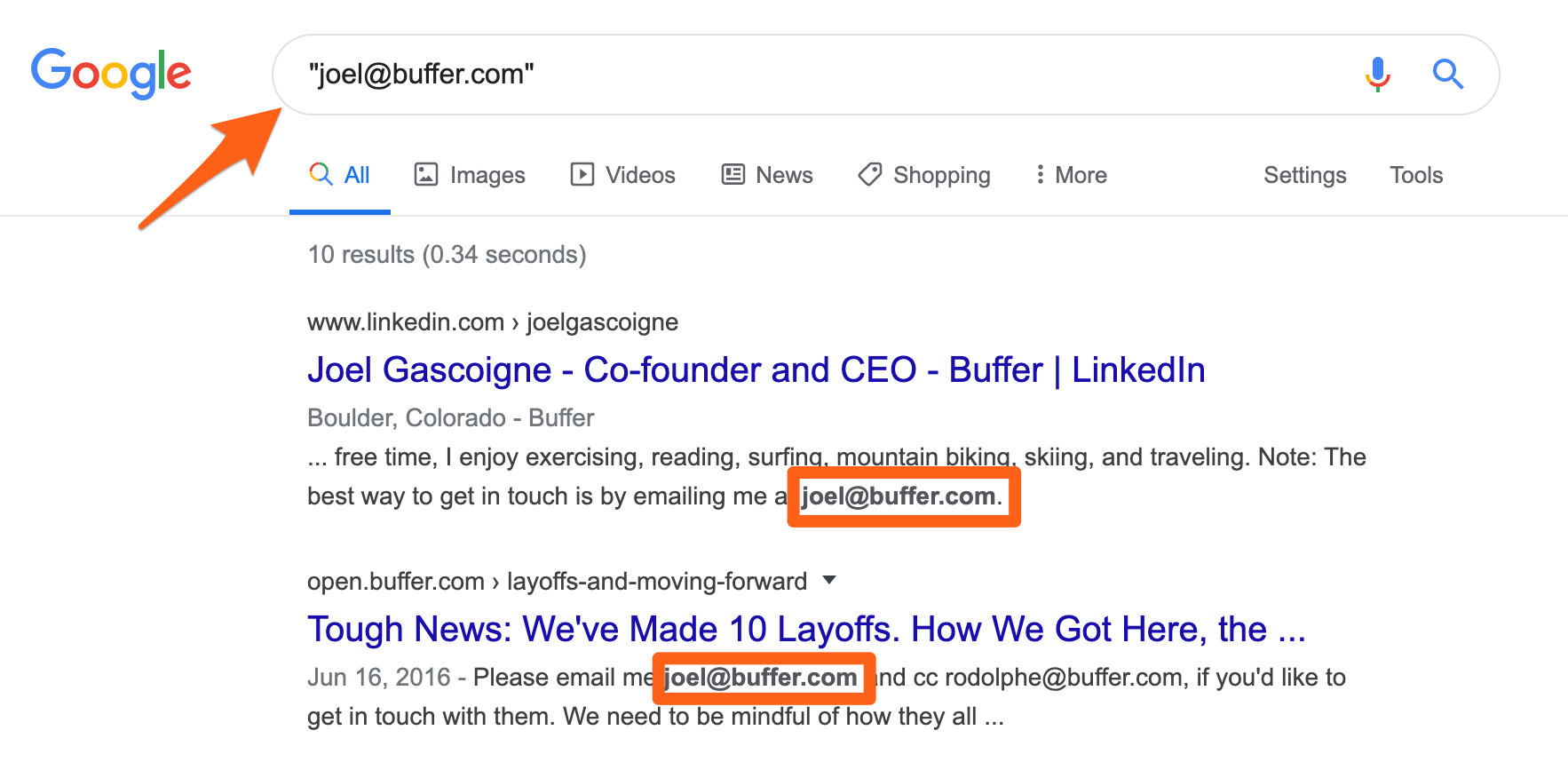
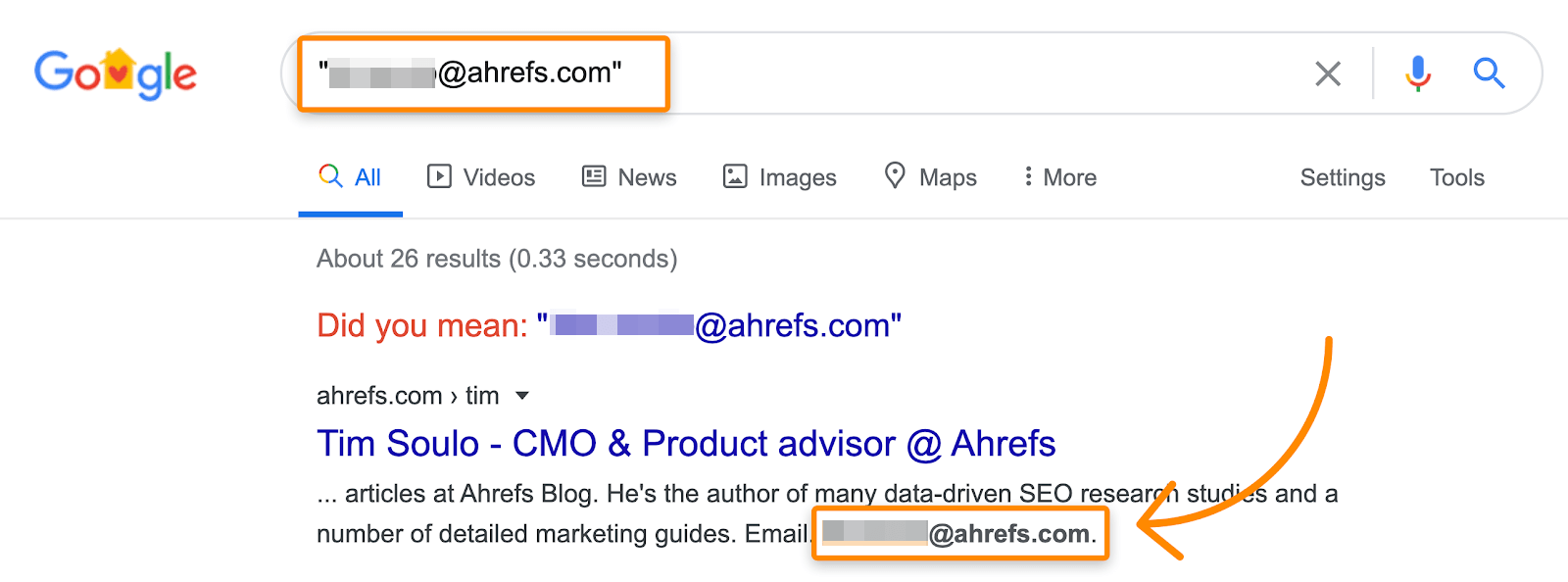
Fast forward to today, and the classic principle of “finding someone via email” has been completely subverted and modernized. We no longer search for the person; we search for the data attached to the person. In the last decade, the email address has morphed from a point of discovery into a primary key for digital identity verification. Services like “Hunter.io” and “Clearbit” use the email format to generate professional leads, while consumer apps like “RocketReach” and “BeenVerified” hack the ancient principle of the search to compile a comprehensive dossier in seconds. The modern “hack” is not about finding a social profile, but about verifying a person’s authenticity in a fast-paced world. We use email hashing to match users across platforms without actually sharing the email address itself—a cryptographic evolution of the old “search bar” days. When you receive an email from a potential business partner, you don’t just google the address; you run it through a background check service that cross-references criminal records, social media flags, and financial history. The slow, romantic hunt of the 90s has been replaced by an immediate, algorithmic response.

This modernization is driven by a new necessity: safety and trust in a fragmented digital landscape. We are overwhelmed with communication channels—Slack, WhatsApp, Discord, Telegram—and the email address remains the lone, stable root identifier. The modern “hack” is the ability to take an email address and instantly see a unified profile of a person’s digital footprint, often without them even knowing. This is a far cry from the dial-up days. Today, using an email to find someone is less about stalking and more about due diligence. We are protecting ourselves from scams, fraud, and “catfish” scenarios that plagued the early 2000s. It is a pragmatic, almost cynical, evolution. The warmth of wondering has been replaced by the cold, hard data of verification. Yet, the core principle remains identical: we all still crave the certainty of knowing who is on the other side of the screen. We’ve just built faster, more invasive, and infinitely more powerful engines to give us that answer, stripping the mystery away in favor of a comprehensive, digital biography.
Frequently Asked Questions from the Digital Frontier
1. Is it actually legal to find someone using their email address?
Legality has always been a shadowy gray area. In the early days of the internet, the mid-1990s, there was a general rule of “opt-out,” meaning that unless a website explicitly forbade it, you could use the data you found. However, with the advent of the General Data Protection Regulation (GDPR) in 2018 in Europe and the California Consumer Privacy Act (CCPA) in 2020, the legal landscape shifted dramatically. Historical myths suggested that any “publicly available” email was free game, but the modern fact is that privacy laws treat an email address as personal identifiable information (PII). You can legally use an email to find a person’s public professional or social profile—that’s simply looking up public data. However, using that email to access private data, scrape hidden profiles, or purchase a full background check without a permissible purpose (like hiring or housing) is illegal in many jurisdictions. The bridge from the past to now is a concept called “legitimate interest,” where the legality hinges on why you are searching. If your intent is to reconnect or verify a business deal, it’s mostly fine. If it’s for targeted harassment, you are crossing a serious legal line.
Furthermore, the act of finding someone is different from the method. Using a paid “people search” site often involves a Terms of Service agreement that bounces the legal responsibility onto you. In the 2000s, we were naive, assuming that if a website gave you the information for free, it was legal to use it. Today, we know that these sites are often scraping data from public sources, but the onus is on the user to ensure they don’t use the data to violate a person’s “reasonable expectation of privacy.” For example, digging up a person’s home address from an email and posting it publicly is now a crime called “doxxing,” which carries severe penalties. The nostalgic idea that the internet is a lawless frontier has been replaced by a complex web of international regulations. The golden rule now is: if you find someone, you are responsible for how you treat that information, and the law is increasingly weighed in favor of protecting the person on the other end of the email string, a stark contrast to the laissez-faire attitude of the early net.
2. Why do people search for others using email instead of just social media search bars?
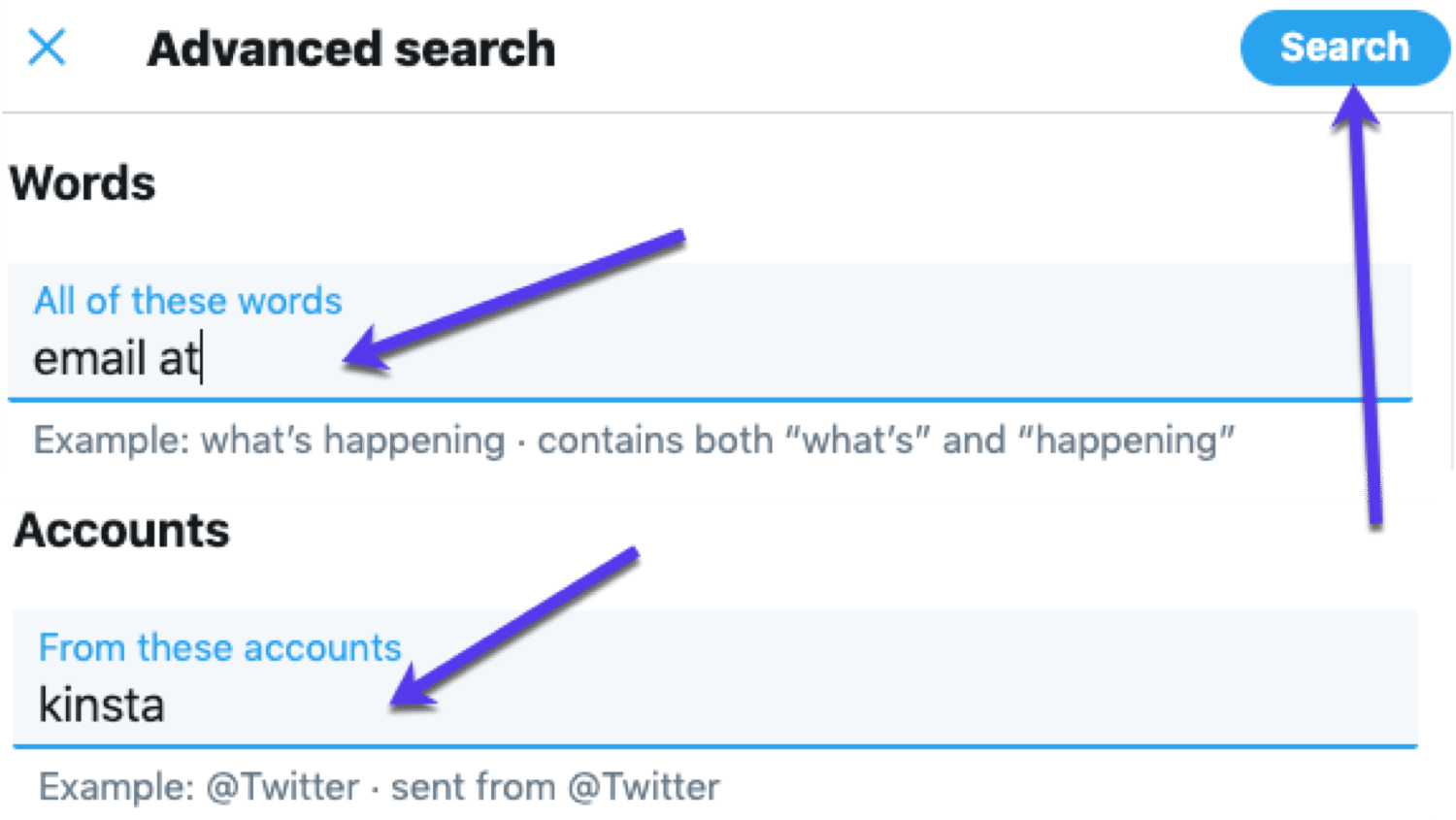
The simple reason is that social media search bars are flawed and intentionally obscure, designed to keep you on their platform. In the early 2000s, before algorithms took over, you could search a name and get a chronological list of everyone with that name on MySpace. But as platforms grew, they gatekept their data. Searching for “John Smith” on Facebook yields thousands of results, many without profile pictures. However, an email address is a unique, 100% exact match. When you type an email into a search tool, you are bypassing the algorithmic noise and getting a direct hit to the singular account that owns that address. This is because the email is used as the backend identifier, the login, even if the user changes their display name. The social media search bar works by name and mutual friends, which is guesswork; the email search works by exact cryptographic or database match, which is certainty.
Historically, we didn't understand this. People used to manually type their name into Google, hoping to find their own profile. The shift occurred around 2012 when Facebook’s “Graph Search” began to allow queries like “People who live in Seattle who like The Beatles,” but it still didn't allow you to directly input an email. This is why independent tools thrived. People who want to find an ex-partner, a biological parent, or a scammer don't want to wade through a sea of look-alikes. They want to go straight to the source. The email address is the ultimate shortcut, a metadata key that unlocks the actual identifier. It’s the difference between searching a library by its Dewey Decimal System (confusing) and just having the exact ISBN number of the book you want (the email). It is the most efficient, reliable method of bypassing the "public" facade of social media to reach the underlying, verified account.
3. Can you find a person’s complete identity (like their exact street address) with just an email?
This is a question that perfectly straddles the line between historical myth and modern reality. In the late 1990s, the answer was a resounding “no.” An email address gave you nothing but a username and a domain. You could send them a message and ask, but the technology was not there to connect the dots. However, in the 2000s, with the rise of data brokers, we began to see services that claimed they could link an email to a physical address. The myth was that if you paid $10, you’d get a god’s-eye view. The reality was that these services often provided outdated, incorrect information, usually pulling from old white pages or utility bills from years ago. Fast forward to today, and the answer is technically “yes,” but with severe caveats. Modern data brokers like Spokeo or BeenVerified have compiled billions of records, cross-referencing email addresses with e-commerce shipping data, loyalty program sign-ups, and even public court records. A highly accurate email search can indeed return a street address, usually the billing address linked to a PayPal or Amazon account used by that email.
But the modern fact is that this data is often “decorrelated” or “hashed” to protect privacy. There is a cat-and-mouse game between data brokers collecting it and privacy laws scrubbing it. For the average person, using a standard web search to find a physical address from an email is nearly impossible. You will get professional addresses, maybe a P.O. Box, but not a home address unless the person has been incredibly careless with their digital footprint. In the past, we were careless with our data, and the brokers took advantage. Today, the infrastructure is so complex that while the data exists, it is heavily siloed, fragmented, and often behind paywalls that require “membership” and “verification” of your own identity. So, while it is possible in a technical sense, it is not an easy, one-click operation. It is a lie pushed by sketchy websites. The truth is that the email is the key to the front door, but the door to the physical house is still locked by privacy laws and fragmented databases, a far cry from the simple, open digital frontier of our youth.
Looking towards the next two decades, the concept of “finding someone via email” will become entirely redundant, yet far more profound. As we move into an era of decentralized identity, where we will likely use cryptographic wallets or biometrics instead of email addresses, the email will become an artifact of the past, much like the floppy disk. The future will not involve searching for a person; it will involve verifying a moment they were there. We might use AI-driven agents that can converse with other AI agents to cross-check a person’s claims, or we will use zero-knowledge proofs to confirm that a person is who they say they are without ever revealing their email or name. The nostalgic act of typing an email into a search bar will be remembered as a charming, clunky ritual of the early Digital Age, akin to developing film in a darkroom. The mystery will be gone, replaced by instantaneous, cryptographic trust. We will look back at this era of "searching" the way we look back at mailing letters—with a fondness for the wait and the anticipation.
Yet, arguably, in losing the mystery, we will lose a core part of human connection. The hunt, the thrill of the chase, the possibility of failure—these were the emotional currencies that made finding someone so rewarding. In the future, that tension will vanish. We will have the ability to find anyone, instantly, with perfect accuracy, but we will also be more exposed, more fragile. The great challenge of the next 20 years will not be how to find someone, but whether we should. The ethical architecture of the internet will have to shift from a culture of "find and expose" to a culture of "connect and protect." The email address, once a wild, untamed beacon of personal identity, will ultimately be tamed, reduced to a historical footnote in a broader narrative about how human beings struggle with intimacy and truth in a digital world. The longing to connect will remain, but the methods, and the magic, will change forever, leaving us to wonder if the ease of finding everything might, paradoxically, make us lonely for the days when we had to search for a little while longer.