How To Dress As An Overweight Man
So there I was, ankle-deep in the return line at a department store, clutching a pair of jeans that had betrayed me. The tag said “42” and the fabric said “nope, not today, fatty.” I’d spent twenty minutes wrestling with the zipper, doing that little hop-squat dance, only to realize the button was having a laugh at my expense.
It was in that fluorescent-lit purgatory that I had an epiphany: the fashion world wasn’t built for us. It’s built for mannequins with zero body fat and even less personality. But here’s the thing—you don’t need to be a size 32 to look sharp. You just need a game plan that respects your actual shape, not the shape some designer thinks you should have.
The Myth of “Hiding” It
First things first, let’s kill the biggest lie in men’s fashion: that baggy clothes make you look smaller. They don’t. They make you look like a tent with anxiety. I know, I know, you want to hide the belly, but trust me—an oversized shirt just adds ten pounds of visual fluff to your frame.
Must Read
Instead, the goal is structure. Think of your clothes as architecture, not blankets. A well-fitted shirt that skims your body—not clings, not billows—does more than any “slimming” trick. It gives you clean lines, and clean lines read as “confident,” not “concealing.”
And please, for the love of all that is holy, don’t buy the size you wish you were. Buy the size that fits your shoulders and chest right now. The tag is a secret between you and the laundry machine. Nobody else cares.
The Holy Trinity: Shoulders, Chest, Waist
As an overweight man, your best assets are usually your shoulders and chest—if you’re built like a bear, lean into it. The trick is to emphasize the top and soften the middle.

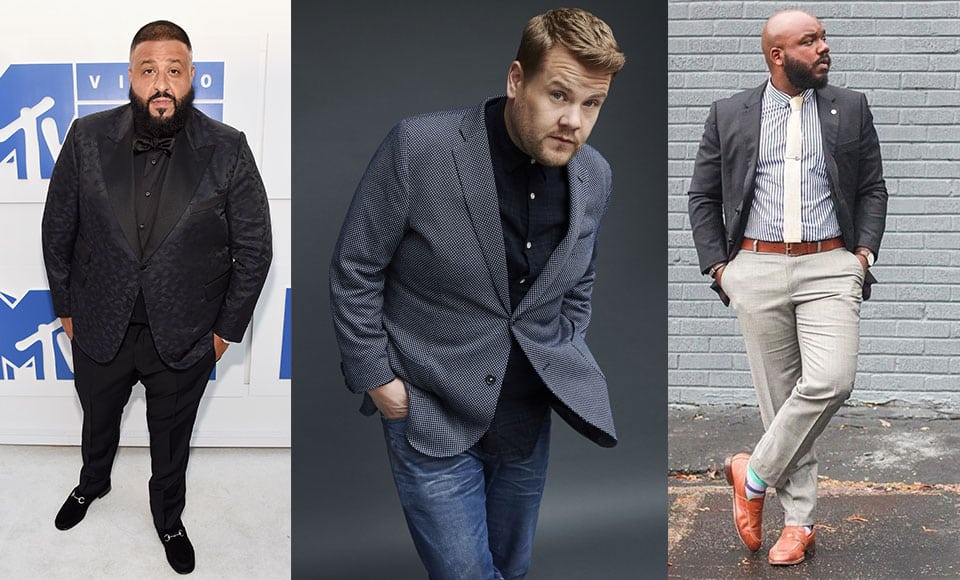
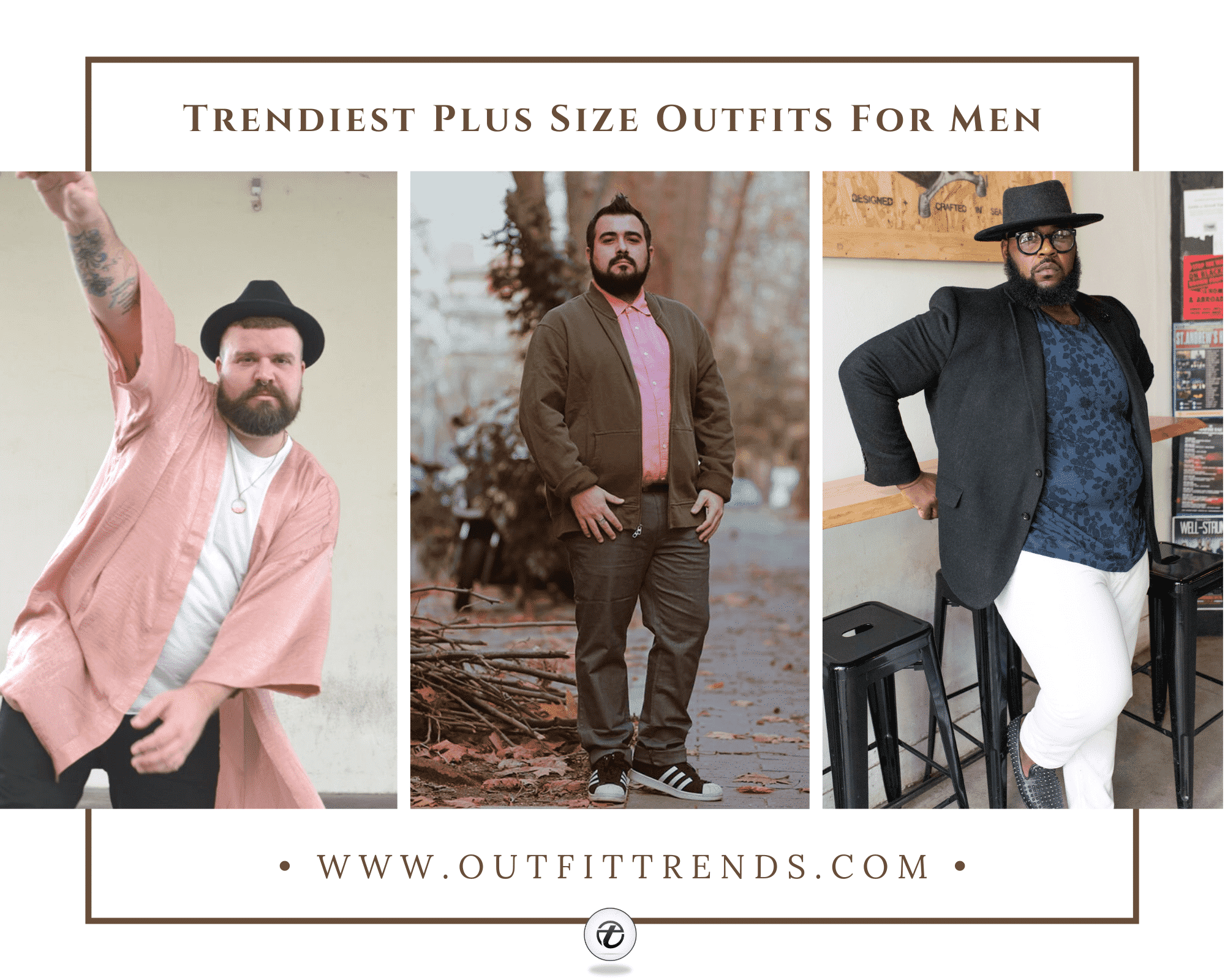
Look for jackets and blazers with a bit of padding in the shoulders. A structured shoulder line creates a V-taper illusion, which magically makes your midsection look less prominent. It’s not magic, it’s geometry, but it feels like magic.
Now, the waist—this is where men mess up. You don’t want high-waisted pants that create a muffin top, but you also don’t want low-rise jeans that expose your rear cleavage when you bend over. (Yes, I’ve seen it. We all have. Stop it.) Aim for pants that sit at your natural waist, not above it, not below it. That’s the sweet spot where your gut doesn’t spill over.
And here’s a pro tip: invest in a good belt. Not a flimsy one—a thick, leather belt that anchors your outfit. It gives your eye a place to stop, breaking up the horizontal expanse of your belly. You’re welcome.
Fabric Is Your Frenemy
Let’s talk about the stuff your clothes are made of. Avoid stiff, shiny polyester like it’s a toxic ex. It clings to every lump and reflects light in all the wrong ways. You know the look—like a human disco ball with a beer gut.

Instead, go for soft, matte, and slightly stretchy fabrics. Cotton jersey, brushed flannel, or a bit of spandex in your chinos gives you movement without cling. They drape over your curves instead of fighting them.
But here’s the kicker: check the weight of the fabric. A thin, flimsy t-shirt will highlight every roll. A heavier, quality knit will smooth things out. It’s like the difference between a bed sheet and a blanket—one shows the lumps, the other covers them.
Patterns, Stripes, and the Optical Illusion
Vertical stripes are your friend. Horizontal stripes? They’re that cousin who always starts drama at Thanksgiving—avoid them. Vertical lines draw the eye up and down, not side to side, which makes you look taller and leaner.
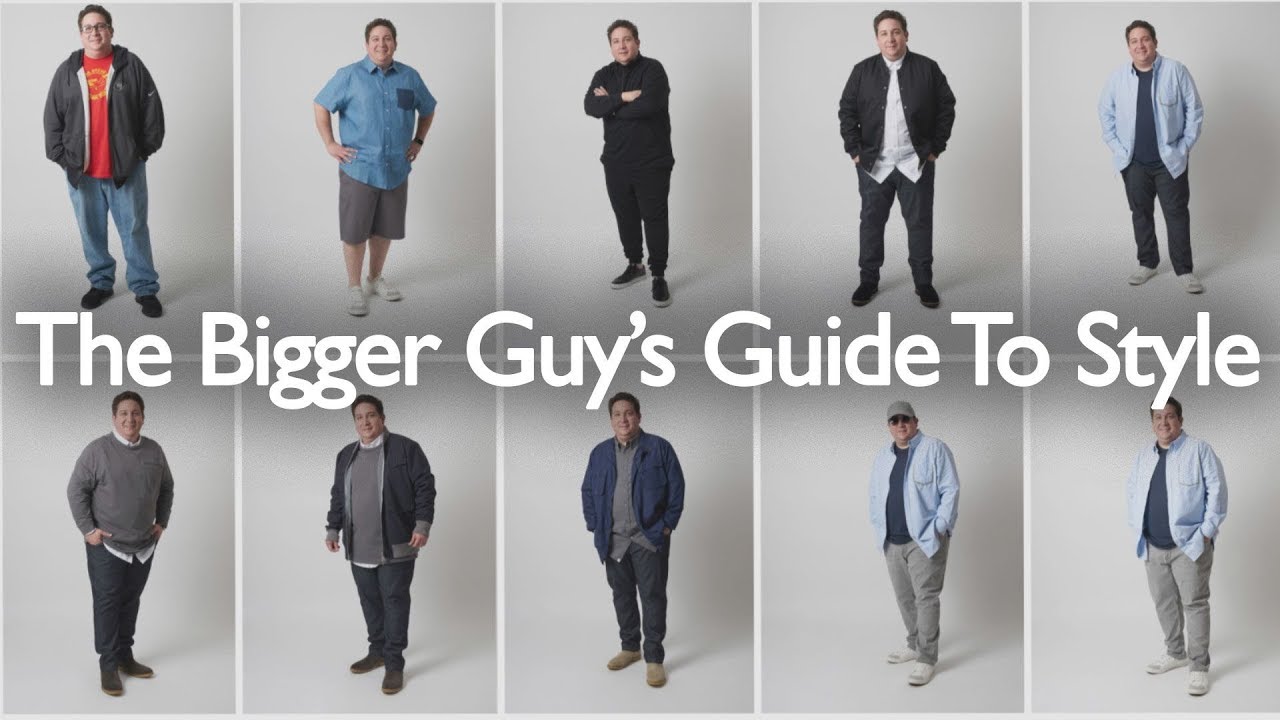
Plaid and checks? Sure, but keep them subtle. Loud, giant buffalo checks will make you look like a picnic table. Small, muted patterns are fine, but solids are your safest bet for the middle section of your body.
Color matters too—dark colors don’t “hide” fat, but they do recede, which is helpful. A dark navy or charcoal jacket over a lighter shirt creates contrast that frames your face. Don’t wear head-to-toe black unless you’re going to a funeral or a mime convention.
The Bottom Half: Pants and Fit
Okay, let’s get down to the lower half. Never, ever wear pleated pants. Pleats add bulk where you need it least—right at the hips and belly. Go for flat-front pants instead. They’re sleek, modern, and don’t shout “I’m carrying a spare tire.”
Cut is everything. Bootcut or straight-leg is golden—they balance out a wider waist. Skinny jeans? Only if you want your thighs to scream for mercy. And please, please get your pants hemmed properly. A slight break at the shoe looks sharp; a pool of fabric at your ankles looks like you lost a fight with a flood.
And one more thing—your underwear. Wear boxer briefs, not loose boxers. Loose boxers bunch up and create weird lines under your trousers. Trust me, nobody wants to see the outline of a crumpled undershirt down your leg.
The Final Piece: Attitude
You can wear the most meticulously chosen outfit on earth, but if you slouch and look miserable, it won’t matter. Posture is the cheapest accessory you’ll ever own. Stand up straight, pull your shoulders back, and let the fabric do its job.
And don’t be afraid to ask for help. A good tailor is worth their weight in gold—they can taper a shirt, adjust a waistband, and make off-the-rack stuff look bespoke. Go get measured. It’s not admitting defeat; it’s called being smart.
Look, I still have bad days. I still try on a shirt that makes me look like a stuffed sausage and feel like a fraud. But now I know why it doesn’t work, and I move on. Dressing well as a bigger guy isn’t about pretending you’re not bigger—it’s about dressing the body you have, with respect and a little bit of swagger. And that’s a size that always fits.