How To Dial A International Number
Okay, let’s be real for a second. You’ve got a friend in London, a client in Tokyo, or maybe a long-lost pen pal in Sydney, and you’re staring at your phone like it’s a alien artifact. Dialing internationally feels like a secret handshake that everyone else was taught but you. Don’t sweat it. It’s honestly easier than remembering your Wi-Fi password.
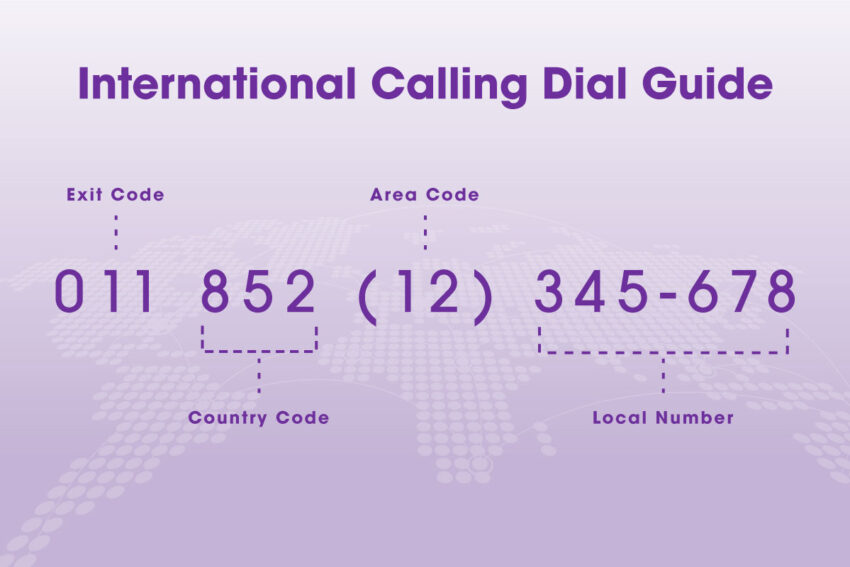
First things first, you need to ditch the usual “area code” mindset. You’re not just calling across town; you’re launching a digital paper airplane across the ocean. The magic starts with the exit code, which is your country’s passport out of the local phone system. If you’re in the US or Canada, that’s 011. Simple, right? It’s like saying “operator, open the gates!”
Grab Your Passport: The Exit Code
Now, for my American friends, 011 is your golden ticket. But wait, what if you’re in the UK, Australia, or anywhere else? You’ll punch in 00 instead. It’s like the international community agreed on a cool secret signal, but then everyone around the world changed the secret a little bit. Honestly, a quick Google search for “your country exit code” is your best friend here, because we don’t want you yelling into the void.
Must Read
Think of the exit code as pressing the “eject” button on your local line. Without it, your call just bounces off the walls of your own country and dies. And nobody wants that. It’s the most important little number you’ll forget, so maybe write it on your hand. Write it on a sticky note. Tattoo it on your brain.
Next Up: The Country Code, Not a Secret Handshake
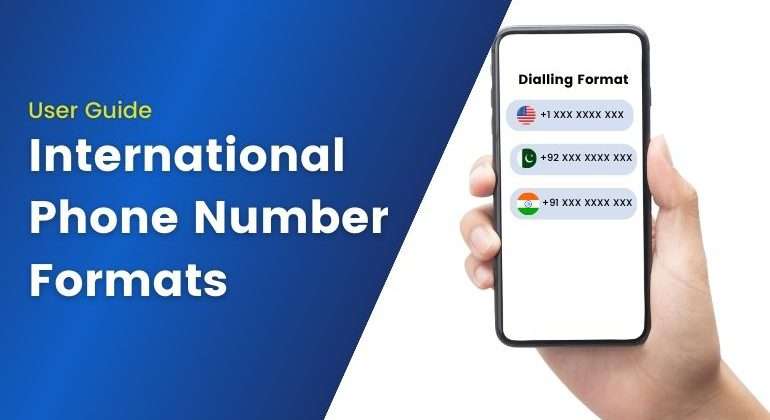
Once you’re out, you need to tell the phone system which country to look for. That’s the country code. This is a shorter number, usually one to three digits. For example, the UK is 44, Japan is 81, and Australia is 61. It’s not a secret, I promise; it’s just geography for your phone.
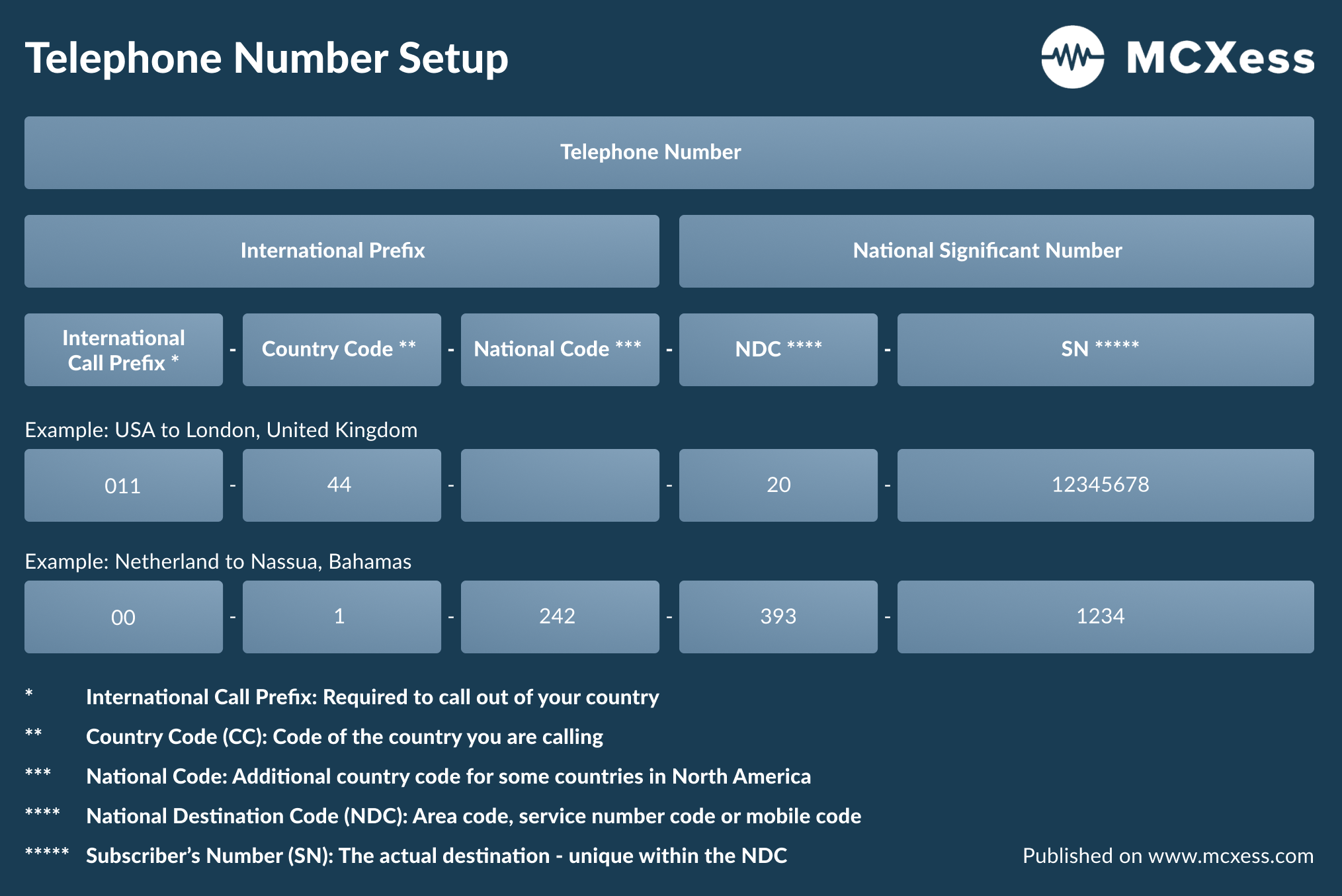
Here’s a pro-tip that saves you from a major headache: you must drop the leading zero from the local area code. If your London pal’s number starts with 020, you just dial 20. It’s like the zeros are shy and don’t travel well. They stay home while the rest of the number goes on vacation. If you leave that zero in, you’re basically telling the network, “I’m confused,” and the network will believe you.
The Area Code (Now Without the Zero)
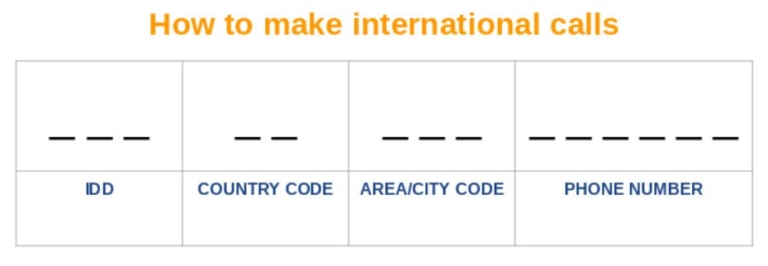
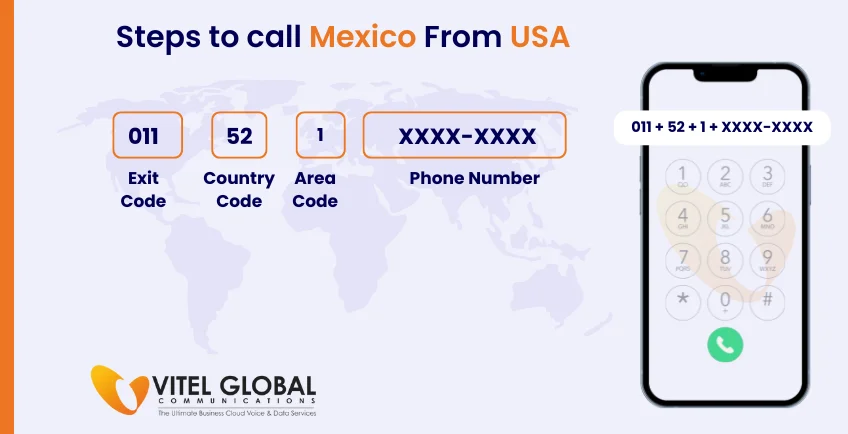
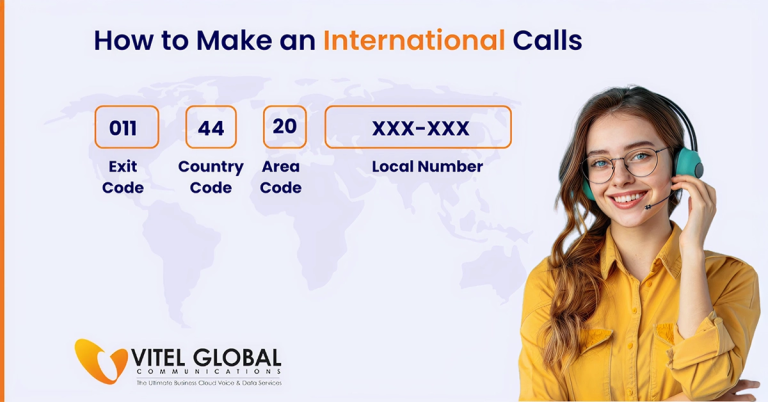
So, let’s build this little monster step-by-step. You’ve got your exit code (011), then your country code (44), and then the area code minus its leading zero (20). Then you finish off with the local phone number. It feels like a math equation, but with way more chances to mess up and call a random stranger in Manchester at 3 AM.

Take a deep breath. It’s just a sequence of numbers. It’s not rocket science; it’s just phone science, which is somehow both simpler and more annoying. Let’s do a quick example. If you’re calling a mate in London and their full number is 020 7946 0958, you’ll dial 011 44 20 7946 0958. See? It’s just a game of “spot the missing zero.”
Mobile vs. Landline: The Wild, Wild West
Now for a twist! Mobile phones sometimes have their own country codes, or they don’t. It’s chaos. In many places, you just dial the mobile number directly, but in others, they use a special code. My advice? If you have a smart phone, just use the “+” symbol. It’s the universal cheat code.

Hold down the zero key to get the plus sign. The plus sign replaces your exit code, and then you just dial the country code and the rest of the number. No need to remember if it’s 011 or 00. The phone figures it out. It’s like having an international travel agent living inside your device, and honestly, it’s the only way I dial anyone anymore.
Using the “+” is a lifesaver, especially if you travel a lot. You won’t have to worry about changing your dialing habits every time you cross a border. You’ll just be the cool person who knows the secret, nodding as your friends fumble with their paper notes. You’re welcome.
Pack Your Patience
Even with the perfect number, expect a moment of awkward silence. International calls often have a delay, so don’t start yelling “HELLO?” after one ring. The person on the other end is likely just watching your mouth move on a screen, waiting for the signal. Give it a beat. It’s not them; it’s physics.
Also, be prepared for weird time zones. Calling Tokyo from New York at noon means you’re waking someone up at 2 AM. That’s a great way to get a very grumpy greeting. Check the time difference first, unless you enjoy long-distance yelling. Seriously, a simple “What time is it there?” is a beautiful, beautiful thing.
So there you have it. The mystery of international dialing is just a little puzzle with two main pieces: the exit code and the country code. You’ve got this. Now go call your friend, tell them you finally cracked the code, and don’t forget to gloat a little. You’re officially a global citizen now. Just don’t blame me if you accidentally call a bakery in Paris. That’s part of the adventure.