How To Determine How Much To Pay Yourself
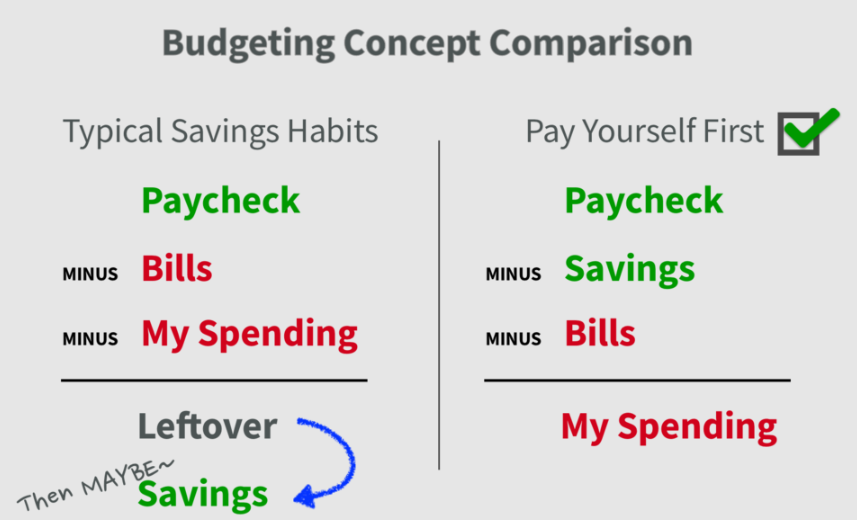
Let's talk about something that's really important, but often gets overlooked: paying yourself. We're always told to save for a rainy day, invest in our future, and make smart financial decisions, but have you ever stopped to think about how much you should be paying yourself? It's kind of like trying to fill up a bucket with holes in it - if you're not putting enough money in, you'll never have enough to achieve your goals.
Why Does it Matter?
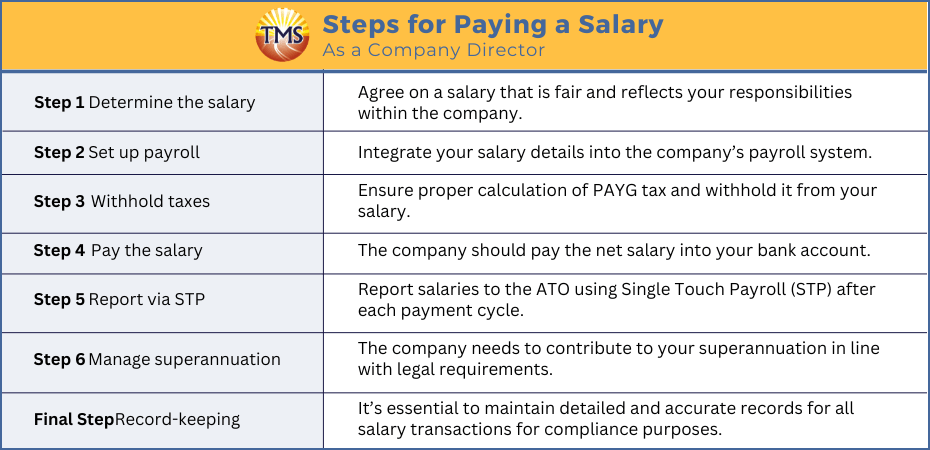
Paying yourself is crucial because it allows you to enjoy the fruits of your labor and reward yourself for all your hard work. Think of it like this: if you're working a 9-to-5 job, you expect to get paid a salary, right? Well, when you're your own boss or working on a project, you need to pay yourself too, so you can stay motivated and focused.
For example, imagine you're a freelancer, and you just landed a big client. You're excited to start working on the project, but if you don't pay yourself a decent rate, you might end up feeling undervalued and overworked. That's why it's essential to determine how much to pay yourself, so you can stay happy and fulfilled in your work.
Must Read
A Simple Formula
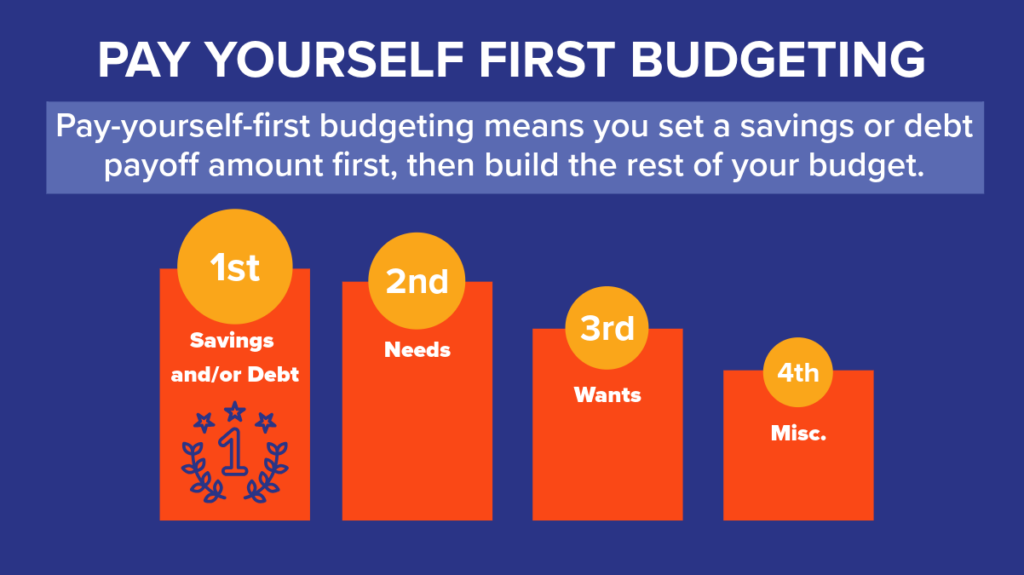
So, how do you figure out how much to pay yourself? One simple way is to use the 50/30/20 rule: 50% of your income goes towards necessities like rent and utilities, 30% towards discretionary spending, and 20% towards saving and paying yourself. It's like dividing a pizza - you need to make sure you're allocating the right slices to the right areas of your life.
Of course, this is just a rough guide, and you may need to adjust the proportions based on your individual circumstances. For instance, if you're paying off debt, you might need to allocate more than 20% towards saving and debt repayment. The key is to find a balance that works for you and your financial goals.
Real-Life Examples
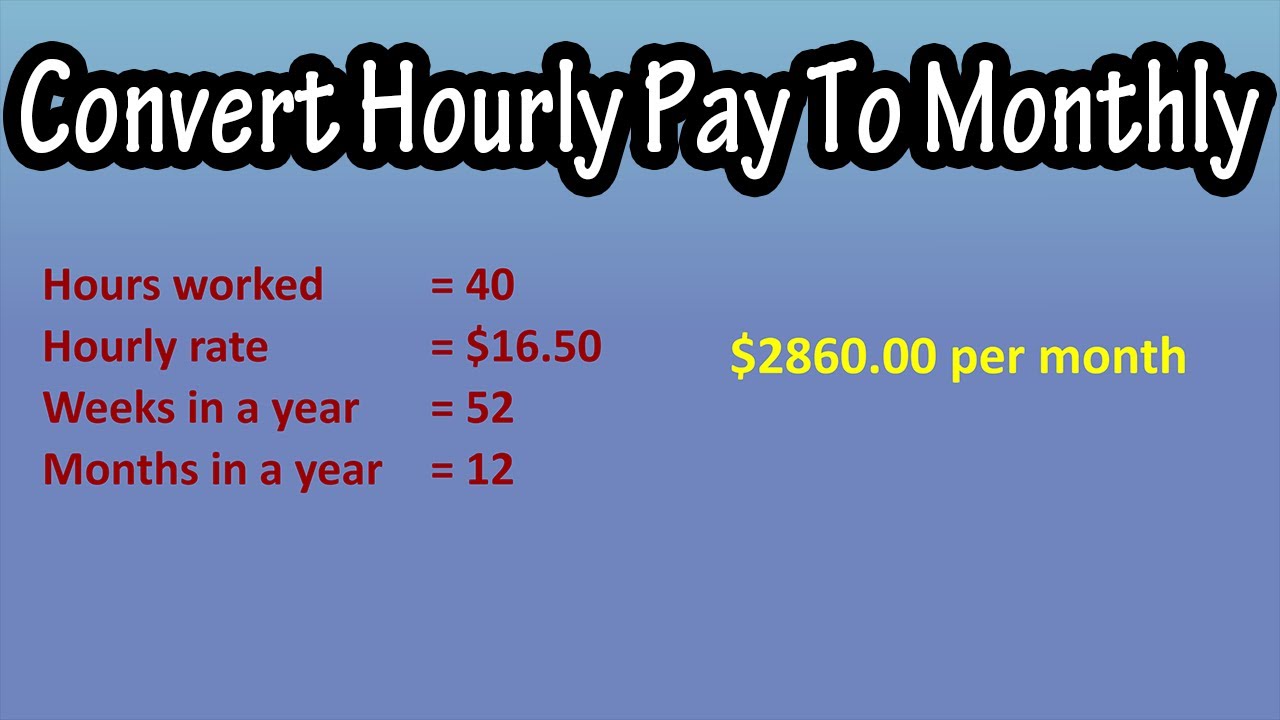
Let's say you're a small business owner, and you're trying to determine how much to pay yourself. You could start by looking at your industry standards and seeing what other business owners in your field are paying themselves. Alternatively, you could use a profit-first approach, where you set aside a percentage of your profits as your own salary.
For example, if you're running a bakery, and you're making a profit of $10,000 per month, you might decide to pay yourself 20% of that profit, which would be $2,000. That way, you can ensure you're compensating yourself fairly for your hard work and dedication.

The Importance of Self-Care
Paying yourself is not just about financial stability; it's also about self-care. When you pay yourself a decent wage, you're showing yourself that you value your time and effort. It's like taking care of a plant - if you don't water it and give it sunlight, it will wither away, but if you nurture it, it will grow strong and healthy.
So, take some time to think about how much you should be paying yourself. Remember, it's not selfish to prioritize your own financial well-being - it's essential to living a happy, fulfilled life. By paying yourself a fair wage, you'll be able to enjoy the journey and achieve your long-term goals.