How To Be Better At Sexting
As we navigate the complexities of modern relationships, it's becoming increasingly clear that sexting is a fundamental aspect of our digital communication. But beneath the surface of flirtatious messages and intimate exchanges lies a deep psychological landscape that deserves to be explored. Our brains are wired to respond to the thrill of secrecy, the excitement of anticipation, and the validation of desire – all of which are expertly manipulated by the art of sexting. Whether we're aware of it or not, our mental well-being is deeply intertwined with the way we engage in online intimacy, and it's essential that we take a step back to understand the underlying dynamics at play.
In today's digital age, sexting has become an integral part of our courtship rituals, a way to build anticipation, establish intimacy, and explore desire. But as we delve into the world of online seduction, it's crucial to acknowledge the emotional triggers that drive our behavior. Why do we feel a rush of adrenaline when we receive a flirtatious message? Why do we become invested in the virtual validation of our partners? And what are the cognitive biases that influence our perception of online intimacy? By exploring these questions, we can gain a deeper understanding of ourselves and our motivations, ultimately leading to a more authentic and fulfilling experience.
Understanding the Psychology of Sexting
At its core, sexting is a form of emotional labor, requiring a delicate balance of
Must Read
A closer examination of our online behavior reveals a complex web of hidden emotional triggers. We may use sexting as a way to validate our self-worth, seeking external validation to compensate for feelings of inadequacy or low self-esteem. Alternatively, we may employ sexting as a means of emotional escape, using the thrill of online intimacy to distract ourselves from the pressures of everyday life. By acknowledging these underlying motivations, we can begin to develop a more nuanced understanding of our online behavior and the emotional drivers that shape our experiences.
As we navigate the unwritten rules of online intimacy, it's essential to recognize the power dynamics at play. Sexting can be a double-edged sword, offering a sense of empowerment and agency while also leaving us vulnerable to exploitation and emotional manipulation. By being aware of these cognitive biases and emotional triggers, we can develop healthier relationships with ourselves and others, fostering a more authentic and respectful approach to online intimacy.
Developing Healthy Sexting Habits
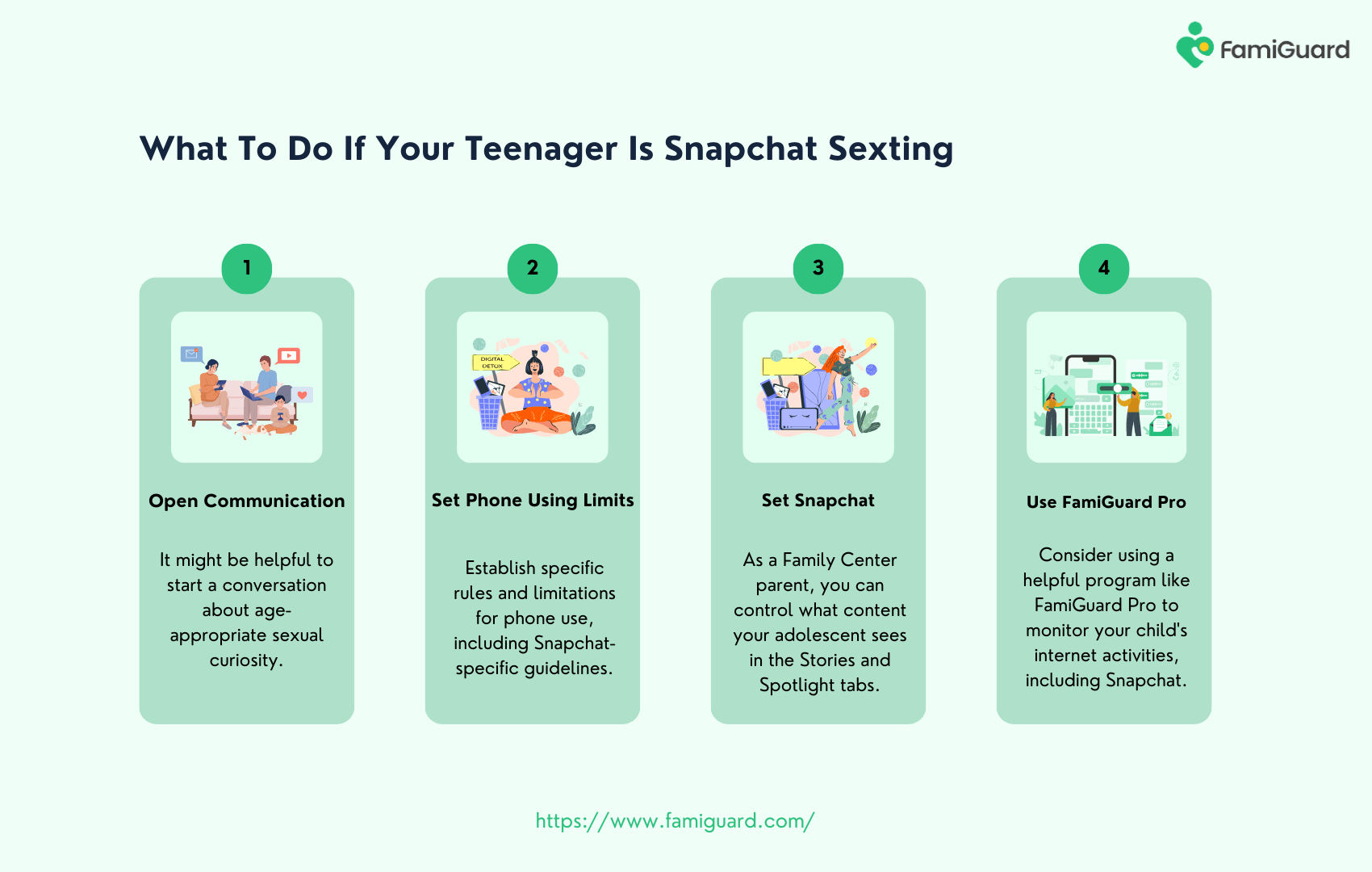
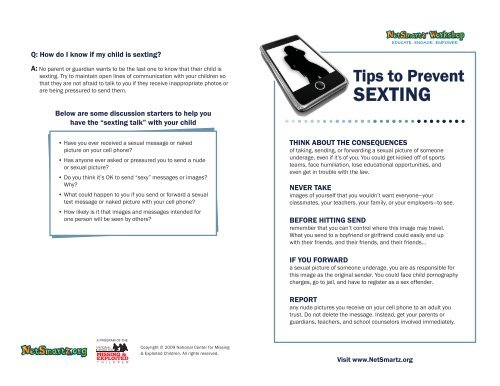
So, how can we cultivate a more positive and empowering approach to sexting? The first step is to establish clear boundaries, communicating our desires, needs, and limitations with our partners. This may involve discussing consent, safe words, and emotional boundaries, ensuring that both parties feel comfortable and respected. By prioritizing mutual respect and open communication, we can create a safer and more enjoyable experience for all involved.

Another crucial aspect of healthy sexting is self-reflection. By taking the time to understand our own desires, needs, and boundaries, we can develop a more authentic and confident approach to online intimacy. This may involve exploring our emotional triggers, cognitive biases, and past experiences, using this self-awareness to inform our online interactions. By being more mindful and intentional in our approach, we can avoid unhealthy patterns and cultivate more fulfilling connections.
In addition to self-reflection and boundary-setting, it's essential to prioritize digital literacy and online safety. This may involve using secure messaging apps, enabling two-factor authentication, and being cautious when sharing personal information or intimate content. By taking these precautions, we can minimize the risks associated with sexting and create a more secure and enjoyable experience.
Finally, it's crucial to remember that sexting is just one aspect of a healthy relationship. By prioritizing in-person communication, emotional intimacy, and mutual respect, we can build stronger, more fulfilling connections with our partners. This may involve scheduling regular check-ins, engaging in open conversations, and showing appreciation for our partners' needs and desires. By cultivating a more well-rounded approach to intimacy, we can create a more balanced and satisfying experience.
Frequently Asked Questions
What are the emotional risks associated with sexting, and how can I protect myself?
As with any form of intimacy, sexting carries emotional risks that can impact our mental health and well-being. These risks may include feelings of vulnerability, exposure, and rejection, as well as the potential for emotional manipulation or exploitation. To protect ourselves, it's essential to prioritize self-reflection, boundary-setting, and open communication with our partners. This may involve discussing our desires, needs, and limitations, as well as establishing clear consent and safe words.
By being more mindful and intentional in our approach to sexting, we can minimize the emotional risks and create a more positive and empowering experience. This may involve taking the time to understand our own emotional triggers and cognitive biases, using this self-awareness to inform our online interactions. By prioritizing mutual respect, trust, and communication, we can build stronger, more fulfilling connections with our partners and cultivate a more healthy and balanced approach to intimacy.
How can I ensure that my partner is comfortable with sexting, and what are the signs of discomfort or unwillingness?
Ensuring that our partner is comfortable with sexting is crucial for building a healthy and respectful relationship. To do this, it's essential to prioritize open communication and mutual consent, discussing our desires, needs, and boundaries with our partner. This may involve asking about their comfort level with sexting, their preferences for online intimacy, and their boundaries around digital communication.
It's also important to be aware of the signs of discomfort or unwillingness, which may include hesitancy, silence, or withdrawal from online interactions. If we notice any of these signs, it's essential to check in with our partner, discussing their feelings and concerns in a respectful and non-judgmental way. By prioritizing mutual respect, trust, and communication, we can build a stronger, more fulfilling connection with our partner and ensure that our online interactions are comfortable and enjoyable for both parties.

What are the benefits of sexting in a long-term relationship, and how can it be used to maintain intimacy and connection?
Sexting can be a powerful tool for maintaining intimacy and connection in a long-term relationship, offering a way to rekindle desire, build anticipation, and strengthen emotional bonds. By prioritizing open communication, mutual respect, and trust, couples can use sexting to create a more exciting and fulfilling experience, exploring new forms of intimacy and deepening their emotional connection.
One of the primary benefits of sexting in a long-term relationship is its ability to keep the spark alive, providing a way to maintain desire and intimacy even when physical distance or busy schedules make in-person connection challenging. By using sexting to build anticipation and create excitement, couples can stay connected and engaged, even when they're not physically together. This can be especially helpful during periods of separation or distance, providing a way to stay intimate and connected despite physical distance.
How can I deal with the emotional aftermath of a sexting experience, and what are the signs of emotional distress?
The emotional aftermath of a sexting experience can be complex and multifaceted, involving a range of emotions from excitement and euphoria to anxiety, self-doubt, and regret. To deal with these emotions, it's essential to prioritize self-reflection and self-care, taking the time to understand our own feelings and needs. This may involve engaging in mindfulness practices, such as meditation or journaling, or seeking support from trusted friends, family members, or mental health professionals.
It's also important to be aware of the signs of emotional distress, which may include intense anxiety, depression, or trauma. If we notice any of these signs, it's essential to seek help and support, prioritizing our mental health and well-being. By being more mindful and intentional in our approach to sexting, we can minimize the emotional risks and create a more positive and empowering experience.
What are the long-term effects of sexting on mental health and relationships, and how can I maintain a healthy balance between online and offline intimacy?
The long-term effects of sexting on mental health and relationships can be complex and multifaceted, involving a range of factors from self-esteem and body image to trust and communication. To maintain a healthy balance between online and offline intimacy, it's essential to prioritize self-reflection, open communication, and mutual respect, ensuring that our online interactions are comfortable, enjoyable, and respectful for all parties involved.
By being more mindful and intentional in our approach to sexting, we can minimize the risks and maximize the benefits, creating a more positive and empowering experience for ourselves and our partners. This may involve setting boundaries, prioritizing in-person communication, and cultivating a more nuanced understanding of online intimacy and its effects on our mental health and relationships.
As we reflect on the complexities of sexting and its impact on our mental health and relationships, it's clear that this phenomenon is more than just a digital trend – it's a reflection of our deepest desires, needs, and insecurities. By embracing this reality and prioritizing self-reflection, open communication, and mutual respect, we can create a more positive and empowering experience, one that honors our autonomy, agency, and humanity.
Ultimately, the key to mastering sexting lies in our ability to balance our online and offline selves, cultivating a more integrated and authentic approach to intimacy. By doing so, we can create a more fulfilling and balanced experience, one that nourishes our mind, body, and soul. As we embark on this journey of self-discovery and growth, let us remember that the true power of sexting lies not in its digital nature, but in its ability to connect us with ourselves, our partners, and our deepest desires.