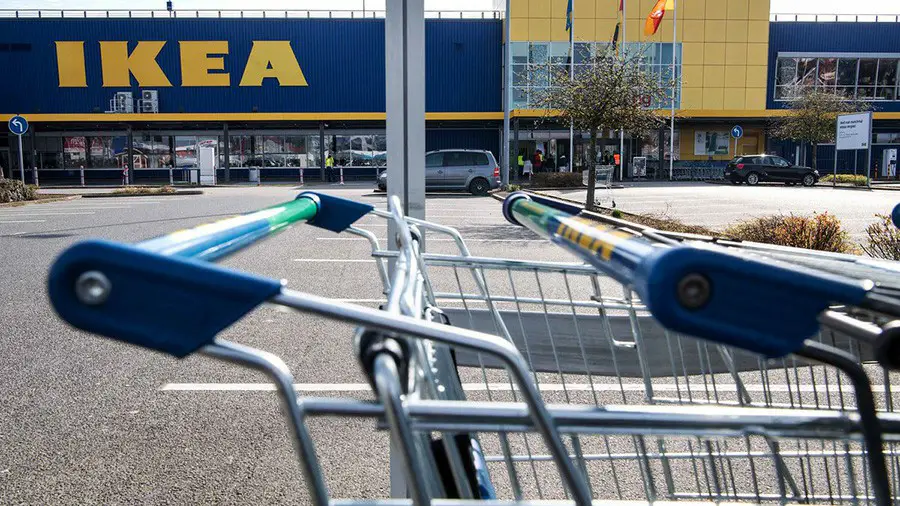
How Often Does Ikea Restock Couches

If you’ve spent more than ten minutes on TikTok’s notorious “IKEA Hacks” side, you’ve seen the carnage. Grown adults, clutching a yellow bag like a life raft, staring into the abyss of a KIVIK sofa’s empty spot. The comments are a battlefield of emoji: 😭, 🤬, and the ever-ominous “checking the restock date again.” The question that fuels late-night Google searches, Reddit threads, and outright panic in first-time apartment owners is no longer “Do I want the Klippan?” It’s “How often does IKEA restock couches?” And let me tell you, dear reader, this query has evolved from a simple customer service call into a full-blown cultural phenomenon.
We are living in the golden age of furniture FOMO. It’s not just about buying a place to sit; it’s about securing a social-media-worthy sanctuary before the algorithm changes its mind. IKEA has become the unofficial arbiter of millennial and Gen-Z taste, and their inventory system has become the ultimate gatekeeper. The restock question isn’t just practical; it’s a personality litmus test. Are you a strategic planner who stalks the website at 3 AM? Or are you a chaotic gremlin who just shows up and hopes for a miracle? The answer says more about you than your zodiac sign.
Today, we’re diving deep into the warehouse aisles of our collective anxiety. We’re going to dissect the supply chain drama, the algorithm’s shifting moods, and the modern-day treasure hunt that has turned a Swedish flat-pack giant into the hottest nightclub in town—where the bouncer is a stock notification and the VIP section is a flatbed cart. Buckle up; your back is about to get some serious lumbar support, or a serious lesson in patience.
Must Read
The Toxic, Thrilling Subculture of Couch Chasing
Let’s be real: there is a distinct, weirdly toxic subculture forming around IKEA’s restock rituals. It’s a mix of doomsday preppers and day-traders, all obsessing over the same three fabric swatches. On Facebook groups like “IKEA Stock Alerts (No Drama Please),” the drama is all they have. Members post screenshots of the website showing ‘Out of Stock’ faster than a celebrity reacts to a scandal. They dissect shipping container routes, analyze port congestion in Rotterdam, and whisper about whether the new NORDLI collection is being held hostage by a cargo ship somewhere in the Suez Canal. It’s cynical, it’s obsessive, and honestly? It’s better than reality TV.
The cultural shift here is massive. We’ve moved from a “buy it when you need it” economy to a “buy it when it’s available” economy, driven by the virality of #IKEAlove. Influencers post a 30-second clip of their living room, and suddenly, 10,000 people want the same SÖDERHAMN. This constant scarcity, whether real or manufactured, has turned the consumer into a hyper-vigilant hawk. The social dynamic is simple: if you manage to secure the last white EKTORP in a 50-mile radius, you are a tribal hero. You post a victory photo. If you fail, you become the cautionary tale in the comments, warning others about the “phantom stock” that shows up on the app but vanishes in-store. It’s a digital Hunger Games, and the prize is a very comfortable, albeit slightly overpriced, place to binge-watch Netflix.
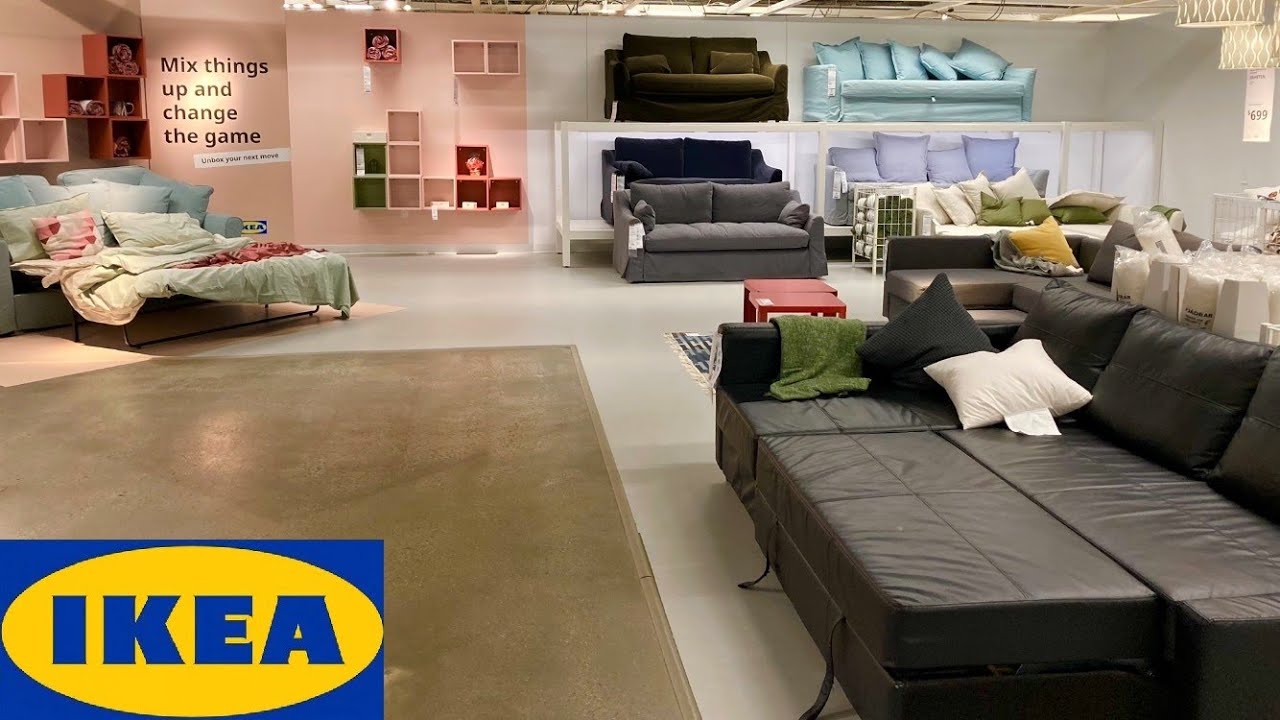
How to Survive the Restock Hunger Games (Without Losing Your Mind)
First, let’s kill the biggest myth: IKEA does not have a uniform restock schedule. Anyone who tells you “every Tuesday” is lying to you or works for a third-party reseller. The restock frequency is a chaotic cocktail of global supply chain issues, regional warehouse capacity, and the sheer whimsy of the furniture gods. However, you can game the system if you follow these pragmatic, sanity-saving rules.
Rule #1: Become a Digital Bloodhound. The IKEA website is your oracle. Do not rely on the app’s vague “Check your local store” message. Instead, use the desktop version, locate the specific couch, and check the stock status at different times of the day. IKEA’s inventory syncs in waves, often early in the morning (6-8 AM) or late at night (10 PM – midnight), depending on your time zone. You’re looking for the magical moment when it flips from “Out of Stock” to “Low Stock.” That’s your 15-minute window. Also, set up a browser extension that auto-refreshes the page every 30 seconds. Yes, it’s excessive. Yes, it’s necessary.
Rule #2: Play the Long Game with the "Restock Date". IKEA often displays an estimated restock date for a particular store. Treat this date as a suggestion, not a promise—like a release date for a video game that gets delayed for “polish.” When IKEA says a couch will be back on the 15th, it usually means the 15th or the 16th, or maybe the 22nd if the shipment got bumped. Use that date to start planning your logistics. Call the store directly—not the 1-800 number, but the specific store’s furniture department. Ask them if the truck has arrived. They might have insider info that the website hasn’t updated yet. Be polite; the staff are the gatekeepers to the warehouse, and they control your destiny.

Rule #3: The "Click & Collect" Cheat Code. This is the unsung hero of the furniture world. Instead of waiting for home delivery (which often has a 2-week backlog), the “Click & Collect” option is your glitch. When you see a couch in stock at the store, immediately place a Click & Collect order online. This puts a digital hold on the item. You may have to pay a small fee, but it saves you from the soul-crushing experience of driving 45 minutes only to find the spot empty. Even better, check the “As-Is” section of the warehouse. Floor models are often discounted and available instantly, bypassing the restock wait entirely. A slightly worn cushion is a small price to pay for immediate satisfaction.
Rule #4: Don’t Be a Brand Snob. If you absolutely need a couch today, consider bumping your budget to the high-end designer lines (like the Stockholm or the Blåhammaren). These collections are produced in smaller batches and often have more reliable stock levels because they aren't the viral viral trend. Conversely, if your heart is set on a viral model, be prepared to compromise on the fabric. The VISSLE grey is always gone, but the VISSLE beige? Might be sitting there, majestic and alone, just waiting for someone to appreciate its neutrality. Flexibility is your most valuable currency.

The Unspoken FAQ: Internet Debates, Answered
Q: Is IKEA doing this on purpose to drive up demand? It feels like manufactured scarcity.
It’s a compelling conspiracy theory, isn’t it? The idea that IKEA is holding back your KALLAX units to create a frenzy is delightfully sinister. However, in reality, the truth is far more boring and frustrating: global logistics are a nightmare. The post-pandemic supply chain is still heavily fragmented. IKEA sources wood, foam, and textiles from various continents, and if a single factory in Poland has a labor shortage, it cascades down the entire product line. They aren't trying to make you angry; they are just as frustrated as you are. The "restock date" they give is genuinely their best guess based on container ship schedules, which can change due to weather or piracy. It’s not a marketing tactic; it’s just the fragile reality of global trade.
However, there is a nugget of truth to the scarcity play. The viral nature of TikTok does create artificial demand that IKEA can’t keep up with. They have to allocate production to their best-sellers, which means they prioritize the KIVIK over the less-popular, obscure models. So no, they aren’t lying to you, but they are surfing the wave of internet hype, which inadvertently creates the same effect as scarcity marketing. If you are looking for a scapegoat for your empty living room, point your finger at the influencer with the fairy lights, not the Swedish furniture giant.
Q: Can I trust the "Low Stock" indicator on the app, or is it a lie?
Ah, the digital mirage. The app’s "Low Stock" indicator is a fickle beast. It is based on the store’s inventory management system, which counts units as they are scanned. However, it doesn't account for human negligence or theft. The system might say "Low Stock" because there are four in the warehouse, but if a customer has hidden one behind the drapes in the showroom to "save it" (a real phenomenon), or if the warehouse staff haven’t scanned a returned item yet, the count is off. So, while the indicator is a useful guide, it is not a gospel truth. Treat "Low Stock" as "maybe in stock," and prepare for a 50/50 gamble. The best strategy is to call the store and ask the staff to physically look at where the inventory is supposedly located. They can tell you if it’s actually on the shelf or if it’s in a quarantine zone waiting for a quality check.
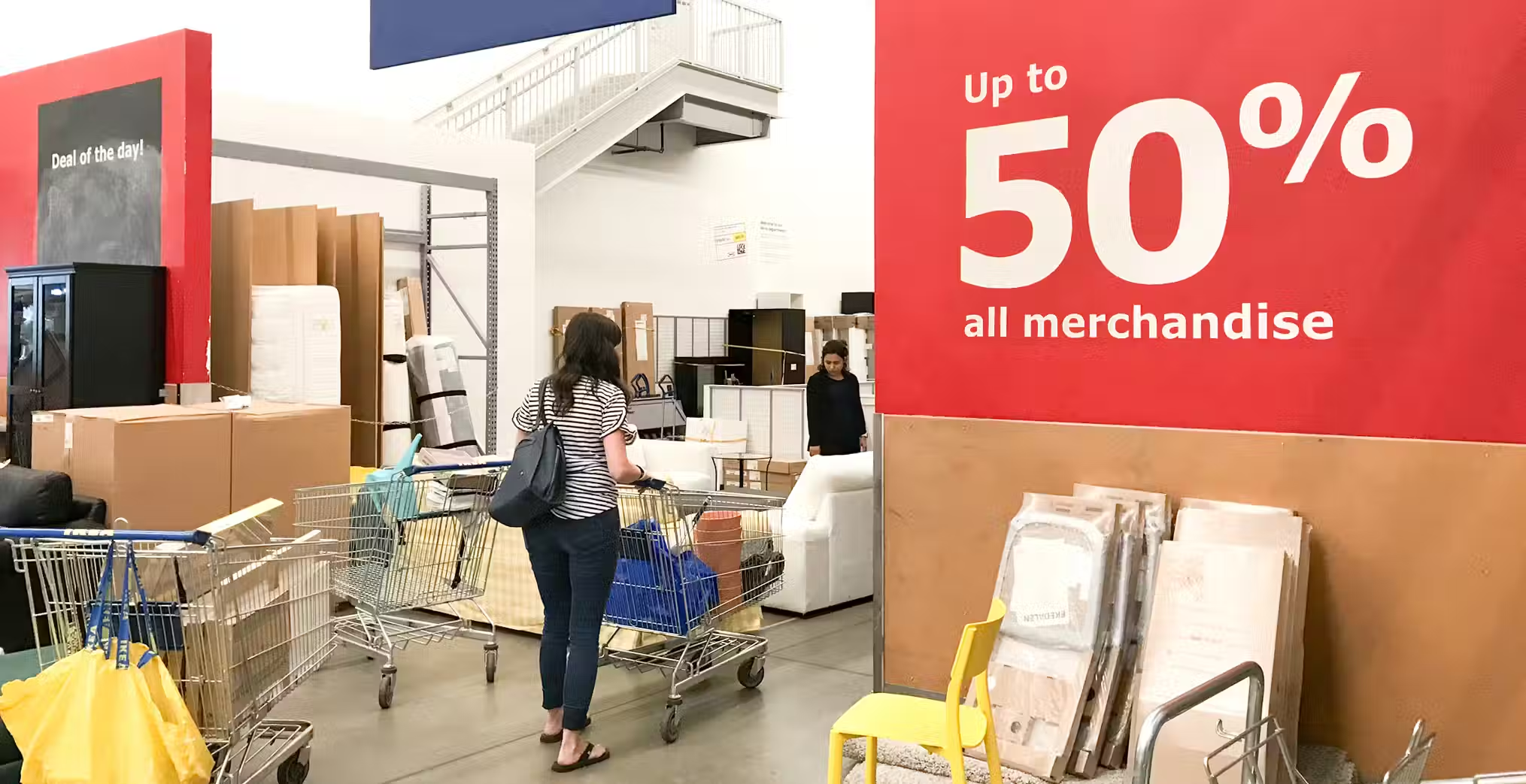
Q: Is it worth waiting months for a specific IKEA couch, or should I buy from a competitor?
This is the philosophical question that haunts every couch hunter. On one hand, IKEA offers unmatched value for money—clean lines, durable frames, and a 10-year warranty on most frames. If your heart is set on the SÖDERHAMN’s low profile or the FRIHETEN’s chaise layout, nothing else comes close for the price. Waiting a month is painful, but the long-term satisfaction is high. However, if you are on a strict deadline (moving into a new place, expecting guests, or your current couch is chunks of foam on the floor), the emotional cost of waiting outweighs the financial savings. Competitors like Wayfair or Article often have similar minimalist aesthetics available for immediate shipping, though you might sacrifice the warranty and the ability to actually test the cushion firmness in person. It’s a classic risk/reward scenario. My advice: wait if you have the luxury of patience; buy elsewhere if your sanity is on the line.
So, is this chaotic restock saga a passing fad? I doubt it. The intersection of fast furniture, social media virality, and a fragile global economy isn't going to stabilize overnight. The thrill of the hunt—the dopamine spike of seeing that “In Stock” notification—is now hardwired into our consumer brains. We are addicted to the chase as much as the purchase. IKEA is no longer just a store; it's a gamified experience where the prize is a couch and the losing penalty is an aching back on the floor.
However, this trend might actually be a net positive in disguise. It forces us to be more deliberate about our purchases. We can’t impulse-buy a couch anymore; we have to research, track, and commit. In a world obsessed with instant gratification, IKEA is teaching us a valuable, albeit frustrating, lesson in patience and planning. So, the next time you notice the couch is out of stock, don’t despair. Pour a glass of lingonberry juice, refresh your browser, and remember: even the sturdiest furniture requires a little time to build. Happy hunting, and may the restock odds be ever in your favor.