How Much Money Should You Spend A Month

In today's fast-paced, consumerist society, it's easy to get caught up in the vortex of spending and forget about the importance of budgeting. The question of how much money we should spend each month is a complex one, with answers varying greatly depending on factors such as income, lifestyle, and personal priorities. But despite its complexity, this question is more relevant now than ever, as people struggle to make ends meet and achieve financial stability. As the old adage goes, "mo' money, mo' problems", but having a solid grasp of our monthly expenses can be the key to unlocking a more stress-free and prosperous life.
The concept of budgeting and expense management has been around for centuries, with ancient civilizations such as the Egyptians and Greeks using primitive forms of accounting to keep track of their finances. However, it wasn't until the 20th century that the idea of allocating a specific percentage of one's income towards monthly expenses became a widely accepted practice. Today, with the rise of digital banking and automated payment systems, it's easier than ever to track our spending and stay on top of our finances. But despite these advancements, many of us still struggle to answer the fundamental question: how much money should we be spending each month? As the notorious BIG once rapped, "it's like the more money we come across, the more problems we see", but by gaining a deeper understanding of our spending habits, we can begin to break free from the cycle of debt and build a more secure financial future.
The Psychology of Spending
When it comes to determining how much money we should spend each month, there are a multitude of factors to consider. One of the most significant is our psychological relationship with money, which can be deeply influenced by our upbringing, cultural background, and personal experiences. For some, spending money can be a source of pleasure and enjoyment, while for others it can be a source of stress and anxiety. Impulse buying, for example, is a common phenomenon in which individuals make spontaneous purchases without fully considering the consequences, often leading to feelings of regret and financial strain. On the other hand, frugal living has become a popular trend in recent years, with many individuals embracing a more minimalist approach to spending and finding joy in the simple things in life.
Must Read
In addition to our individual psychological tendencies, cultural and societal pressures can also play a significant role in shaping our spending habits. In many countries, for example, social status is often closely tied to material wealth, with luxury goods and high-end brands serving as symbols of success and prestige. However, this can create a keeping up with the Joneses mentality, in which individuals feel pressure to spend beyond their means in order to keep up with their peers. By recognizing these cultural and psychological factors, we can begin to develop a more nuanced understanding of our spending habits and make more informed decisions about how to allocate our monthly expenses.
Furthermore, the rise of influencer culture has created new challenges for individuals seeking to manage their monthly expenses. With social media platforms such as Instagram and YouTube showcasing the lavish lifestyles of celebrities and influencers, it can be easy to get caught up in the idea that we need the latest gadgets, trendy clothing, and exotic vacations in order to be happy and fulfilled. However, by separating needs from wants and prioritizing our financial goals, we can avoid the trap of overspending and build a more sustainable and fulfilling life.
Real-World Scenarios and Actionable Takeaways
So, how much money should we be spending each month? The answer, of course, varies greatly depending on our individual circumstances. For a young professional just starting out in their career, for example, it may be necessary to allocate a larger percentage of their income towards rent, utilities, and other essential expenses. On the other hand, a retiree living on a fixed income may need to be more frugal and prioritize their spending on necessities such as healthcare and food. By creating a budgeting plan and tracking our expenses, we can gain a clearer understanding of our financial situation and make more informed decisions about how to allocate our monthly expenses.
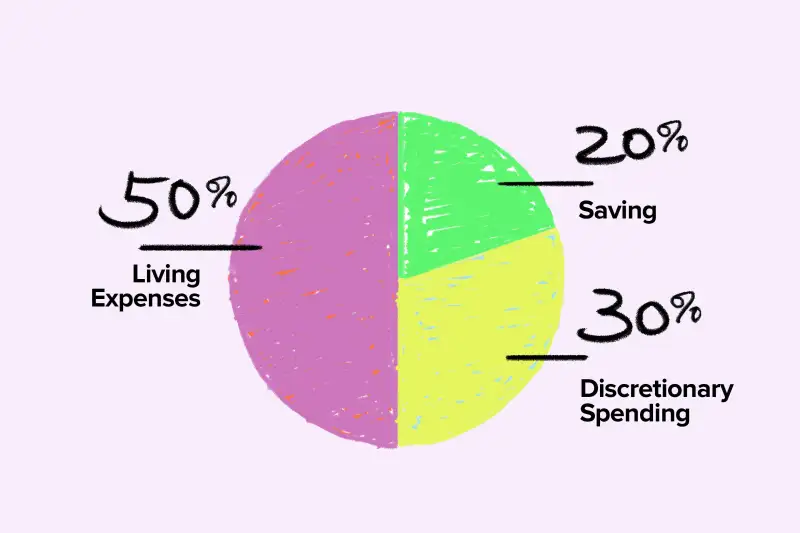
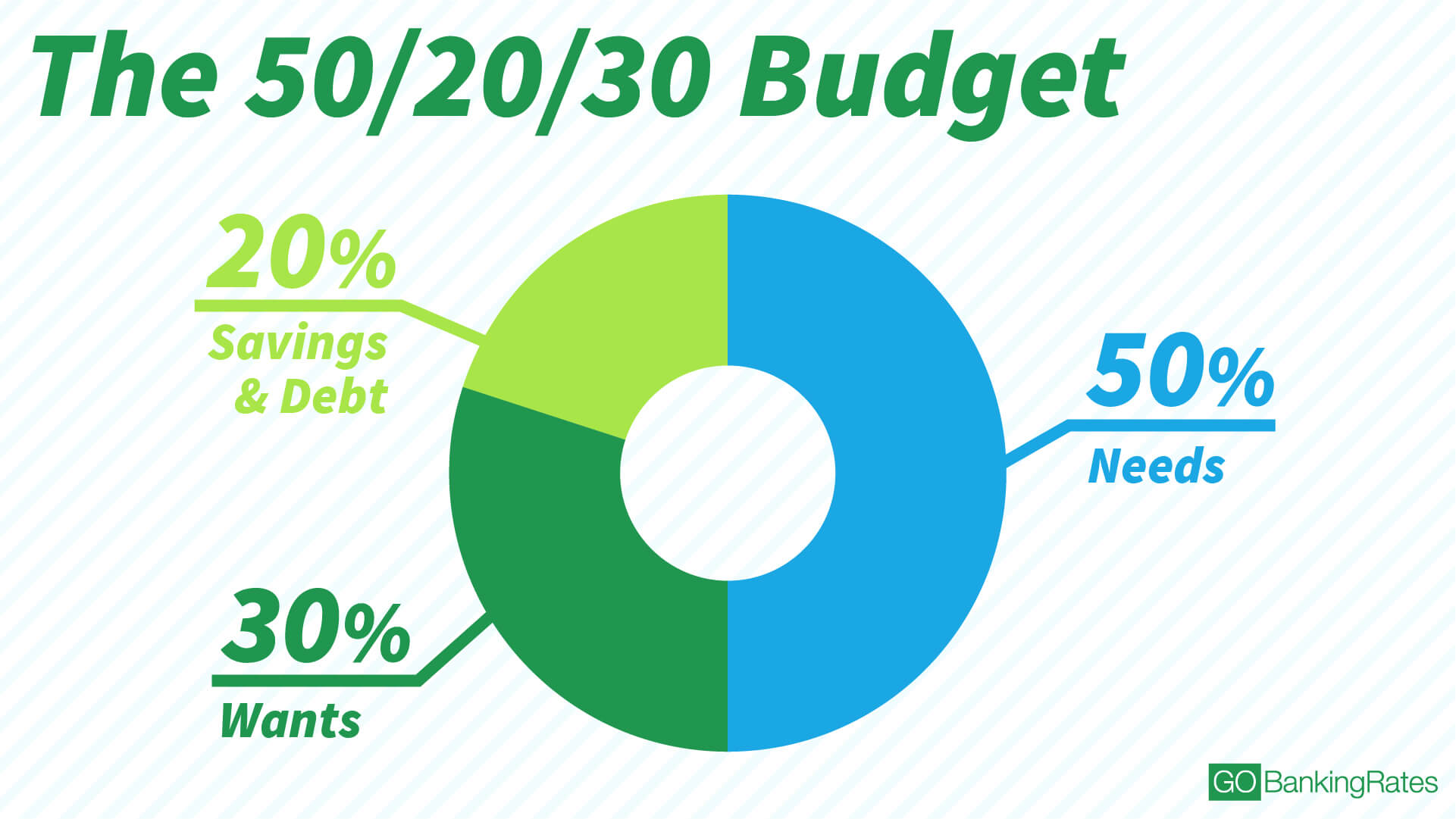
One popular approach to managing monthly expenses is the 50/30/20 rule, in which 50% of our income is allocated towards essential expenses such as rent and utilities, 30% towards discretionary spending such as entertainment and hobbies, and 20% towards saving and debt repayment. While this rule may not be suitable for everyone, it can serve as a useful guideline for individuals seeking to balance their spending and achieve financial stability. By automating our savings and setting clear financial goals, we can also avoid the temptation of overspending and build a more secure financial future.
Another important consideration when determining how much money to spend each month is our debt obligations. For individuals carrying high-interest debt such as credit card balances, it may be necessary to allocate a larger percentage of their income towards debt repayment in order to avoid accumulating additional interest and fees. By consolidating debt and negotiating with creditors, we can also reduce our monthly payments and free up more money in our budget for savings and discretionary spending.
In addition to managing our debt, it's also essential to prioritize our financial goals and make progress towards achieving them. Whether we're saving for a down payment on a house, retirement, or a big purchase, having a clear understanding of our financial objectives can help us stay motivated and focused on our spending. By setting realistic targets and celebrating our progress along the way, we can also build momentum and achieve a greater sense of financial fulfillment.
Frequently Asked Questions
How Much of My Income Should I Allocate Towards Housing Expenses?
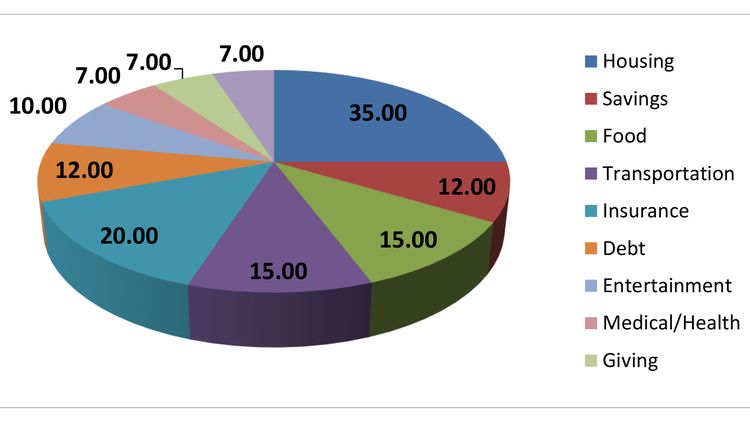
The general rule of thumb is to allocate no more than 30% of our income towards housing expenses such as rent or mortgage payments, property taxes, and insurance. However, this can vary depending on our individual circumstances, such as our location, lifestyle, and financial goals. By researching the local market and understanding the costs associated with homeownership or renting, we can make a more informed decision about how to allocate our income towards housing expenses.

In addition to considering our income, it's also essential to factor in other expenses such as utilities, maintenance, and repairs when determining how much to allocate towards housing. By creating a comprehensive budget and prioritizing our spending, we can avoid the trap of overspending on housing and achieve a more sustainable financial balance. Whether we're a first-time homebuyer or a seasoned real estate investor, having a clear understanding of our housing expenses can help us make more informed decisions and achieve our long-term financial objectives.
What's the Best Way to Manage My Debt and Reduce My Monthly Payments?
Managing debt and reducing monthly payments requires a combination of strategic planning and discipline. One approach is to consolidate debt into a single, lower-interest loan or credit card, which can simplify our payments and reduce the amount of interest we owe. We can also negotiate with creditors to reduce our interest rates or waive fees, which can help us save money and pay off our debt more quickly.
Another effective strategy is to prioritize our debt and focus on paying off high-interest balances first. By paying more than the minimum payment each month, we can also reduce the principal amount owed and avoid accumulating additional interest. Whether we're dealing with credit card debt, student loans, or a mortgage, having a clear understanding of our debt obligations and a solid plan for repayment can help us achieve financial stability and reduce our monthly payments.
How Can I Create a Budgeting Plan That Works for Me?
Creating a budgeting plan that works for us requires a combination of self-awareness, discipline, and flexibility. We can start by tracking our expenses and identifying areas where we can cut back on unnecessary spending. We can then set financial goals and prioritize our spending based on our objectives, whether that's saving for a big purchase, paying off debt, or building an emergency fund.

It's also essential to review and revise our budget regularly to ensure we're on track to meet our financial goals. By automating our savings and setting up a system of accountability, we can also stay motivated and focused on our spending. Whether we're using a budgeting app, a spreadsheet, or a simple notebook, having a clear and comprehensive budgeting plan can help us achieve financial stability and make progress towards our long-term objectives.
What Are Some Common Mistakes to Avoid When Managing My Monthly Expenses?
One of the most common mistakes people make when managing their monthly expenses is overspending on discretionary items such as dining out, entertainment, and hobbies. While it's okay to indulge occasionally, regularly overspending can lead to financial strain and make it difficult to achieve our long-term goals. By prioritizing our needs over our wants and creating a budgeting plan, we can avoid the trap of overspending and make more informed decisions about how to allocate our monthly expenses.
Another mistake is not accounting for irregular expenses such as car maintenance, property taxes, and medical bills. By budgeting for these expenses and building an emergency fund, we can avoid financial shocks and ensure we have enough money set aside to cover unexpected costs. Whether we're dealing with a financial emergency or a long-term financial goal, having a clear understanding of our monthly expenses and a solid plan for managing them can help us achieve financial stability and reduce stress.
How Can I Balance My Desire for Financial Freedom with My Need for Enjoyment and Leisure activities?
Achieving financial freedom doesn't have to mean sacrificing our enjoyment and leisure activities. By prioritizing our spending and allocating our resources wisely, we can enjoy the things we love while still making progress towards our long-term financial goals. One approach is to budget for discretionary spending and set aside a certain amount each month for entertainment, hobbies, and travel.
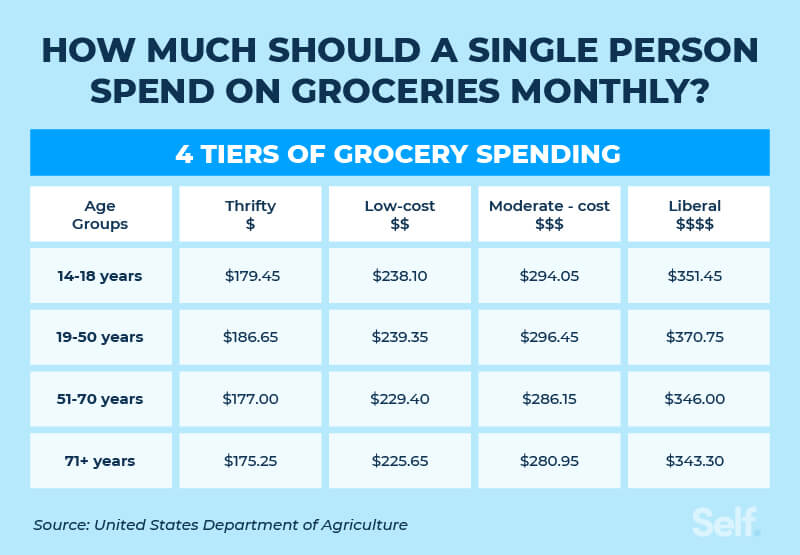
Another strategy is to find free or low-cost alternatives to our favorite activities, such as hiking or cooking at home instead of dining out. By being intentional with our spending and making conscious choices, we can balance our desire for financial freedom with our need for enjoyment and leisure activities. Whether we're traveling the world, pursuing a hobby, or simply enjoying time with friends and family, having a clear understanding of our financial priorities and a solid plan for managing our monthly expenses can help us achieve a more fulfilling and balanced life.
As we reflect on the importance of managing our monthly expenses, it's clear that this is a topic that connects deeply to our daily lives and human nature. Our relationship with money is complex and multifaceted, influenced by a wide range of factors including our upbringing, cultural background, and personal experiences. By gaining a deeper understanding of our spending habits and developing a more mindful approach to money management, we can break free from the cycle of debt and build a more secure financial future.
One of the key takeaways from our exploration of monthly expenses is the importance of self-awareness and intentional spending. By tracking our expenses and prioritizing our spending, we can make more informed decisions about how to allocate our monthly expenses and achieve our long-term financial goals. Whether we're seeking to pay off debt, build savings, or simply enjoy the fruits of our labor, having a clear understanding of our monthly expenses is essential for achieving financial stability and living a more fulfilling life.
In conclusion, managing our monthly expenses is a critical aspect of achieving financial freedom and living a more balanced life. By developing a budgeting plan, prioritizing our spending, and staying mindful of our expenses, we can make progress towards our long-term financial goals and enjoy the things we love without breaking the bank. As the ancient Greek philosopher Aristotle once said, "we are what we repeatedly do. Excellence, then, is not an act, but a habit". By making intentional spending and mindful money management a habit, we can achieve financial excellence and live a more prosperous, fulfilling life.