
How Much Money Can I Make With Lyft

There is a question that hums beneath the surface of every modern side hustle, a quiet, persistent whisper that asks not just about dollars and cents, but about our own worth. “How much money can I make with Lyft?” On its face, it is a logistical inquiry about mileage, surge pricing, and tax deductions. But if you sit with that question long enough, you will find it is a mirror. It reflects our deep-seated desire for autonomy, our fear of financial instability, and the ever-present human need to feel that our time—our most finite resource—is being valued correctly. Our brains are wired to seek a predictable reward for our effort, yet the gig economy presents a variable, slot-machine-like payout schedule that keeps us engaged and, at times, emotionally unmoored.
In a modern world where the traditional corporate ladder has splintered, the ability to “be your own boss” for a few hours a night feels like a lifeline. The question of income becomes entangled with our identity. When you are the driver, the dispatch, and the accountant all in one, every dollar earned feels like a direct vote of confidence from the universe in your personal competence. Conversely, a slow Tuesday night can trigger a whisper of imposter syndrome, making you question if the effort is even worth the existential toll. This isn't just about covering a car payment; it is about the psychological contract you have with yourself regarding your own potential.
The Emotional Ledger: Why Your Brain Turns Mileage Into Morale
When you first open the Lyft driver app, you are not just looking at a map; you are looking at a gambit of psychological triggers. The "power zone" bonuses and the flashing red of a surge area tap into the brain's dopamine system, creating a scarcity mindset that pushes you to drive toward a phantom fix. But here is the hidden emotional trigger: the sunk cost fallacy. You tell yourself, “I’ve been out for two hours, I can’t go home with only $30.” This cognitive bias forces you to stay out longer, chasing a number that your brain has arbitrarily decided is the "break-even" point for your emotional exhaustion. The result is a cycle of diminishing returns where the depletion of your energy is no longer offset by the increase in your bank account.
Must Read
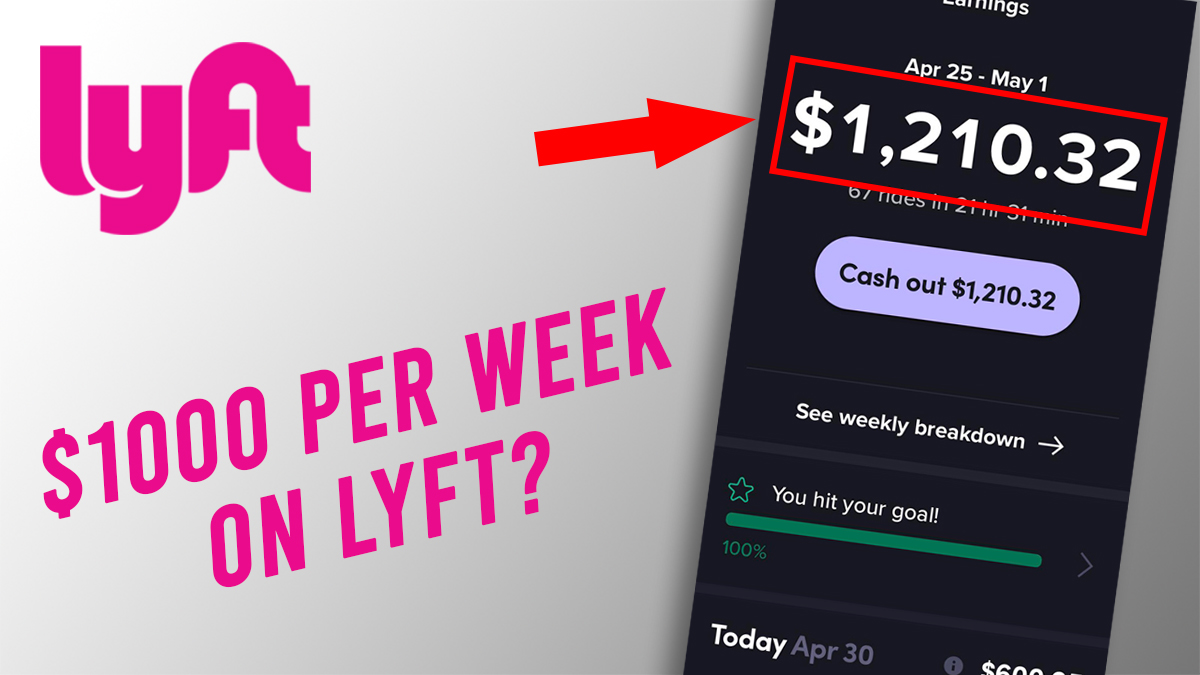
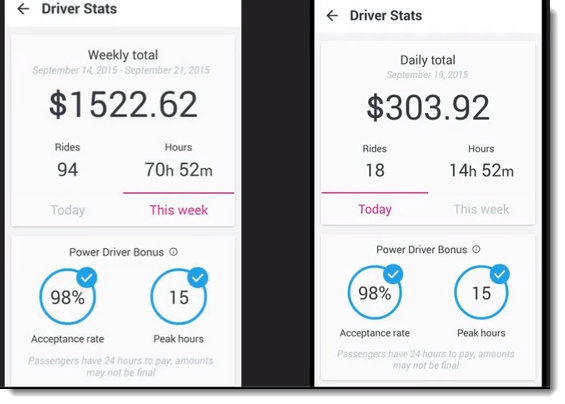
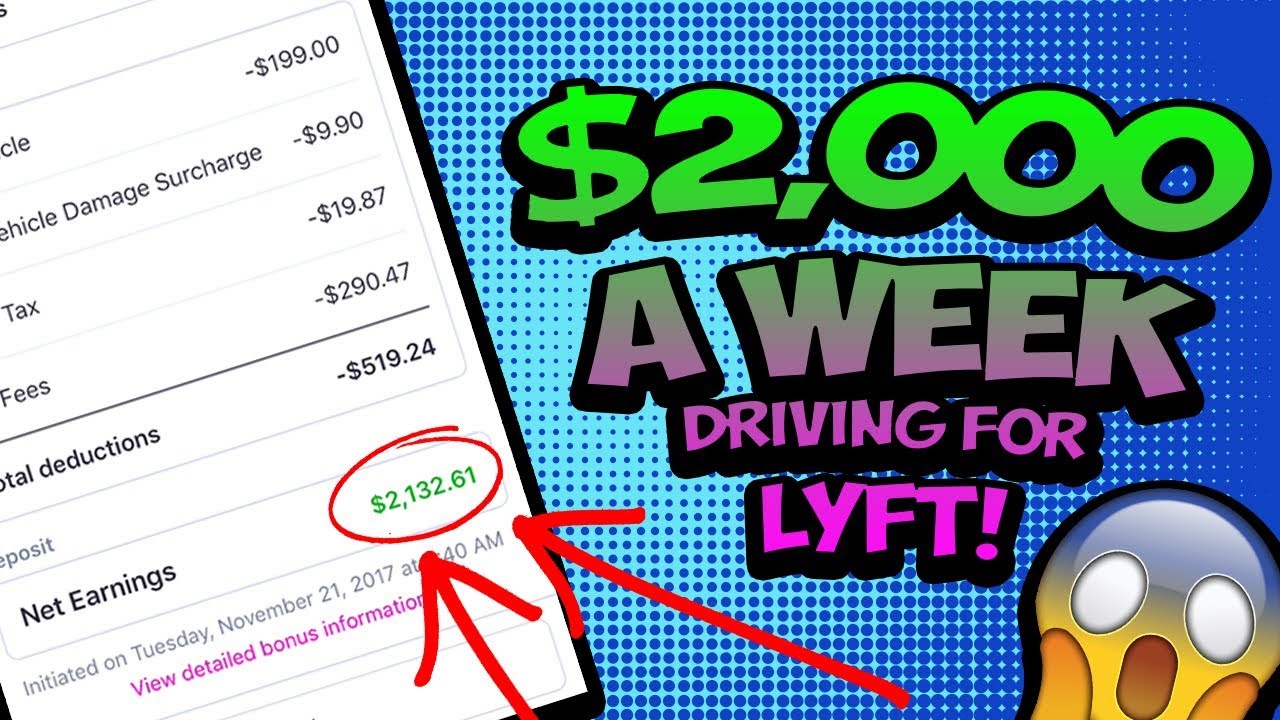
Another mental hurdle is the anchoring bias when reading other drivers' earnings. You see a screenshot of a driver in New York who earned $300 in a single shift, and you anchor your expectations to that outlier. Your brain ignores the statistical reality of your own market, your specific vehicle, and the wear-and-tear on your body. This comparison becomes a source of quiet resentment. You begin to feel that the algorithm is personal—that it knows you are tired and is giving you the cheap fares. This is the "personalization" cognitive distortion, where you take impersonal market dynamics as a direct attack on your livelihood. It fosters a sense of helplessness that is far more damaging to your mental health than a low hourly rate ever could be.
Finally, there is the significant emotional weight of the passenger interaction. The money you make is not just for driving; it is for emotional labor. You are a therapist, a tour guide, and a safe shuttle service all at once. When you get a difficult passenger who is cranky or dismissive, you might feel the pay doesn't reflect the emotional toll. This mirrors the "fairness" instinct in our psychology. We have an innate need for reciprocity; a $5 ride that requires 15 minutes of listening to a stressful rant feels exploitative. This is where the financial question morphs into a boundary-setting exercise. You are learning, in real-time, that your tolerance for emotional discomfort has a price, and that price is often higher than the app's fare estimate.
Reframing the Dashboard: A Mindset Shift for Sustainable Earnings
To truly answer the question of income, you must first de-couple your self-worth from the hourly clock. Instead of asking “How much can I make?” shift to “What is my emotional break-even point?” I encourage you to calculate a "psychological hourly rate" rather than a gross earnings figure. Take the total hours you plan to drive, subtract the time you will spend cleaning the car, refueling, and dealing with traffic. Then, estimate your expenses. But most importantly, subtract the "recovery time" you need after a shift. If you drive for four hours and need two hours to decompress because your social battery is drained, that is a six-hour commitment. When you divide your earnings by six hours, you see a truer number. This recalibration prevents burnout and allows you to say "no" to shifts when your mental energy is low.

Next, implement a routine that prioritizes dignity over destination. Set a hard cap on your driving time—not based on a dollar goal, but on an energy budget. Use the "Two-Queue" system for your mind: before you accept a ride, take a deep breath. Ask yourself if you have the capacity to be present for that passenger. You have the power to decline rides that take you into stressful parts of town or passenger requests that feel violating. This is not just about safety; it is about asserting agency over your environment. The moment you realize that you are the product—your time and your vehicle—you start treating yourself with the respect of a premium asset rather than a disposable commodity.
To combat the financial anxiety, build a "Digital Sandbag." Create a separate savings account specifically for vehicle maintenance and tax liabilities. Every time you complete a ride, immediately transfer 20% of the ride's earnings into this account. This act serves two purposes. Practically, it prevents a nasty surprise come April. Psychologically, it turns the act of driving into a ritual of security, not just spending money. You are building a buffer that speaks to your future self, saying, "I am looking out for you." This proactive money management is a potent antidote to the powerlessness that often accompanies variable income.
Finally, change your metrics of success. Download a mileage tracker app that records your business miles. At the end of the week, instead of looking at your net pay, look at your "miles per meaningful interaction." Celebrate the days where you had a great conversation that shifted your perspective, even if the fare was low. Acknowledge the physical exercise you got from stretching between rides. This "meaning-making" is the psychological cornerstone of resilience. You are not just a driver; you are a student of human nature. The money becomes a byproduct of your curiosity, not the sole goal. This shift from an extrinsic to an intrinsic reward system is what separates a burnout-causing hustle from a sustainable lifestyle.
Frequently Asked Questions (And the Emotional Truths Behind Them)
Is it worth driving for Lyft part-time if I am already stressed from my day job?
This is the most critical question for your mental well-being, and the answer lies in your "why." If you are driving purely out of fear—to cover an unexpected bill—the stress will compound, and the money will feel like a pressure valve rather than a reward. Your nervous system is already in "sympathetic" mode (fight-or-flight) from your day job. Adding more sensory input (traffic, noise, passenger demands) without adequate recovery can lead to a hormonal crash. You may find that the $50 you earn is immediately spent on takeout because you are too exhausted to cook. This negates the financial benefit and creates a cycle of guilt.
However, if you approach it as a "transitional territory"—a space where you can listen to your favorite podcasts, engage with different people, and drive through neighborhoods you'd otherwise never see—it can be a form of active meditation. The key is to treat it as a detached activity. You must leave the office mindset at the office. Promise yourself that you will only drive on days when you feel "cautiously curious"—where the idea of encountering a stranger sounds interesting, not taxing. If you feel a knot in your stomach when you sit in the driver's seat, that is your body telling you to turn off the app. Honor that. The money is only "worth it" if it doesn't cost you your peace.
Why do I sometimes make less than I expected, even in "busy" hours?
Your expectation and your reality are often out of sync because the definition of "busy" is subjective. The app tells you the city is busy, but it doesn't tell you that the average trip distance is 2 miles in stop-and-go traffic. This creates a psychological mismatch. Your brain anticipates a windfall, but receives a trickle, leading to a sense of injustice. This is a classic "expectation gap." To close this gap, you must study the "churn rate" of your market—the time between rides. Sometimes, a long, quiet spell followed by a long, lucrative ride is better than constant short, low-value rides that wear out your brakes and your patience.
Emotionally, low earnings during "prime time" triggers a fear of missing out (FOMO) on a peak that never materializes. You feel you are doing something wrong. The truth is, the algorithm prioritizes driver proximity to the next rider, not necessarily the highest fare. You are playing a game of probability, not a game of skill. Instead of judging your worth by the hourly clock, switch to a "trip-value" mindset. If you accept a ride, do not look at the distance. Look at the passenger's demeanor. Consider that the "low" fare might be a short trip into a busy area where you will likely get another ride immediately. This reframes "low earnings" into "strategic positioning." You are not losing money; you are paying for the opportunity to move into a richer hunting ground.
How do I deal with the loneliness of driving for long hours?
Loneliness in the gig economy is a paradox. You are surrounded by people, yet you are in a glass bubble. The isolation can be profound, and it often hits hardest when the passenger leaves and you are left with silence. This silence forces you to confront your own thoughts, which can be uncomfortable if you are used to distractions. The financial question becomes secondary to the existential one: "Is this isolation worth the check?" The answer requires a deliberate effort to curate your environment. Treat your car as a sanctuary, not a prison. Invest in a high-quality audio setup. Listen to audiobooks or engaging podcasts that provide intellectual companionship. This passive learning turns dead time into personal development time.
Additionally, you must intentionally seek human connection outside the car. Join online forums for Lyft drivers—not to compare earnings, but to share stories of strange passengers or weird weather conditions. This creates a sense of "community of the road." You are not alone in this experience. Furthermore, use your breaks to physically get out of the car. Walk into a coffee shop, have a brief conversation with the barista. These micro-interactions reset your nervous system. Remember that loneliness is a signal that you need to connect with your "tribe." The money you make is irrelevant if you feel disconnected from the world to earn it. Balance the solitary hours with intentional social interaction.
Can I maintain a healthy lifestyle while driving at night or early mornings?
Absolutely, but it requires brutal honesty about your biological limits. Your circadian rhythm is powerful. Driving during the hours your body wants to sleep is a recipe for cardiovascular stress and metabolic disruption. Even if you are making good money on the late-night surge, you are borrowing against your future health. The short-term dopamine of a $25 fare is masking the long-term depletion of your cortisol reserves. To sustain this, you must align your driving schedule with your "chronotype" (your natural sleep-wake pattern). If you are a night owl, embrace the evening shift. If you are a morning lark, drive at 5 AM. Fighting your biological clock to chase a surge zone is a losing battle.
Your nutrition plan is equally vital. When you are driving for a dense period, you often skip meals or grab fast food, which leads to a blood sugar crash that amplifies anxiety and irritability. Pack a cooler with high-protein snacks, water, and cut-up vegetables. Schedule a "pit-stop" for a 10-minute walk around a safe, well-lit area to get your blood flowing. Treat your body like the vehicle it is—the most important one. When you prioritize your health, you are actually increasing your income because you have more energy, sharper reflexes, and a better mood, which leads to better ratings and more tips. Financial health and physical health are not separate; they are the same ledger.

How do I stop feeling guilty about taking a day off?
This guilt is a form of "hustle culture" trauma. Your brain confuses being busy with being valuable. When you sit on your couch, you might hear the sound of money not being earned. This creates a low-grade anxiety that prevents rest from being restful. You must actively challenge this narrative. Realize that a day off is not "lost income"; it is "expense avoidance" regarding your mental health. A burnout episode costs you days or weeks of lost productivity, far more than the $80 you might have earned on a quiet Sunday. Reframe the rest day as a "high-yield investment" in your future driving ability.
To combat the guilt, schedule your off days as rigorously as your driving days. Block them in your calendar with the label "Non-Negotiable Maintenance." Use this time to do things that have zero monetary value but massive emotional value—reading for pleasure, taking a walk in nature, or cooking a nice meal. When the guilt creeps in, ask yourself: "If I was a professional athlete, would I feel guilty about a rest day?" The answer is no. You are a professional driver. Rest is not a luxury; it is a performance enhancer. The money you make on the days you do drive will be better because you allowed yourself to be human on the days you didn't.
The Final Destination: Integration and Balance
Mastering the question of Lyft income is not about finding the perfect algorithm to maximize your take-home pay. It is about reclaiming your narrative from the "click" of an acceptance button. When you stop asking "How much can I make?" and start asking "How much do I need to feel secure, and what is my time truly worth?" you stop being a cog in a machine. You become a curator of your own experience. The money, whether it is $15 an hour or $30 an hour, becomes a secondary statistic to the primary metric of your life's satisfaction. You learn that the true profit is not in the bank account, but in the stories you collect, the patience you build, and the profound trust you develop in your ability to navigate an unpredictable world.
Ultimately, this journey is a metaphor for self-reliance. You are learning to negotiate with yourself—to recognize when your ambition is healthy and when it is a tyrant. The car is simply a vehicle for this negotiation. By understanding the psychology of your earnings, you are building a resilience that applies to every aspect of your life: your relationships, your career, and your relationship with yourself. You will leave the driver's seat not just with a slightly fuller wallet, but with a wiser mind. And that, more than any singular dollar amount, is the real paycheck you cash every time you turn off the ignition and step back into your life.
![How Much Can I Make With Lyft in a Day? [2025] - OneSDR - 🛜 Technology](https://www.onesdr.com/wp-content/uploads/2025/04/make-with-lyft-in-a-day.jpg)
