How Much Is It To Be On A Billboard

Let’s be honest—there’s a special thrill in seeing your name, your brand, or your face towering over a busy highway. It’s not just about advertising; it’s about claiming a piece of the skyline and feeling like you’ve “made it,” even if only for thirty seconds of rush hour. For small businesses, local artists, or even someone planning a quirky marriage proposal, a billboard is the ultimate public megaphone.
Beyond the ego boost, billboards serve a practical purpose: they put your message directly in the path of thousands of daily commuters. Unlike a social media post that gets buried in an algorithm, a billboard is unskippable, analog, and impossible to scroll past. It builds instant brand recognition, which is why you’ll see them used for everything from car dealerships to city-wide festival announcements.
You’ve seen the classic examples—the giant burger with perfect lettuce, the “Lawyer for Less” with a 1-800 number, or the nonprofit’s plea for adoption. But they’re not just for corporations; local gyms, dentists, and even personal milestones like a “Congratulations, Graduates!” banner are common. Some people rent billboards for birthdays or to apologize to a spouse, proving the medium is as emotional as it is commercial.
Must Read
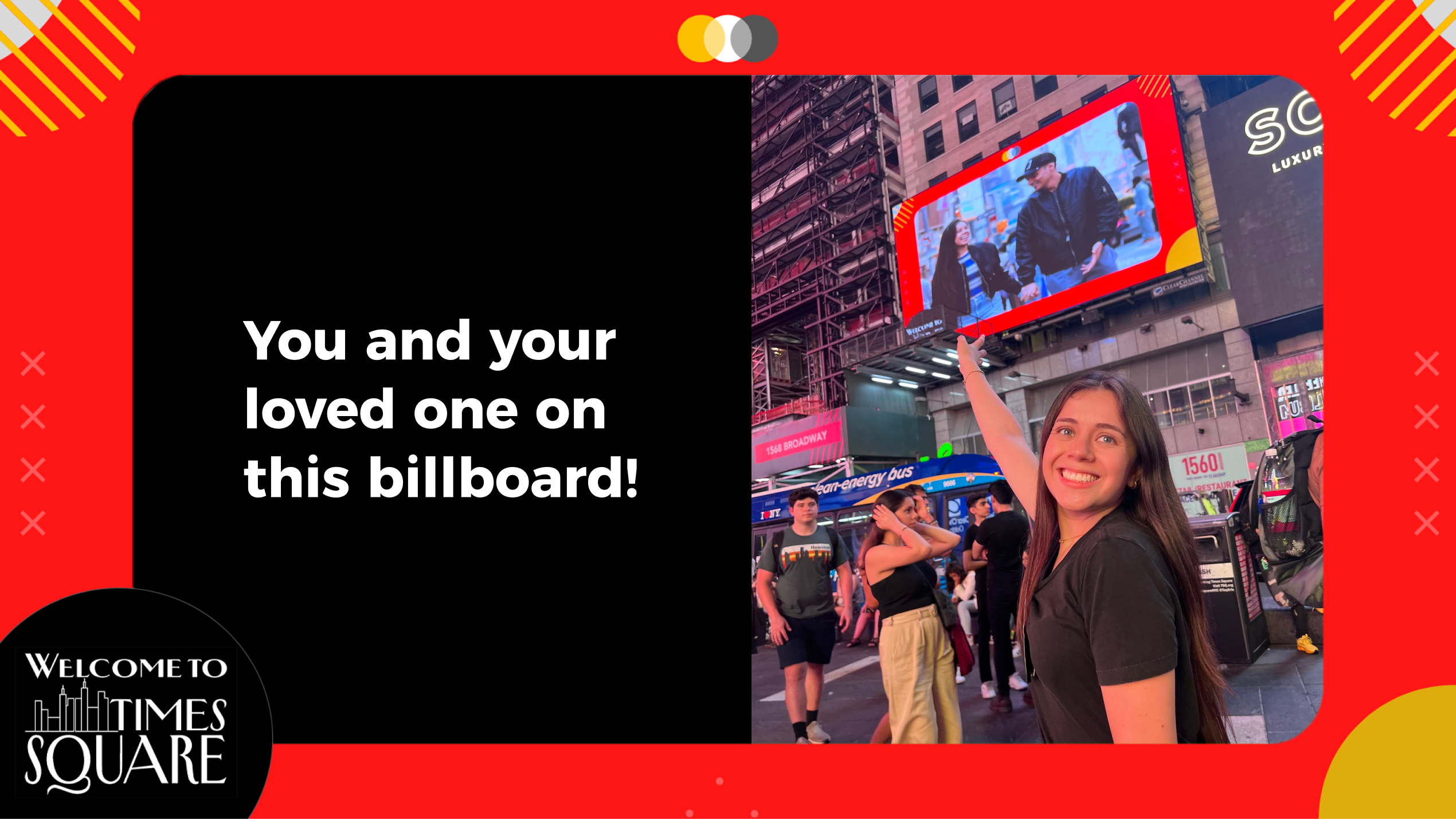
Now for the question that burns in your wallet: how much does it actually cost? The answer is a wide, winding road. On average, a single billboard rental runs from $1,500 to $15,000 per month, depending on location, size, and traffic count. A rural highway spot might cost you $500 a month, while a prime Times Square billboard can push past $1.1 million for just four weeks—yes, million with an “m.”
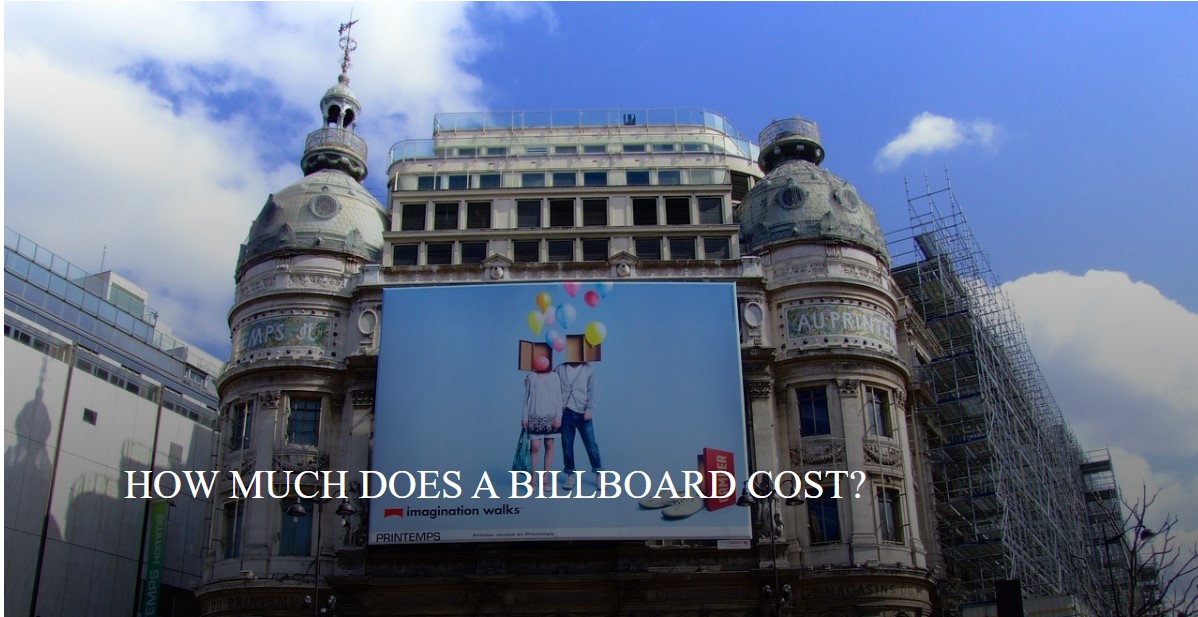
But the real pricing logic is about impressions, not just square footage. You’re paying for the number of eyeballs that pass by daily; a high-traffic interstate near a mall will cost 10x more than a quiet side road. Also, expect to pay setup and printing fees (often $500 to $2,000) for the vinyl itself, plus a lighting surcharge if you want it illuminated at night.
If you’re on a budget, don’t panic—you have options. Consider a rotating billboard, where your ad shares space with two or three others, slashing costs to around $200–$800 per month. Or buy off-peak months (January and February are dead zones for advertisers) and negotiate a 20–30% discount. Another trick: look for “digital billboards” that run eight-second loops; they’re cheaper per exposure and let you change your message daily.
To get the most bang for your buck, keep your design dead simple—no more than seven words and one high-contrast image. Drivers have about three seconds to read it, so a huge phone number is useless; instead, use a memorable short URL or a QR code. Also, choose a location facing morning traffic (people are sharper) rather than an evening route where they’re exhausted and just want to get home.
Finally, always ask for a “test run”—many billboard companies offer a two-week weekend rental for a fraction of the monthly rate. That’s perfect for an event like a garage sale or a local concert. And remember, the price tag isn’t just for the sign; it’s for the bragging rights that come with hearing a friend say, “Wait, is that you up there?” Sometimes, that alone is worth the five grand.