
How Much Does Lvn Make In California

The first time you hear “LVN,” you might picture a luxury handbag or a line outside a club in West Hollywood. But in the fluorescent-lit corridors of California’s healthcare system, an LVN—a Licensed Vocational Nurse—is the quiet engine keeping the whole operation humming. It’s a profession that doesn’t demand a four-year degree but asks for a steely nerve, a soft heart, and an almost supernatural tolerance for hospital cafeteria coffee. When people ask, “How much does an LVN make in California?” they’re usually expecting a simple number. The reality, like a good medical drama, is far more complicated—and far more lucrative than most assume.
California is a strange beast: it’s the land of $20 avocado toast and also the state that pays its vocational nurses some of the highest wages in the nation. The profession itself has roots in the wartime nursing shortages of the 1940s, when the US needed trained caregivers fast. Today, with a massive aging population (hello, Baby Boomers) and a chronic physician shortage, the LVN has morphed from a support role into a critical, autonomous practitioner. The money matters because the state’s cost of living is a monster, but the role matters because you’re often the first person to hold a stranger’s hand at 3 AM. Let's peel back the layers of the paycheck, the psychology, and the sheer hustle of being an LVN in the Golden State.
The Velvet Rope: Base Pay, Overtime, and the Geography of Cash
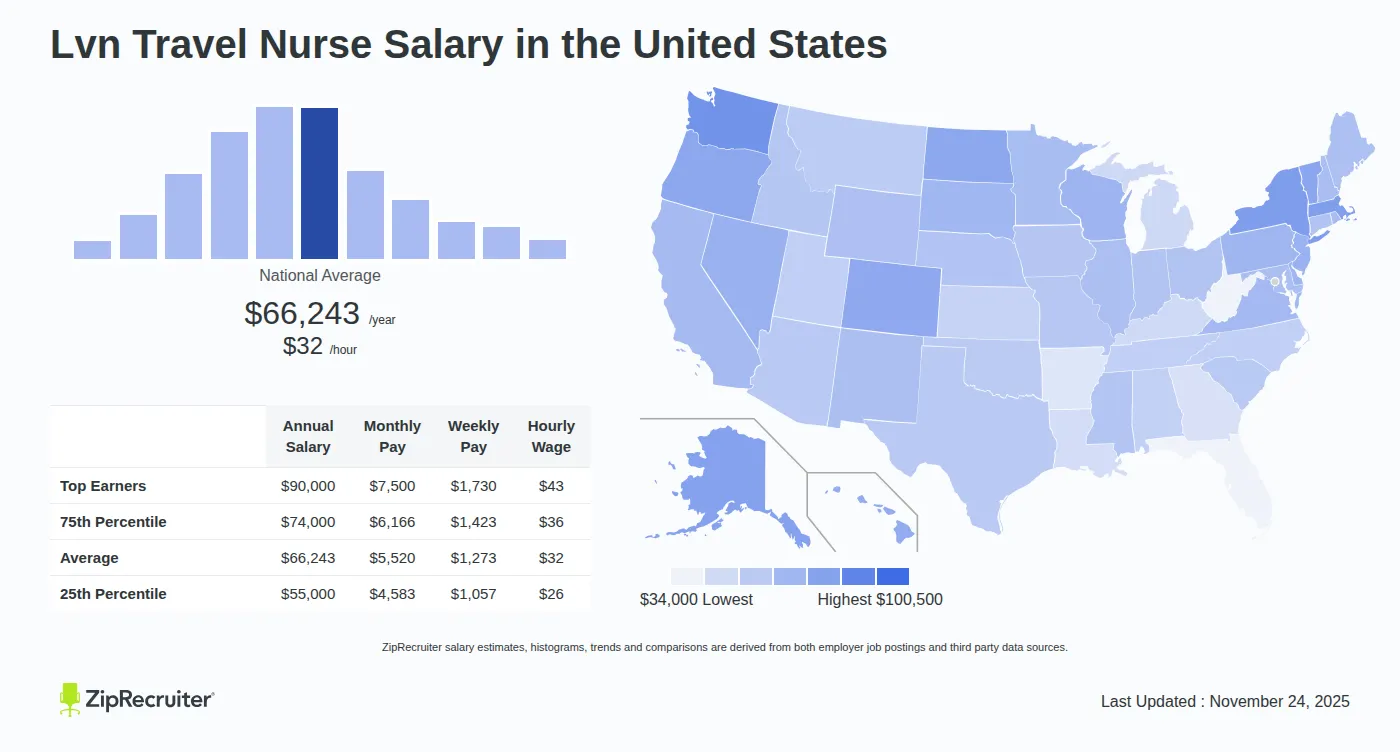
Let’s get the headline figure out of the way: the average LVN salary in California hovers around $65,000 to $75,000 per year, according to recent Bureau of Labor Statistics data. But that’s just the cover charge. The real money is made in the margins, the differentials, and the geography. In metropolitan hubs like San Francisco, Oakland, and San Jose, the average annual wage can easily push past $82,000, with top earners in specialized skilled nursing facilities clearing $95,000. Compare that to the national average of around $54,000, and you’ll understand why LVNs from Texas and Ohio are eyeing a U-Haul.
Must Read
The psychological trick here is that the salary is a bait-and-switch. The base pay looks decent, but the true earning power comes from night shifts, weekend differentials, and holiday premiums. A single Friday night shift in a Bay Area hospital can add a 15% bump to your hourly rate. In rural counties like Tulare or Fresno, the base pay drops to around $55,000, but the cost of housing plummets so dramatically that your effective purchasing power might actually be higher. It’s a classic California paradox: you can make $90,000 in San Francisco and still live like a monk in a studio apartment, or make $60,000 in Bakersfield and own a three-bedroom house with a pool. The smart LVN treats the state like a Monopoly board, strategically positioning themselves where the rent-to-income ratio works in their favor.
Dark fun fact: the highest-paying employers for LVNs in California are not hospitals. They are state government agencies (think correctional facilities) and home health care agencies that operate on Medicare reimbursements. Working as an LVN in a state prison can yield annual earnings near $100,000, but you’re trading the bright lights of a cardiac unit for the clang of metal doors. It’s a gritty, high-stakes environment that requires a different kind of backbone. Meanwhile, the lowest-paying settings—ironically the ones with the most heart—are small private clinics and adult day health centers, which often stall in the low $50,000 range. The lesson? Your salary is not just a reflection of your skill; it’s a reflection of who is signing your check and where that check is cashed.
The Great Reshuffling: Case Studies and Cash Flow Strategies
Meet Maria, a 34-year-old LVN in Los Angeles. She works per diem at two different facilities: a bustling urgent care on weekdays and a memory-care unit on Sunday nights. By stacking shifts and never turning down a holiday, Maria pulls in roughly $78,000 annually. Her secret isn’t overtime—it’s differential stacking. She picks the shifts that other nurses avoid (Thanksgiving, Christmas morning) and banks a 2x multiplier. Her take-home is robust, but her real strategy is the “geographic arbitrage”: she lives in Inglewood, where rent is rising but still manageable, and commutes 30 minutes to a hospital in Torrance that pays a premium for critical coverage. She’s not just a nurse; she’s a financial engineer with a stethoscope.
Then there’s James, a 45-year-old LVN who transitioned from hospital work to a skilled nursing facility (SNF) in Sacramento. His base is $34/hour, which sounds average, but his facility offers a lucrative $5,000 sign-on bonus and weekly pay. Over the year, he hits $72,000, but his real profit comes from the lack of commute and the on-site affordable housing program his employer provides. He’s saving $1,200 a month on rent alone. The takeaway? Look beyond the hourly rate. Look at the total compensation package: tuition reimbursement, retirement matching, and childcare stipends can be worth $10,000 to $15,000 more than the raw salary number.
For the new grad, the path is different. An LVN program in California takes about 12 to 18 months, and the NCLEX-PN exam is brutal—a 36% fail rate for first-timers in some counties. But once you pass, the job market is voracious. The actionable advice here is to negotiate your first offer. Hospitals in the Central Valley are desperate; they will often offer $30/hour to start, but if you push for a base of $33/hour plus a weekend differential, they usually fold. Another insider tip: get your IV certification and phlebotomy endorsement immediately. These add a $2 to $4 per hour premium and make you interchangeable with a Registered Nurse (RN) in many routine tasks. You’re not just earning a wage; you’re building a resume that screams “indispensable.”
Consider the "travel LVN" angle. While travel RNs get all the glory, travel LVNs are a hidden gem. Agencies like Aya or Trusted Health are placing LVNs on 13-week contracts in California’s rural outposts, offering housing stipends and hourly rates of $40 to $50. A savvy nurse can work nine months out of the year, take three months off, and still gross over $85,000. The downside? No benefits, no job security, and the constant whiplash of adapting to new charting systems. But for the adventurous soul, it’s a cash-flow accelerator that a traditional staff job can never match.
The Unfiltered Q&A: What You’re Really Asking About LVN Salaries
1. Can an LVN actually live comfortably in Los Angeles or San Francisco on that salary?
Let’s be brutally honest: living comfortably alone on an LVN salary in San Francisco is nearly impossible. The median rent for a one-bedroom in SF is over $3,000/month, which would eat roughly 50% of your take-home if you earn $85,000. You’d need a roommate, a partner’s income, or a rent-controlled apartment you’ve held since 2015. However, "comfortable" changes meaning if you live in the East Bay (Oakland, Richmond) or the Valley (Van Nuys, Reseda). In those areas, a $70,000 salary allows for a decent studio, a car payment, and the occasional sushi dinner. The key is to redefine comfort: it’s not about living in the heart of the city; it’s about living within your means while still having access to the city’s perks. Most LVNs I know in LA live in the San Fernando Valley or Long Beach, where their money stretches 30% further.

On the other hand, if you’re willing to trade urban glamour for desert heat, cities like Bakersfield, Visalia, or Modesto offer LVN salaries of $62,000-$68,000, with mortgage payments on a starter home under $1,800. That is a life-changing difference. You can own a home, raise a family, and actually save for retirement. The psychological shift here is about priorities: are you paying rent for the privilege of being near a trendy café, or are you building equity for your future? The smart LVN in California often uses the rural high-wage areas as a savings engine, then relocates to a coastal suburb later. It’s a 10-year hustle, not a 2-year sprint.
2. Is it worth getting an LVN license instead of just going straight for an RN?
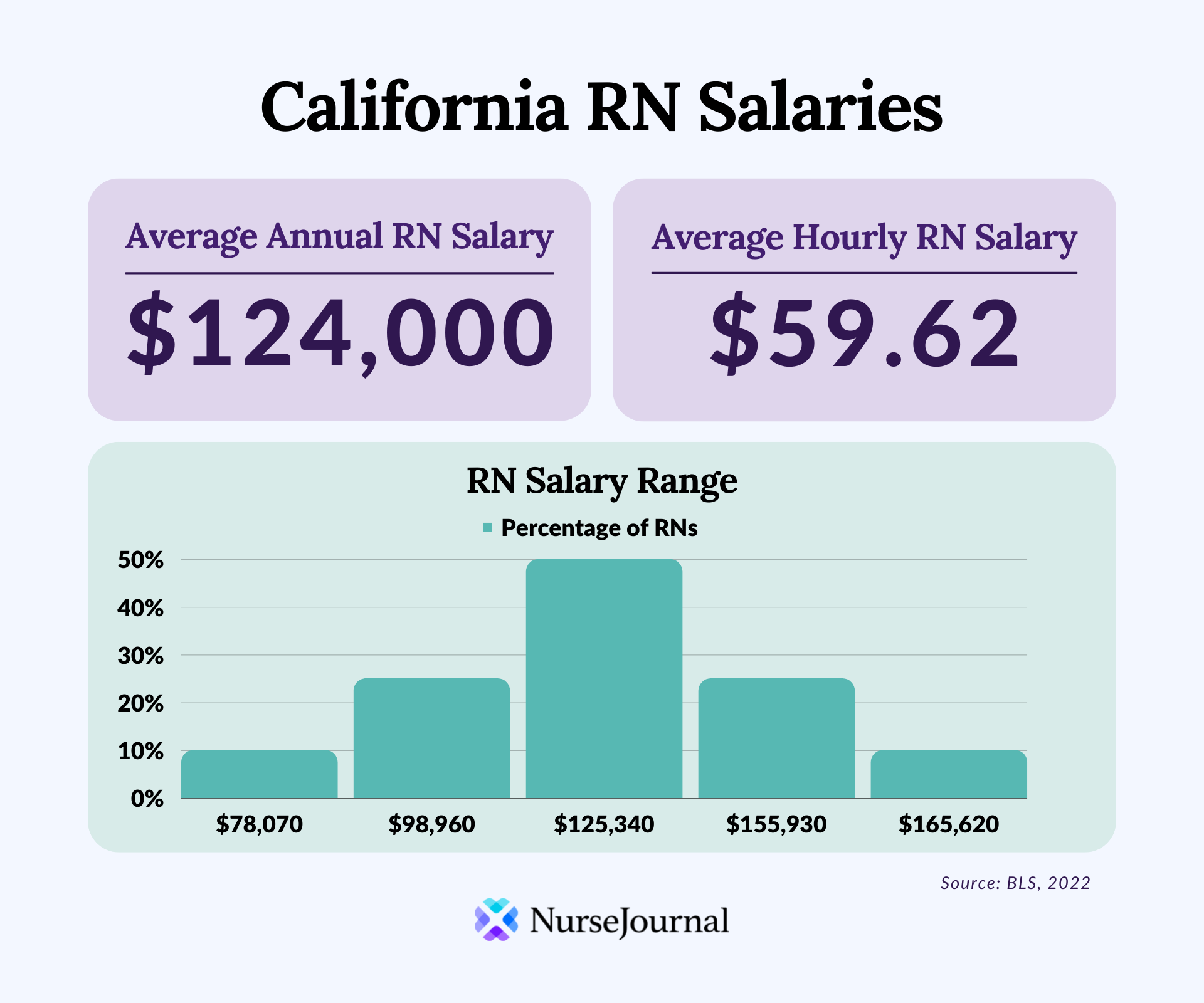
Financially, the answer is a nuanced yes. An LVN program costs between $8,000 and $15,000 and takes 12-18 months. An ADN (Associate Degree in Nursing) for RNs costs $15,000-$30,000 and takes 2-3 years. The immediate return on investment for an LVN is faster cash flow. You can be earning $65,000 within two years of starting your education, whereas an RN might still be in clinicals. The trap is the ceiling. An RN in California averages $120,000, which is nearly double the LVN rate. So, the LVN path is a strategic bridge: you work as an LVN, use employer tuition reimbursement to take RN bridge courses part-time, and then leap over the pay gap. It’s a slower trajectory but a safer financial one, especially if you have family obligations. The psychology is about delayed gratification versus immediate survival. If you can survive on $40,000 for three years, go straight for RN. If you need to pay bills now, the LVN route is the pragmatic champion.
However, the job satisfaction angle is equally important. Many LVNs in California report feeling more hands-on with patients, particularly in long-term care, because they have greater daily responsibility for hygiene, mobility, and basic wound care. An RN is often burdened with medications, care plans, and administrative documentation, working behind a computer for half the shift. If you love direct human contact and hate paperwork, an LVN can be a more fulfilling career despite the lower pay. But if you aim for the ICU or emergency room, the RN is non-negotiable. The choice is a reflection of your temperament, not just your bank account.
3. How does overtime and shift differential actually change the monthly take-home?
This is where the “dark fun” comes in. California labor law mandates overtime pay (1.5x) for any hours worked over 8 in a single day, not just over 40 in a week. That means a 12-hour shift with a 4-hour overtime block could see your hourly rate jump from $38 to $57 for those final hours. Add a night shift differential of $3.50/hour and an acute-care facility bonus of $2/hour for weekends, and a single Thursday night shift could net you $520 for 12 hours. Do that twice a week, and your monthly gross balloons from $4,800 to nearly $7,500. The devil is in the scheduling: many LVNs “clump” their shifts—working three 12-hour days in a row, then taking four days off. That schedule triggers daily overtime on the third day, dramatically inflating the paycheck.

But the psychology of overtime is a double-edged sword. The emotional exhaustion from back-to-back 16-hour days leads to burnout, which leads to turnover. The golden rule is to cap your overtime at 20% of your total hours. Above that, the tax man takes a bite (California state taxes + federal), and your hourly effective rate drops. Also, beware of the "wage compression" effect: if you earn too much overtime in one year, your state disability insurance and unemployment benefits calculations for the next year are based on that inflated number, which sounds good but usually just means you pay more in taxes. A wise LVN uses overtime as a tactical weapon—for a specific savings goal (a vacation, a down payment)—not as a permanent lifestyle.
4. Are there any hidden perks or benefits that effectively raise the LVN salary?
Absolutely. The most underrated perk in California is the employee-funded Health Savings Account (HSA) combined with a high-deductible health plan. A savvy LVN can contribute $4,150 tax-free into an HSA, which can be invested in mutual funds, effectively acting as an extra retirement account. Additionally, many unions—especially SEIU and the California Nurses Association (which represents LVNs in public hospitals)—negotiate for pension plans. A defined-benefit pension is worth an extra 10-15% on top of your salary. If you work for the state (like in a correctional facility), you get CalPERS, which is one of the most robust pension systems in the country. That’s not just a job; that’s a golden handcuff.
Another silent booster is the tuition reimbursement and certification pay. Hospitals in California are desperate to upskill their LVNs into wound-care specialists, IV therapists, or gerontology experts. These certifications often come with a $2-$4/hour “skill differential.” If you get certified in IV therapy and phlebotomy, you effectively add $5,000-$8,000 to your annual salary for free. Plus, many facilities offer $2,000-$7,000 per year in tuition assistance, which means you can earn your RN degree entirely on their dime. The secret is to treat your LVN salary as a baseline, then aggressively hunt for every differential, certification, and educational stipend. In California, the gap between a “lazy” LVN and a “hustler” LVN can be as much as $25,000 a year.
5. What is the job security outlook for LVNs in California over the next decade?
The future is absurdly bright, but with a shade of volatility. The California Department of Health projects a 14% growth in LVN jobs through 2030, faster than the national average. The drivers are simple: the state’s 65+ population will triple in size, and the demand for long-term care, home health, and rehab services is exploding. However, the volatility comes from the scope of practice regulations. California is expanding LVN autonomy—they can now administer certain medications and manage care for chronic conditions without RN supervision in specific settings. That expansion directly correlates with higher wages. But if insurance reimbursement rates for skilled nursing facilities drop, some facilities might cap LVN hours, making the job market more competitive.
The darker side of the outlook is the burnout rate. The California Nurses Foundation reports that vocational nurses have one of the highest turnover rates in healthcare, above 20% annually. This constant churn actually benefits the individual worker because facilities are forced to offer higher premiums and sign-on bonuses to retain anyone. In the next five years, I predict we’ll see more "LVN to RN" bridge programs funded entirely by hospital systems, as they realize it’s cheaper to promote from within than to recruit from out of state. For the new entrant, the advice is clear: don’t worry about automation or AI stealing your job. A robot can’t reposition a bedridden patient or hold a dying person’s hand. Your job is safe—it’s your sanity that needs protection.
In the end, the question “how much does an LVN make in California” is a gateway to a deeper conversation about what we value in our lives. Are we chasing the highest number on a W-2, or are we chasing a life that feels coherent? The LVN who works in a rural clinic for $60,000 but goes home to a garden and a quiet neighborhood might be richer than the LVN making $95,000 in Palo Alto who has no savings and chronic anxiety. Money is a tool, but in California, it’s a particularly heavy one—capable of building beautiful things or crushing you with pressure.
Working as an LVN touches the core of human nature: the need to be useful, the desire for financial security, and the fear of being forgotten. Every time you check a blood pressure or change a dressing, you’re participating in an ancient contract of care. The salary reflects the society’s appreciation, but it also reflects the fatigue. You have to be mercenary about your earnings to survive the cost of living, yet you have to be an angel to do the job well. It’s a tightrope walk between cynicism and compassion.
Ultimately, the LVN salary in California is not just a payment for services rendered. It is a measure of the resilience of the human spirit. It’s proof that you can start without a pedigree, work with your hands, and still carve out a respectable, dignified life in one of the most expensive states in the union. So, when you see that offer letter with a $68,000 base salary, remember: you aren’t just being paid to work. You’re being paid to hold the line against chaos, to comfort the frightened, and to show up with a steady hand when the world shakes. That is worth more than any number on a pay stub—but don’t ever let them pay you less because you believe that.


