How Much Does It Cost To Spray A Car
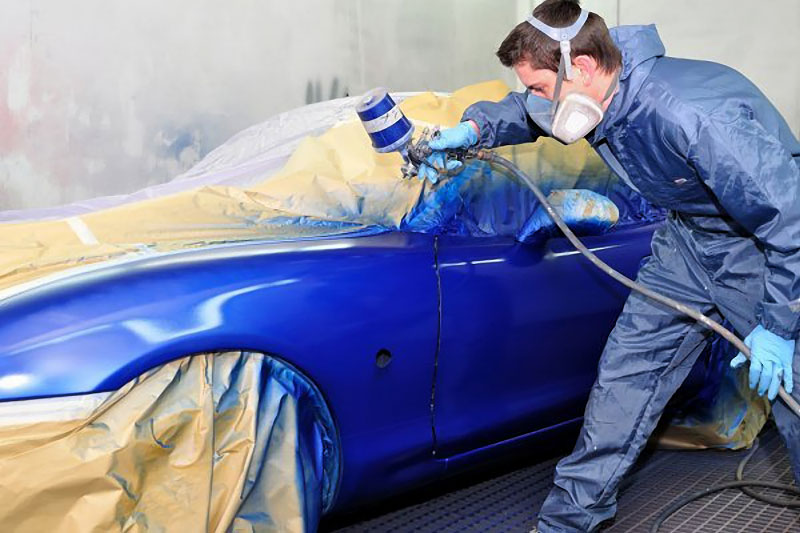
Picture this: you’re staring at a car that’s the color of a bruised banana, with paint peeling like sunburned skin. You dream of a shiny, candy-apple red finish that makes neighbors whip out their phones. But then the panic hits—will this cost me a kidney, a car, or a small country?
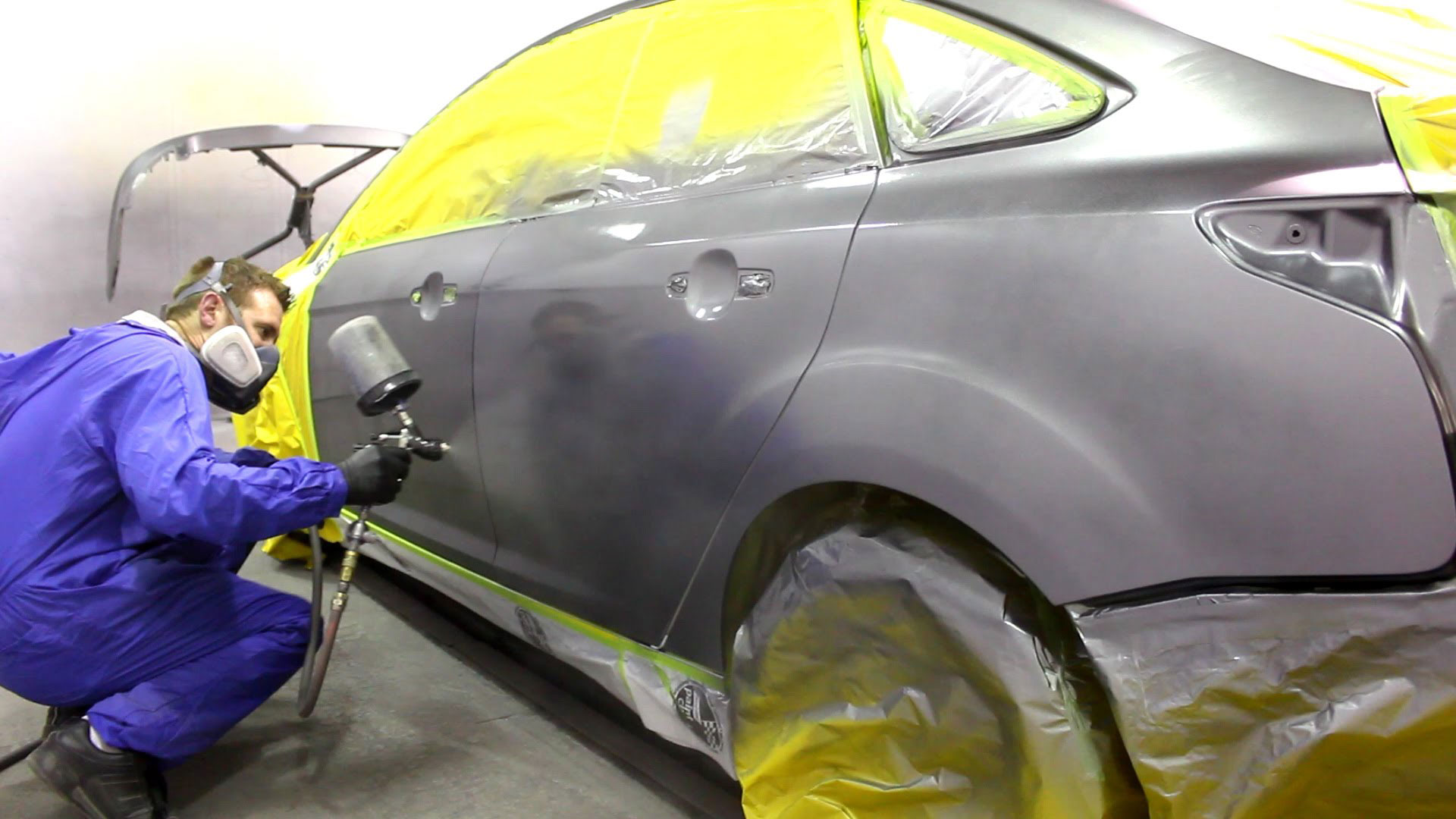
Breathe, friend. Spraying a car isn’t one price; it’s a sliding scale from “bargain bin” to “my garage is now a luxury spa.” On the low end, a “quickie” spray job might set you back $500 to $1,500—think of it as a fast-food burger: fills the hole, but the taste is suspicious.
That budget option usually means you’re getting a single-stage paint, maybe a bit of overspray on your windows, and the paint job will chip if you look at it wrong. It’s perfect for a beater you’re flipping, or if you secretly enjoy the “mad max” aesthetic. Just don’t expect to win any car shows, unless the theme is “abstract rust patterns.”
Must Read
The “Sweet Spot” That Won’t Break Your Bank
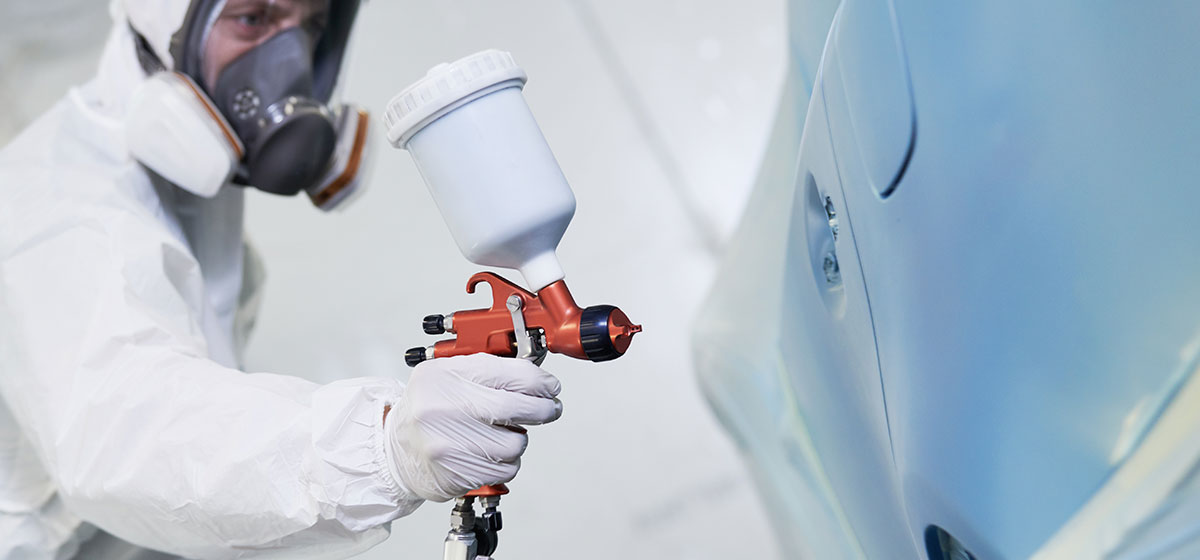
Now, for the majority of us, the mid-range spray is where the magic happens. Expect to pay between $1,500 and $4,000 for a decent, two-stage paint job (that’s the base color plus a clear coat, the stuff that makes it shine like a wet otter).
This price gets you a professional prep—they’ll sand down the old paint, tape off your trim, and spray in a clean booth. The finish will look factory-fresh for years, and you’ll finally stop apologizing to your car for its complexion.
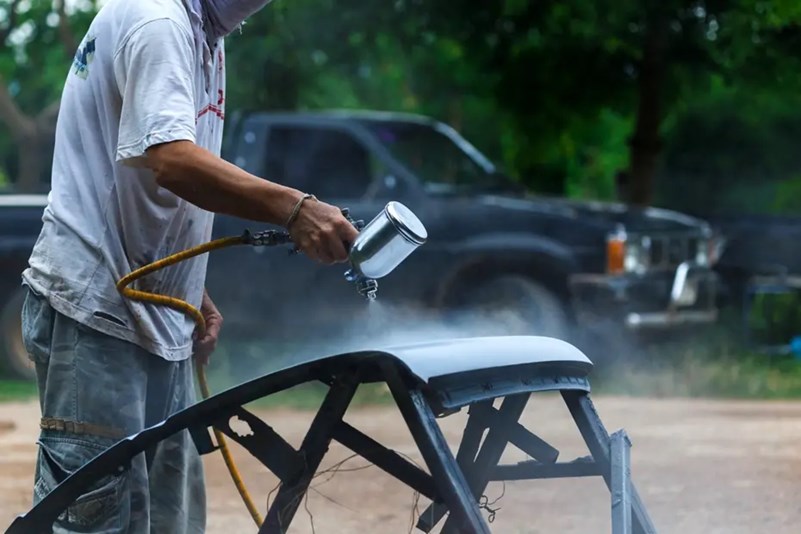
Think of it like buying a good pair of jeans: not designer, but they fit well and don’t split when you bend over. You’ll get a solid color, minimal dust nibs, and a shine you can see your smug grin in.
The “Showroom Or Bust” Luxury Package
If you’ve got a classic muscle car or a trophy-worthy sports car, you’re looking at the “full monty”—a show-quality spray that runs from $5,000 to a jaw-dropping $15,000+. This is not paint; this is liquid glass applied by wizards with steady hands and an unhealthy obsession with orange peel texture.
They’ll disassemble your entire car—bumpers off, windows out, door handles in a labeled baggie—and then spray each panel individually. The result is a mirror-like finish so deep you could shave by it, and touch-ups are virtually invisible.
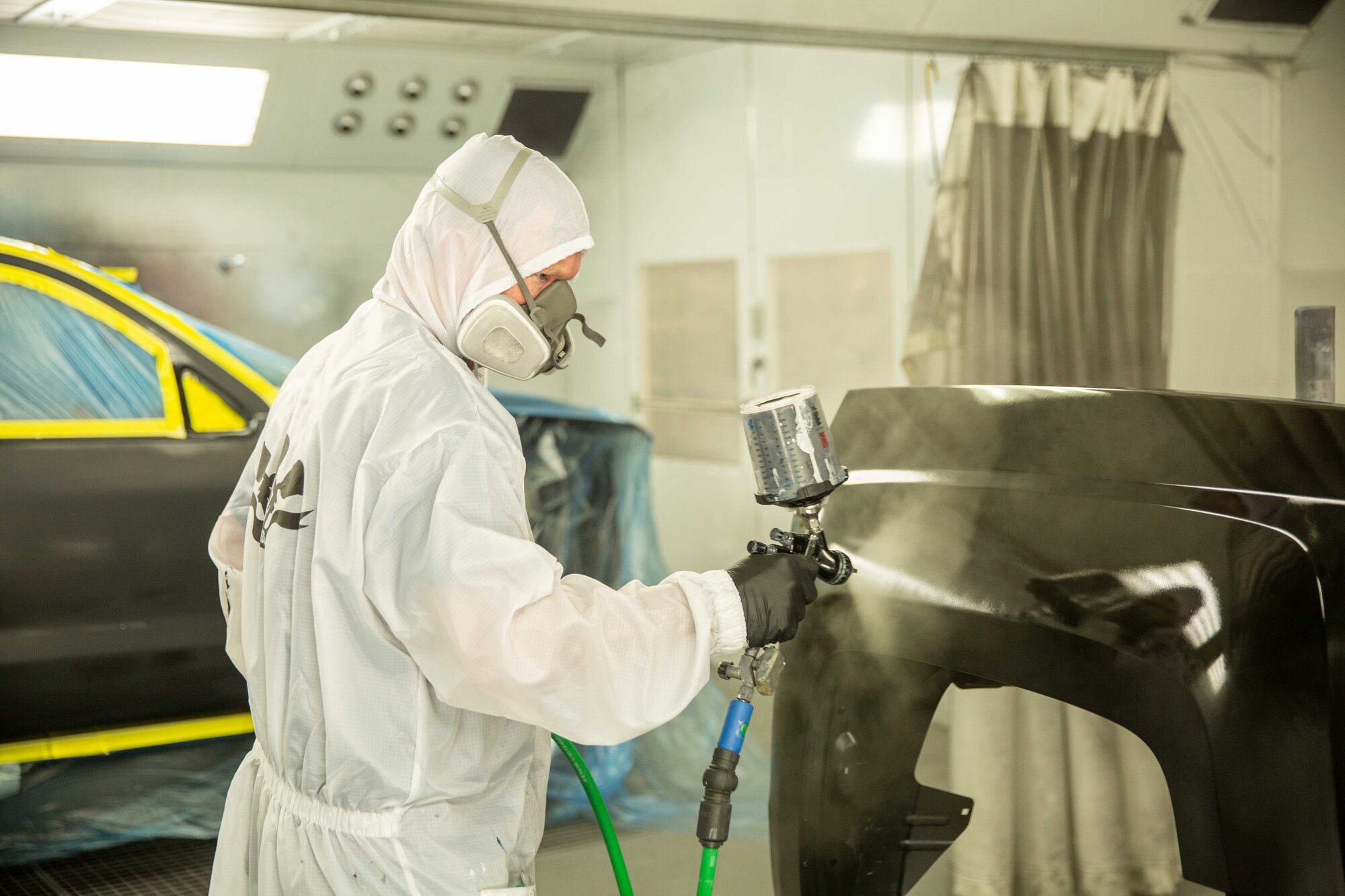
Honestly, at this price, they might as well wrap it in a unicorn’s coat, because you’re paying for perfection, not just color. Your car will look better than it did when it rolled off the factory line, and strangers will approach you at gas stations to ask if it’s a custom job.
What Secretly Drives the Price Up (or Down)
Here’s the plot twist: the car itself is a price villain. A tiny two-door coupe? Cheap. A massive SUV or a long-bed truck? You’re paying by the square foot, so expect an extra $500 to $1,000 just for the real estate.

Color matters too—a basic white or black is like ordering plain pizza; but a tri-coat pearl or a metallic flake is the loaded, extra-cheese, stuffed-crust version, and it’ll cost more. And if your car has dents or rust, the prep guy will find them faster than a dog finds a dropped hot dog—each dent fixes adds anywhere from $50 to $200 to the bill.
The golden rule: You can pay a little now, or a lot later. Cheap paint jobs often peel within two years, and then you’re paying twice. It’s like buying a $30 hair dryer that catches fire—just don’t.
So, what’s the real answer? If you’re on a budget, save up for the $2,500 range and skip the fast-food special. If your car is your pride and joy, don’t flinch at the $7,000 quote—just smile, hand over the keys, and start planning the neighborhood parade.
And hey, if the price still makes you dizzy, remember: you can always buy a $20 can of spray paint and a lot of patience. But your neighbors might start calling you “Rusty,” and not in a cute way. So do your wallet a favor, get a real quote, and treat your car to the spa day it deserves.