How Much Does It Cost For A Master's Degree

Hey there, friend! So, you're thinking of pursuing a Master's degree? That's a big decision, and I'm sure you're wondering, how much is this gonna set me back? Let's dive into the world of Master's degrees and explore the costs involved.
A Master's degree can cost anywhere from $10,000 to $50,000 or more per year, depending on the institution, program, and location. Yeah, I know, it's a pretty wide range, but stick with me, and we'll break it down. Some programs, like those in engineering or business, might be more expensive than others, like education or humanities.
Types of Master's Degrees
There are many types of Master's degrees out there, and each has its own price tag. You've got your Master of Arts (MA), Master of Science (MS), and Master of Business Administration (MBA), to name a few. Each program has its own unique costs, so it's essential to research the specific program you're interested in.
Must Read
For example, an MBA program can cost upwards of $50,000 per year, while a Master's in Education might be more around $10,000 to $20,000 per year. It's also worth noting that some programs might be more expensive because they're online or part-time, which can be a great option for those with busy schedules.
Tuition Fees
Tuition fees are a significant part of the cost of a Master's degree. These fees can vary greatly depending on the institution and program. Some universities might charge in-state tuition, which is usually lower, while others might charge out-of-state tuition, which can be much higher.
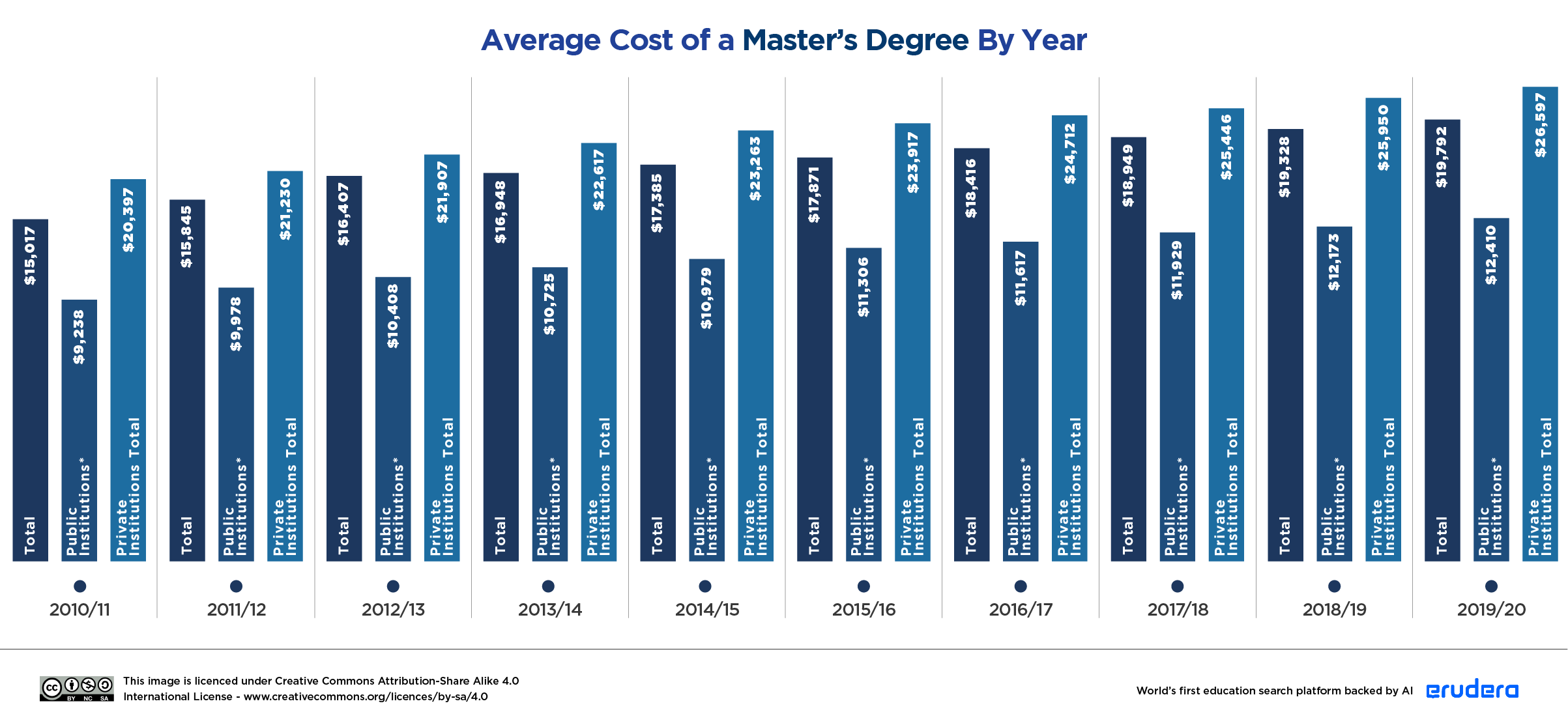
For instance, a public university might charge $10,000 per year for in-state tuition, while a private university might charge $30,000 per year. Yeah, it's a big difference, but it's essential to consider all the factors, like the quality of education and the reputation of the institution.
And then there are the additional fees, like application fees, exam fees, and living expenses. These can add up quickly, so make sure you factor them into your budget. I mean, who doesn't love a good budget spreadsheet, right?
Living Expenses
Living expenses are a crucial part of the cost of a Master's degree. You've got to consider housing, food, transportation, and all the other essentials. These expenses can vary greatly depending on the location and your lifestyle.
For example, living in a big city like New York or San Francisco can be super expensive, with rent alone costing $2,000 to $3,000 per month. On the other hand, living in a small town might be more affordable, with rent costing $800 to $1,200 per month.
And then there are the opportunity costs to consider. I mean, think about it, if you're pursuing a Master's degree, you might have to put your career on hold or reduce your work hours. That's a significant sacrifice, but it might be worth it in the long run.

Scholarships and Financial Aid
Luckily, there are many scholarships and financial aid options available to help fund your Master's degree. You've got government scholarships, private scholarships, and institutional scholarships to name a few.
Some universities also offer assistantships or teaching assistantships, which can be a great way to fund your education while gaining valuable work experience. And let's not forget about loans, which can be a viable option, but make sure you understand the interest rates and repayment terms.
It's also worth noting that some employers might offer tuition reimbursement or education assistance programs, which can be a huge help. So, be sure to check with your employer to see what options are available.

Conclusion
So, there you have it, a rough idea of what it costs to pursue a Master's degree. It's not cheap, but it can be a worthwhile investment in your future. Just remember to do your research, create a budget, and explore all the funding options available to you.
I hope this little chat has been helpful, friend! Pursuing a Master's degree is a big decision, but with the right information and planning, you can make it happen. And hey, if all else fails, you can always make a budget spreadsheet and cry into your coffee cup, like I do.
Just kidding, kind of. Seriously though, it's essential to consider all the factors and make an informed decision. So, go ahead, grab another cup of coffee, and start exploring those Master's programs. Good luck, and I hope you find the perfect program for you!