How Much Does An Std Screening Cost At Planned Parenthood
When it comes to maintaining our overall health and well-being, one crucial aspect that often gets overlooked is sexual health. Getting regular STD screenings is an essential part of being responsible and proactive about our health. For many individuals, Planned Parenthood is a trusted and reliable source for these screenings. But how much does an STD screening cost at Planned Parenthood? The answer can vary depending on several factors, including the type of test, location, and insurance coverage. In this article, we will delve into the world of STD screenings, exploring the science behind them, the costs involved, and practical strategies for making the most of these services.
Biology plays a significant role in understanding how STDs are transmitted and how they can be detected. STDs, or sexually transmitted diseases, are infections that are primarily spread through sexual contact. These diseases can be caused by bacteria, viruses, or parasites, and if left untreated, they can lead to serious health complications. STD screenings are designed to detect the presence of these pathogens in the body, allowing for early treatment and prevention of long-term damage. At Planned Parenthood, the types of STD screenings offered include tests for chlamydia, gonorrhea, syphilis, HIV, and herpes, among others.
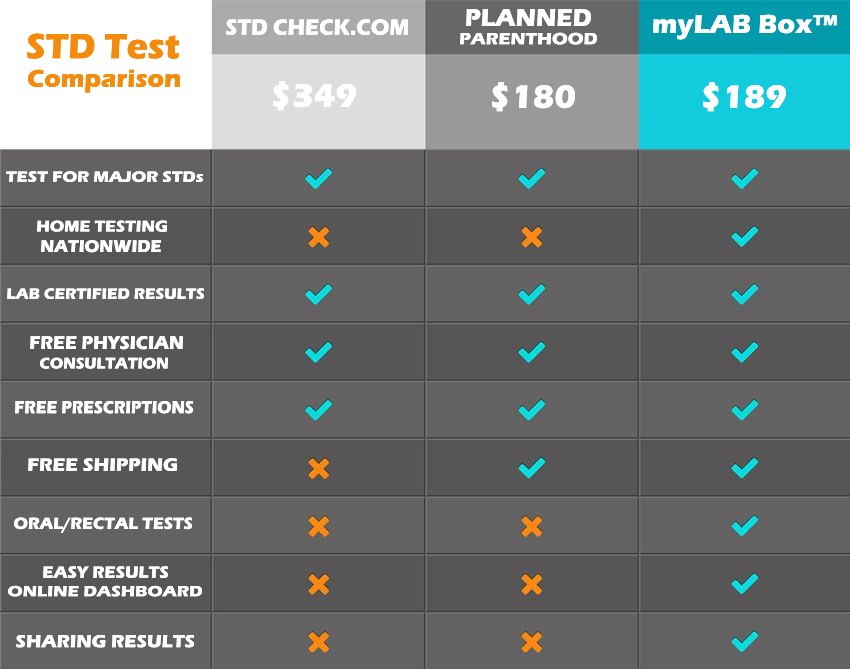
The cost of an STD screening at Planned Parenthood can range from $0 to $200, depending on the services needed and the patient's income level. For those with insurance, the out-of-pocket cost may be lower or even zero, thanks to provisions under the Affordable Care Act. However, for individuals without insurance, Planned Parenthood offers a sliding fee scale based on income, making these essential health services more accessible to everyone. Understanding the costs and what they cover is crucial for planning and budgeting for healthcare needs.
Understanding the Science Behind STD Screenings
Diving deeper into the science, microbiology and immunology are key fields of study that underpin our understanding of STDs and how they are screened for. Microbial culture, PCR (Polymerase Chain Reaction), and rapid antigen tests are among the diagnostic methods used to identify specific pathogens. Each method has its own sensitivity, specificity, and turnaround time, influencing the choice of test depending on the suspected infection and clinical presentation. The human immune response also plays a critical role in the detection of STDs, as the body's reaction to an infection can sometimes be the first indicator of disease.
Furthermore, advancements in molecular biology have led to the development of more accurate and rapid testing methods. For instance, NAATs (Nucleic Acid Amplification Tests) can detect the genetic material of pathogens, offering a high degree of sensitivity and specificity. These advancements in testing technology have not only improved the accuracy of diagnoses but also enabled healthcare providers to tailor treatments more effectively to the specific cause of infection. This personalized approach to medicine enhances patient outcomes and contributes to public health efforts aimed at controlling the spread of STDs.
In the context of Planned Parenthood, the integration of these scientific principles into their services means that patients receive not only high-quality care but also education on STD prevention and management. By understanding the biology and science behind STDs and their screenings, individuals can make informed decisions about their sexual health, facilitating a proactive rather than reactive approach to wellness.

Mastering STD Screenings: Practical Strategies
To make the most out of STD screenings, individuals should first know their risk factors. This involves being aware of the types of sexual activities that increase the risk of STD transmission and taking steps to reduce these risks, such as using protection during sexual intercourse. Regular screenings are also crucial, especially for those who are sexually active with multiple partners. Planned Parenthood recommends that sexually active women under 25 should be screened for chlamydia and gonorrhea every year, while men who have sex with men should be screened at least annually for syphilis, gonorrhea, and chlamydia.
Being prepared for the screening is another key strategy. This includes understanding what to expect during the visit, the types of tests that will be performed, and how to interpret the results. For many tests, patients will need to provide a urine sample or undergo a swab test, which may seem daunting but is a quick and relatively painless process. Being open with healthcare providers about sexual history and any symptoms experienced is also vital for ensuring that the appropriate tests are conducted and that patients receive the care they need.
Prevention is another critical aspect of managing STDs. Besides screening, preventing the transmission of STDs involves practicing safe sex, such as using condoms correctly and consistently, and being in a monogamous relationship with a partner who has been tested and is known to be uninfected. Vaccines are available for certain types of STDs, like HPV (Human Papillomavirus) and hepatitis B, and getting vaccinated can significantly reduce the risk of contracting these infections.
Lastly, follow-up care is essential after receiving test results. If an STD is diagnosed, adhering to the prescribed treatment regimen is crucial for clearing the infection and preventing long-term health issues. In cases where the test results are negative, continued vigilance and regular screenings as recommended by healthcare providers will help in maintaining sexual health. By combining these strategies, individuals can effectively manage their risk of STDs and protect their overall well-being.

Frequently Asked Questions
What Should I Expect During an STD Screening at Planned Parenthood?
During an STD screening at Planned Parenthood, patients can expect a confidential and non-judgmental experience. The visit typically begins with a medical history questionnaire that helps healthcare providers understand the patient's risk factors and determine which tests are necessary. The tests themselves may include a physical exam, urine tests, blood tests, or swab tests, depending on the types of STDs being screened for. It's essential to ask questions during the visit, such as what the tests entail, how long it will take to get the results, and what the next steps will be if an infection is found.
In terms of preparation, patients are usually advised to avoid urinating for at least an hour before the visit if a urine test is anticipated. For individuals who are anxious about the screening process, discussing these concerns with the healthcare provider can help alleviate fears and make the experience smoother. Planned Parenthood's staff are trained to provide support and education, ensuring that patients feel empowered to take control of their sexual health.
How Long Does It Take to Get STD Test Results from Planned Parenthood?
The time it takes to receive STD test results from Planned Parenthood can vary based on the type of test conducted and the laboratory processing times. For some tests, such as rapid HIV tests, results may be available in as little as 20 minutes. Other tests, like those for chlamydia and gonorrhea, might require several days to a week for results to come back from the lab. It's important for patients to ask about the expected turnaround time for their specific tests so they can plan accordingly.
Understanding the timeframe for receiving results allows individuals to better manage their time and anxiety. In the meantime, patients should continue to practice safe sex to avoid potential transmission of any undiagnosed infections. Once the results are in, Planned Parenthood healthcare providers will discuss them with the patient, explain what they mean, and outline any necessary next steps, whether it's treatment for an STD or continued prevention strategies.
Can I Get Treatment for an STD at Planned Parenthood If I Test Positive?
If an STD test comes back positive, Planned Parenthood offers treatment options for many types of infections. The specific treatment will depend on the STD diagnosed, the severity of the infection, and the patient's medical history. For bacterial infections like chlamydia and gonorrhea, antibiotics are typically prescribed, which can usually clear the infection if taken as directed. For viral infections, such as HIV and herpes, treatment may involve antiviral medications to manage symptoms and reduce the risk of transmission to others.
It's crucial to follow the treatment plan as prescribed by the healthcare provider to ensure the infection is fully cleared and to prevent the development of antibiotic resistance. In addition to medical treatment, Planned Parenthood staff can offer guidance on how to inform partners, discuss safer sex practices, and provide emotional support during what can be a challenging time. By providing comprehensive care, Planned Parenthood aims to support individuals in recovering from STDs and maintaining their sexual health.
Are STD Screenings at Planned Parenthood Confidential?
Planned Parenthood prioritizes patient confidentiality, especially regarding sensitive services like STD screenings. The organization adheres to HIPAA (Health Insurance Portability and Accountability Act) guidelines, which mandate the protection of patient health information. This means that test results and other health information will not be shared without the patient's consent, except as required by law or in situations where there is a risk to public health.
For minors, confidentiality policies may vary by state, but Planned Parenthood is committed to providing care in a way that respects the autonomy and privacy of young individuals. Patients should feel assured that they can discuss their sexual health openly and honestly with healthcare providers without fear of judgment or breach of confidentiality. This trust is foundational to the care provided at Planned Parenthood and is essential for encouraging individuals to seek the health services they need.

Can I Get an STD Screening at Planned Parenthood If I Don't Have Insurance?
Yes, Planned Parenthood offers STD screenings to individuals without insurance, and the cost will depend on the patient's income level due to their sliding fee scale. For those who cannot afford to pay, Planned Parenthood may offer free or low-cost services, depending on eligibility and available funding. The organization believes that financial status should not be a barrier to essential health care, including STD screenings and treatment.
To find out more about the cost and eligibility for free or reduced-fee services, patients should contact their local Planned Parenthood health center. The staff can provide information on the documents needed to determine eligibility for the sliding fee scale and guide patients through the process of applying for financial assistance if necessary. By making STD screenings accessible, Planned Parenthood works to ensure that everyone, regardless of their economic situation, can prioritize their sexual health.
Reflecting on the importance of respecting the science behind STD screenings, it becomes clear that being informed and proactive about our sexual health is a fundamental aspect of being a responsible and efficient individual. By understanding the biology of STDs, the methods of screening, and the strategies for prevention and treatment, we empower ourselves to make better choices about our well-being and the well-being of our partners. This empowerment is not just about personal health; it also contributes to public health efforts by reducing the transmission of STDs and promoting a culture of openness and education around sexual health.
In conclusion, the cost of an STD screening at Planned Parenthood, while variable, is an investment in one's health and future. By combining scientific knowledge with practical strategies for managing sexual health, individuals can navigate the complexities of STD prevention and treatment with confidence. Planned Parenthood stands as a resource, not just for screenings and treatment, but for education and support, guiding individuals toward a path of wellness and responsibility. As we continue to navigate the intricacies of sexual health, embracing the science and seeking care when needed will remain essential for living healthy, empowered lives.