How Much Does An Executive Mba Cost

The Sticker Shock That Comes With a Briefcase
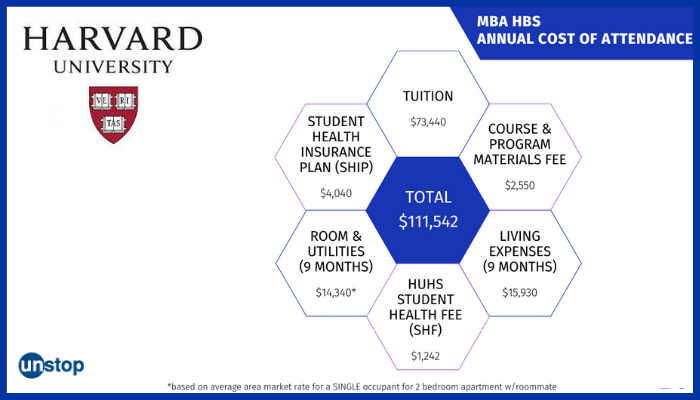
Let’s be honest: the first time you see the price tag for an Executive MBA, you might choke on your morning latte. We’re talking about a number that often starts at $100,000 and can casually cruise past $220,000 at top-tier schools. That’s not tuition; that’s a luxury car, a down payment on a house, or four years of private college for a kid.
But here’s the funny thing—nobody actually seems to pay the full “sticker price.” It’s like a fancy garage sale where the only rule is that you have to haggle with your future career. The real cost is a wild mashup of employer sponsorship, scholarships, and your own deep, burning desire to never touch a spreadsheet again.
Who Is Paying For This Party?
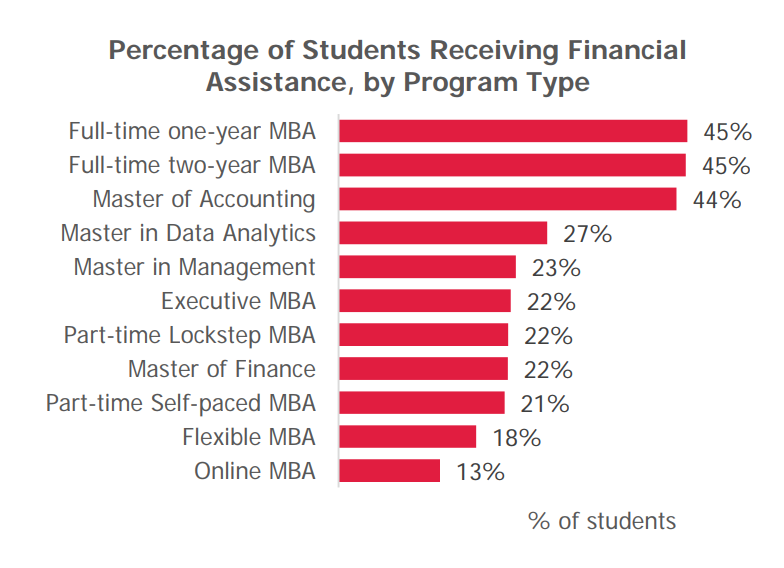
About a third of students get their company to foot the entire bill. That’s the dream scenario where your boss pats you on the back and says, “Go get smarter, we’ll cover it.” Another third get partial help, like a golden ticket that covers 50% but still leaves you eating ramen for a year.
Must Read
The final third? That’s the brave souls who drain their savings or take out loans. They’re betting that the degree will pay for itself, which it often does—the average salary bump after graduating is around $30,000 to $50,000 per year. Still, watching that first loan payment hit your bank account feels like a tiny paper cut on your soul.
The Hidden Costs Nobody Warns You About
The tuition is just the tip of the iceberg. You’ll also pay for flights to “residency weekends” in fancy hotels, which is a polite way of saying you’ll eat overpriced room service at midnight. Then there are the textbooks—some cost more than a designer handbag and are just as heavy.
But the sneakiest cost is time. You’re giving up every Saturday for 18 months, plus your evenings, plus your sanity. Your friends will invite you to birthday parties, and you’ll reply with a photo of your study group’s whiteboard. That’s a social tax that no bank can calculate.
“I spent $120,000 on an MBA and the most valuable thing I got was a group chat with 40 other exhausted executives who understand my pain.” — Anonymous Grad
The “Fun” Part: Swag and Networking
Yes, you get a free backpack, a fancy name tag, and access to an alumni network that can open doors in 30 countries. The networking is priceless—you’ll be in a room with a neurosurgeon, a missile engineer, and a guy who runs a chain of goat cheese shops. You’ll learn more about cheese logistics than you ever imagined.
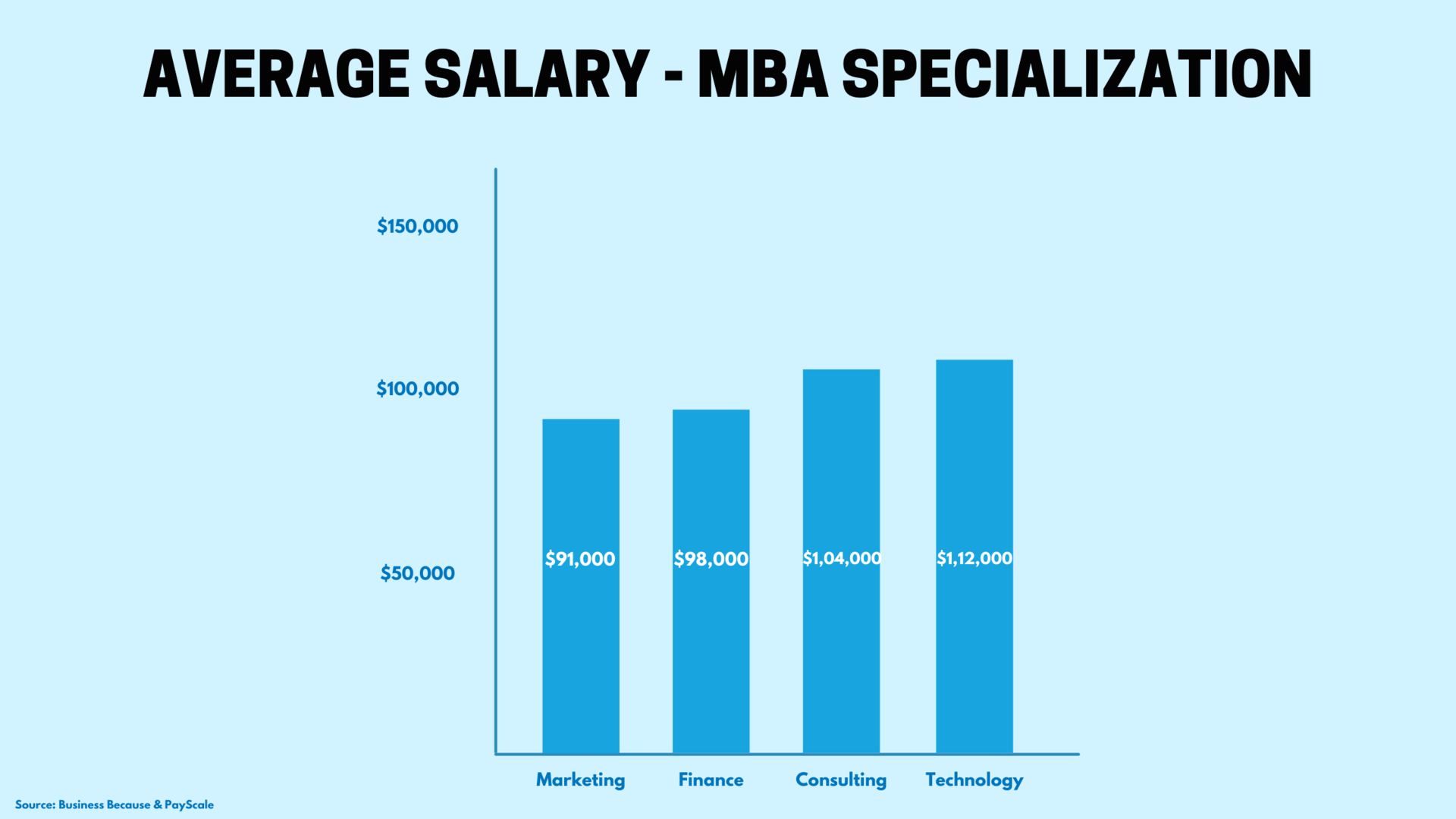
And here’s the heartwarming bit: most people say the real value isn’t the salary bump. It’s the confidence to stand up in a boardroom and say, “I have a framework for that.” It’s the friendships forged over 2 a.m. Zoom calls where everyone has their camera off and their pajamas on. That’s the hidden dividend.
Should You Sell a Kidney? (Probably Not)
If you’re a mid-career manager with a strong network, an EMBA can be a rocket booster. But if you’re just hoping to escape your current job, you might be better off buying a lottery ticket—cheaper and same odds. The rule of thumb is simple: the cost is justified only if you’re already on a leadership track and you just need the official stamp.

Also, don’t forget the opportunity cost—that’s MBA-speak for “the money you didn’t earn because you were in class instead of working.” If you’re making $150k a year, two years of part-time study means you “lost” about $50k in overtime and side gigs. Add that to tuition, and boom—you’ve bought a small island.
The Bottom Line (With a Smile)
So, how much does an Executive MBA cost? The honest answer is everything—money, time, energy, and a few gray hairs. But for the right person, it’s the best expensive mistake they ever made. You’ll finish with a thicker resume, a thinner wallet, and a stubborn belief that you can survive any deadline.
Just remember to ask for the discount, charm your boss, and pack snacks. The tuition is scary, but the people you’ll meet make it worth every penny—or at least worth the free coffee they serve at orientation.