How Much Do Solar Panels Generate
The first time you see a rooftop array of solar panels, sleek and glassy under the midday sun, they look less like a utility and more like a modern art installation. But beneath that minimalist surface lies a physics equation that has obsessed inventors since 1839, when a young French physicist named Edmond Becquerel discovered the photovoltaic effect while experimenting with metal electrodes in a conductive solution. He watched a sliver of light transform into a spark of voltage and probably had no idea he was lighting a slow fuse under the global energy grid. Today, that fuse has finally reached the powder keg: solar power is not just an alternative; it’s becoming the default. The question that hums in the back of every homeowner’s mind, the one that separates casual curiosity from a serious investment, is deceptively simple: How much do solar panels actually generate? The answer, as with most beautiful things in life, is a mix of hard science, stubborn weather, and a little bit of existential luck.
It’s tempting to think of a solar panel as a magical device that simply drinks sunlight and spits out electrons, like a thirsty robot bartender. But the truth is far more nuanced. A panel’s output is a product of its wattage rating, the angle of your roof, your latitude, the local cloud cover, and even the ambient temperature—a fact that surprises nearly everyone. Believe it or not, solar panels hate extreme heat. A blistering 95°F day will actually reduce their efficiency by up to 15% compared to a crisp, cool 70°F day. So, the perfect solar day isn’t a scorcher; it’s a bright, cold, alpine-clear morning. This counterintuitive twist is just the first of many dark little secrets in the photovoltaic world. Understanding what your system generates isn’t about reading a spec sheet—it’s about understanding the personality of your specific patch of sky.
The Physics of the Almighty Kilowatt-Hour
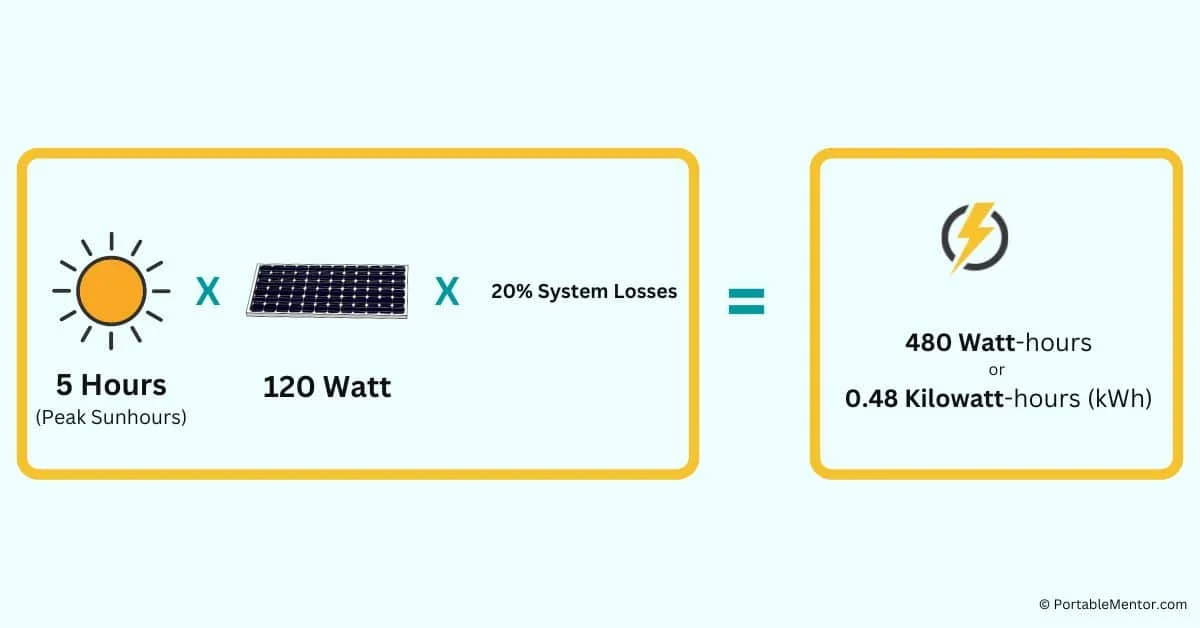
Let’s gut the jargon first. When you ask “how much do solar panels generate,” you’re really asking about kilowatt-hours (kWh)—the unit your utility bill is measured in. A standard residential solar panel, rated at 400 watts, will, under perfect laboratory conditions, produce 400 watts of power every second. But the real world is not a laboratory. It’s a messy, chaotic place full of passing geese, rogue tree branches, and inexplicable morning fog. In real-world conditions, that 400-watt panel will generate roughly 1.5 to 2.5 kWh per day depending on where you live. In sunny California, you might push closer to 2.5; in rainy Seattle, you’ll be lucky to scrape past 1.4. Multiply that by 20 panels—a typical system—and you’re looking at 40 to 50 kWh daily. That’s enough to run a modern house with an EV and a needy mini-fridge, or about four times what the average household in 1980 consumed.
Must Read
Here’s the psychological gut-punch though: your panel’s output is not linear. It’s a bell curve shaped like a tragic mountain. The sun rises, your panels hum to life slowly, and by 10 a.m. you’re generating a decent trickle. But around midday, when the sun is directly overhead, your system hits its peak—that glorious, brief plateau where you’re practically printing money. Then, by 3 p.m., it starts sliding back down into the twilight abyss. This creates a serious behavioral shift for the savvy solar owner: you become obsessed with running your dishwasher at noon, charging your laptop at 11:30, and strategically holding off on the laundry until the sun hits that sweet spot. It’s a gamified existence, where time ironically becomes more rigid even as you free yourself from the grid.
The cultural impact of this energy curve is profound. We have historically been a civilization that wakes up, burns coal in the morning, and uses electricity with reckless abandon. Solar forces us to sync our daily rhythms with the celestial clock, something our agrarian ancestors did automatically but we’ve completely forgotten. There’s a dark freedom in that. When you watch your production meter spike at 1 p.m., you feel a primitive connection to the sun that your neighbors—tethered to their fossil fuel umbilical cord—simply don’ understand. You become part of a priesthood of daylight, checking your inverter's app like a stockbroker checks Wall Street, but instead of anxiety, you get a dopamine hit of pure, carbon-free validation.
But let’s talk about the elephant in the room: the cloud. A thick, ominous cumulonimbus can slash your output by 65% in minutes. However, here’s a fun fact that catches many off guard: solar panels actually work in overcast conditions. They generate about 15-20% of their optimal output, which still keeps your fridge humming. This is because the photovoltaic cells don’t strictly need direct light—they need any light, including the diffused, scattered photons that bounce off the bottom of clouds. It’s a beautiful, ghost-like efficiency. So even on a grey, apocalyptic day in London, your panels are still sipping photons from a straw, working quietly in the gloom. That’s the true grit of the technology: it’s not a fair-weather friend; it’s a stoic, hardworking companion that just happens to excel in the sun.
The Scenarios, The Math, and The Real-World Number
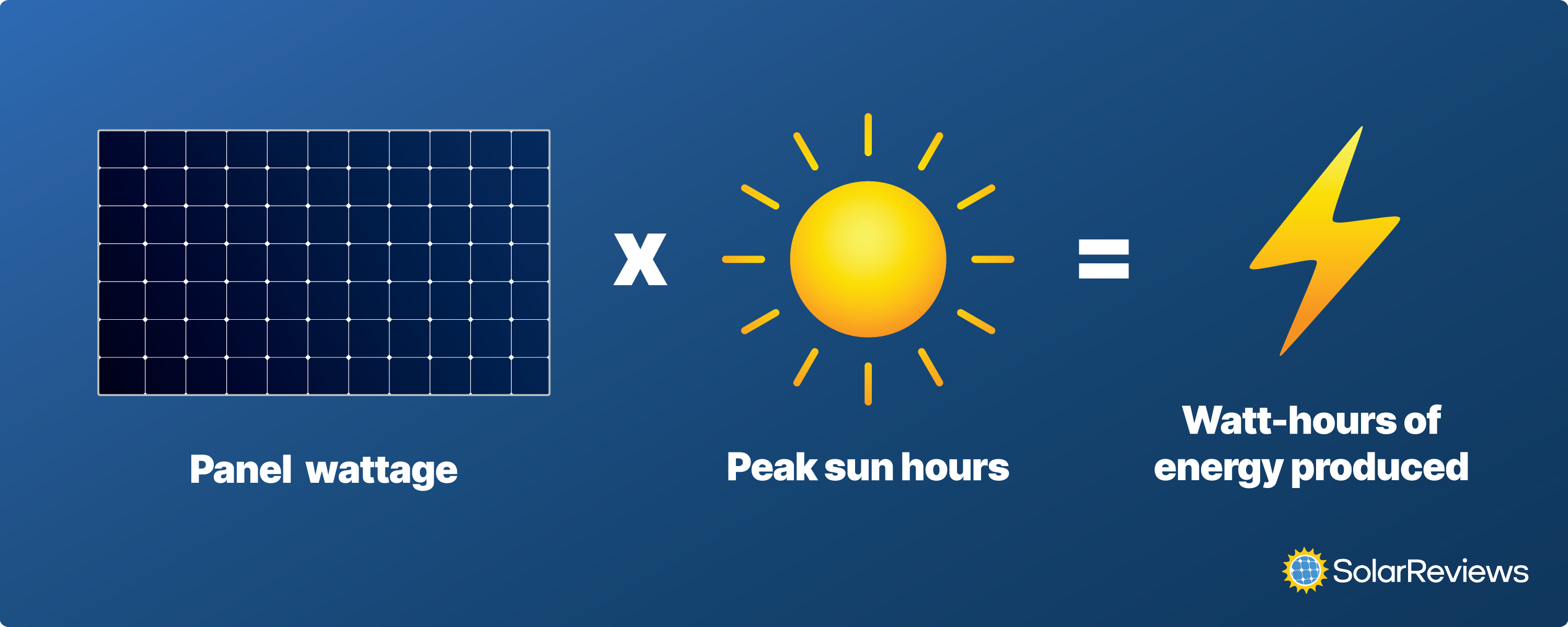
Let’s get specific. Imagine you live in Austin, Texas. You have a 6.5 kW system (about 16 panels). Your region averages about 4.8 “peak sun hours” a day—a measure of when the sunlight intensity is strong enough to hit maximum output. The math is painfully simple: 6.5 kW x 4.8 hours x 30 days = roughly 936 kWh per month. That’s almost exactly what a large American home consumes, meaning your electric bill flirts with zero. Now, shift the scenario to Phoenix, Arizona. The sun there is a relentless, unforgiving monster. With 6.3 peak sun hours, that same 6.5 kW system jumps to over 1,200 kWh a month—excess energy you can sell back to the grid through net metering. But in Portland, Oregon, where the skies weep during winter, you might only see 3.2 peak sun hours in December. Your monthly generation drops to a depressing 630 kWh, forcing you to rely on grid power during the dark months, only to rack up credits during the sun-drenched summer. It’s a balancing act of seasonal sin and redemption.

Here’s a case study that will stick with you. A homeowner in New Jersey—a state not famously sunny—installed a 10 kW system in 2022. They were skeptical, expecting a modest return. But they had a south-facing roof with a perfect 30-degree pitch, the holy grail of installation angles. Within ten months, they generated 11,400 kWh, enough to cover their entire usage and power their spouse’s Tesla Model Y. They weren’t lucky; they were strategic. They had trimmed their trees, cleaned their panels after pollen season, and—crucially—they had a system with micro-inverters that prevented a single shaded panel from dragging down the entire array. The lesson? Your house’s orientation, pitch, and local obstruction map define your yield more than raw sunlight. It’s not about what the sun gives you; it’s about what your house allows you to catch.
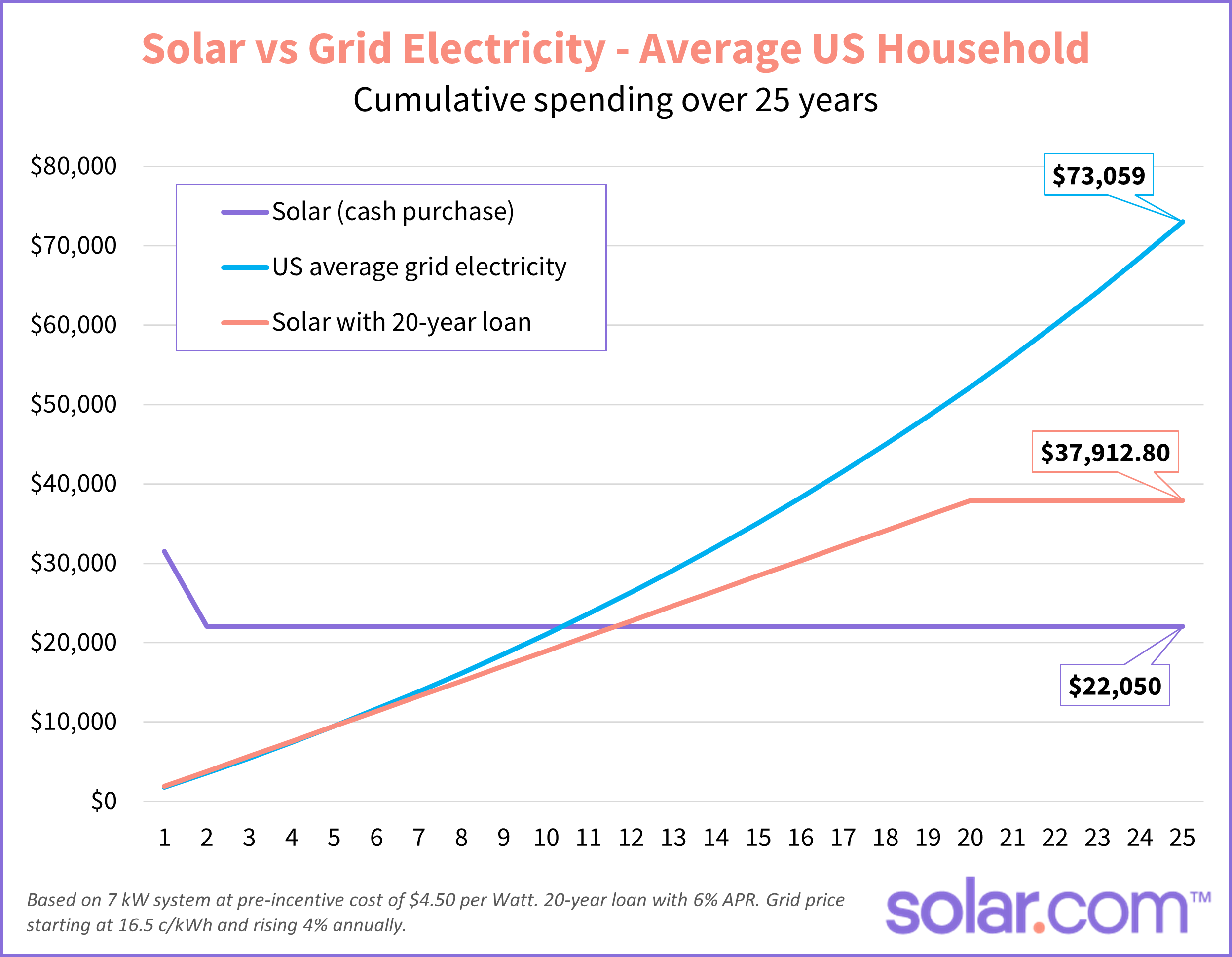
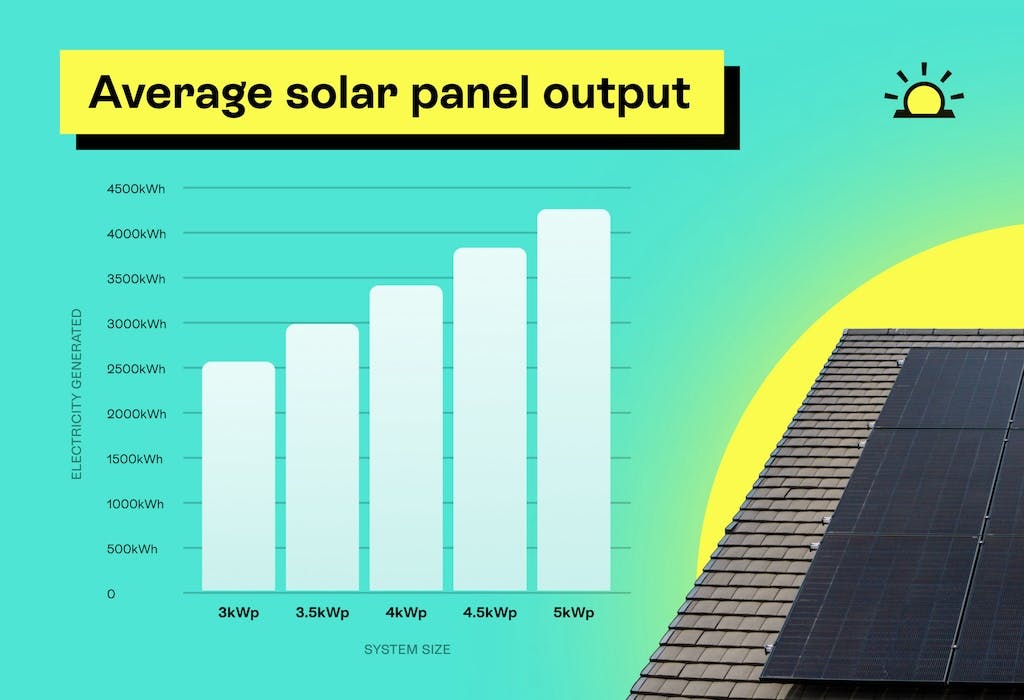
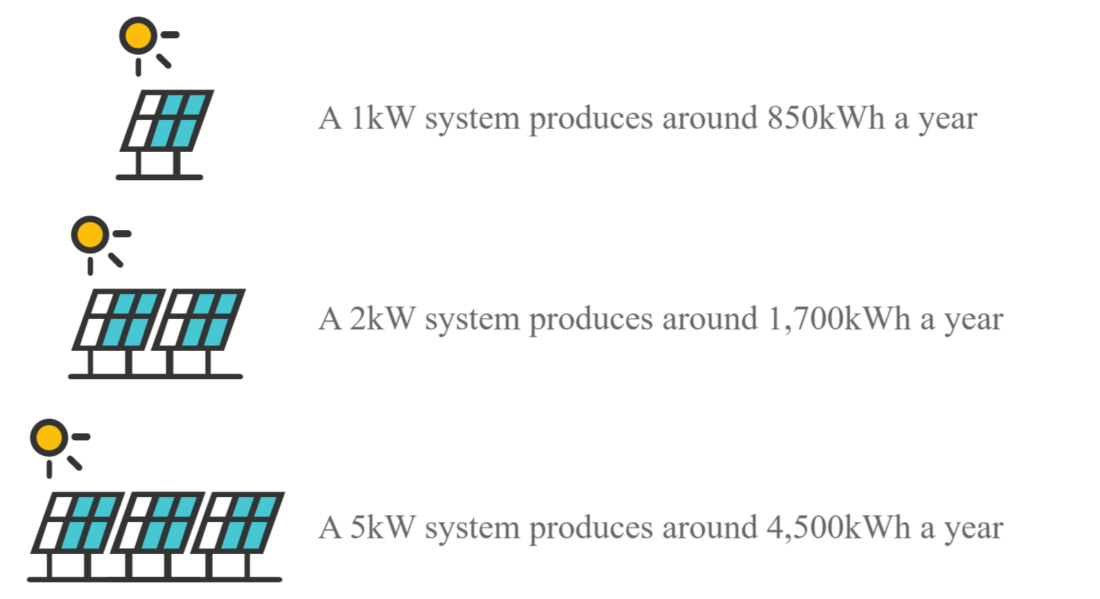
For the average reader, the actionable takeaway is this: don't trust the salesman’s glossy brochure. Demand a production estimate based on your specific address. Use tools like Google’s Project Sunroof or NREL’s PVWatts calculation. That will give you a realistic map of your annual generation. A rough rule of thumb for most of the U.S. is that a 1 kW solar array will generate between 1,200 and 1,600 kWh per year. So, for a $20,000 investment in a 7 kW system, you're buying roughly 10,000 kWh of annual energy. At an average electricity rate of $0.16 per kWh, that’s $1,600 saved per year. That’s a 12-15 year payback period, but with federal tax credits (at 30% in 2024) and net metering credits, many homeowners break even in 6 to 8 years. The panels themselves? They degrade at a glacial pace of 0.5% per year, meaning after 25 years, they’ll still produce at 87% of their original output—an old dog with plenty of bark.
But here’s the silver lining for the impatient soul: you don’t have to wait for night to use your generation. Batteries like the Tesla Powerwall or Enphase IQ are the current bridge to eternal power. If you generate 50 kWh a day but only use 30, and you store the other 20 in a battery, you become a ghost on the grid. You pay almost nothing, and you laugh during blackouts while your neighbors search for candles. The generation isn't just about what you produce; it's about what you retain. That battery is your strategic reserve, your energy war chest. In 2024, pairing a solar array with a battery is the difference between merely saving money and achieving a weird, heroic independence—a self-contained life raft in the ocean of the electrical grid.
Your Burning FAQ, Answered with Grit
1. Do solar panels work at night or in the winter?
Let’s be brutally honest: they do not generate electricity at night. The physics simply won’t allow it. Photovoltaic cells need photons to dislodge electrons, and at night, the local star is on the other side of the planet. However, your system doesn’t disappear. If you have a grid-tied system, you simply draw power from the utility when the sun sleeps. If you have a battery, you draw from that stored daytime energy. Winter is a different beast entirely. While days are shorter, solar panels actually love cold, crisp air. Snow might cover them temporarily, but snow also acts as a mirror, reflecting light onto the panels from above. A lightly snow-dusted panel can produce more power than a clean one on a bright day due to the albedo effect. The real winter slayer isn't cold—it's the low sun angle and shortened daylight hours, which simply cut the "peak sun hours" down to four or less.
The psychological anxiety about winter output is common. Homeowners often panic in November, thinking their system is broken. But it’s just a slow season. Most net metering agreements allow you to bank energy credits in the summer to use in the winter, like a squirrel saving nuts for the dark months. Don’t judge your system by a single January week; judge it by its annual rhythm. It's a marathon of photons, not a sprint. Your system is a seasonal employee, giving you overtime in July and a quiet, contemplative autumn.
2. What’s the average output for a 5kW system?
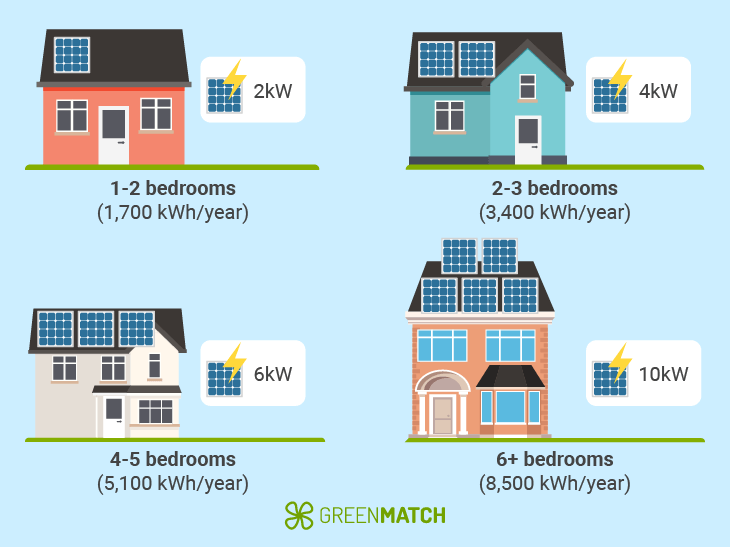
A 5 kW system is the gold standard for a typical American home of 1,500 square feet. On average, this array—composed of roughly 13-15 panels—will generate between 18 and 22 kWh per day in a moderately sunny region. Over a year, that translates to an impressive 6,500 to 8,500 kWh. This is almost always enough to cover a family’s baseline usage: lights, fridge, HVAC, and electronics. The crucial variable is your location. In Los Angeles, a 5kW system might yield 8,000 kWh annually, while in Boston, it might struggle to hit 6,000. It’s not a magic number; it’s a dynamic, shifting target based on your latitude.
To put that in palatable terms: 5kW generates roughly 650 kWh a month in a decent location. That’s equal to running a standard dryer for 325 hours, or powering a modern refrigerator for six months. It’s not enough to run a bitcoin mining rig or a grow house, but it’s more than enough for human-scale living. If you drive an electric car, you’ll need to add about 2 kW extra just to cover that daily commute. The generous side of a 5kW system is that it’s a versatile, scalable size that fits most suburban roofs without looking like a Gladiator arena.
3. Why does my solar system produce less on a hot day than a cool day?
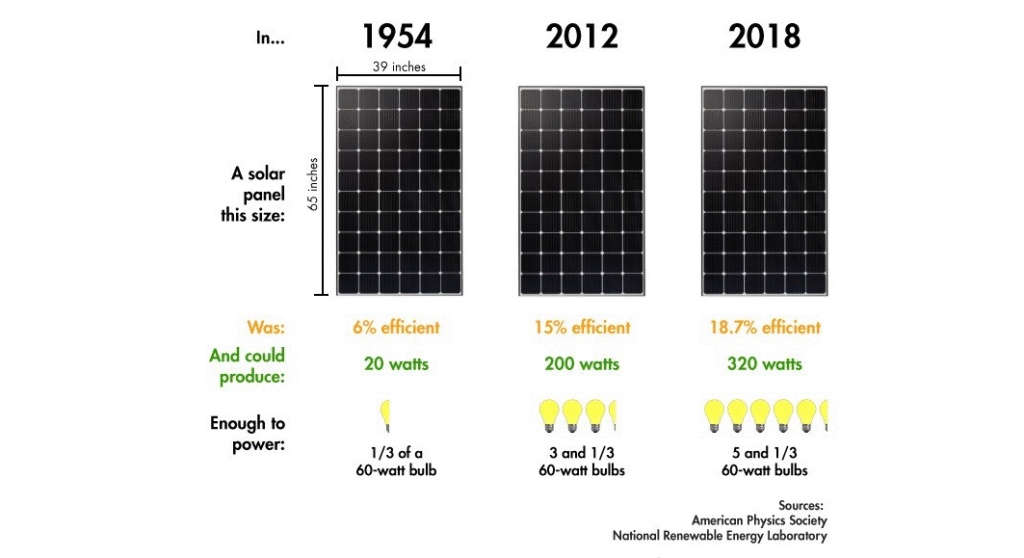
This is the most counterintuitive fact in solar energy, and it trips up even experienced engineers. Solar panels contain semiconductor materials, primarily silicon. As temperature rises, the atoms in the silicon vibrate more violently. This vibration disrupts the flow of electrons, increasing electrical resistance. In essence, a scorching 100°F day makes the material sluggish, lowering its voltage output. That’s why the temperature coefficient (usually around -0.3% to -0.5% per degree Celsius above 25°C) is a crucial spec to check. If your panel is rated for 400W at 25°C (77°F), and your roof hits a sweltering 65°C (149°F) on a summer afternoon, you lose about 20% of that capacity; you’re down to 320W.
This is why proper installation matters. Panels need airflow underneath them. A panel mounted flush against a hot shingle roof will cook itself, while one mounted on a slightly raised rack has the wind to cool its backside. This is also why some premium panels use better thermal coefficients. It’s a dark irony that the harshest sun—the thing you crave—is the one that causes your panels to sweat. The moral of the story is: don't run your AC at peak heat and expect your solar to pick up the entire tab. The system’s output peaks in the mild spring and late fall, not in the brutal zenith of July.
4. How much does shading really hurt generation?
Shading is the silent assassin of solar production. A single leaf covering one corner of one panel can destroy output more than you’d expect. In older systems with string inverters, panels are wired in a series circuit, much like old Christmas lights. One shaded panel acts like a kink in a garden hose, reducing the current for the entire string of panels. If you shade 5% of one panel, you might lose 30% of that string’s total production. It’s a catastrophic domino effect. However, modern systems with optimizers (DC power converters on each panel) or micro-inverters isolate the damage. With these, a shaded panel’s output drops, but its neighbors continue at full throttle, unaffected by the pouting outlier.
Even partial shading from a chimney or a distant tree branch is a huge deal. A shadow is not just a lack of light; it’s a cold spot where the current flow is disrupted. The best mitigation is to design the system around shade. That means not maxing out your roof, but placing panels where the sun genuinely shines all day. It also means being ruthless about tree trimming. A well-planned solar array is a solar array that respects its local enemies—the branches, the clouds, and the neighbor’s new extension. Don’t let a beautiful oak tree fool you; it’s costing you $300 a year in lost energy.
5. How long does it take to “make back” the energy used to build them?
This is the concept of energy payback time (EPBT), and it’s another hidden gem of solar goodness. Yes, manufacturing solar panels uses energy—some panels require heavy machinery, melting silicon at thousands of degrees, and transporting raw materials. An average silicon panel takes about 2 to 4 years to generate the exact amount of electricity that was used to produce it. Considering a panel’s lifespan is 25 to 30 years, that means the panel gives back 6 to 10 times more energy than it consumed. It’s like lending a friend $100 and getting back $1,000 over the next decade. It’s fundamentally a gift, not a loan.
Many critics point to the initial energy cost as a flaw, but it’s actually a testament to the technology’s efficiency. As manufacturing scales and becomes more renewable-powered itself, the EPBT is shrinking. Some thin-film panels have an EPBT of under a year. So, if you’re feeling existential about your carbon footprint, know this: within a few years of installation, your panels have not only saved your wallet but have also repaid their ecological debt. After that, every kWh they generate is pure, planetary profit. You become a net zero hero, not just a consumer.
In the grander scheme of human nature, solar panels tap into our deepest desire for security. We want to control our environment, and the idea of harvesting energy directly above our heads is a quiet rebellion against centralization and dependency. It’s almost a democratic act—every roof becomes a tiny power plant, a vote against the monolithic utility corporation. We spend so much of our lives chasing resources, and here, the resource falls onto our homes thousands of times a day, free for the taking. The act of installing solar is an admission that we are incredibly wealthy in a currency no one can steal: daylight.
Yet, this technology also humbles us, reminding us of our limits. We cannot force the sun to shine longer, we cannot move mountains to change our latitude, and we cannot cheat the seasons. We can only optimize our catching. This is why generating solar power feels different from buying it. It carries the weight of your own foresight and the burden of your local climate. It’s a relationship, not a transaction. It’s the marriage of human engineering and celestial mechanics, where the only required intention is that you look up every once in a while and are grateful for the thermonuclear furnace that powers your coffee maker.
Ultimately, the answer to "how much do solar panels generate" is not a number on a spec sheet. It’s a promise—a promise that as long as the Earth spins and the sun burns, you have access to a silent, reliable income of electrons. It’s a long-term bet on a very safe horse. So, whether you’re merely curious or ready to leap into the photovoltaic deep end, remember this: your panels won't just generate electricity; they’ll generate a new perspective on time, weather, and the quiet generosity of the sky above your home.