How Much Do Msn Nurses Make An Hour
Ever wonder what all those years of graduate school and clinical hours actually translate to in your paycheck? If you’ve been curious about the financial side of advanced nursing, you’re in the right place. Let’s pull back the curtain on hourly wages for MSN-prepared nurses—it’s a mix of number-crunching, geography, and a little bit of career strategy.
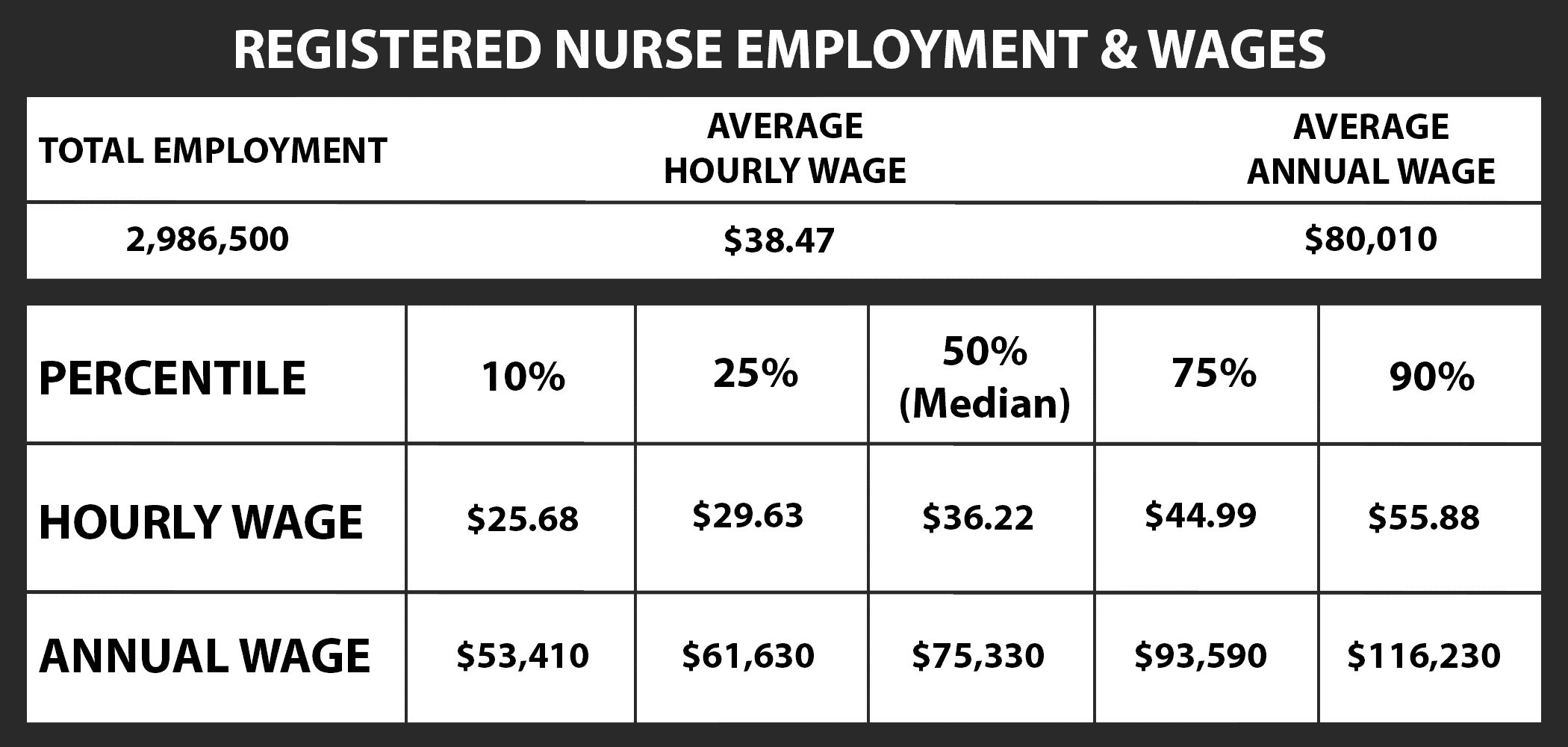
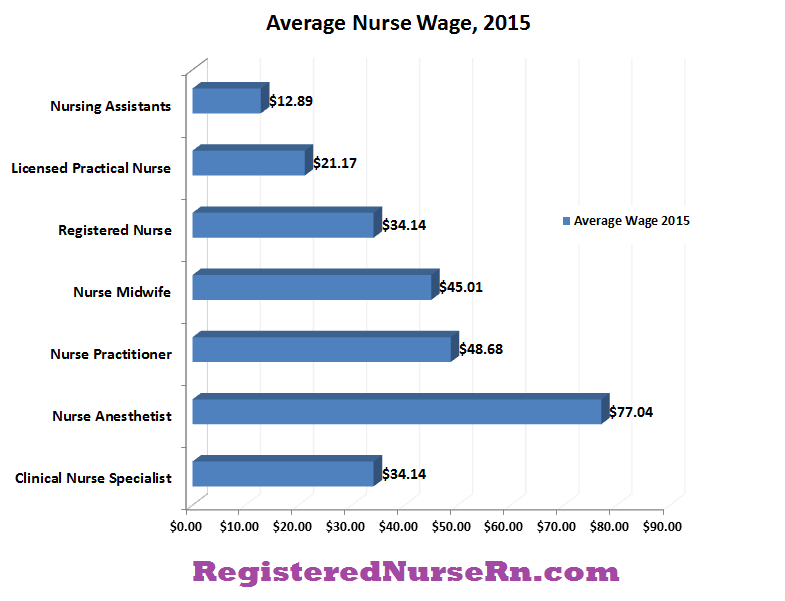
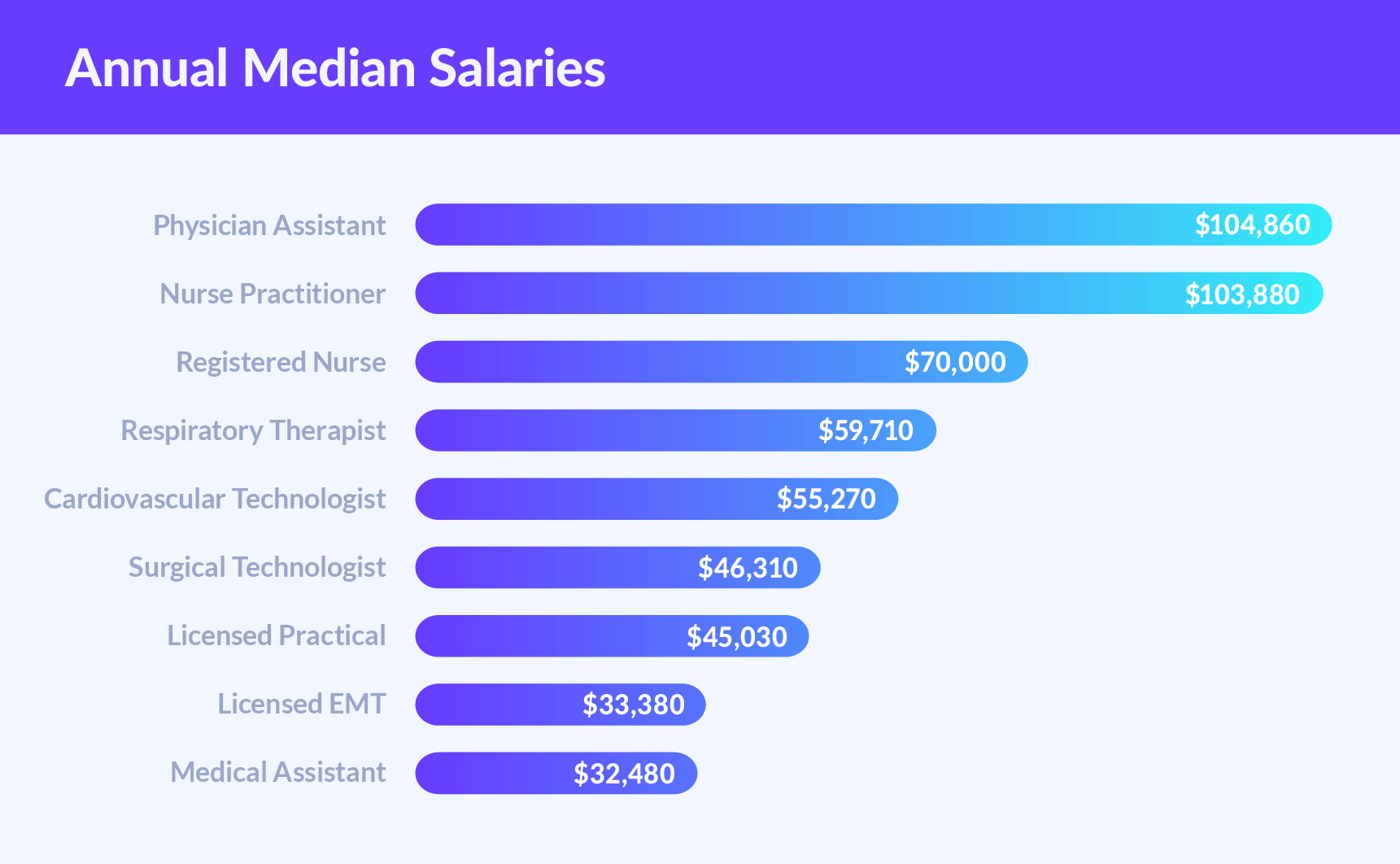
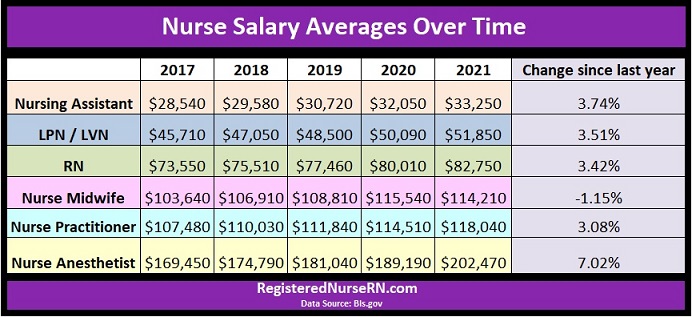
First, the honest truth: an MSN (Master of Science in Nursing) isn’t just one job title. You could be a nurse practitioner, a clinical nurse leader, a nurse educator, or an informatics specialist. That means your hourly rate swings wildly—from around $38 to $80+ per hour depending on your specialty, state, and experience.
Why does this matter for you? Because knowing the numbers helps you negotiate, plan a career change, or simply appreciate the value of that degree. The purpose here isn’t to brag about salaries—it’s to give you a realistic map before you invest time or tuition. Plus, it’s genuinely fun to see how your city or hospital network compares to the national average.
Must Read
Let’s use a real-world example: a family nurse practitioner in rural Texas might earn $52/hour, while a psychiatric mental health NP in San Francisco can pull $75/hour due to higher cost of living and demand. Meanwhile, a nurse educator with an MSN at a community college might see $40/hour but enjoy summers off—a trade-off that’s priceless for some.
In daily life, this knowledge isn’t just for nurses. If you’re a patient, understanding MSN wages helps explain why your primary care visit costs what it does. If you’re a student, it helps you decide between a BSN and an MSN. And if you’re a healthcare administrator, it’s a reminder that fair pay keeps your best staff from leaving.
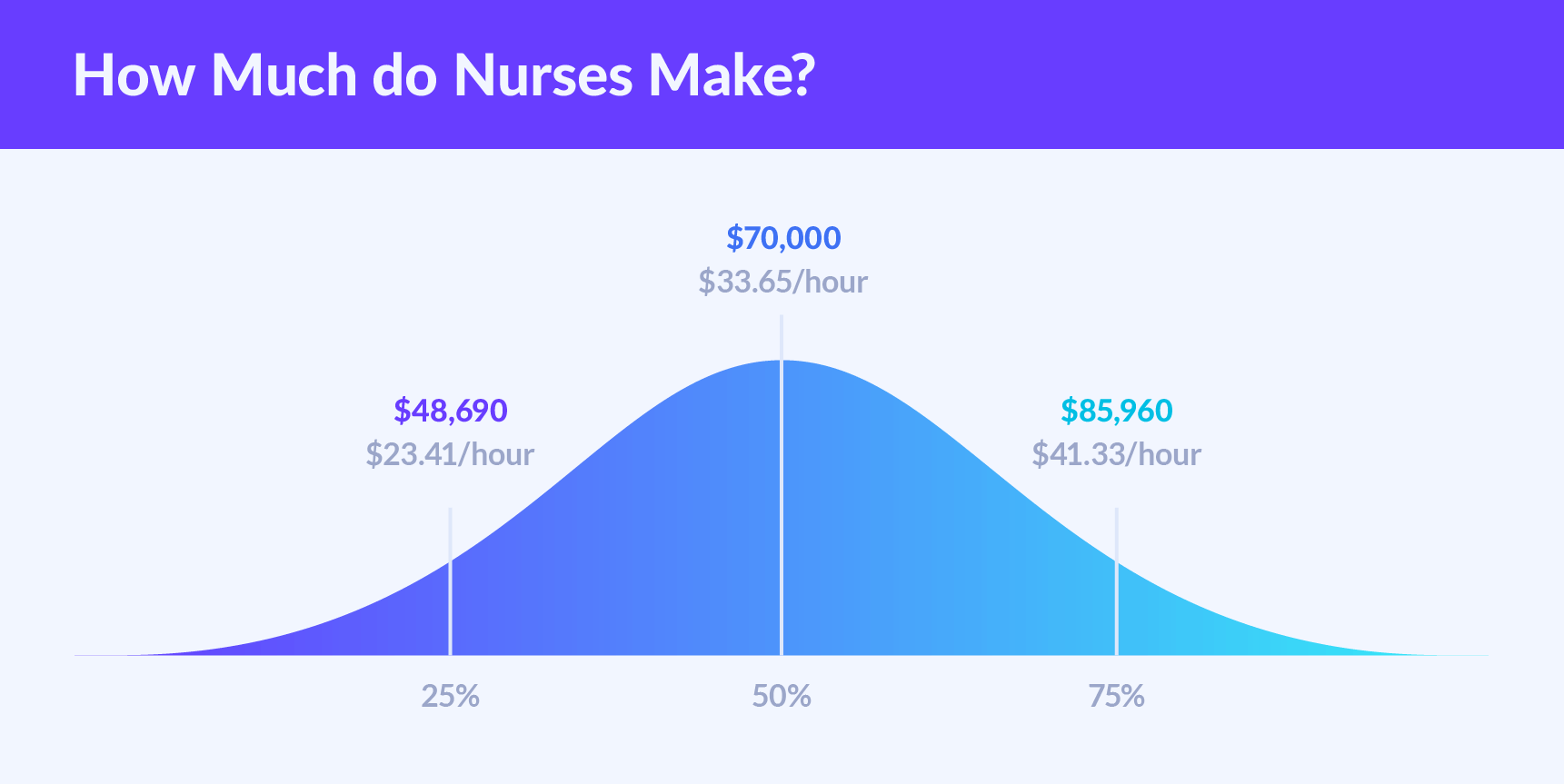
So, how can you explore your own earning potential? Start with free tools like the Bureau of Labor Statistics or sites like Glassdoor—just filter by “MSN” and your zip code. Next, talk to actual MSN nurses in your network; a five-minute coffee chat can reveal more than any spreadsheet.
Another simple tip: look at hourly vs. salaried roles. Some MSN positions offer overtime or shift differentials that push effective rates above $90/hour. Don’t be afraid to ask about per-diem or travel contracts—those often pay the highest hourly rates because they lack benefits.

Finally, remember that hourly pay is only one slice of the pie. Bonuses, tuition reimbursement, and retirement matching can add another $5–$15 per hour in true value. So, before you compare numbers, factor in the total package—your wallet will thank you later.
Curious to dig deeper? Try searching for “MSN salary report 2025” or “Nurse Practitioner hourly rate by state.” You’ll find interactive maps and forums where nurses openly share their rates. It’s a rabbit hole worth falling into—just don’t forget to look up at the patient, not just the paycheck.