
How Much Do Doordash Drivers Earn
The gig economy has fundamentally altered the physics of work, shifting the paradigm from a linear exchange of time-for-wages to a dynamic, multivariate equation of time, distance, demand, and algorithmic probability. When you tap “Place Order” on the DoorDash app, you are not just initiating a food delivery; you are triggering a complex logistical cascade. A Dasher, acting as an independent contractor, is essentially a self-contained logistics node, absorbing the costs of fuel, vehicle depreciation, and biological wear-and-tear. To understand the earnings of a DoorDash driver, we must first deconstruct the core mechanics: it is not a salary, but a revenue stream with a high variance coefficient. The base pay, typically ranging from $2 to $10, is famously decoupled from distance, often relying on customer tips to constitute the majority of the income. This creates a system where the driver's gross income is less a function of miles driven and more a function of behavioral prediction—specifically, the ability to predict the tipping propensity of a customer before accepting an order. The science of DoorDash earnings is rooted in operational efficiency and the mathematics of the offer-acceptance curve. The app presents an offer with a guaranteed minimum, but the actual payout is a stochastic variable. The driver’s net hourly rate is calculated by subtracting the cost of goods sold (gas, maintenance) and the opportunity cost of downtime from the gross payout. Unlike a traditional employee, the Dasher is constantly battling entropy—the natural decay of vehicle efficiency and the unpredictable turbulence of restaurant preparation times. The financial output is therefore not merely “how much you earn per hour,” but rather how many profitable miles are logged per active hour. A driver who blindly accepts every order is engaging in a form of financial self-sabotage, often operating at a marginal loss when factoring in the IRS standard mileage deduction of $0.655 per mile. The key metric to internalize is net yield per mile, not the gross dollar amount displayed on the screen. Furthermore, the industry operates on a principle of surge pricing, which is a real-time, algorithmic response to supply-and-demand elasticity. When the demand for deliveries outpaces the supply of drivers, the app injects “Peak Pay” into the equation. This is the biological equivalent of an adrenaline rush for the profit margin—a temporary metabolic spike in earning potential. Yet, these surges are fleeting and geographically isolated. The savvy Dasher treats the map like a meteorologist treats a weather system, tracking pressure fronts of high order volume. The fundamental truth is that DoorDash earnings are not a fixed number but a probability distribution. To master this, one must transition from a passive participant to an active data analyst, using the app’s own telemetry to calculate the Expected Value (EV) of every offer. Only by quantifying the risk of long waits and low tips against the guaranteed base can one optimize their biological fuel (time) into the highest possible monetary output.
The Systemic Biochemistry of the Dash: Fatigue, Psychology, and Hidden Costs
Beneath the surface of every delivery lies a less discussed biological factor: cognitive load and its chemical counterpart, cortisol. The constant decision-making—whether to accept, reject, navigate traffic, or handle problematic restaurant staff—induces a state of decision fatigue. This is a scientifically documented phenomenon where the quality of your decisions deteriorates after a long session of making choices. By the third hour of continuous dashing, your prefrontal cortex is depleted, leading to a tendency to accept worse offers simply to end the mental taxation. This is the hidden tax of the gig economy. The opportunity cost of not taking a break is not just physical tiredness; it is a measurable reduction in your hourly rate, often by 15-20%. The biology dictates that the optimal dash window is not 8 hours straight, but rather 3-4 hours in a high-density lunch window, followed by a break, and then a 3-4 hour dinner window. This aligns with the body's natural ultradian rhythms, allowing for peak cognitive performance during the highest revenue hours. On a systemic level, the economics of the dashboard are also influenced by the psychology of the customer. The tip is a social contract mediated by the app, and it is heavily influenced by the anchoring effect. Customers often anchor on a default tip percentage (usually 15-20%) without recalibrating for distance. Therefore, a Dasher who accepts a long-distance order (over 8 miles) is statistically more likely to receive a tip that does not proportionally account for the time spent. This is known as the mileage penalty. Biologically, the driver is spending more energy and risking more vehicle wear for a lower return on investment. To combat this, one must engage in a form of neuroeconomic optimization. This means literally re-wiring your brain to stop viewing “acceptance rate” as a metric of pride and instead viewing it as a strategic lever. DoorDash’s algorithm does not punish you with deactivation for low acceptance rates (in most markets) unless it falls below 10%, but it does throttle your access to "High-Paying Orders" in some tiers. The science of earning here is to ignore the psychological pressure of the green "Accept" button and to run a purely quantitative analysis: Is this 22 minutes of my life worth $6.50? If the answer is no, the rejection is not a failure but a cost-saving measure.
Finally, we must consider the chemistry of the vehicle itself. Idling is the enemy. The internal combustion engine has an optimal thermal efficiency zone, usually between 40-60 mph. City dash driving, full of stop-and-go traffic, keeps the engine in its least efficient -mode, burning more fuel per mile. This is a direct chemical reaction of incomplete combustion creating wasted energy. Therefore, the “green” Dasher who knows their market can optimize their route to utilize arterial roads with synchronized traffic lights over congested downtown cores. This isn't just about speed; it's about reducing the specific fuel consumption. By tracking the car's instantaneous fuel economy via the dashboard, drivers can learn which routes yield the highest miles-per-gallon, effectively increasing their net pay by 5-10% without delivering a single extra order. This form of mechanical awareness is as crucial as the app interface, turning the vehicle into a precision instrument.
Must Read
Strategic Optimization: The Pragmatic Playbook for Maximizing Net Yield
To elevate your earnings beyond the median, you must abandon the “multi-apping maniac” stereotype and adopt a disciplined, data-driven approach. The first hack is the 20/20/20 Rule. Only accept orders that are at least $20 in gross pay, that are estimated to take less than 20 minutes, and that are under 20 miles total. This seems strict, but it filters out the statistical noise of low-value offers. While you might wait longer between orders, the hourly yield of your active time skyrockets. You are effectively reducing your “downtime percentage” to near zero, ensuring that every minute you are in the car, you are generating a minimum of $1.00 per minute of active work. Rejecting a $5 order that takes 15 minutes is not losing money; it is freeing up 15 minutes to wait for a $12 order that takes 25 minutes. The math, over a 10-hour shift, results in a gross income increase of up to 40% compared to a driver who accepts everything. Secondly, master the art of geographic arbitrage. Do not stay in one zone. The “Hotspot” map is a lagging indicator—it shows where demand was, not where it is going. Instead, use the science of restaurant clustering. Park near a high-density zone of restaurants that have short prep times (typically fast-casual, pizza chains, and Asian cuisine). Avoid sit-down restaurants where you might wait 10 minutes for a bag. You can research this by using the “Merchant Info” feature in the app to see average prep times. Furthermore, learn the genetic code of your city's layout. During lunch (11:30 AM – 1:30 PM), target business districts with high office density. During dinner (5:30 PM – 9:00 PM), pivot to residential suburbs with high family density. This temporal zoning maximizes your probability of receiving orders with higher tips, as these demographics are statistically proven to tip better. Thirdly, implement a fuel efficiency protocol. This sounds mundane, but it is a direct tax reduction. Ensure your tires are inflated to the manufacturer’s PSI; under-inflated tires increase rolling resistance, reducing gas mileage by up to 3%. Remove unnecessary weight from the trunk—every 100 lbs reduces fuel economy by 1%. Use cruise control on highways, but not on city streets, as it can cause unnecessary acceleration. Track your gas expenses via an app like Stride or Hurdlr, which auto-calculate the mileage deduction. When tax season arrives, the standard deduction is your friend. By logging every mile, you are effectively paying yourself a non-taxable allowance, reducing your taxable income by potentially thousands of dollars. It is not what you gross; it is what you net after taxes that defines your true earnings. Fourth, utilize the power of the Schedule vs. Dash Now dichotomy. In most markets, Dashers can schedule shifts hours or days in advance. This gives you priority access to high-demand periods, often before the bonus offers are released to on-demand drivers. Scheduled drivers also have a psychological advantage: they commit to a defined work block, which triggers a task-oriented mindset, reducing the tendency to idle at home waiting for good orders. If you are in a slower market, “Dash Now” can be beneficial for lunch, but you must be strict about your downtime. If you sit for 15 minutes without an order, move. Literally drive 1 mile to a different parking lot. The algorithm is more likely to send pings to moving vehicles, as it assumes they are ready and available. This is a location-based trigger that exploits the system’s fundamental mechanics. Finally, never underestimate the psychological reset. Treat this like an athletic sport. Use the Pomodoro Technique: 45 minutes of intense, no-distraction dashing, then a 15-minute break to stretch, hydrate, and recalibrate your acceptance criteria. This prevents the cortisol buildup that leads to poor decisions. Also, maintain a paper log (or a notepad app) of every order you accept, noting the gross pay and the mileage. At the end of the week, analyze which restaurant clusters yielded the highest $/mile. You are essentially running a single-subject experiment on your own business. Over time, this data becomes your personal roadmap, allowing you to avoid the black holes of wasted time. This is the difference between a driver and a logistics entrepreneur.
Frequently Asked Questions: The Quantified Truth
1. What is the actual average hourly rate for a DoorDash driver in 2024?
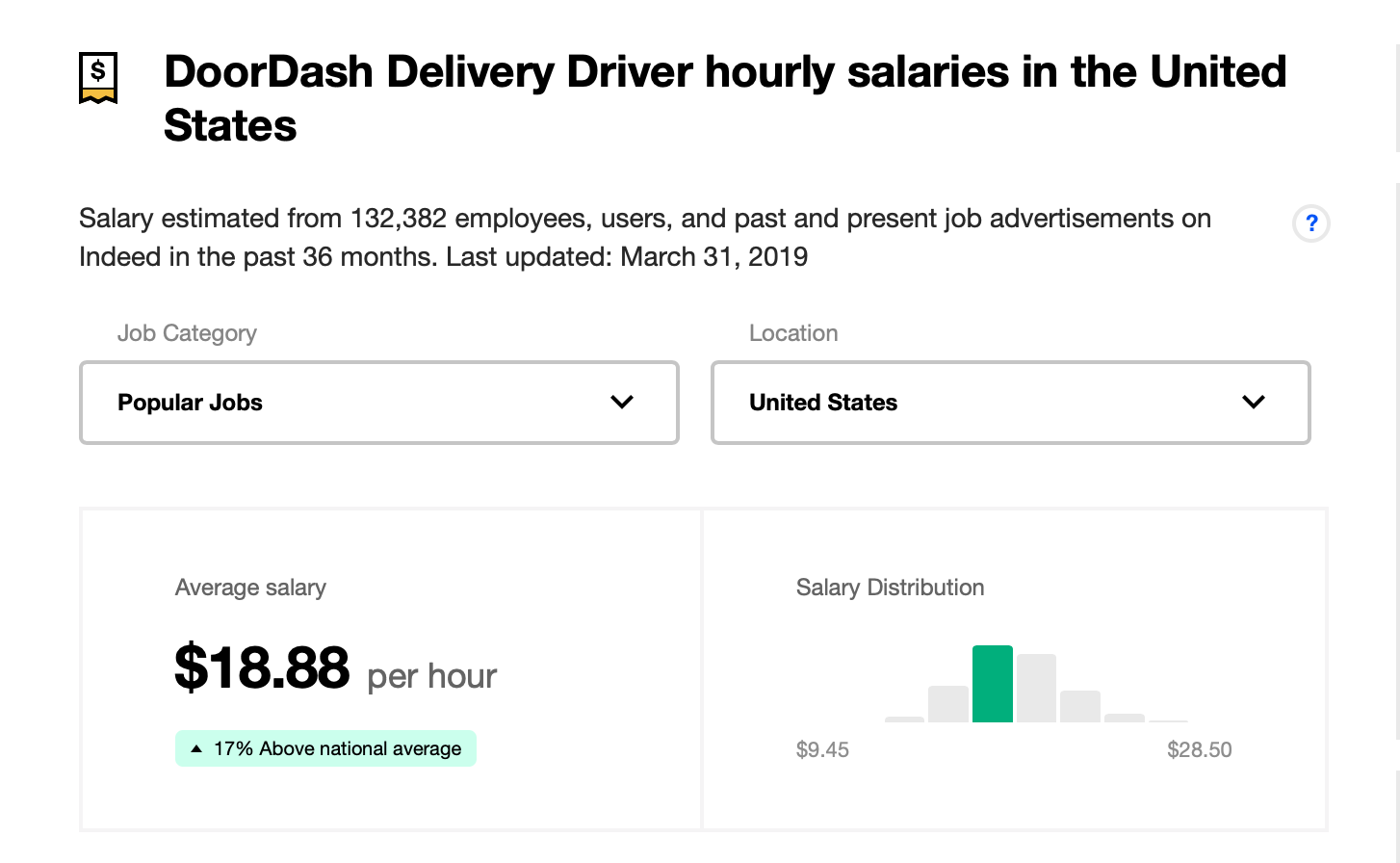
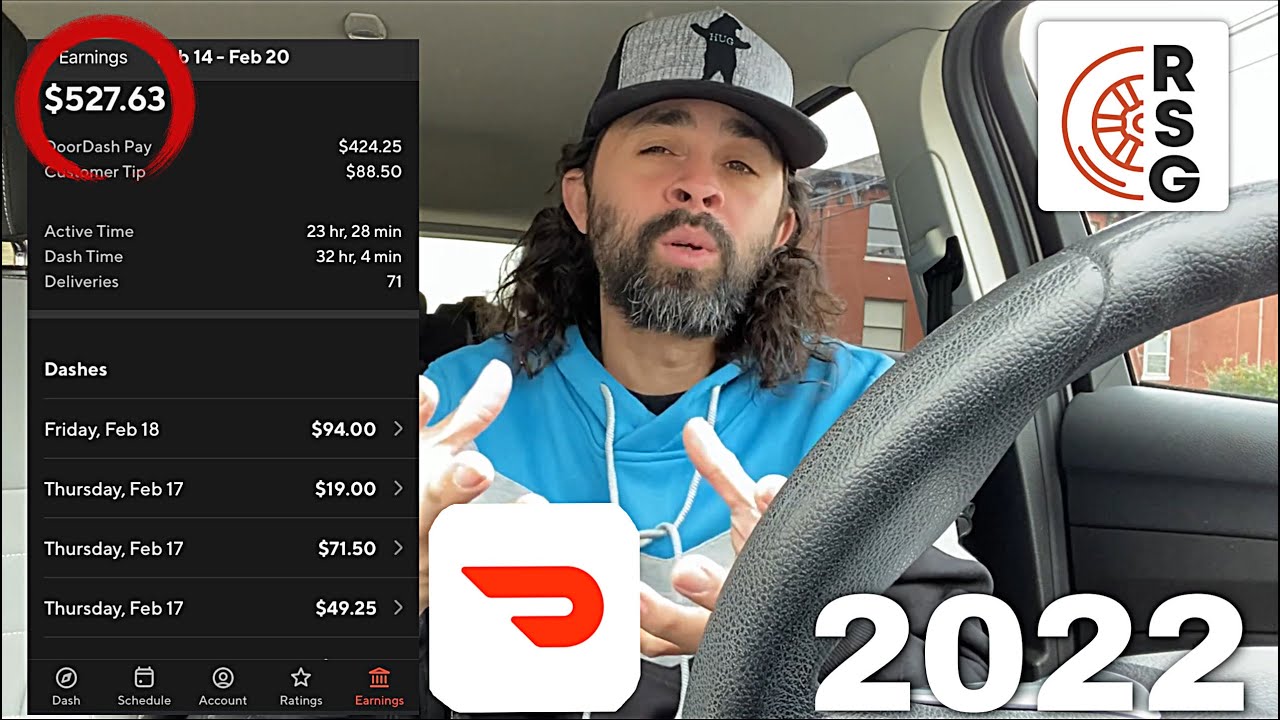
The honest answer is that the “average” is a meaningless statistic due to high variance. Data pulled from gig-worker trackers like Gridwise or Experienced Dasher surveys suggests a median gross of $15-$25 per hour, before expenses. However, this includes downtime. When you calculate active time (time from acceptance to drop-off), the rate is often $25-$30. But you cannot ignore downtime. A more accurate metric is net profit, which, after fuel, maintenance, and depreciation, typically lands between $10-$15 per hour in suburban markets, and slightly higher in dense urban cores. The key is to treat the $25/hour figure as an ephemeral gross number, not a bankable wage. Always budget for a 20-30% reduction for taxes and operating costs.

To beat the average, you must operate in the top quartile. This requires extreme selectivity. If you only accept orders with a payout ratio of $2 per mile or more (e.g., a $12 order for 6 miles), you inherently filter out the low-paying orders. This will often lower your acceptance rate to below 20%, but your gross per active hour will rise to $30+. The goal is not to be busy, but to be efficient. A Dasher who drives 60 miles and makes $80 is performing worse than one who drives 20 miles and makes $60, due to the net profit margin. Focus on the yield, not the gross.
2. How important is the customer tip to my earnings structure?
Tip importance is paramount; it usually constitutes between 60-75% of your total gross earnings. DoorDash guarantees a base pay (usually $2-$4) which is the minimum they will pay you regardless of tip. The offer you see on the screen is actually the estimated total, which includes the base pay plus a predicted tip. The system deliberately hides the tip breakdown to prevent you from cherry-picking, but you can infer it. If you see a $6.50 offer, it likely means $2.50 base and $4 tip. If you see a $2.50 offer, it means there is no tip at all, or the base is incredibly low. This is the “poverty order.” The algorithm uses a “declining tip” mechanic—if a customer removes the tip after delivery (up to 1 hour), DoorDash does not compensate you for the lost tip. This is a systemic risk you must acknowledge.
To maximize tips, adoption of proactive service is crucial. Deliver to the door, not the lobby. Send a pre-made text message upon pickup: “Hi [Name], this is your Dasher. I’ve picked up your order and I’m on the way. ETA 12 minutes. Have a great meal!” This small communication establishes a human contract, which psychologically anchors the customer to tip more generously. Also, keep a thermal bag visibly on the passenger seat—seeing the bag increases the perception of professionalism, often correlating with higher tips. Finally, understand that the delivery time is critical. The faster you deliver, the “fresher” the food, but you also trigger a hidden metric: on-time rate. Customers are more likely to tip the full amount when the food arrives earlier than the estimated delivery window.
3. Is it better to drive a car or use a bicycle/scooter for DoorDash?
From a pure cost-per-mile biology, bicycles (and e-bikes) are the metabolic champions in dense urban zones. Your fuel cost is zero, and the wear-and-tear on a bicycle is negligible compared to a car. However, the range is limited to about 5 miles per order. You are limited to a specific geofence, but within that zone, your net yield is often higher because you are not paying for gasoline. In cities like NYC or San Francisco, bike delivery is not just a hack; it is the optimal strategy. The downside is biological fatigue—your physical endurance is the limit. You will burn 500-700 calories in a 4-hour shift, which is great for your health but means you cannot sustain 10-hour days without significant rest.
For suburban and rural areas, a car is mandatory. The optimal choice is a hybrid or a small-cube car (like a Toyota Prius or a Honda Fit). A standard sedan running at 25 MPG will eat your profits. A hybrid running at 50 MPG effectively doubles your gas efficiency, adding legitimacy to the $2/mile rule. Consider the total cost of operation (TCO). If you use a 2020 sedan worth $25,000, you are incurring heavy depreciation per mile (often 30-50 cents per mile). If you use a 2008 Prius worth $5,000, your depreciation is only a few cents. The older car is financially superior for this job. Avoid using any car that requires premium gas or has a V6 engine. The goal is to convert calories (food) and gasoline into pure cash, minus minimal overhead.
![How Much Can You Make With DoorDash? [Revealed]](https://hearmefolks.com/wp-content/uploads/2022/07/Top-10-Highest-Paying-Cities-for-DoorDash-Delivery-Driver-Job.jpg)
4. How do I handle "no-tip" orders without wrecking my acceptance rate?
The primary rule of gig work is that the acceptance rate is a vanity metric, not a financial one. While establishing Top Dasher status (maintaining a 70% acceptance rate) grants you the ability to Dash Anytime, that privilege is often not worth the financial loss of delivering 5-mile orders for $2.50. The science here is to build a static threshold. If an offer shows a payout of less than $6.00, immediately reject it. This is because the math of profit requires a minimum of $0.50 per mile to cover costs. A $6 order for 4 miles is acceptable, but a $6 order for 8 miles is a loss. The algorithm will not penalize you heavily for rejection if you do it consistently. You will simply be put in a “lower priority” tier, which means you might see fewer orders initially. However, when you do see orders, they are often of higher value because the system is trying to match harder-to-deliver orders with drivers who are willing to take them.
Alternatively, you can use a “dash while you wait” strategy. If your acceptance rate is critical to you, you can accept a low offer but never go to the restaurant. Wait 10 minutes at your spot, then contact support and claim “long wait time” to unassign without penalty. This is a gray area tactic that uses the system’s own mechanics against it. You preserve your acceptance rate but burn your time. The pragmatic approach is to simply decline. Since the rollout of the “High Paying Order” (HPO) program in early 2024, DoorDash explicitly labels some offers as “High Paying” in the offer card. These are the ones you want. The HPO label is a direct, algorithmic confirmation that the estimated total is above the market mean. Trust that label more than your local Dasher group’s gossip.
5. What is the best time of day to dash to maximize earnings, biologically speaking?
Your body runs on circadian rhythms, and the demand for food delivery follows a similar, socially-constructed biological clock. The breakfast window (6-9 AM) has low volume but high predictability—mostly coffee and breakfast sandwiches. The lunch window (11:30-1:30 PM) is peak volume, but tips are often lower because office workers are budget-conscious. The dinner window (5:30-8:30 PM) is the golden period. This is where the neurochemical reward of the fat and salt in dinner food leads to more relaxed, generous tippers. The dinner window also offers the highest Peak Pay multipliers, often $2-$3 extra per order. The late-night window (12-2 AM) is a wildcard. It has very high volume, driven by drunks and the hungover, and the base pay is often inflated to attract the few drivers willing to operate. Tips are hit-or-miss, but the distance is often short, leading to a high $/mile ratio.

Your best biological strategy is to dash during the dinner window (5-9 PM) exclusively, without fail. This aligns with the body’s insulin sensitivity peak, meaning you can snack on the go without a massive crash. To avoid the biological crash, do not start dashing if you are dehydrated or sleep-deprived. The physical toll of driving, carrying bags, and navigating stairs requires glucose and cognitive alertness. Instead of a 10-hour marathon, treat your body like a sprinter. Do 4 hours of intense dinner dashing, take a 30-minute break to eat a real meal (not fast food) with protein and complex carbs, and then you can do a 2-hour follow-up if desired. This yields more net cash than an 8-hour grind that depletes your decision-making ability.
Respecting the science of DoorDash earnings is an exercise in radical honesty with oneself. It forces us to define our time in precise, quantifiable terms and to reject the seductive illusion of “busyness.” When you understand the mathematics of net yield and the chemistry of fatigue, you stop being a victim of the algorithm and become its master. This discipline extends beyond the driver’s seat; it is the same logic that applies to investing, dieting, and managing relationships—identify the highest yield, cut the low-value friction, and understand that every hour of energy is a finite resource to be allocated with intention.
We become better humans when we treat our labor as a physics problem rather than an emotional struggle. The empowerment comes not from the indignation of a low offer, but from the calm calculation of its rejection. By optimizing the biological inputs (sleep, nutrition) and the mechanical outputs (miles, time, tips), we transform a gig into a scientifically managed small business. In a world of chaotic financial uncertainty, the ability to parse a $6.50 offer against a 7-minute wait is a microcosm of life mastery. It teaches us that our worth is not tied to our availability, but to our effective output. That is the ultimate takeaway—the true currency of the dash is not the hourly rate, but the control we exert over our own finite, valuable time.


