How Much Do Braces Cost In Tijuana

Let’s be honest: braces are a rite of passage that usually costs more than a used car. You smile, you pay, and then you eat mashed potatoes for a year. But what if I told you that your dream smile might be a short flight away, in a city famous for tacos and dental tourism?
Yes, I’m talking about Tijuana. Before you roll your eyes, hear me out—this isn’t about shady back-alley operations. It’s about modern clinics, board-certified orthodontists, and prices that make your local dentist blush.
The Big Number: How Much, Really?
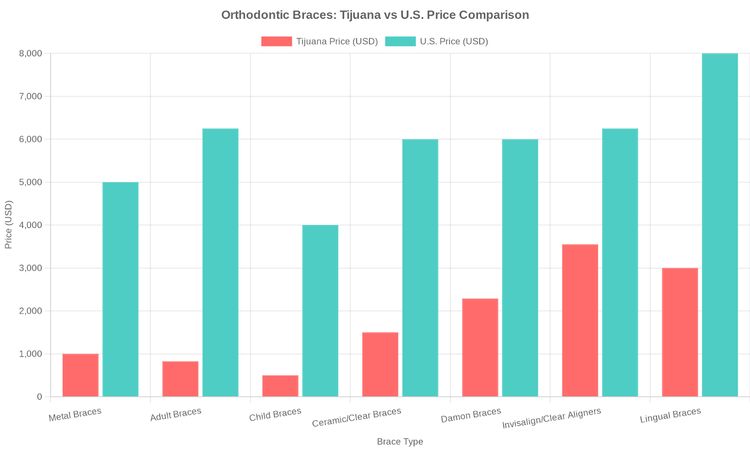
On average, braces in Tijuana cost between $1,500 and $3,500 for the full treatment. That’s for metal braces, including retainers and follow-up visits. Compare that to the $5,000 to $8,000 you’d pay in the U.S., and you might just choke on your coffee.
Must Read
Some high-end clinics with clear aligners or ceramic braces might push you toward $4,000. But even then, you’re saving enough to buy a plane ticket, a hotel room, and a lifetime supply of guacamole.
“I saved $4,000 on my daughter’s braces, and we still had money for a beach day in Rosarito.” — A very smug parent, probably.
Why Is It So Cheap? (No, They’re Not Using Fishing Line)
It’s not that Tijuana has inferior materials—it’s that the cost of living is lower. Rent, staff salaries, and lab fees are all cheaper, so the savings pass to you. Also, Mexican dental schools are no joke; many orthodontists train in the U.S. and return home to practice.
You’re not getting a discount on skill. You’re getting a discount on overhead. It’s like buying a designer handbag at an outlet mall—same leather, fewer zeros on the price tag.
Of course, you should always check reviews and certifications. But the idea that “cheap equals dangerous” is a myth that only your wallet believes.
The Hidden Costs (And They’re Not What You Think)
First, you’ll need to budget for the border crossing. That’s about $10 for a quick Uber to the border, or you can park and walk. Then, add the cost of your appointments—usually every 4-6 weeks—so factor in gas, parking, and a few tacos.
Also, don’t forget the time commitment. You might spend two hours in line at the border, but hey, that’s two hours of people-watching. And if you’re lucky, you’ll meet a fellow brace-face and bond over sore gums.
One more thing: if you need extractions or x-rays, those are often separate. But even with those add-ons, you’ll likely spend less than half of what you’d pay stateside.

The Gear: Metal, Ceramic, or Invisible?
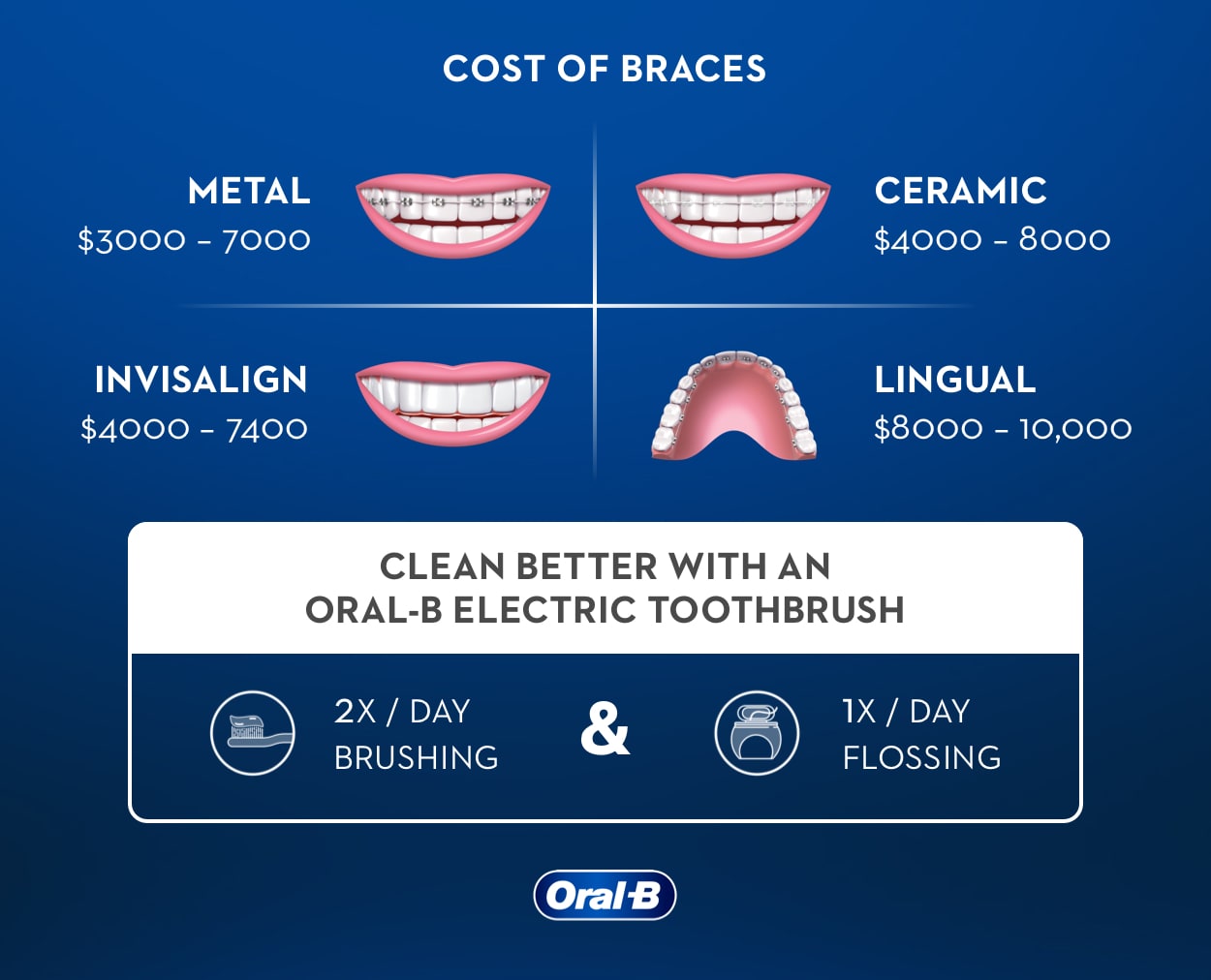
Traditional metal braces in Tijuana start around $1,500. That’s the classic “train track” look that builds character (and a bit of a lisp). If you want something less noticeable, ceramic braces run about $2,500—still a steal.
For Invisalign-style clear aligners, you’re looking at $3,000 to $4,000. That’s about half the U.S. price, and you get to pretend you’re a secret agent with a plastic mouth.
Just remember: the fancier the gear, the more you’ll have to remember to brush. But you were going to do that anyway, right?
But Wait, Is It Safe? (Cue the Dramatic Music)
Look, there are good and bad dentists everywhere, in every country. The trick is to do your homework. Look for clinics with International Patient Departments and English-speaking staff. Read Google reviews, ask for before-and-after photos, and don’t be shy about asking for credentials.
Many Tijuana clinics are accredited by the Mexican Dental Association and even have U.S. partnerships. You’re not stepping into a dungeon; you’re stepping into a modern building with digital x-rays and Netflix in the waiting room.
Plus, the fact that they see hundreds of Americans every month means they’ve got the process down to a science. They’re not just fixing teeth; they’re perfecting the art of the “medical vacation.”
The Unpopular Opinion: You’re Paying for Convenience, Not Quality
Here’s the kicker: the price difference isn’t because U.S. orthodontists are better. It’s because they have higher overhead, more insurance paperwork, and a bigger mortgage on their strip-mall office. You’re paying for their location, not their skill.
So, if you live within driving distance of Tijuana (or even if you don’t—make it a trip), you’re being smart, not cheap. You’re being a savvy consumer who knows that a smile is an investment, but it doesn’t have to break the bank.

And honestly? The worst part of braces is the first week of soup. That hurts the same in Tijuana as it does in Topeka. So why not pay less for the same pain?
Final Thought (And a Tiny Bribe)
If you’re still skeptical, just remember: the flight to Tijuana is cheaper than a single orthodontic adjustment in Manhattan. And you get to enjoy a margarita (after your wires are tightened, not before, you’re not a lunatic).
So go ahead, book that consultation. Your future straight teeth will thank you, and your savings account won’t cry. Just don’t tell your local dentist we had this conversation—they’ll try to guilt you with a “loyalty discount.”
Smile on, my friends. Smile on—and pack your toothbrush.