How Much Do Bifocals Cost At Walmart
Let’s be honest—the day you realize you need bifocals feels a bit like getting your first pair of “dad jeans.” You’re not old, you’re just... practical. But then the panic sets in when you think about the price tag. Will you need to sell a kidney, or can you actually afford to see the menu at a dimly lit restaurant again?
Here’s the good news: Walmart is the fast-casual dining of eyewear—reliable, affordable, and surprisingly good for what you pay. You won’t get a fancy Italian waiter named Giovanni, but you will get a solid meal. So, let’s break down the real costs of bifocals at Walmart without the eye-doctor jargon or the retail side-eye.
The Magic Number: It’s Not What You Think
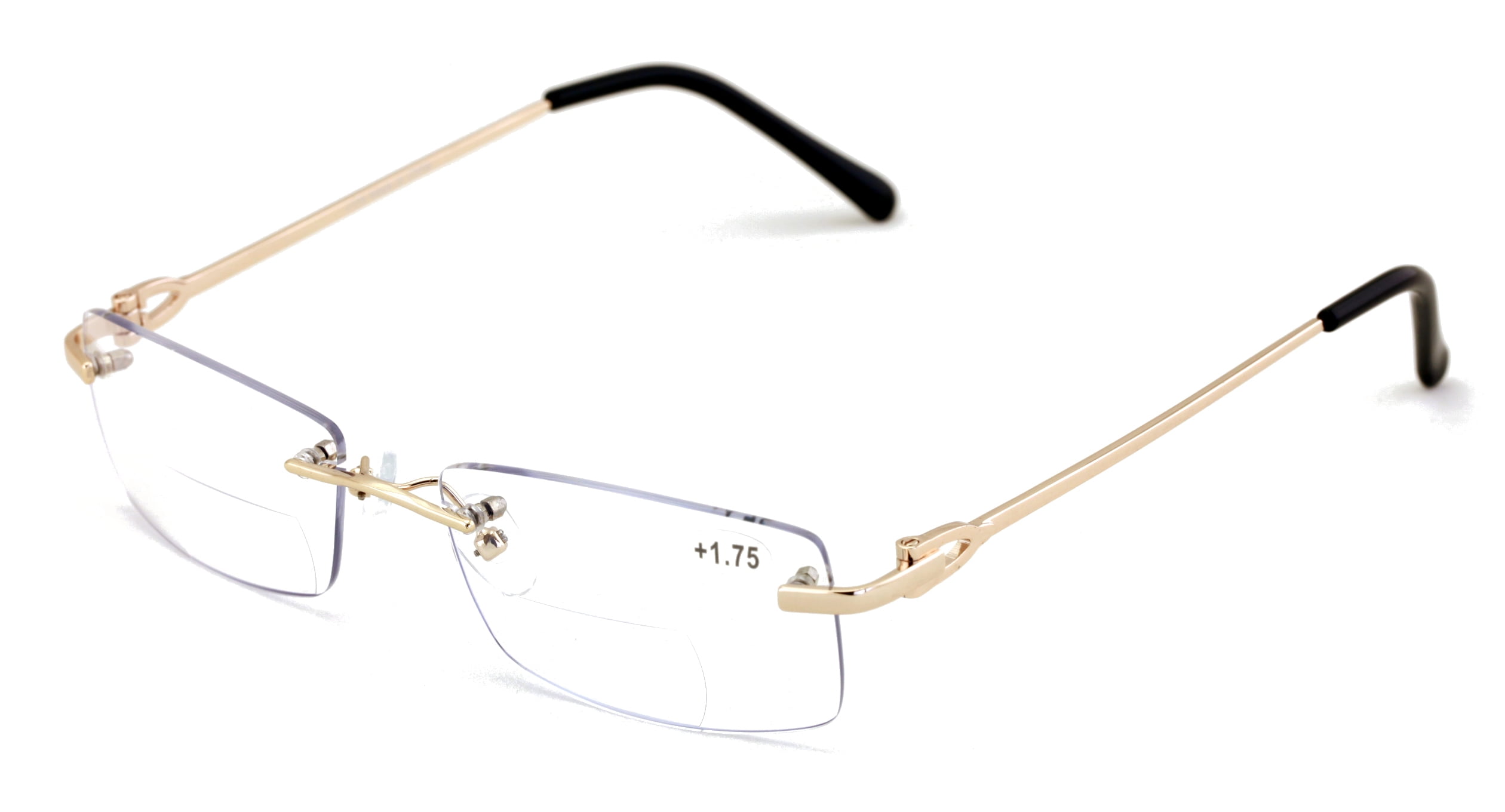
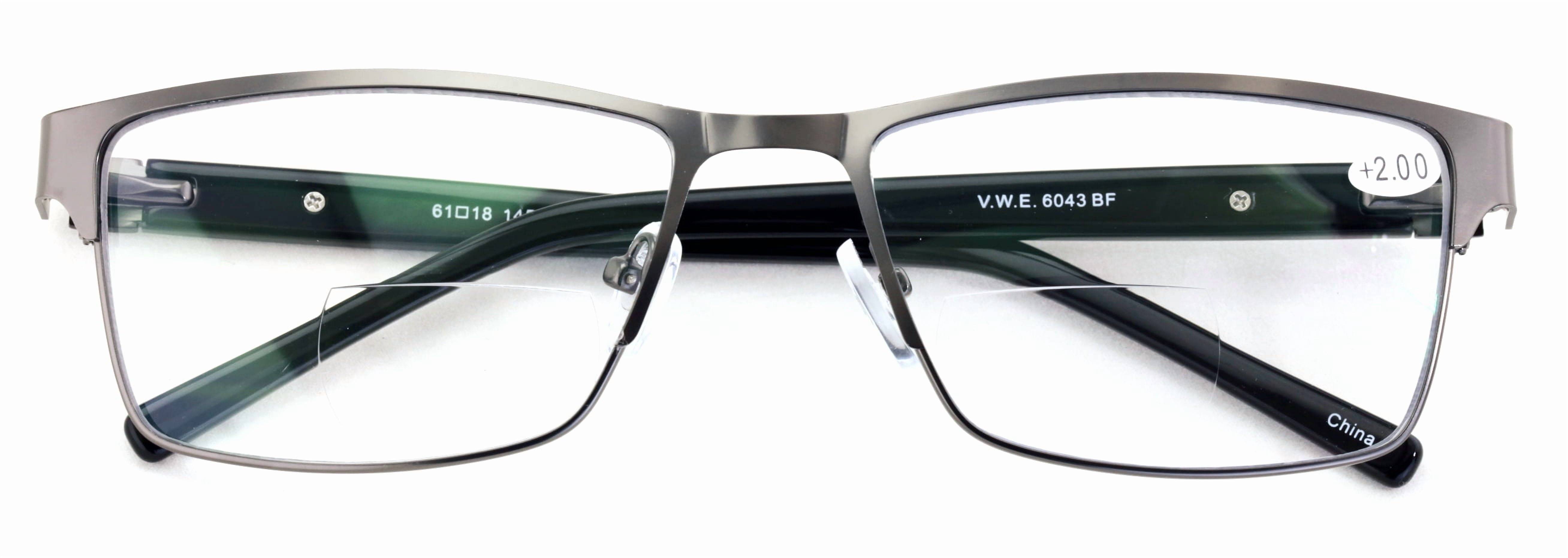
For a standard pair of bifocals with single-vision distance and reading, you’re looking at roughly $80 to $150 for the complete package. That includes the lenses, the frame, and the basic anti-scratch coating. Compare that to a boutique shop where the same pair might set you back $400, and you’re basically finding a $20 bill in an old coat pocket.
Must Read
Now, before you start dancing in the aisle, remember that this price depends on a few sneaky variables. The frame is the big wildcard—designer names will bump that total up faster than a kid spotting a toy store. Stick to Walmart’s own brand or a mid-tier frame, and you’ll stay comfortably in the budget zone.
Why “Standard” Bifocals Are Your Best Friend
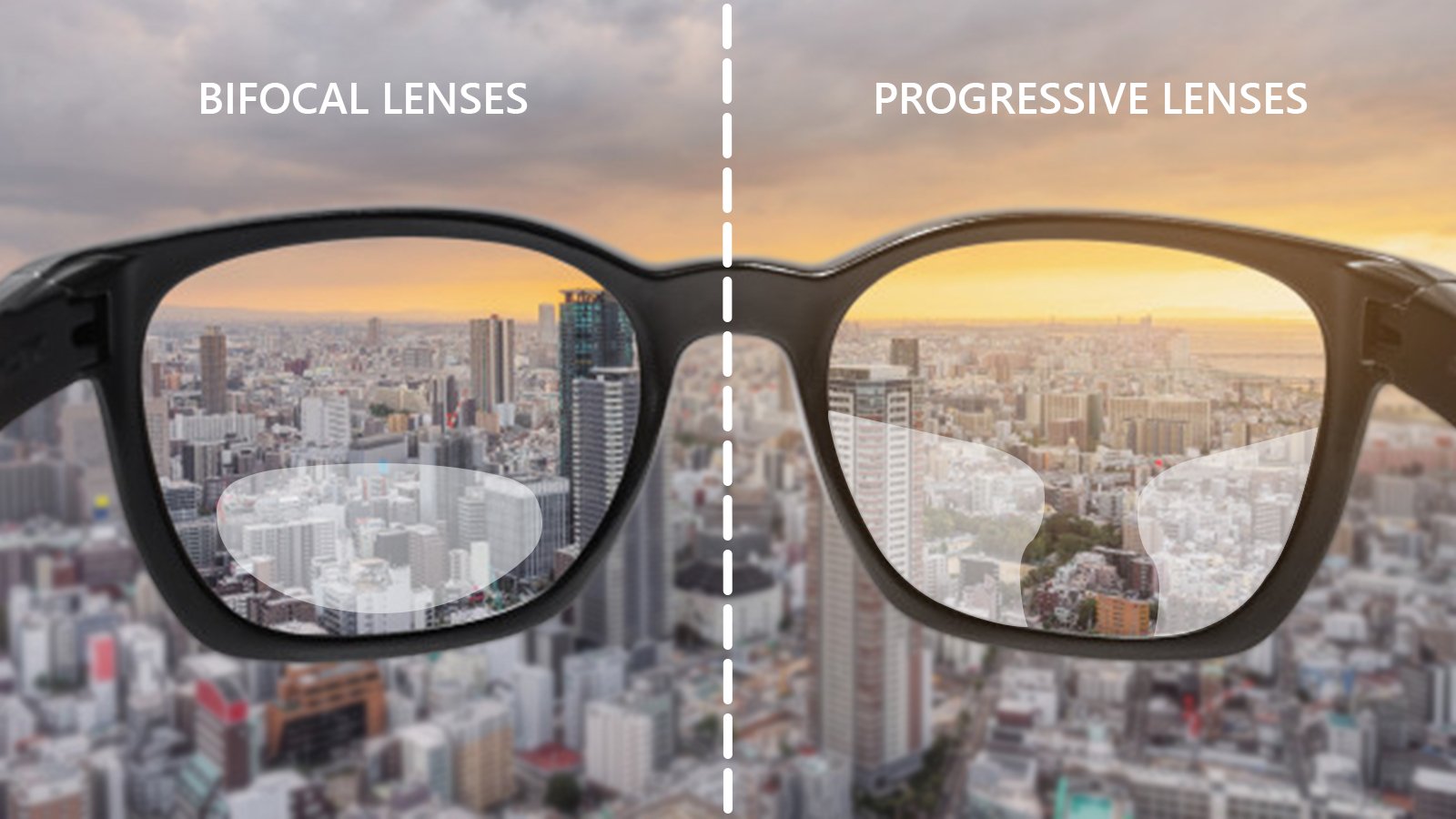
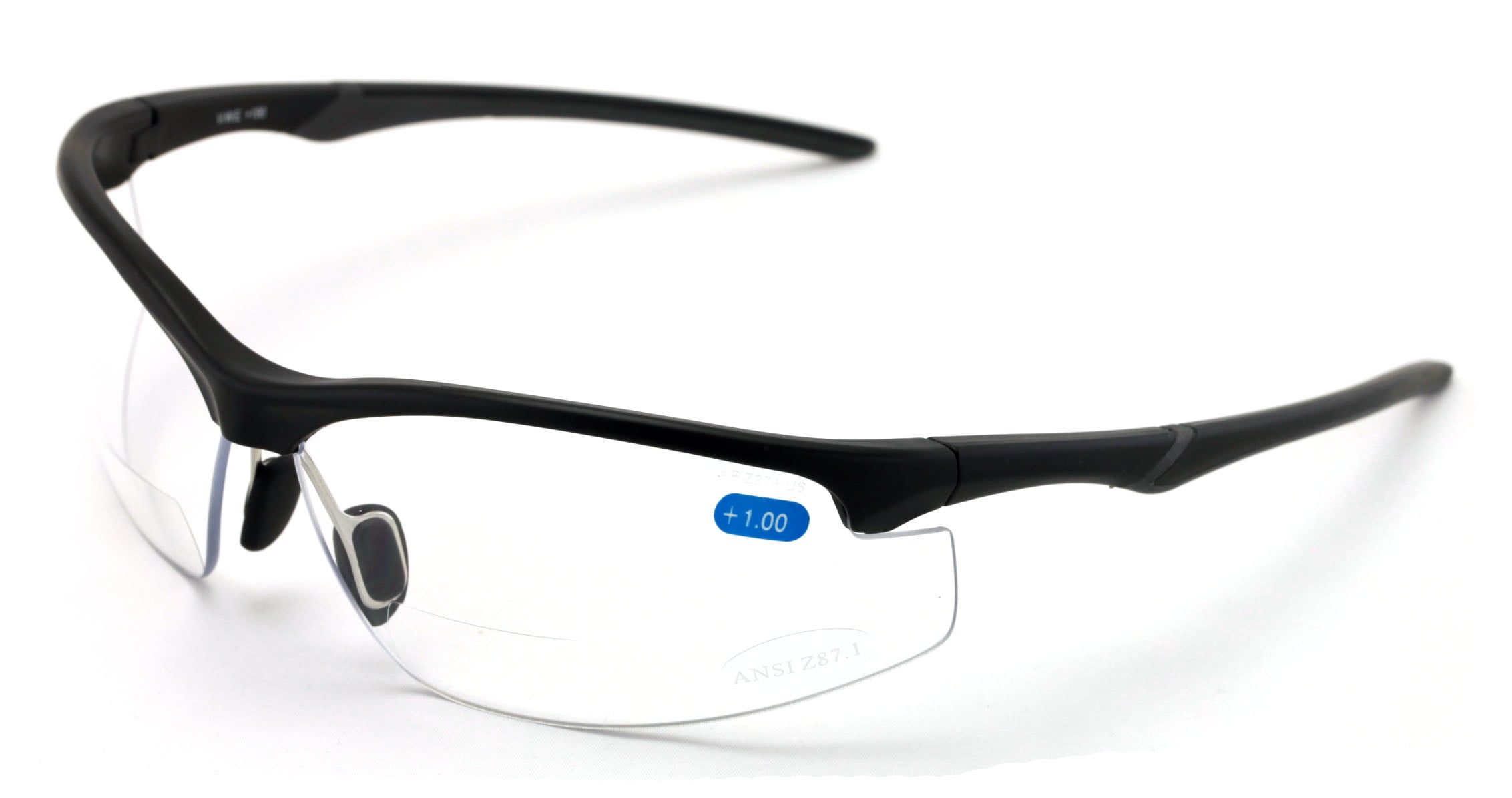
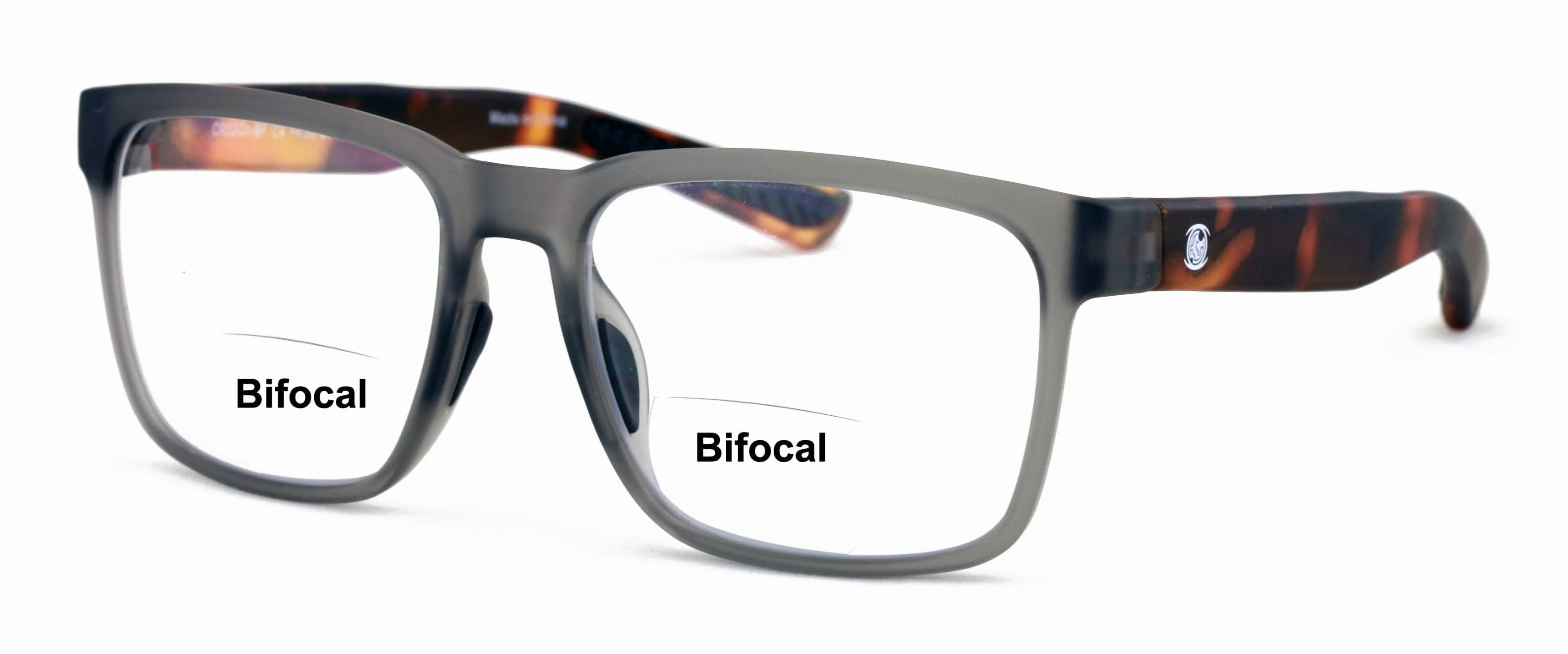
Those classic “line-in-the-middle” bifocals are the workhorses of the eyewear world. They’re like the Swiss Army knife in your drawer—nothing fancy, but they do the job perfectly. At Walmart, these run around $78 for lenses alone, which feels like a bargain when you realize you’ll never again hold a restaurant menu at arm’s length like a medieval herald.
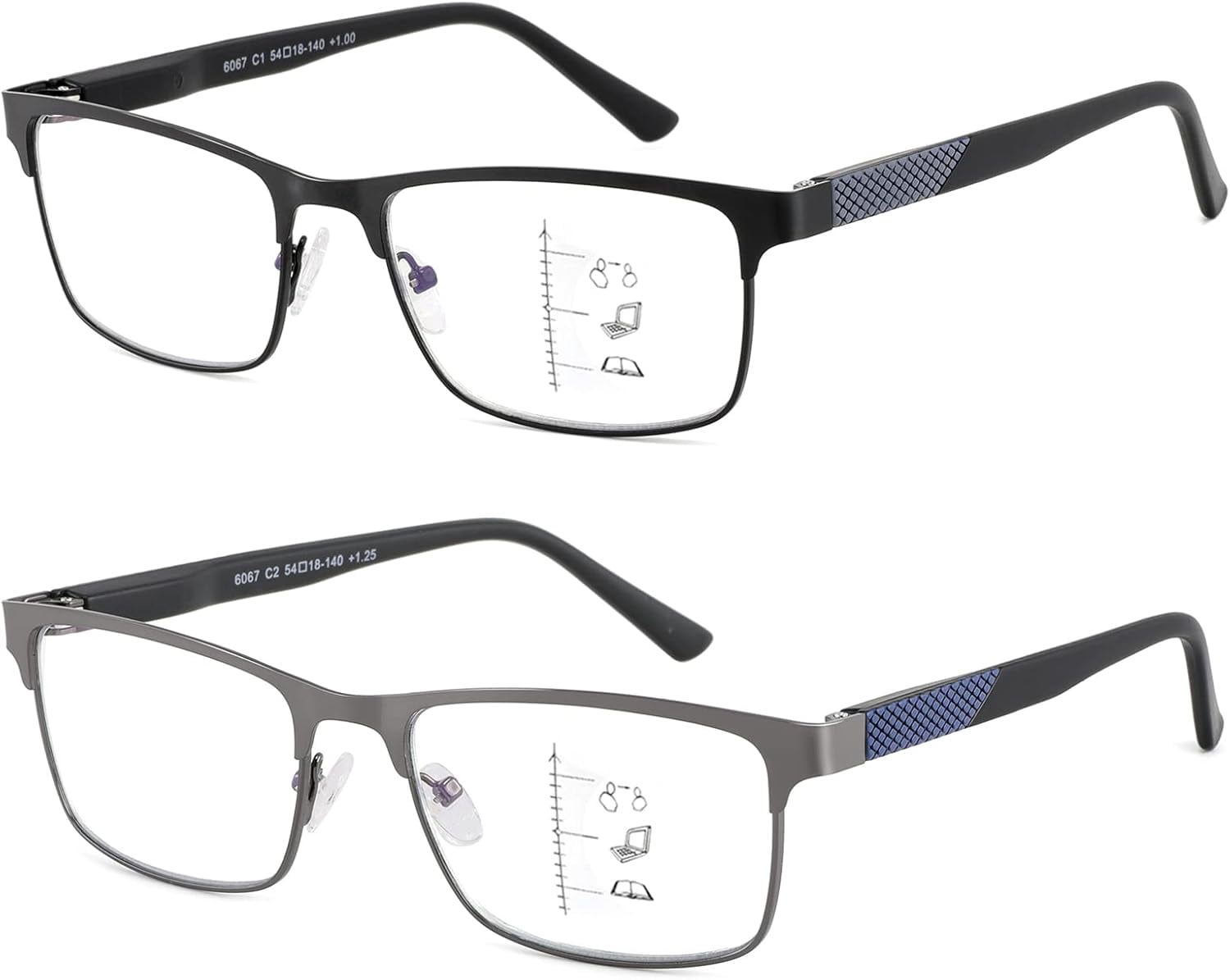
But let’s be real: the invisible “progressive” lenses are what most people secretly want. They’re the avocado toast of vision care—everyone says they’re worth it. At Walmart, progressives start around $110, but they can climb to $200+ if you add blue-light filtering or transitions. Is it worth it? Only if you’re tired of people asking, “Why are you wearing glasses with a line through them?”
The Hidden Costs That’ll Get You
Here’s the part nobody tells you: the advertised price is for the base model, like a car without power windows. You’ll probably want anti-glare coating (a must for night driving, trust me). That’s an extra $30 to $50. And if you’re like me and drop your glasses in the sink while brushing your teeth, add $20 for the scratch-resistant upgrade.
Do the math, and a decent pair with all the bells and whistles lands around $180 to $220. Still a steal compared to your dentist’s office, but not the $79 miracle you saw online. The key is to ask for a price breakdown before you pick the frame. The optician at Walmart is usually chill and will help you find a deal if you’re nice.
A Little Story To Help You Decide
My neighbor Rick was convinced he needed $500 glasses to look professional for Zoom calls. He went to Walmart, got a sleek pair for $140, and now he tells everyone he’s “investing in the future.” The secret? He picked a frame from the clearance rack and skipped the fancy lens tint. Nobody knows, and he reads his emails at a normal distance again.
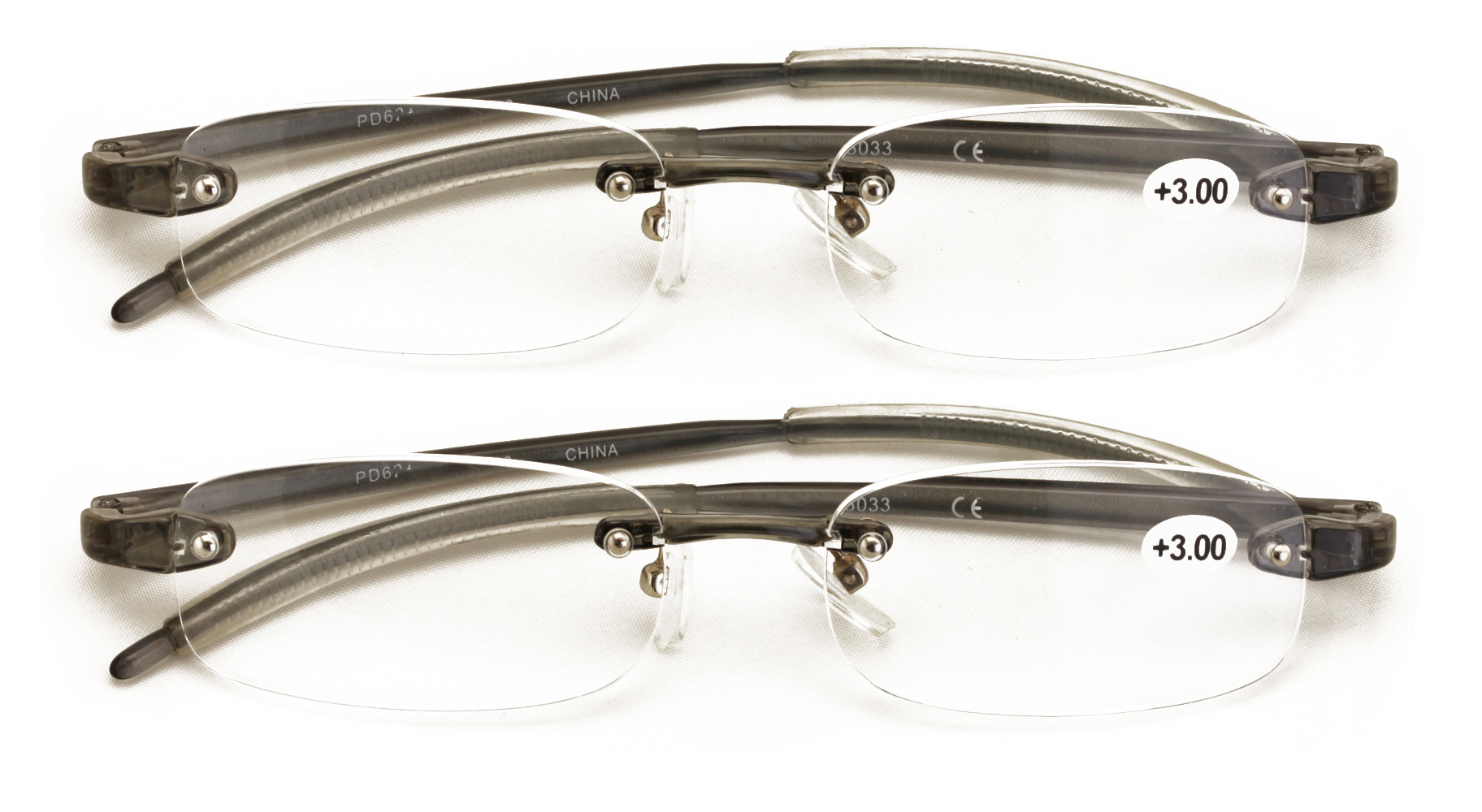
So, what’s the real takeaway? You don’t need to finance your eyeballs. Walk into Walmart, ask for the cost breakdown, and remember that the purpose of bifocals is to see your kids’ faces and the TV remote, not to impress a hawk. Your wallet will thank you, and so will your neck—no more awkward tilting to see across the room.
Just don’t forget to bring your prescription, because pretending you can read the eye chart from memory is a rookie move. And hey, if you’re still unsure, grab a pair of cheap readers at the checkout for $5 and practice your “I’m too young for this” face. You’ll be back for the real thing soon enough.