How Many Years To Earn A Master's Degree

The pursuit of higher education has been a cornerstone of personal and professional development for centuries. One of the most sought-after degrees is the Master's, which represents a significant milestone in one's academic journey. But have you ever wondered how many years it takes to earn a Master's degree? The answer might surprise you. On average, a Master's program can last anywhere from one to three years, depending on the institution, the field of study, and the student's circumstances. However, this duration can vary significantly, and it's essential to understand the factors that influence it.
In the past, Master's degrees were relatively rare and often reserved for those who wanted to pursue a career in academia or research. However, with the changing job market and the increasing demand for specialized skills, the Master's degree has become more accessible and appealing to a broader range of students. Today, you can find Master's programs in almost every field, from business and engineering to arts and humanities. The rise of online education has also made it possible for students to pursue a Master's degree from anywhere in the world, at any time. As a result, the number of students enrolling in Master's programs has skyrocketed, and the degree has become a vital component of many careers.
Introduction to Master's Degrees
The Master's degree has a long and fascinating history that dates back to the Middle Ages. The first Master's degrees were awarded in Europe, where they were considered a privilege reserved for the clergy and the nobility. Over time, the degree evolved and became more accessible, but it wasn't until the 20th century that it became a staple of higher education. Today, there are many types of Master's degrees, including the Master of Arts (MA), Master of Science (MS), Master of Business Administration (MBA), and many others. Each type of degree has its unique characteristics, requirements, and career outcomes.
Must Read
Despite its many benefits, pursuing a Master's degree can be a daunting task. It requires a significant investment of time, money, and effort, and it can be challenging to balance academic responsibilities with work and personal life. Moreover, the academic environment can be highly competitive, and students may face intense pressure to perform well. However, for those who are passionate about their field and willing to put in the work, a Master's degree can be a transformative experience that opens doors to new opportunities and career advancement.
In addition to the academic benefits, a Master's degree can also have a profound impact on one's personal growth and development. The process of pursuing a higher degree requires students to develop essential skills such as critical thinking, problem-solving, and time management. It also provides opportunities for networking, collaboration, and leadership, which are essential in today's fast-paced and interconnected world. As such, the Master's degree has become an essential component of many careers, and it's often seen as a badge of honor that demonstrates a person's expertise and commitment to their field.
The Pursuit of a Master's Degree
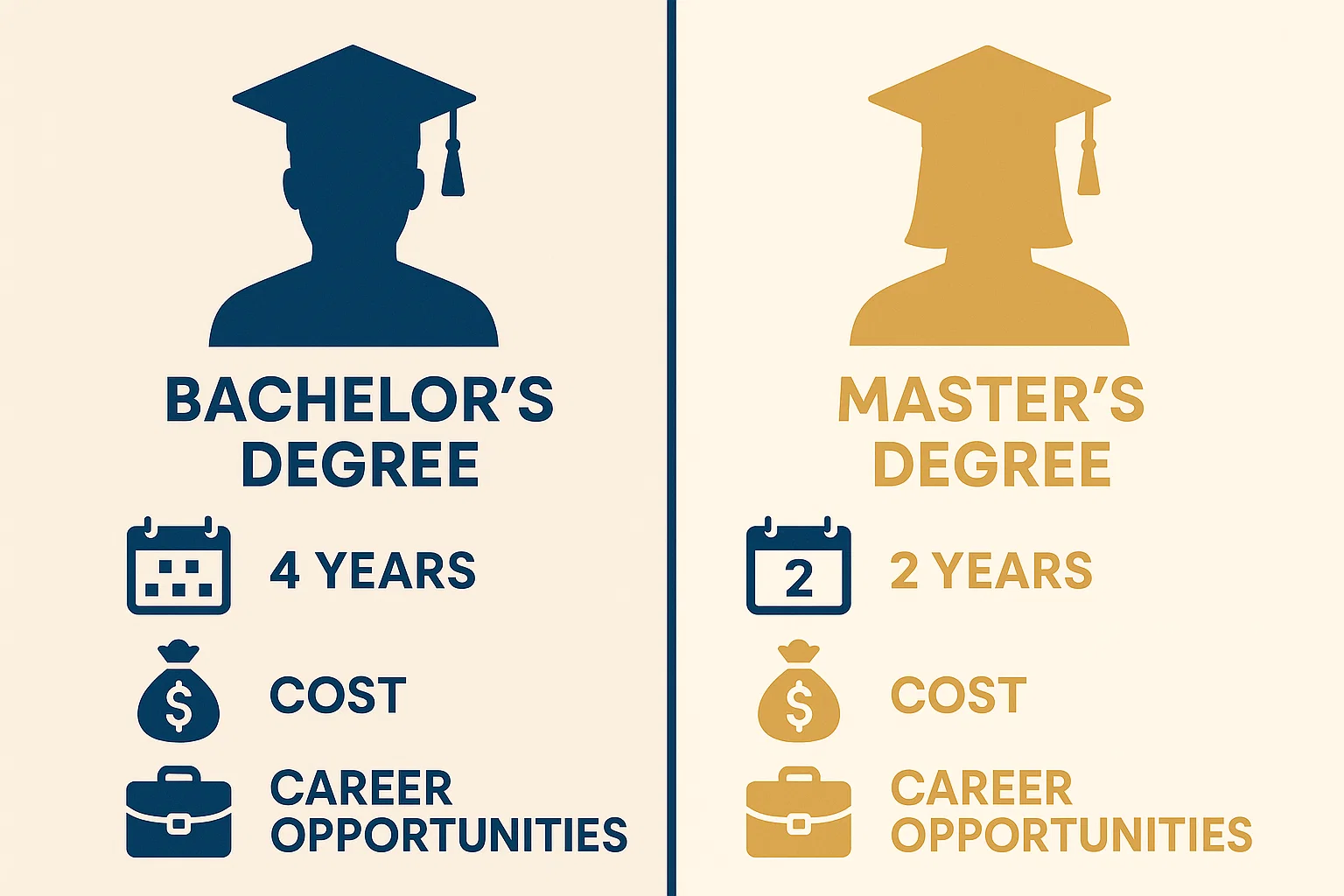
So, how many years does it take to earn a Master's degree? The answer depends on several factors, including the type of degree, the institution, and the student's circumstances. On average, a full-time Master's program can last anywhere from one to two years, while a part-time program can take up to three years or more. However, some programs, such as the MBA, can take up to four years or more to complete. It's also worth noting that some institutions offer accelerated programs that can be completed in as little as six months, while others offer online programs that can be completed at the student's own pace.
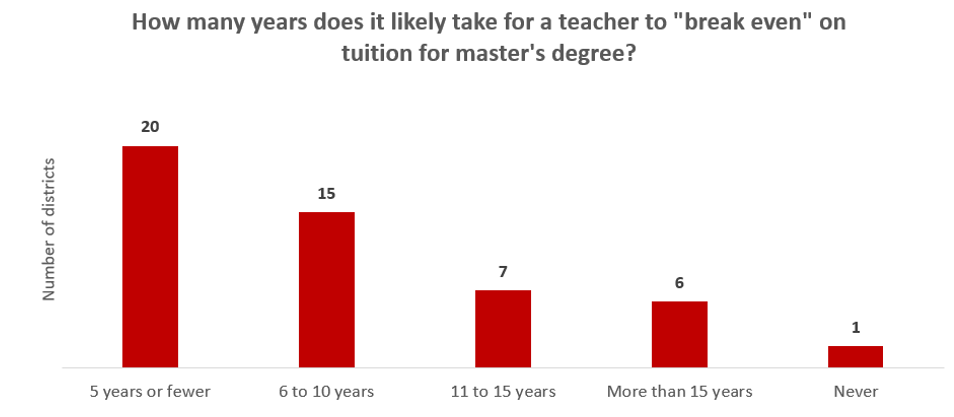
In addition to the duration, the cost of a Master's program is also an essential consideration. The cost of tuition can vary significantly depending on the institution and the location, and it's not uncommon for students to incur significant debt to pursue their degree. However, many institutions offer scholarships and financial aid to help students cover the cost of tuition. It's also worth noting that many employers offer tuition reimbursement programs that can help students offset the cost of their degree.
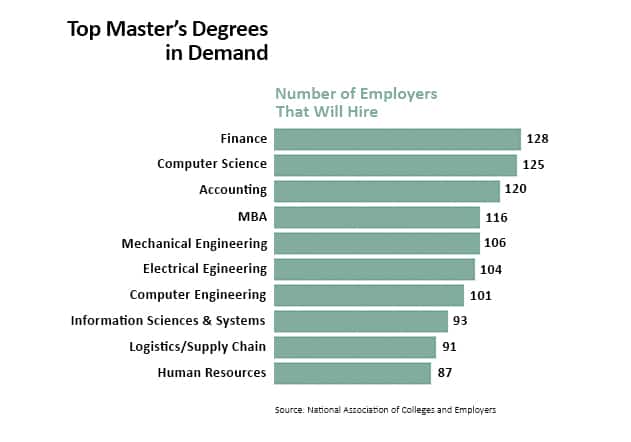
Despite the challenges, pursuing a Master's degree can be a life-changing experience that opens doors to new opportunities and career advancement. It provides students with the opportunity to develop advanced skills, network with professionals, and gain valuable experience in their field. Moreover, it demonstrates a person's commitment to their field and their willingness to invest in their own development. As such, the Master's degree has become an essential component of many careers, and it's often seen as a requirement for advancement.
In conclusion, the pursuit of a Master's degree is a significant undertaking that requires careful consideration and planning. It's essential to research the institution, the program, and the cost of tuition to ensure that it aligns with your goals and circumstances. However, for those who are passionate about their field and willing to put in the work, a Master's degree can be a transformative experience that opens doors to new opportunities and career advancement. So, if you're considering pursuing a Master's degree, don't be afraid to take the leap and invest in your own development.
Real-Life Scenarios and Case Studies
Let's consider a few scenarios to illustrate the benefits and challenges of pursuing a Master's degree. For example, suppose you're a working professional who wants to advance in your career. You've been working in the same role for several years, but you feel like you've hit a ceiling. Pursuing a Master's degree can provide you with the advanced skills and knowledge you need to take on new challenges and responsibilities. However, it may require you to balance your academic responsibilities with your work and personal life, which can be challenging.
Another scenario is the recent graduate who wants to pursue a career in a highly competitive field. In this case, pursuing a Master's degree can provide you with a competitive edge and demonstrate your commitment to your field. However, it may require you to incur significant debt and make sacrifices in your personal life. Ultimately, the decision to pursue a Master's degree depends on your individual circumstances and goals.
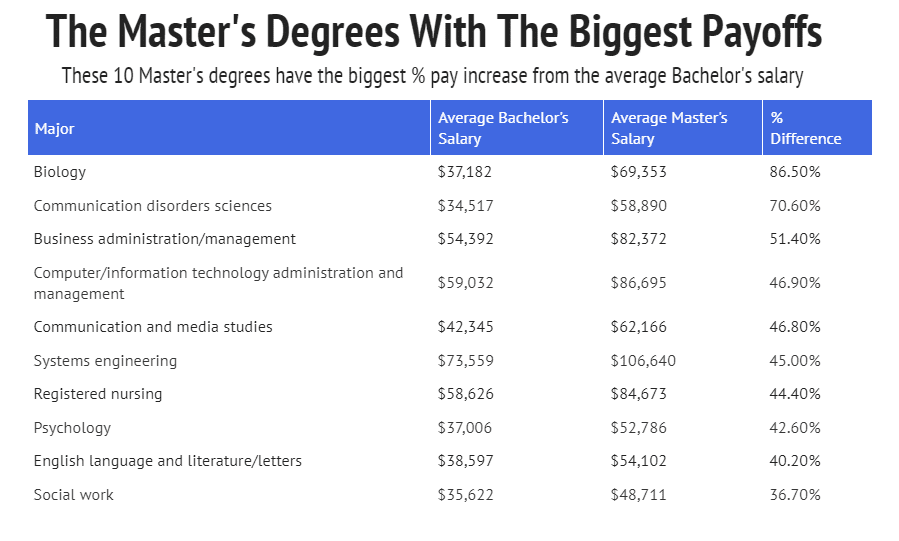
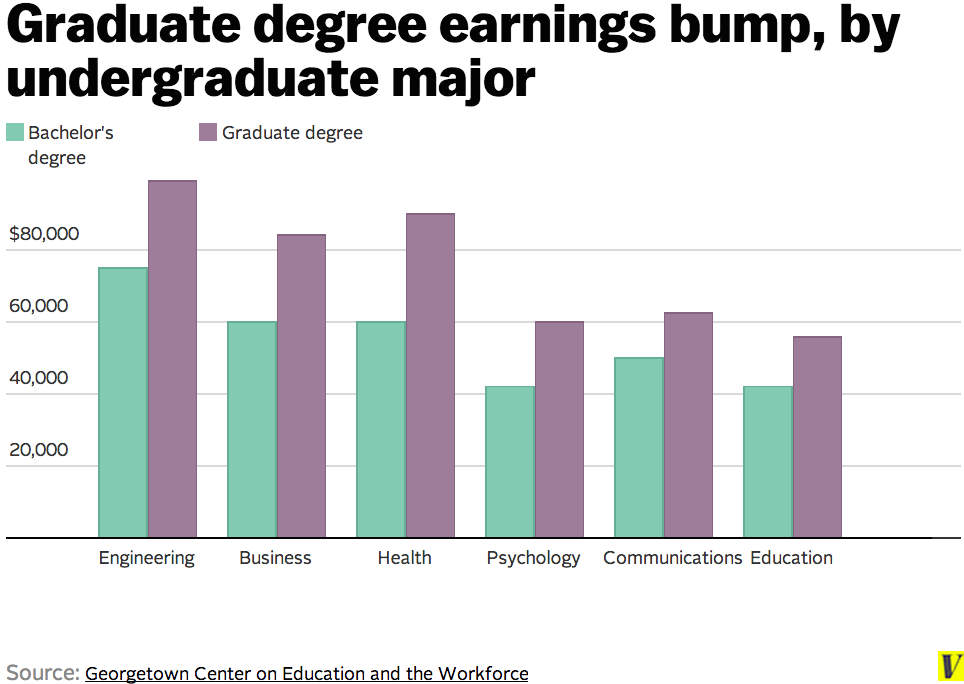
In addition to these scenarios, there are many case studies that demonstrate the benefits of pursuing a Master's degree. For example, a study by the National Science Foundation found that workers with a Master's degree or higher earned significantly more than those with a Bachelor's degree or lower. Another study by the Harvard Business Review found that employees who pursued a Master's degree were more likely to be promoted and advance in their careers.
Finally, it's worth noting that there are many resources available to help students navigate the process of pursuing a Master's degree. For example, many institutions offer academic advising and career counseling to help students choose the right program and develop a plan for their career. Additionally, there are many online resources and communities that provide support and guidance to students who are pursuing a Master's degree.
Frequently Asked Questions
What is the average cost of a Master's degree?
The average cost of a Master's degree can vary significantly depending on the institution and the location. However, according to a report by the College Board, the average cost of tuition for a Master's program is around $10,000 per year. However, this cost can range from as low as $5,000 per year to as high as $20,000 per year or more, depending on the institution and the program. It's also worth noting that many institutions offer financial aid and scholarships to help students cover the cost of tuition.
In addition to the cost of tuition, there are also other expenses to consider, such as room and board, books and supplies, and transportation. These expenses can add up quickly, and it's essential to factor them into your budget when planning to pursue a Master's degree. However, many institutions offer online programs that can help students reduce their expenses and pursue their degree at a lower cost.
How long does it take to complete a Master's degree?
The length of time it takes to complete a Master's degree can vary significantly depending on the institution and the program. On average, a full-time Master's program can last anywhere from one to two years, while a part-time program can take up to three years or more. However, some programs, such as the MBA, can take up to four years or more to complete. It's also worth noting that some institutions offer accelerated programs that can be completed in as little as six months, while others offer online programs that can be completed at the student's own pace.
In addition to the duration, it's also essential to consider the curriculum and the coursework required for the program. Many Master's programs require students to complete a thesis or a capstone project, which can take several months to complete. Additionally, some programs may require students to complete an internship or a practicum, which can provide valuable work experience and skills.
What are the benefits of pursuing a Master's degree?
The benefits of pursuing a Master's degree are numerous and well-documented. One of the most significant benefits is the potential for career advancement and higher earnings. According to a report by the Bureau of Labor Statistics, workers with a Master's degree or higher earn significantly more than those with a Bachelor's degree or lower. Additionally, many employers require a Master's degree for certain positions, so pursuing a Master's degree can provide a competitive edge in the job market.
Another benefit of pursuing a Master's degree is the opportunity to develop advanced skills and knowledge in a specific field. Many Master's programs provide students with the opportunity to specialize in a particular area and develop expertise that can be applied in a variety of settings. Additionally, pursuing a Master's degree can provide students with the opportunity to network with professionals and make valuable connections in their field.
Can I pursue a Master's degree online?
Yes, it is possible to pursue a Master's degree online. Many institutions offer online programs that provide students with the flexibility to pursue their degree from anywhere in the world, at any time. Online programs can be a great option for students who have work or family commitments that make it difficult to attend a traditional campus-based program. However, it's essential to ensure that the program is accredited and provides students with the same level of quality and support as a traditional program.
In addition to the flexibility, online programs can also provide students with the opportunity to save money on expenses such as room and board and transportation. However, it's essential to consider the technological requirements of the program and ensure that you have the necessary equipment and skills to succeed. Additionally, online programs may require students to participate in virtual classes and online discussions, which can provide opportunities for interaction and engagement with faculty and peers.
What are the requirements for pursuing a Master's degree?
The requirements for pursuing a Master's degree can vary significantly depending on the institution and the program. However, most programs require students to have a Bachelor's degree or equivalent in a related field, as well as a strong academic record and test scores. Additionally, many programs require students to submit letters of recommendation and a personal statement as part of the application process.
In addition to the academic requirements, many programs also require students to have practical experience or related work experience in their field. This can provide students with the opportunity to apply theoretical concepts to real-world problems and develop valuable skills and knowledge. Additionally, some programs may require students to complete a background check or health screening as part of the application process.
Reflecting on the topic of Master's degrees, it's clear that pursuing higher education is a complex and multifaceted issue. On the one hand, it can provide individuals with the opportunity to develop advanced skills and knowledge, and to pursue careers that are fulfilling and challenging. On the other hand, it can also be a significant investment of time and money, and it may require individuals to make sacrifices in their personal and professional lives.
Despite these challenges, the benefits of pursuing a Master's degree are well-documented. It can provide individuals with a competitive edge in the job market, and it can also provide them with the opportunity to develop advanced skills and knowledge in a specific field. Additionally, pursuing a Master's degree can be a transformative experience that opens doors to new opportunities and career advancement.
In conclusion, the decision to pursue a Master's degree is a personal one that depends on an individual's circumstances and goals. However, for those who are passionate about their field and willing to put in the work, a Master's degree can be a life-changing experience that provides them with the advanced skills and knowledge they need to succeed. As such, it's essential to approach the decision to pursue a Master's degree with careful consideration and planning, and to be aware of the potential benefits and challenges that it may entail.