How Many Yards In A Dump Trailer

Have you ever stared at a dump trailer and wondered just how much it can actually hold? It’s one of those questions that sounds simple but feels surprisingly good to figure out. Whether you’re planning a big landscaping project or just curious about heavy machinery, knowing your yardage is a handy party trick.
The short answer is that dump trailers usually range from 5 to 18 cubic yards, but the exact number depends on the trailer’s size and shape. For everyday folks, this matters more than you think. If you’re hauling mulch, gravel, or dirt, guessing wrong means either extra trips or a mountain of material you didn’t need.
For beginners, this knowledge takes the mystery out of renting a trailer for the first time. You’ll walk onto the lot feeling confident, not confused. For families, it’s a practical way to budget for a weekend project without overpaying for delivery fees.
Must Read
Hobbyists—think gardeners, woodworkers, or small-scale farmers—love this topic because it saves time and money. Instead of borrowing a friend’s truck multiple times, you can pick the right trailer in one shot. Plus, there’s a quiet satisfaction in knowing exactly what your equipment can handle.
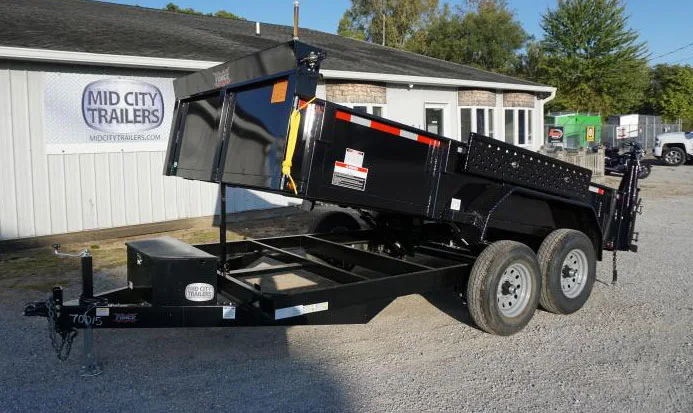
Let’s break it down with an example. A standard 6x10-foot dump trailer with 2-foot sides holds about 4.4 cubic yards. But if you bump the sides to 3 feet tall, that same trailer jumps to around 6.6 cubic yards—a big difference for the same footprint.

Variations are everywhere. Some trailers have sloped floors to help material slide out, which slightly reduces capacity. Others come with high sides specifically for lightweight items like leaves or wood chips. Always check the manufacturer’s spec sheet instead of guessing from the outside.
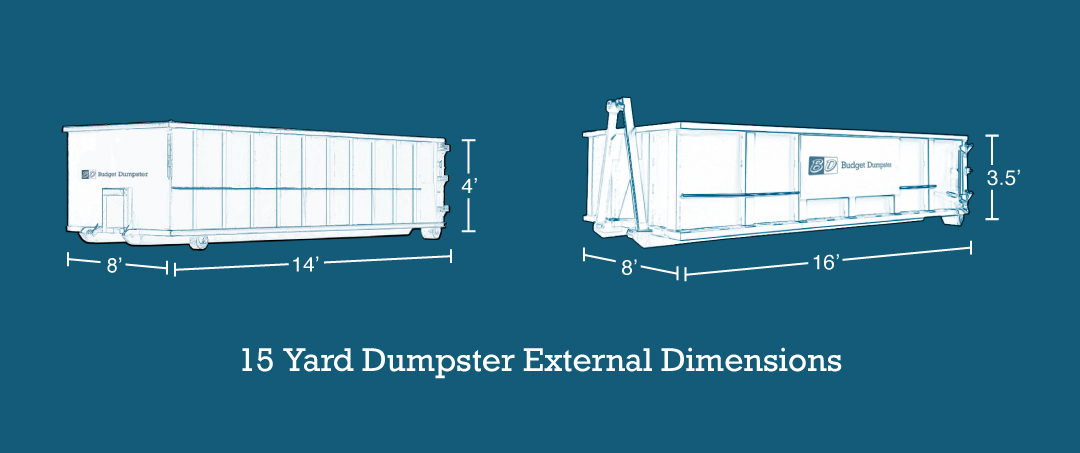
Here’s a golden rule: one cubic yard equals 27 cubic feet. So if you measure the trailer’s interior length, width, and height in feet, multiply them together, then divide by 27. That gives you your yardage in about 30 seconds.
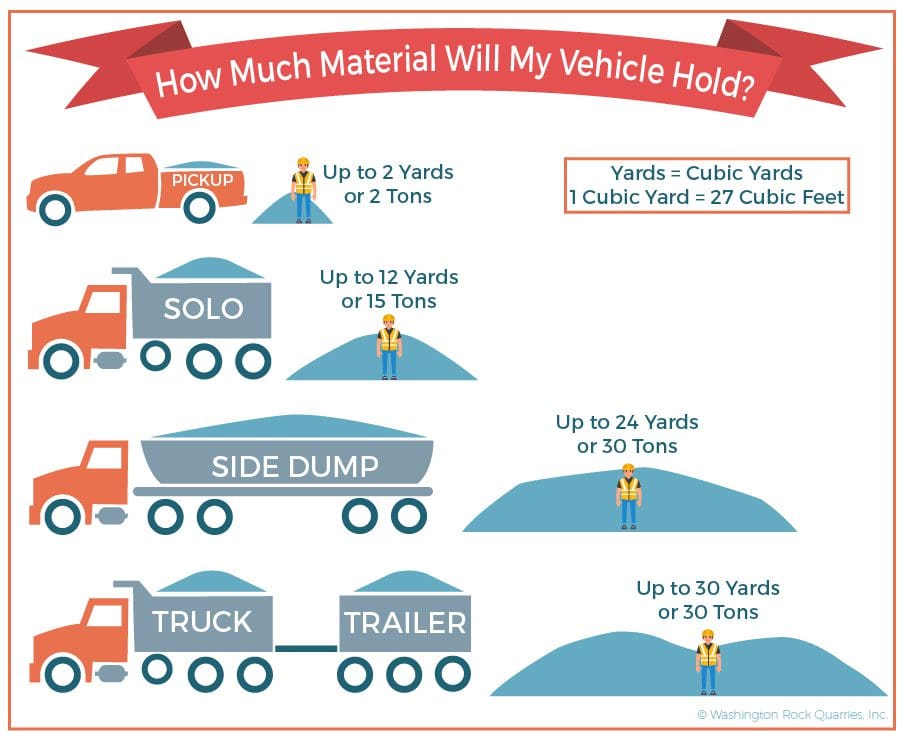
When you’re starting out, don’t overload. Dump trailers are rated for weight, not just volume, and wet dirt can be deceptively heavy. A yard of topsoil weighs around 2,000 pounds, but gravel can hit 3,000 pounds—so always check the trailer’s payload limit first.
Another practical tip: measure the inside, not the outside of the trailer walls. The metal frame eats up a few inches that can throw off your math. And if you’re hauling loose material, leave a little headroom so nothing spills on the highway.

For families, this means planning a trip to the dump becomes a fun little math puzzle for the kids. Let them help measure and calculate—it turns a chore into a mini lesson. For hobbyists, it’s a way to avoid the dreaded “I need one more load” problem at 5 PM on a Sunday.
Finally, remember that different states have different legal limits for trailer capacity on public roads. A quick online check for your area prevents fines and keeps everyone safe. It’s not boring—it’s smart, and it makes you look like a pro.
In the end, knowing your dump trailer’s yardage is less about math and more about control. You stop guessing, start planning, and every project feels smoother. Next time you see a dump trailer on the road, you’ll smile—because you’re one of the few who actually knows what it’s hiding inside.