How Many Calories Must I Consume To Lose Weight

So, you wanna know the secret to shedding those pesky pounds? Well, let's get straight to it! The calorie deficit is the holy grail of weight loss, and it's ridiculously simple: you need to burn more calories than you consume.
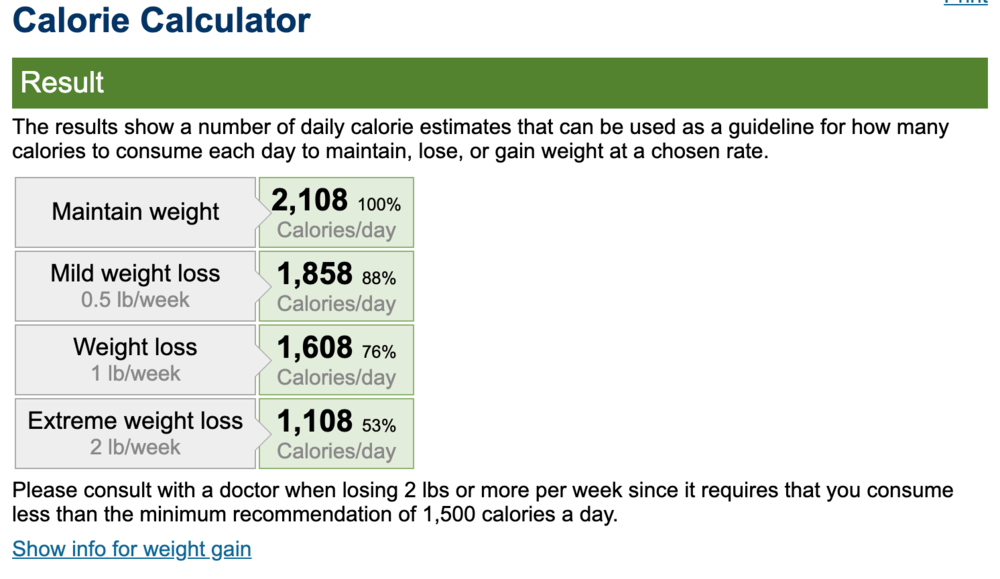
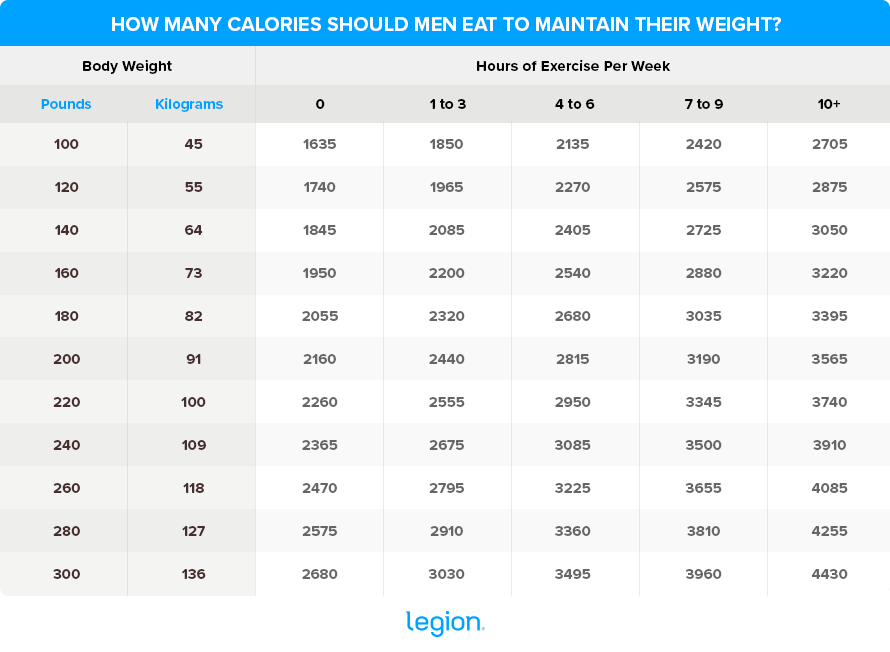
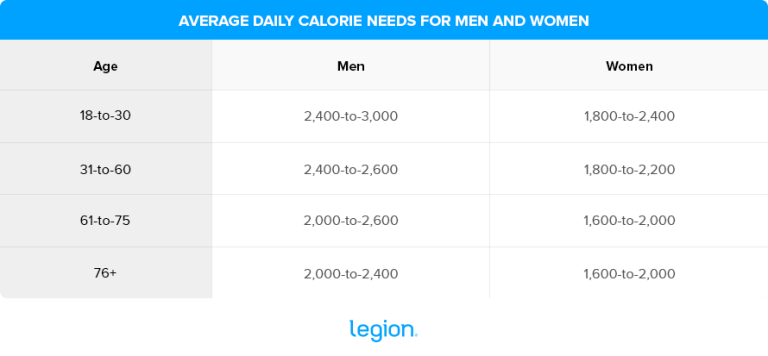
A good starting point is to calculate your daily maintainance calories, which is the number of calories your body needs to function at its current weight. For example, if your daily maintainance calories are 2,500, you'll need to reduce that number to create a calorie deficit. A safe and sustainable rate of weight loss is 1-2 pounds per week, which translates to a daily calorie deficit of 500-1000 calories.
The Calorie Conundrum
The
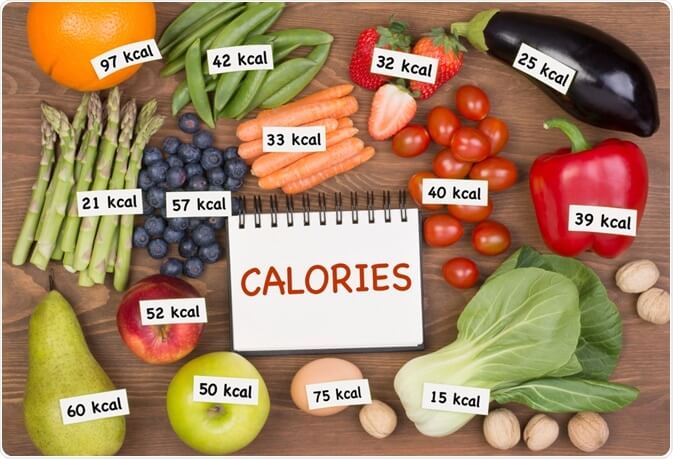
quality of caloriesalso matters, not just the quantity. Focus on whole, unprocessed foods like fruits, veggies, whole grains, lean proteins, and healthy fats, which are generally lower in calories and higher in nutrients. Eating a balanced diet will help you feel full and satisfied, making it easier to stick to your weight loss plan.
Must Read
Now, let's talk about physical activity, because exercise is a great way to boost your calorie burn and create a bigger calorie deficit. Aim for at least 150 minutes of moderate-intensity exercise per week, which can be as simple as brisk walking, cycling, or swimming. You can also incorporate high-intensity interval training (HIIT) for a more efficient workout.
Calorie Budgeting
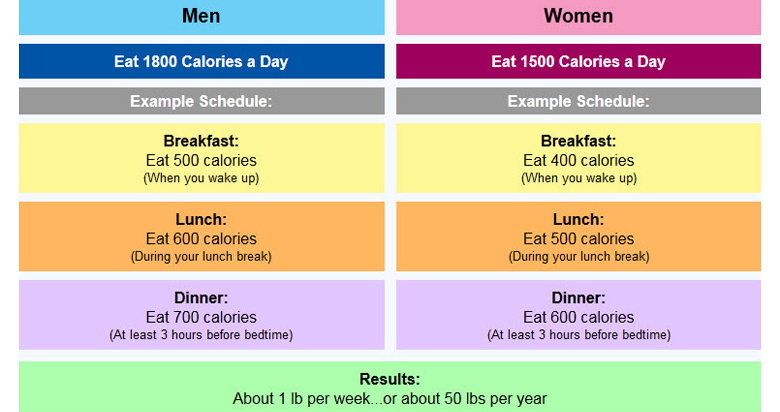
Think of your daily calorie intake as a budget, where you allocate calories to different food groups and activities. Allocate 15-20% of your daily calories to protein, 25-30% to fat, and 55-60% to carbohydrates. Don't forget to leave some room for treats and indulgences, because let's face it, life is short, and cake is delicious!
A great way to track your calorie intake is by using a food diary or a mobile app, which can help you stay accountable and identify patterns in your eating habits. You can also consult with a registered dietitian or a health coach to create a personalized weight loss plan. Remember, losing weight is not just about cutting calories, but also about nourishing your body with whole, healthy foods.
The Power of Mindset
The key to successful weight loss is sustainability, so find a balance that works for you and your lifestyle. Don't try to follow a restrictive diet or overly ambitious workout plan that you can't maintain in the long term. Instead, focus on making healthy habits that you can stick to for the rest of your life.
In conclusion, losing weight is not rocket science, but it does require some common sense and self-care. By creating a calorie deficit, eating a balanced diet, and staying active, you'll be on your way to a healthier, happier you. So go ahead, take control of your weight loss journey, and remember to be kind to yourself along the way!