How Long Will It Take To Be A Therapist
Have you ever wondered what it takes to become a therapist? It's a career path that requires a unique blend of emotional intelligence, active listening skills, and a deep understanding of human psychology. From The Sopranos to Friends, pop culture has always been fascinated by the therapist's couch, but in reality, the journey to becoming a therapist is a long and rewarding one.
Education and Training
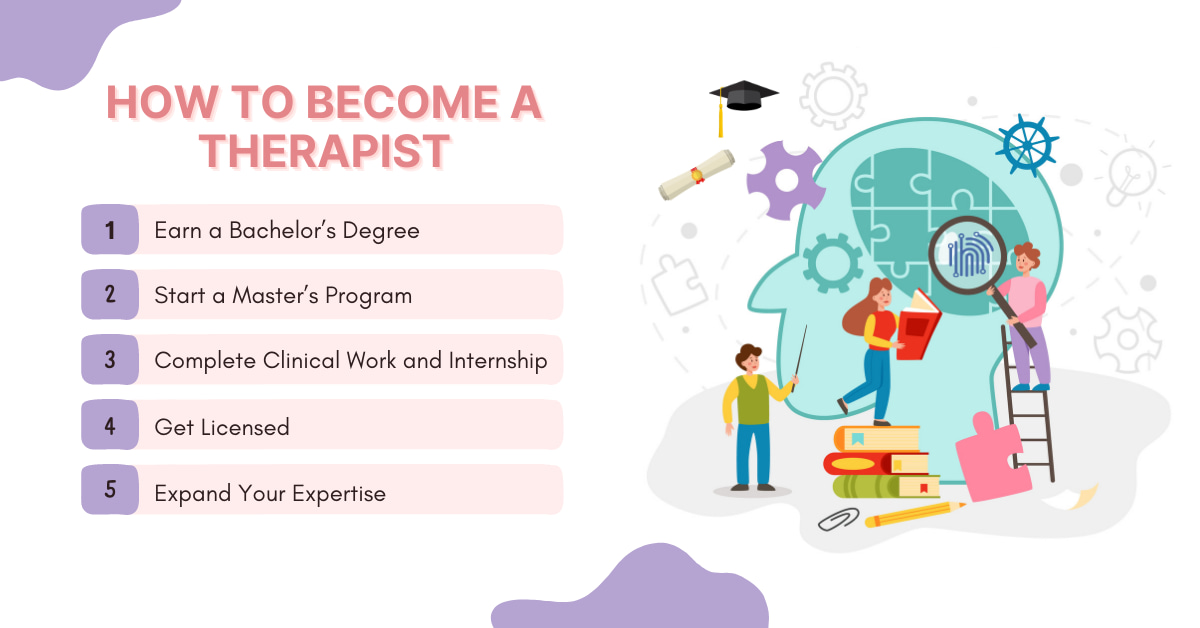
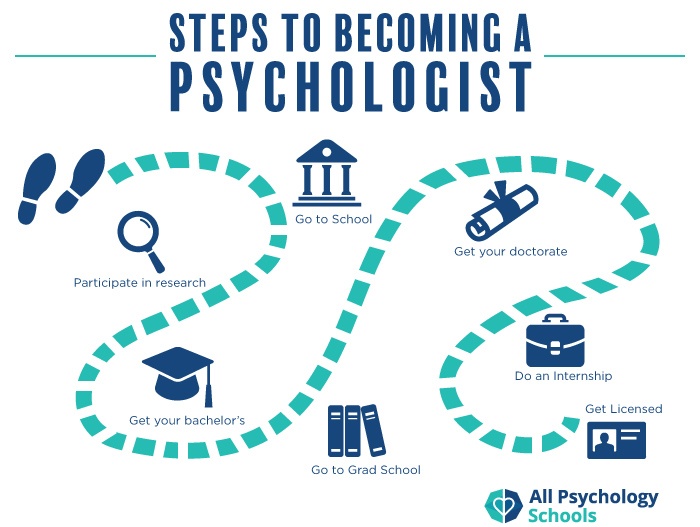
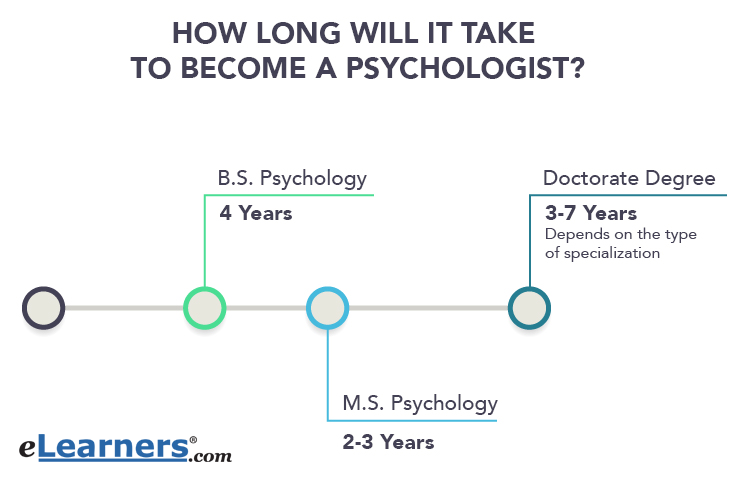
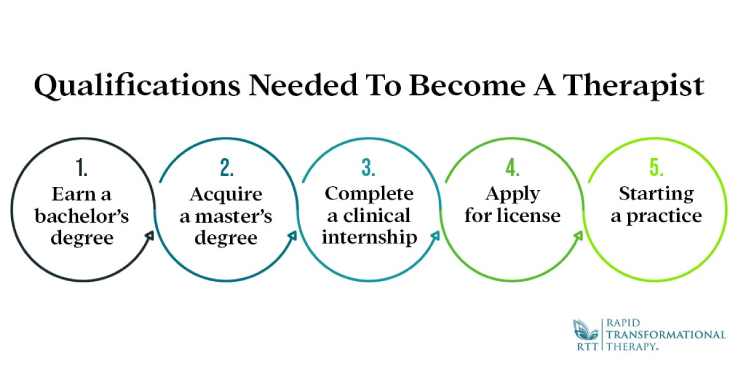
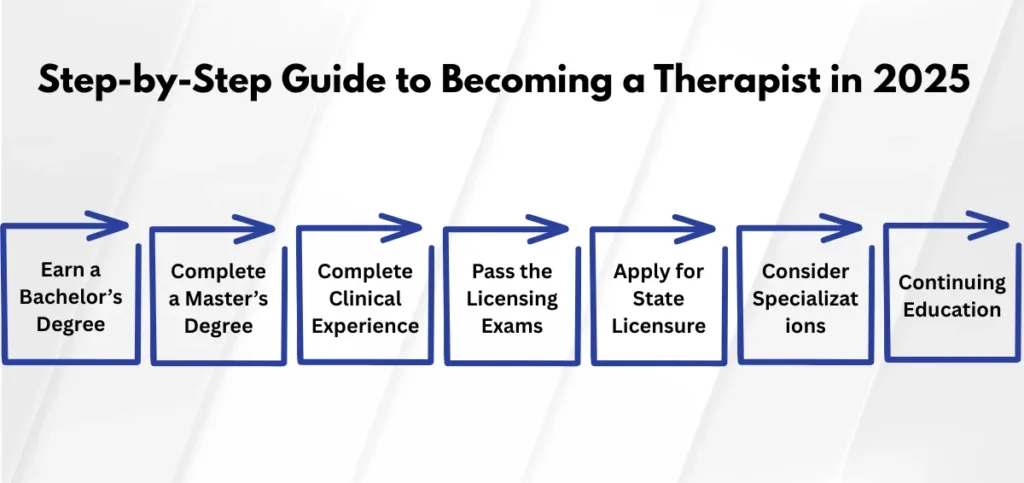
The first step to becoming a therapist is to earn a bachelor's degree in a field such as psychology, sociology, or counseling. This typically takes four years of full-time study, during which you'll gain a solid foundation in subjects like abnormal psychology, statistics, and research methods. Many aspiring therapists also choose to pursue a master's degree or even a doctoral degree to specialize in a particular area of therapy.
In addition to formal education, therapists must also complete a certain number of hours of supervised clinical experience, which can take anywhere from a few months to a few years to complete. This hands-on training is essential for developing the practical skills and confidence needed to work effectively with clients. And, just like any other profession, therapists must also stay up-to-date with the latest research and techniques in their field through ongoing professional development.
Must Read
Licensure and Certification
Once you've completed your education and training, the next step is to obtain licensure or certification to practice as a therapist. This typically involves passing a national exam and meeting other state-specific requirements, such as completing a certain number of hours of continuing education each year. Some therapists also choose to obtain specialized certifications, such as CBT (cognitive-behavioral therapy) or DBT (dialectical behavior therapy), to enhance their skills and marketability.
So, how long does it take to become a therapist? The answer is, it depends on your individual circumstances and goals. On average, it can take anywhere from 6-10 years of education, training, and experience to become a fully qualified therapist. But with the right combination of dedication, hard work, and passion, the rewards are well worth it – from the sense of personal fulfillment to the opportunity to make a positive impact on people's lives.
Practical Tips for Aspiring Therapists
If you're considering a career as a therapist, here are a few practical tips to keep in mind: first, gain as much experience as possible through volunteering, internships, or part-time jobs in the field. Second, develop your emotional intelligence by practicing self-reflection, active listening, and empathy. And third, stay curious and open-minded, recognizing that every client is unique and deserving of a tailored approach.
As the famous psychologist Carl Rogers once said, "The very process of self-discovery is a therapeutic experience in itself." So, whether you're just starting out on your journey to become a therapist or are already well on your way, remember to be patient, compassionate, and kind – not just to your clients, but also to yourself.
:max_bytes(150000):strip_icc()/how-long-does-it-take-to-become-a-psychologist-2794935-5b841e6946e0fb00504573ef.png)
Fun Facts and Cultural References
Did you know that the concept of therapy has been around for thousands of years, with ancient civilizations like the Greeks and Romans recognizing the importance of mental health and wellbeing? Or that the famous therapist Sigmund Freud was originally a neurologist before developing his groundbreaking theories on the unconscious mind?
In popular culture, therapists have been portrayed in everything from The Simpsons to sembler, often with a mix of humor and insight. But in real life, therapists play a vital role in helping people navigate life's challenges and achieve their goals – from overcoming anxiety and depression to building stronger relationships and increasing self-esteem.
Reflection and Conclusion
So, what does it take to be a therapist? In a word, it takes heart. It takes a willingness to listen deeply, to empathize fully, and to support others on their journey towards healing and growth. As we go about our daily lives, let's remember the importance of self-care and compassion – not just for others, but also for ourselves.
In the end, becoming a therapist is a journey, not a destination. It's a path that requires patience, dedication, and a deep commitment to helping others. But for those who are passionate about this work, the rewards are well worth it – from the personal fulfillment to the opportunity to make a positive impact on people's lives. So, if you're considering a career as a therapist, take a deep breath, be kind to yourself, and remember that the journey ahead will be worth it.