How Long It Takes To Become A Mechanic

The world of mechanics has undergone a significant transformation since its inception. From the early days of blacksmiths and horse-drawn carriages to the modern era of high-tech engines and electric vehicles, the profession has evolved to meet the changing needs of society. As we look back, it's fascinating to see how the role of a mechanic has adapted over time, influenced by advances in technology, shifts in consumer behavior, and the emergence of new industries. The journey to become a mechanic has been shaped by these developments, with the time it takes to acquire the necessary skills and knowledge varying greatly depending on the era and location.
In the early 20th century, the rise of automobile production created a massive demand for skilled mechanics. As cars became more affordable and accessible to the general population, the need for professionals who could repair and maintain these complex machines grew exponentially. The first vocational schools and training programs emerged during this period, providing aspiring mechanics with a structured education and hands-on experience. Henry Ford's introduction of the assembly line in 1913 revolutionized the manufacturing process, making cars more affordable and further increasing the demand for skilled mechanics.
As the decades passed, the role of a mechanic continued to evolve. The 1950s and 60s saw the introduction of new technologies, such as hydraulic systems and electronic ignition, which required mechanics to adapt and expand their skill sets. The oil embargo of 1973 led to increased focus on fuel efficiency, prompting mechanics to develop expertise in areas like engine tuning and transmission repair. Throughout these changes, the time it took to become a mechanic remained relatively consistent, with most apprenticeships and training programs lasting several years.
Must Read
Historical Transformations
The 1980s brought significant advancements in computer technology, which had a profound impact on the automotive industry. The introduction of onboard diagnostics and computer-controlled engines required mechanics to become proficient in using specialized software and equipment. This shift towards technology-driven troubleshooting and repair work marked a significant turning point in the evolution of the profession. As the complexity of modern vehicles increased, so did the need for ongoing education and training, making it more challenging for aspiring mechanics to enter the field.
Meanwhile, the 1990s saw a growing emphasis on environmental concerns, with the introduction of stricter emissions regulations and the development of alternative fuel sources. Mechanics who specialized in these areas, such as hybrid and electric vehicle repair, found themselves in high demand. The California Air Resources Board's implementation of stringent emissions standards in 1994 is a notable example of government initiatives driving change in the industry. As the years passed, the time it took to become a mechanic continued to increase, with many programs now requiring a strong foundation in math, science, and computer skills.
The early 2000s brought the rise of online resources and digital diagnostic tools, making it easier for mechanics to access information and stay up-to-date with the latest developments. However, this increased accessibility also created new challenges, such as the need to stay current with rapidly evolving technologies and to differentiate oneself in a crowded job market. The Automotive Service Excellence (ASE) certification program, established in 1972, became a benchmark for measuring a mechanic's competence and commitment to ongoing education.
Throughout the 2010s, the industry continued to shift towards greater complexity and technological sophistication. The widespread adoption of advanced driver-assistance systems (ADAS) and autonomous vehicles required mechanics to develop expertise in areas like sensor calibration and software updates. As the profession became more specialized, the time it took to become a mechanic varied greatly depending on the specific area of focus, with some specialties requiring several years of education and training.
Modernization and Innovation
Today, the classic principles of mechanics are being reimagined for the modern world. With the rise of electric and hybrid vehicles, mechanics are adapting to new powertrain technologies and the unique challenges they present. The increasing use of artificial intelligence and machine learning in diagnostic tools and predictive maintenance is also transforming the way mechanics work, enabling them to identify and address potential issues before they become major problems. As the industry continues to evolve, the time it takes to become a mechanic will likely continue to shift, with a growing emphasis on ongoing education and training in emerging technologies.

The development of virtual and augmented reality training tools is another area where classic principles are being modernized. These immersive technologies allow aspiring mechanics to practice and learn in a highly interactive and engaging environment, reducing the need for physical prototypes and minimizing the risk of damage to expensive equipment. As these innovations continue to shape the profession, it's likely that the time it takes to become a mechanic will become more efficient, with a greater emphasis on hands-on, experiential learning.
Frequently Asked Questions
How long does it take to become a mechanic?
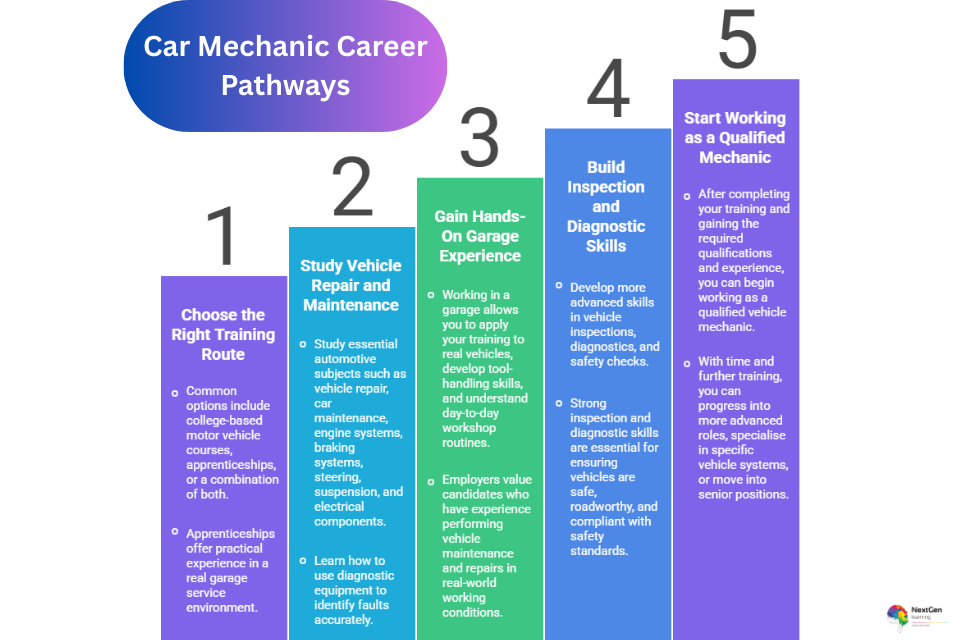
The time it takes to become a mechanic can vary greatly depending on the individual's prior experience, the type of vehicle they wish to work on, and the level of specialization they desire. Traditionally, a mechanic's apprenticeship or training program could last several years, with many technicians choosing to pursue certification or degree programs to enhance their skills and job prospects. However, with the rise of online resources and digital diagnostic tools, it's now possible for aspiring mechanics to acquire the necessary knowledge and skills in a shorter amount of time, often through a combination of formal education and self-directed learning.
Historically, the apprenticeship model was the primary means of becoming a mechanic, with aspiring technicians working under the guidance of an experienced mentor to learn the trade. While this approach is still effective, many modern training programs incorporate a mix of theoretical and practical instruction, allowing students to develop a strong foundation in the principles of mechanics before moving on to specialized areas like transmission repair or electronics. As the profession continues to evolve, it's likely that the time it takes to become a mechanic will become more flexible, with a growing emphasis on ongoing education and training throughout one's career.

What kind of education and training do mechanics need?
The type of education and training a mechanic needs can vary depending on their area of specialization and the level of complexity they wish to work with. Traditionally, a high school diploma or equivalent was the minimum requirement for entering a mechanics training program, with many technicians choosing to pursue post-secondary education or certification to enhance their skills and job prospects. Today, many training programs incorporate a mix of theoretical and practical instruction, allowing students to develop a strong foundation in the principles of mechanics before moving on to specialized areas like hybrid vehicle repair or ADAS calibration.
In terms of historical context, the Establishment of the National Institute for Automotive Service Excellence (ASE) in 1972 marked a significant turning point in the development of standardized training and certification programs for mechanics. The ASE's certification exams have become a benchmark for measuring a mechanic's competence and commitment to ongoing education, with many employers requiring or preferring candidates who hold ASE certification. As the profession continues to evolve, it's likely that the education and training requirements for mechanics will become more specialized, with a growing emphasis on emerging technologies like electric vehicles and autonomous systems.
What are the job prospects like for mechanics?
The job prospects for mechanics are generally positive, with the Bureau of Labor Statistics predicting a steady growth in demand for skilled technicians over the next decade. The increasing complexity of modern vehicles, combined with the rising popularity of electric and hybrid vehicles, has created a need for specialized technicians who can work on these advanced powertrains. Additionally, the retirement of experienced technicians is expected to create a shortage of skilled workers in the field, making it an attractive career option for those who enjoy working with their hands and are passionate about problem-solving.
Historically, the job prospects for mechanics have been closely tied to the overall health of the economy, with recessions and downturns often leading to reduced demand for automotive services. However, the COVID-19 pandemic has highlighted the essential nature of the profession, with many mechanics playing a critical role in maintaining the mobility of essential workers and emergency services. As the industry continues to evolve, it's likely that the job prospects for mechanics will remain strong, with a growing emphasis on specialized areas like autonomous vehicle repair and ADAS calibration.
As we look to the future, it's clear that the profession of mechanics will continue to play a vital role in shaping the world of transportation. Over the next 20 years, we can expect to see significant advancements in electric and autonomous vehicle technology, with mechanics playing a critical role in the development, maintenance, and repair of these complex systems. The increasing use of artificial intelligence and machine learning will also continue to transform the way mechanics work, enabling them to identify and address potential issues before they become major problems.
The time it takes to become a mechanic will likely continue to evolve, with a growing emphasis on ongoing education and training in emerging technologies. As the industry becomes more specialized, it's likely that we'll see the emergence of new career paths and specialties, such as autonomous vehicle technician or ADAS calibration specialist. Ultimately, the future of mechanics will be shaped by the intersection of technological innovation, environmental concerns, and shifting consumer behavior, making it an exciting and dynamic field for those who are passionate about working with their hands and staying at the forefront of technological advancements.