How Long Does It Take To Drop 20 Pounds

The journey to dropping 20 pounds is a significant undertaking that requires a deep understanding of the intricate dance between caloric intake, metabolic rate, and lifestyle choices. At its core, weight loss is a simple mathematical equation where the number of calories consumed must be less than the number of calories burned. However, the execution is far more complex, involving a myriad of biological, psychological, and environmental factors. The time it takes to achieve this goal can vary significantly from person to person, depending on factors such as starting weight, activity level, and overall health.
For many, the process begins with setting realistic expectations and understanding the physiological changes that occur during weight loss. The human body is designed to maintain homeostasis, a state of balance and equilibrium. When we reduce our caloric intake or increase our physical activity, our body responds by adjusting our metabolic rate and altering the way it utilizes macronutrients like carbohydrates, proteins, and fats. This complex interplay is crucial for successful weight loss and underscores the importance of a well-rounded approach that includes both diet and exercise.
A key aspect often overlooked is the role of hormones and neurotransmitters in regulating hunger, satiety, and metabolism. Hormones like leptin and ghrelin play pivotal roles in signaling fullness and hunger, respectively, while neurotransmitters like serotonin influence mood and appetite. Understanding and leveraging these biological signals can provide valuable insights into developing effective weight loss strategies that are both sustainable and personalized.
Must Read
Understanding the Biology
The gut microbiome also plays a previously underappreciated role in weight management. The diverse community of microorganisms residing in the gastrointestinal tract influences nutrient absorption, inflammation levels, and even the production of certain hormones that regulate appetite. Modulating the gut microbiome through prebiotics, probiotics, and a diverse diet rich in fiber can support a healthy metabolic profile and aid in weight loss efforts.
Furthermore, the impact of sleep and stress management on weight loss cannot be overstated. Both are intricately linked with cortisol levels, a hormone that promotes fat storage around the abdominal area when elevated. Engaging in regular physical activity, practicing mindfulness or meditation, and ensuring adequate sleep quality are essential components of a holistic weight loss plan, contributing to a balanced physiological state conducive to efficient fat burning and overall health.

Practical Strategies for Weight Loss
Another critical aspect is portion control and mindful eating. Using smaller plates, eating slowly, and savoring each bite can lead to a reduction in overall caloric intake by promoting the feeling of fullness and reducing the likelihood of overeating. Furthermore, staying hydrated by drinking plenty of water throughout the day can help control hunger pangs and support metabolic function.
The concept of meal frequency and timing also warrants consideration. While the traditional approach involves eating three main meals per day, some individuals may find that intermittent fasting or altering the timing of their meals to better align with their natural circadian rhythms can provide additional benefits in terms of weight loss and metabolic health. This approach can help regulate hormones that control hunger and fullness, potentially leading to a more efficient metabolism.
For those looking to optimize their weight loss journey, leveraging technology and data can be incredibly empowering. Utilizing fitness trackers, mobile apps for tracking diet and exercise, and smart scales that monitor body composition can provide valuable insights into daily habits and progress. These tools enable individuals to make informed decisions, set realistic goals, and celebrate small victories along the way, which can be a powerful motivator for sustained lifestyle change.

Frequently Asked Questions
How Do I Know If I'm Losing Weight Too Quickly?
The rate at which one loses weight can significantly impact the sustainability and healthiness of the weight loss. Losing weight too quickly, typically more than 2 pounds per week, can lead to the loss of muscle mass and a decrease in metabolic rate, making it harder to maintain weight loss in the long term. It's essential to focus on gradual, consistent weight loss that incorporates both dietary changes and increased physical activity to ensure that the weight lost is primarily body fat.
To avoid this pitfall, individuals should monitor their progress through regular weight checks, body measurements, and assessments of body fat percentage. Adjustments to diet and exercise routines can then be made as needed to ensure a healthy rate of weight loss. Additionally, consulting with a healthcare professional or a registered dietitian can provide personalized guidance and support throughout the weight loss journey.
Can Certain Foods Help Me Lose Weight Faster?
Certain foods have properties that can support weight loss efforts by promoting satiety, enhancing metabolic rate, or facilitating the burning of fat for energy. Foods high in fiber and protein, such as fruits, vegetables, lean meats, and legumes, are particularly beneficial. Additionally, green tea, coffee, and foods containing capsaicin, like chili peppers, have been shown to have a modest effect on increasing metabolism and fat burning.
Incorporating these foods into a weight loss diet can help support the overall effort, but it's crucial to remember that no single food can lead to significant weight loss on its own. A balanced diet combined with regular physical activity and a healthy lifestyle is the most effective approach to achieving and maintaining weight loss. Moreover, staying hydrated by drinking water and limiting intake of sugary drinks and alcohol can further support these efforts.
How Important Is Exercise for Weight Loss?
Exercise is a vital component of any weight loss plan, offering numerous benefits that extend beyond the calories burned during physical activity. Regular exercise helps build and preserve muscle mass, which is essential for maintaining a healthy metabolic rate. It also improves insulin sensitivity, reduces inflammation, and enhances overall cardiovascular health.
For weight loss, a combination of aerobic exercise (such as walking, running, or swimming) and strength training is ideal. Aerobic exercises are effective for burning calories and improving cardiovascular health, while strength training helps build muscle, which further supports metabolic health. It's recommended to aim for at least 150 minutes of moderate-intensity aerobic exercise or 75 minutes of vigorous-intensity aerobic exercise per week, along with muscle-strengthening activities on two or more days per week.
Can Stress Affect My Weight Loss Efforts?
Stress can have a significant impact on weight loss efforts by affecting hormones that control hunger and fullness, notably cortisol and insulin. Chronic stress can lead to increased cravings for comfort foods, which are typically high in calories, sugar, and unhealthy fats. Moreover, stress can disrupt sleep patterns, further hindering weight loss by affecting metabolic rate and hormone regulation.
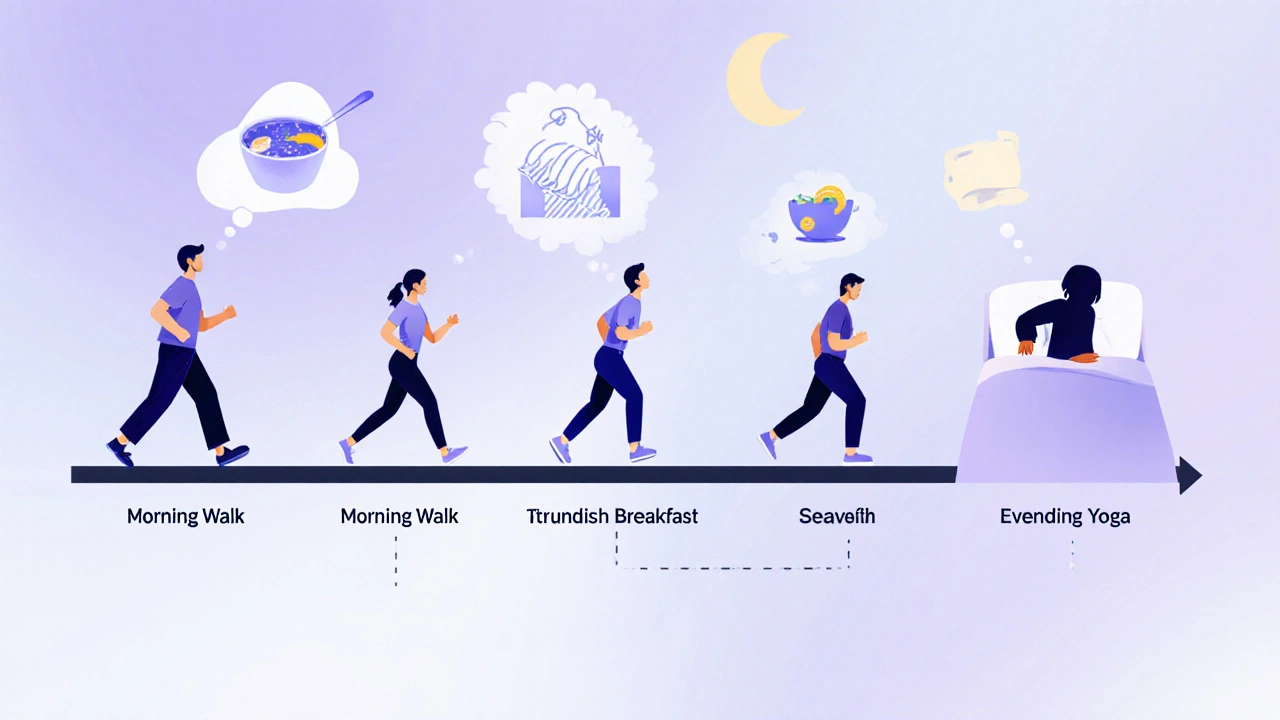
To mitigate the effects of stress, incorporating stress-reducing activities into daily routines can be beneficial. This might include practicing yoga, meditation, or deep breathing exercises. Additionally, establishing a consistent sleep schedule and creating a relaxing bedtime routine can help improve sleep quality, which is crucial for overall health and weight management.

How Can I Maintain Weight Loss Over Time?
Maintaining weight loss over time requires a long-term commitment to healthy lifestyle habits. This includes continuing to monitor and adjust dietary intake and physical activity levels as needed. Developing a support system, whether through friends, family, or support groups, can provide encouragement and accountability, which are critical for sustained motivation.
Moreover, regularly tracking progress through weight checks, body measurements, and assessments of overall health can help identify areas that may need adjustment. It's also important to be patient and understand that maintaining weight loss is a journey with its ups and downs. By focusing on the adoption of healthy habits rather than quick fixes, individuals can achieve a sustainable and healthy weight, contributing to overall well-being and quality of life.
Respecting the science behind weight loss makes us better, more efficient humans by empowering us with the knowledge and tools necessary to make informed decisions about our health. Understanding the biological and physiological changes that occur during weight loss allows us to approach the process with a sense of curiosity and openness, rather than merely following fad diets or quick fixes. By embracing a holistic approach that includes dietary changes, physical activity, stress management, and adequate sleep, individuals can not only achieve their weight loss goals but also improve their overall health and well-being.
This journey of self-discovery and empowerment is perhaps the most significant benefit of understanding the science of weight loss. It encourages a deep respect for the complexity and resilience of the human body, while also highlighting the importance of patience, persistence, and self-care. As we navigate the intricacies of weight loss, we are reminded that true success is not merely about reaching a certain number on the scale, but about cultivating a healthier, happier relationship with our bodies and the world around us. By doing so, we embark on a path of continuous learning and growth, one that fosters a more balanced, vibrant life.