
How Long Does It Take To Do A Bachelor's Degree

The pursuit of a Bachelor's degree has been a cornerstone of higher education for centuries, with its roots tracing back to the 12th century in Europe. The concept of a university degree was initially reserved for the elite, with only a select few having the privilege to pursue higher learning. As time passed, the accessibility of a Bachelor's degree expanded, and by the 19th century, it had become a staple of modern education. The initial human necessity behind pursuing a Bachelor's degree was not only to gain knowledge but also to secure a better future, with the promise of improved career prospects and social mobility.
In the early 20th century, the structure of a Bachelor's degree began to take shape, with most programs lasting around 4 years. This duration allowed students to delve deeper into their chosen field, exploring various aspects of the subject matter. As the decades progressed, the length of a Bachelor's degree remained relatively consistent, with minor adjustments made to accommodate changing societal needs and advances in technology. The 1960s saw a significant increase in enrollment, with more people than ever pursuing higher education. This surge led to the establishment of new universities and the expansion of existing ones, ultimately paving the way for the modern higher education system.
Despite the evolution of the Bachelor's degree, its core purpose has remained relatively unchanged. The primary goal of pursuing a Bachelor's degree is still to acquire knowledge, skills, and a deeper understanding of a specific field. However, the way students approach their studies has undergone significant transformations over the years. With the advent of online learning platforms and digital resources, students can now access a vast array of educational materials, making it possible to learn at their own pace and on their own terms. This shift has enabled more people to pursue higher education, regardless of their geographical location or financial background.
Must Read
The Evolution of the Bachelor's Degree
One of the most significant transformations in the history of the Bachelor's degree is the introduction of new fields of study. As technology advanced and societal needs changed, new disciplines emerged, such as computer science and environmental studies. These additions have enabled students to pursue careers in fields that were previously non-existent, ultimately driving innovation and progress. Furthermore, the incorporation of practical skills training into Bachelor's programs has become increasingly important, with many institutions recognizing the need for graduates to be job-ready.
In the 1980s, the concept of distance learning began to gain traction, allowing students to pursue their degrees remotely. This development was particularly significant for those living in remote areas or with limited mobility. The 1990s saw the rise of online learning platforms, which further expanded access to higher education. Today, students can choose from a wide range of online programs, from traditional Bachelor's degrees to MOOCs (Massive Open Online Courses). The proliferation of online learning has democratized access to higher education, enabling people from all over the world to pursue their academic goals.
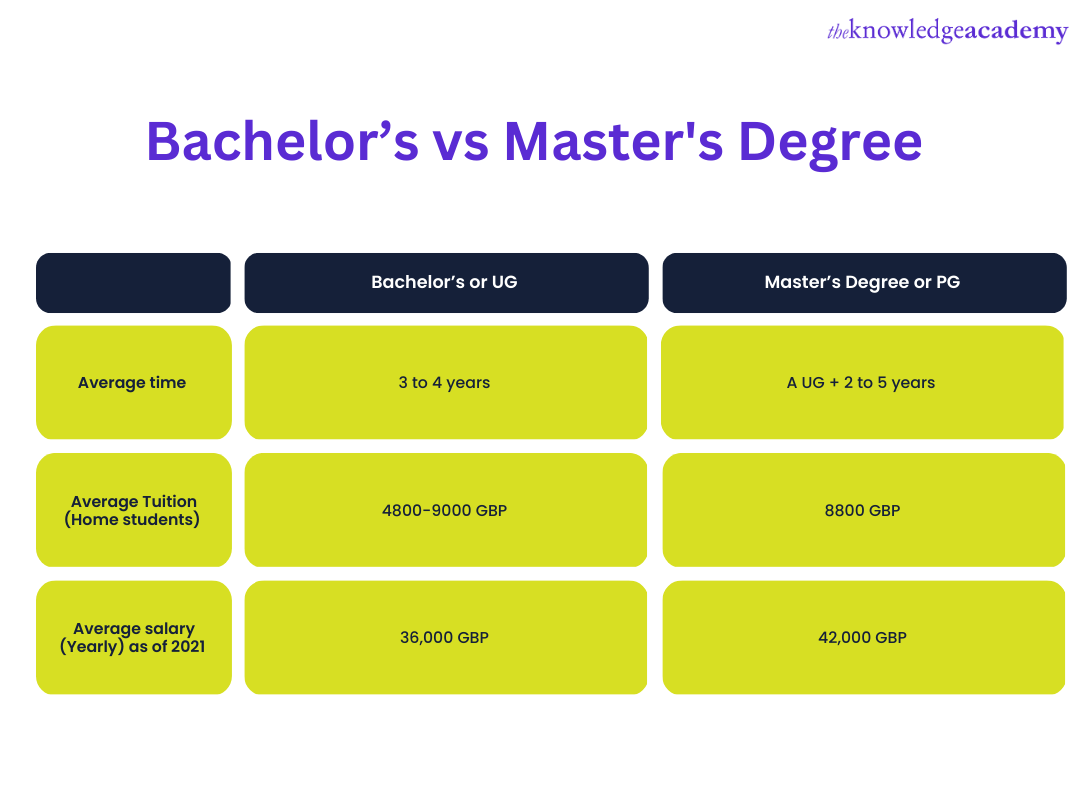
Despite these advancements, the Bachelor's degree has not been without its challenges. The rising cost of tuition has become a significant concern, with many students graduating with substantial debt. Additionally, the increasing emphasis on standardized testing has led to criticism that the current education system prioritizes rote memorization over critical thinking and creativity. To address these issues, many institutions are exploring alternative assessment methods and affordable tuition models, aiming to make higher education more accessible and effective.
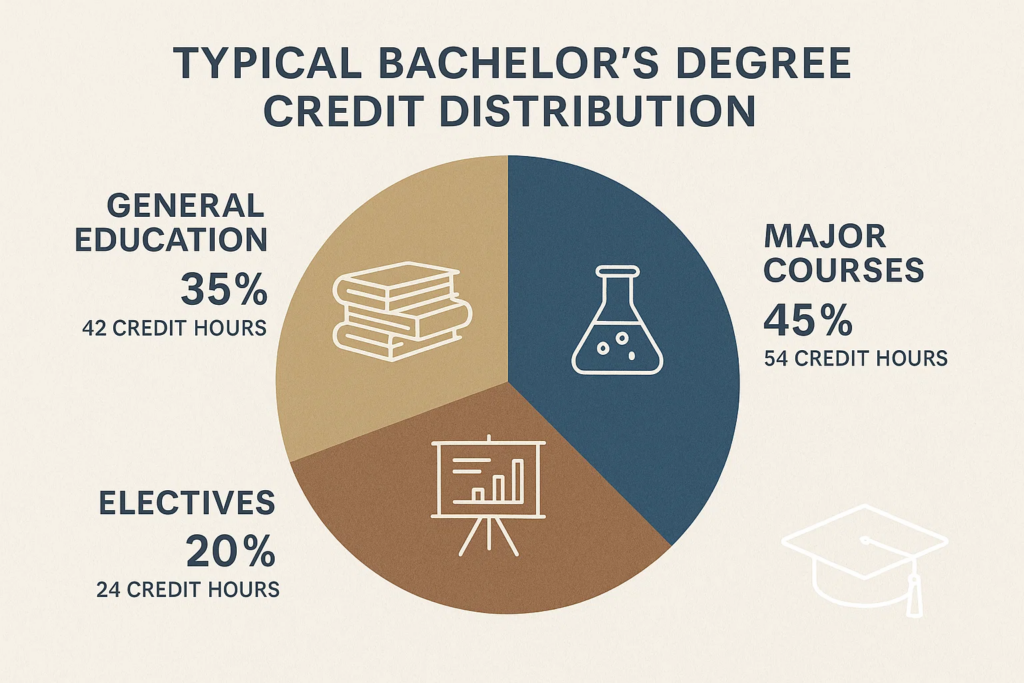
The Bachelor's degree has also undergone significant changes in terms of its structure and content. Many institutions now offer interdisciplinary programs, which allow students to combine multiple fields of study. This approach recognizes that many real-world problems require a multidisciplinary approach, preparing students for the complexities of the modern workforce. Furthermore, the incorporation of soft skills training into Bachelor's programs has become increasingly important, with many employers seeking graduates who possess strong communication, teamwork, and problem-solving skills.
Modernizing the Bachelor's Degree
In recent years, there has been a growing trend towards personalized learning, with many institutions recognizing that students have unique learning styles and preferences. To cater to these differences, educators are leveraging artificial intelligence and data analytics to create tailored learning experiences. This approach enables students to learn at their own pace, exploring topics in greater depth and developing a more nuanced understanding of the subject matter. Additionally, the use of virtual reality and augmented reality is becoming increasingly popular, providing students with immersive and interactive learning experiences.

Another significant development in the modernization of the Bachelor's degree is the emphasis on experiential learning. Many institutions now offer internships, apprenticeships, and project-based learning, allowing students to apply theoretical concepts to real-world problems. This approach not only enhances students' practical skills but also fosters a deeper understanding of the subject matter, as they are able to see the direct application of theoretical concepts. Furthermore, the incorporation of industry partnerships into Bachelor's programs has become increasingly important, providing students with access to real-world expertise and networking opportunities.
Frequently Asked Questions
What is the average duration of a Bachelor's degree?
The average duration of a Bachelor's degree is typically 4 years, although this can vary depending on the institution, field of study, and location. In some countries, such as Australia and the United Kingdom, Bachelor's degrees can last 3 years, while in others, such as the United States, they often last 4 years. It is essential to note that the duration of a Bachelor's degree can also depend on the student's pace and the level of credit they receive for prior learning or work experience.
Historically, the duration of a Bachelor's degree has remained relatively consistent, with minor adjustments made to accommodate changing societal needs and advances in technology. However, with the rise of online learning platforms and competency-based education, some institutions are now offering accelerated programs that can be completed in as little as 2 years. These programs are designed for students who have prior learning or work experience, allowing them to fast-track their degree and enter the workforce more quickly.

How has the Bachelor's degree changed over time?
The Bachelor's degree has undergone significant changes over the centuries, from its humble beginnings as a liberal arts degree to the modern, specialized programs we see today. One of the most notable changes is the expansion of fields of study, with new disciplines emerging in response to advances in technology and changing societal needs. Additionally, the incorporation of practical skills training and experiential learning into Bachelor's programs has become increasingly important, recognizing the need for graduates to be job-ready.
Furthermore, the rise of online learning platforms and digital resources has democratized access to higher education, enabling people from all over the world to pursue their academic goals. The use of artificial intelligence and data analytics is also becoming increasingly popular, allowing educators to create tailored learning experiences that cater to individual students' needs and preferences. As the Bachelor's degree continues to evolve, it is likely that we will see even more innovative approaches to learning and teaching in the future.
What are the benefits of pursuing a Bachelor's degree?
Pursuing a Bachelor's degree can have numerous benefits, from improved career prospects and increased earning potential to personal growth and social mobility. A Bachelor's degree can provide students with a deeper understanding of their chosen field, as well as the skills and knowledge required to succeed in their chosen career. Additionally, the pursuit of a Bachelor's degree can foster critical thinking, creativity, and problem-solving skills, which are essential for navigating the complexities of the modern workforce.
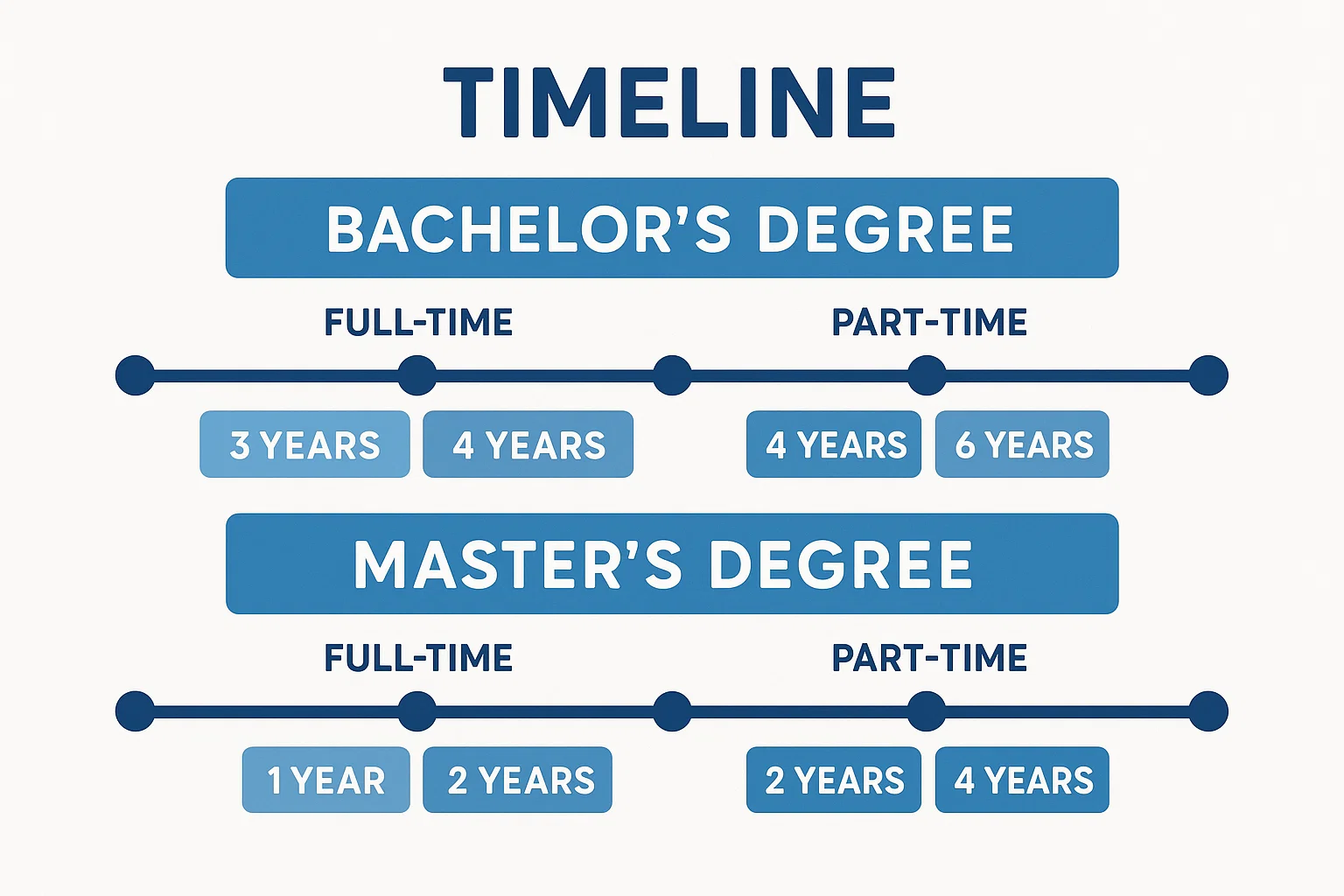
Historically, the benefits of pursuing a Bachelor's degree have been well-documented, with statistics showing that graduates tend to have higher employment rates and earn higher salaries than those without a degree. However, the benefits of a Bachelor's degree extend beyond the financial and career-related advantages. The pursuit of higher education can also lead to personal growth and social mobility, enabling individuals to make a positive impact in their communities and contribute to the betterment of society. As the Bachelor's degree continues to evolve, it is likely that we will see even more benefits emerge, as students and educators push the boundaries of what is possible in higher education.
As we look to the future, it is clear that the Bachelor's degree will continue to play a vital role in shaping the minds of tomorrow's leaders. With the rise of emerging technologies and global challenges, the need for highly skilled and adaptable graduates has never been greater. In the next 20 years, we can expect to see even more innovative approaches to learning and teaching, as educators and policymakers work together to create a more equitable and effective higher education system.
The future of the Bachelor's degree is likely to be shaped by a combination of factors, including technological advancements, changing societal needs, and global events. As we navigate the complexities of the 21st century, it is essential that we continue to invest in higher education, recognizing the critical role that it plays in driving innovation, progress, and social mobility. By working together to create a more inclusive and adaptive higher education system, we can ensure that the Bachelor's degree remains a relevant and valuable credential, preparing students for success in an ever-changing world.
![How Long Does It Take To Get A Bachelor’s Degree? A Complete Guide [2026]](https://www.tipsdegree.com/wp-content/uploads/2025/10/how-long-does-it-take-to-get-a-bachelors-degree.webp)