How Long Dies It Take To Lose Weight

There is a moment, usually around 2:47 AM on a Tuesday, when the algorithm decides you need to see a transformation video. A person, lit by bathroom fluorescents, spins slowly to reveal a silhouette that has shed a decade. The caption reads: "It took me 11 months." You do the math. You think about your own timeline—the wedding, the reunion, the upcoming beach holiday—and a cold dread seeps in. How long does it actually take? The answer, as with most things in the modern world, is a deliciously complicated mess of physiology, psychology, and fiscal policy. We live in an era of instant gratification, yet our biology is stubbornly rooted in the Paleolithic era, and this disconnect is the single greatest saboteur of our waistlines.
The history of weight loss is a graveyard of fads—from cigarette smoking in the 1920s ("Toasted" cigarettes for a slim figure) to tapeworms in the 1950s, to the grapefruit diet of the 70s. But the science of time has remained brutally consistent. The calorie was defined in the 19th century, and the 3,500-calorie deficit rule (one pound of fat) was popularized in the 1950s by a doctor named Max Wishnofsky. It was a beautiful, simple lie. Decades later, we know the body is not a furnace; it is a smart, vengeful bureaucracy. The real timeline for weight loss isn't measured in calendar days, but in hormonal shifts, cellular adaptations, and the slow, agonizing rewiring of your brain's reward system. It matters because we are losing the war not due to a lack of willpower, but due to a profound misunderstanding of the temporal nature of fat loss.
The Physics of Stubbornness: Why Your Body Hates Change
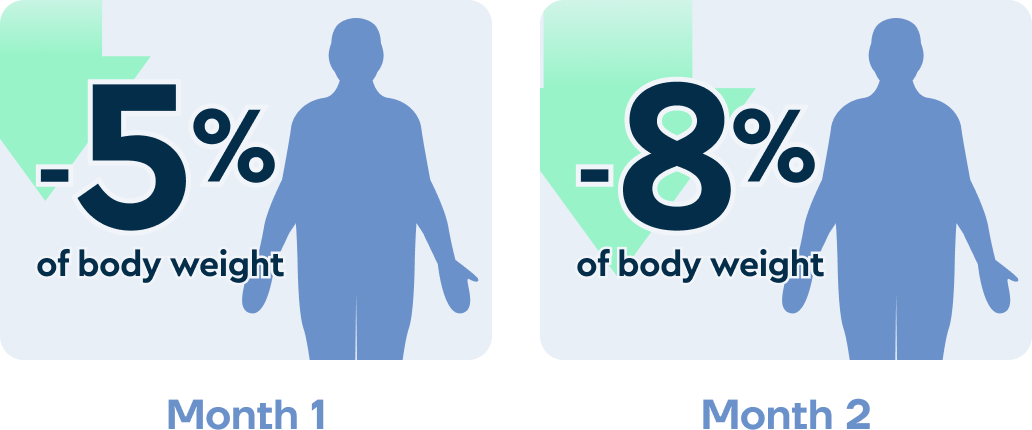
Let’s get one dark fact out of the way: fat cells don’t die. They shrink. When you lose weight, you are not removing cells; you are deflating them, like balloons left over from a party that ended in 2015. They remain, waiting, with a terrifying efficiency, to re-inflate at the first sight of a croissant. This is called 'adipose tissue memory,' and it explains why your body wages a chemical war against your efforts. The moment you drop 5% of your body weight, your metabolism slows down beyond what the math predicts—an effect called 'adaptive thermogenesis.' You burn roughly 20-30% fewer calories than a person who naturally weighs your new size. Your body is essentially putting you on a budget, reducing your energy output for basic functions like breathing and thinking, all while ramping up the production of ghrelin, the hunger hormone, making you feel like you haven't eaten in a week.
Must Read
Psychologically, the timeline is even more distorted. In the era of TikTok and Instagram, we have been conditioned to expect "results" in 15-second intervals. When the scale doesn't move after a week of perfect discipline, the brain interprets this as failure, triggering a stress response that raises cortisol. High cortisol signals the body to hold onto abdominal fat specifically—the most dangerous kind—creating a vicious cycle. The cultural myth of the "quick fix" is not just lazy; it’s actively undermining the process. Consider the "Whoosh Effect," a phenomenon where fat cells, having been emptied of lipids, temporarily fill with water before you see a sudden drop on the scale. You can be losing fat for two weeks straight and see zero change, then lose four pounds overnight. The scale is a liar, and we worship it in a society that has conflated data with truth.
The modern timeline is also dictated by a physiological concept called "metabolic compensation," which operates on a sliding scale. If you are severely obese, your body has a massive caloric burn baseline, and weight loss can be rapid—up to 10 pounds a month initially, because water weight leaves first and your energy expenditure is massive. But as you approach a "normal" BMI, the game changes. The closer you get to your set point, the more your body treats fat loss like a home invasion. It will up-regulate appetite, down-regulate energy, and make you feel lethargic. This is why the last 10 pounds are a psychological gauntlet that can take longer than the first 50. It’s not just about calories; it's about the rarity of the energy source. Your body considers visceral fat (around the organs) as a credit card, and subcutaneous fat (the pinchable stuff) as a gold reserve. It surrenders the credit card debt first, but clings to the gold until you physically force it to liquidate.
The Reality Matrix: Timelines, Plateaus, and the "New" You
Let’s paint some realistic scenarios. Sarah, 32, wants to lose 30 pounds for a friend’s wedding in July. It’s January. If she follows a standard 500-calorie deficit per day (which is roughly 3,500 calories a week), the old math says she needs 30 weeks. That’s the dead zone. But here is the modern insight: Sarah doesn't need linear progress. She needs metabolic pacing. If she starts with a moderate deficit, loses 8 pounds in the first month (mostly water), then switches to a "refeed" phase—eating at maintenance for a week to trick her thyroid—she can avoid the metabolic crash. The timeline for Sarah, realistically, is 4–6 months, but the perception is that she stalled after month one. The actionable takeaway? Plan for a non-linear timeline. Expect a 2-3 week plateau every 6-8 weeks. Schedule it. When you hit the wall, that is not the time to cut calories further; it is the time to increase them temporarily.

Consider Raj, a 45-year-old man who needs to lose 15 pounds but has "tried everything." His timeline is different because his hormonal environment is different. Men lose weight faster in the early weeks due to higher muscle mass and a larger liver, which stores glycogen. For Raj, a low-carbohydrate approach can show a dramatic 5-pound loss in 10 days—but 4 pounds of that is water. The fat loss rate is roughly the same as any other method. The dark truth here is that compliance beats biochemistry. The best timeline for Raj isn't the fastest; it’s the one he can sustain. If he hates chicken breast, the diet fails on day 12. The timeline is irrelevant if the adherence is zero. The case studies we admire online—the 100-pound transformations—are not stories of extreme discipline; they are stories of extreme boredom. They ate the same food, walked the same steps, and slept the same hours for 18 months. Boredom is the unsung hero of weight loss.
For the rest of us, the "maintenance" phase is the actual destination. Most people lose weight in 8-12 weeks, but the timeline for keeping it off is the real challenge. Statistics show that only 20% of people who lose weight maintain it for a year. Why? Because the body's fat cell memory is vigorous. The moment you stop counting, the cells re-inflate. The practical insight is to reframe your goal. Instead of "I will lose 20 pounds by June," say "I will lose 20 pounds, and then I will spend 6 months eating at maintenance to defend my new set point." This "dieting" second phase—the defense—is where the magic happens. You are essentially negotiating a new biological baseline. It requires a completely different mindset, one that accepts that the scale will fluctuate by 3-5 pounds daily due to sodium, hormones, and stress, and that this is not a moral failing but a fluid dynamic.
The most brutal case study is the "yo-yo dieter." They lose weight in 6 weeks, gain it back in 4, and the timeline gets longer each cycle. This is due to the fact that with each cycle of rapid loss, you lose muscle (which burns calories) and gain fat (which doesn't). Over time, your basal metabolic rate slows to the point where you need to eat less than a toddler just to maintain. The actionable takeaway is to never, ever crash diet. The slower you go, the longer you live. Losing 0.5 to 1% of your body weight per week is the scientifically backed sweet spot for preserving muscle mass and hormonal sanity. That means for a 200-pound person, 2 pounds a week is aggressive; 1 pound is optimal. It feels glacial. It is not. It is the difference between a sprint that injures you and a marathon that saves you.
The Chronology of Success: Five Hard Questions
Why does the scale not move for weeks despite a strict diet?
This is the most common cause of diet abandonment, and it stems from a misunderstanding of water retention. When you burn fat, the fat cell sends a signal to the body to fill the space with water, preserving the overall volume for a few days. This is the "Whoosh Effect." Additionally, components like sodium, carbohydrate intake, and stress hormones (cortisol) can retain up to 5-10 pounds of water. If you are strength training, you are also developing micro-tears in muscle fibers, causing localized inflammation and swelling. The scale is measuring all of this fluid, not just fat. The true fat loss is happening, but it is being masked by a liquid curtain.
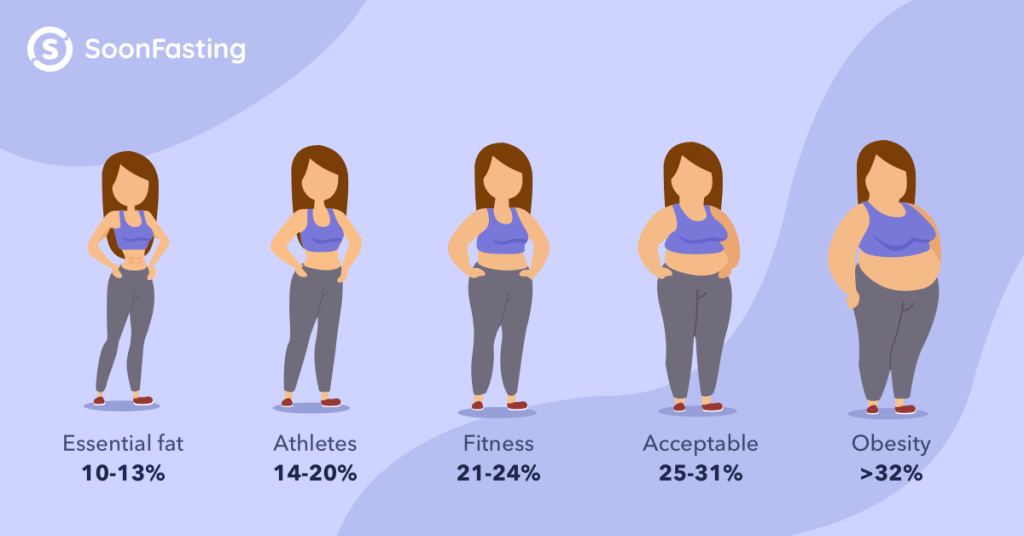
Your timeline should ignore the daily number entirely. Instead, use a weekly average, or better yet, measure your waist circumference and how your clothes fit. Waist measurements are not affected by water retention in the same way. If your waist is shrinking but the scale is static, you are losing fat and gaining muscle density—a victory that the scale refuses to acknowledge. Psychologically, you must condition yourself to treat the scale as a scientific instrument, not a judgmental oracle. If you step on it daily, you are inviting emotional chaos into your routine. Weigh in on Monday morning, fasted, after using the bathroom, and then step away. Let the trend line be your timeline, not the day-to-day noise.
How much time should I wait before expecting to see major physical changes?
Physiologically, your body will show internal changes (blood pressure, insulin sensitivity) within 2 weeks of a caloric deficit. However, visible physical changes are delayed by a cruel optical illusion called "paper towel theory." When you remove paper towels from a full roll, the radius doesn't change much until you get to the last few sheets. Similarly, losing 10 pounds on a 250-pound frame is invisible; losing 10 pounds on a 150-pound frame is dramatic. For most individuals, significant visual changes begin to appear between 6 and 10 weeks of consistent effort. This is the point where the layer of subcutaneous fat thins enough to reveal the muscle architecture underneath.
The timeline also depends on where you lose fat first. Genetic factors determine the order of fat mobilization, and tragically, the areas you want to lose from (belly, thighs) are usually the last to go. You might see a slimmer face and neck within a month, but your lower body might lag for several more months. This is not a plateau; it is a genetic queue. To see changes in a specific area, you have to wait for the body to finish with the "easy" fat stores. Do not take progress photos weekly. Take them monthly, in the same lighting, wearing the same clothes. You need 4-6 weeks of accumulated change to visually perceive a difference. Trust the paper towel theory; eventually, the roll gets smaller quickly.
Does it take longer to lose weight as you get older?
Yes, but the timeline isn't extended by fate; it's extended by lifestyle and hormonal decline. After age 30, most people lose 3-5% of their muscle mass per decade, a condition called sarcopenia. Muscle is metabolically expensive—it burns calories even at rest. When muscle decreases, your basal metabolic rate (BMR) decreases, meaning you burn fewer calories just sitting on the couch. If you eat the same amount as you did at 25, you will gain weight. The timeline to lose weight lengthens because your caloric "budget" shrinks. However, this is entirely counteracted by resistance training. A 60-year-old who lifts weights can have a higher metabolism than a sedentary 25-year-old.

Hormonally, for women, perimenopause and menopause cause a shift in estrogen, which often leads to increased abdominal fat storage, which is notoriously resistant to mobilization. Cortisol levels also rise with age, especially with chronic stress, which encourages fat storage. The timeline, therefore, is not strictly biological but behavioral. The older you are, the longer it takes if you refuse to adapt. If you increase protein intake (to protect muscle) and add weightlifting, the rate of fat loss can remain brisk. The key is to stop comparing your timeline to a 20-year-old's. Your body's "set point" is older, and it’s wiser. It responds to consistency, not intensity. A 12-week diet at 40 might take 16 weeks, but the results will last longer if you've protected your muscle mass.
Will I lose weight faster if I do hours of cardio every day?
No, and this is where the timeline gets darkly ironic. Excessive cardio (greater than 5-6 hours per week) increases cortisol and inflammation, leading to water retention and muscle breakdown. When you lose muscle, you lower your resting metabolism, which eventually slows down the rate of fat loss. More importantly, high-volume cardio significantly increases appetite. Your brain perceives the energy deficit as a famine and sends out powerful hunger signals that are nearly impossible to ignore. You end up eating back your exercise calories, rendering the cardio useless.
Instead, the most efficient timeline includes strength training (2-3 days a week) and low-intensity steady-state cardio (walking) for 45 minutes daily. Walking does not spike cortisol or hunger. It increases your daily non-exercise activity thermogenesis (NEAT), which is the biggest variable in total energy expenditure. A 30-minute intense workout burns 300 calories; a day of fidgeting, standing, and walking burns 800. The fastest weight loss is achieved by moving more throughout the day, not by killing yourself in the gym. The timeline is accelerated by consistency of low-level activity rather than peaks of high-intensity stress. Your body perceives a sprint session as a threat; it perceives a morning walk as safety.
What if I have plateaued after three months—is that it?
A three-month plateau is not a wall; it's a recalibration. After 10-12 weeks of dieting, your body has successfully shrunk, and your calorie needs have dropped proportionally. The diet that worked in week one is now maintenance for your new size. You are not broken; you are simply not in a deficit anymore. The timeline doesn't need to be extended; it needs to be reset. This is the most crucial decision point. Continuing to eat the same amount of food will do nothing. The solution is to either increase your daily step count by 2,000 or reduce your caloric intake by a further 100-150 calories.
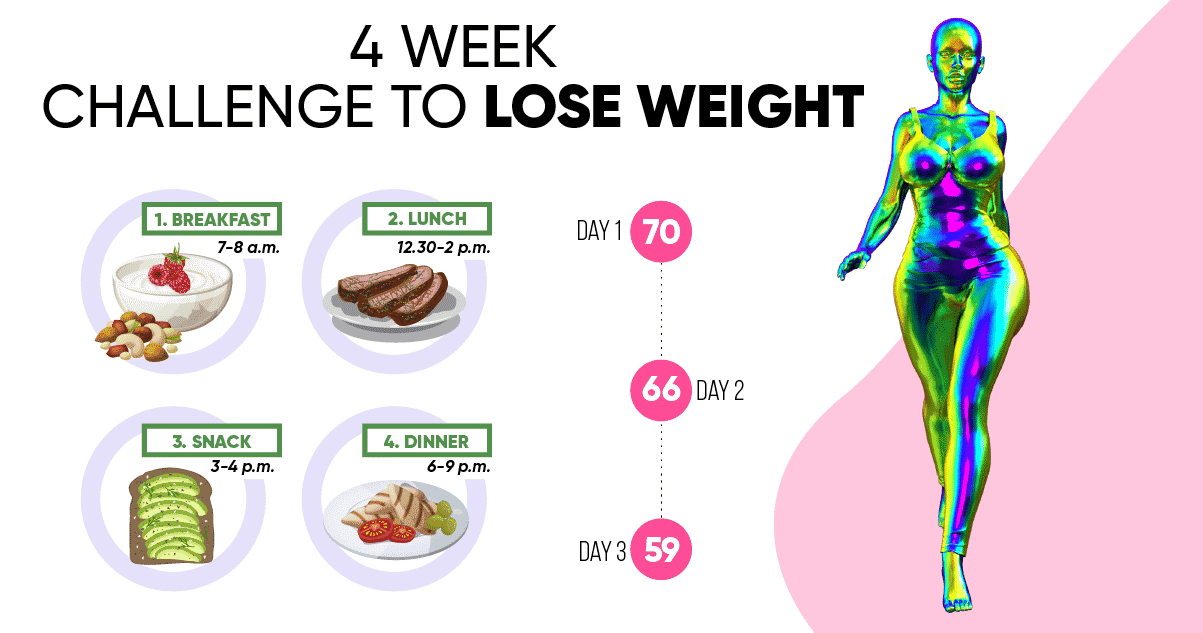
However, the smarter move is to introduce a "diet break." Eat at maintenance calories for 1-2 weeks. This resets your leptin (the satiety hormone) and lowers cortisol, often resulting in a sudden drop in water weight. It also psychologically relieves the pressure. After the break, you return to the deficit. This cyclical approach is called "calorie cycling," and it can extend your fat loss timeline indefinitely. The plateau is a signal that your body has adapted, not that it has conceded. Adjust the variables, change the stimulus, but do not quit. Remember, the timeline for a plateau is temporary; the timeline for giving up is permanent.
The obsession with the clock is ironically our biggest time-waster. We want to know the exact date we'll be "fixed," so we can start living. But weight loss is not a precursor to life; it is a part of it. The trip to the gym, the cooking of the meal, the walk after dinner—this is the life. The scale might not move for a week, but your constitution is moving. You are building a relationship with delayed gratification, a muscle group that is more important than the abs you are trying to reveal. In a culture that promises overnight success, the most radical act is to look at the calendar and say, "I have time."
Human nature seeks certainty, but biology offers only probability. The timeline is not a promise; it is a negotiation. On some days, the negotiation is easy; on others, it feels like a hostage situation. But the duration of the struggle is what renders the victory meaningful. The pounds lost over the course of 8 months are far more resilient than the pounds lost in 8 weeks. You are not just losing mass; you are gaining a memory of effort. That muscle memory—the neural pathway that says "I endured"—is the one thing that will keep the weight off for years.
So, how long does it take? It takes as long as it takes to learn that you are not a project with a deadline. You are a process with infinite revisions. The bathroom mirror won’t tell you the date, but it will eventually show you the proof. Until then, look at your hands—they are holding your fork, your phone, your future. They can wait. The best changes are the ones that were given enough time to stick. Patience is not passive; it is the most aggressive strategy of all. Your timeline is yours, and that is the only timeline that matters.