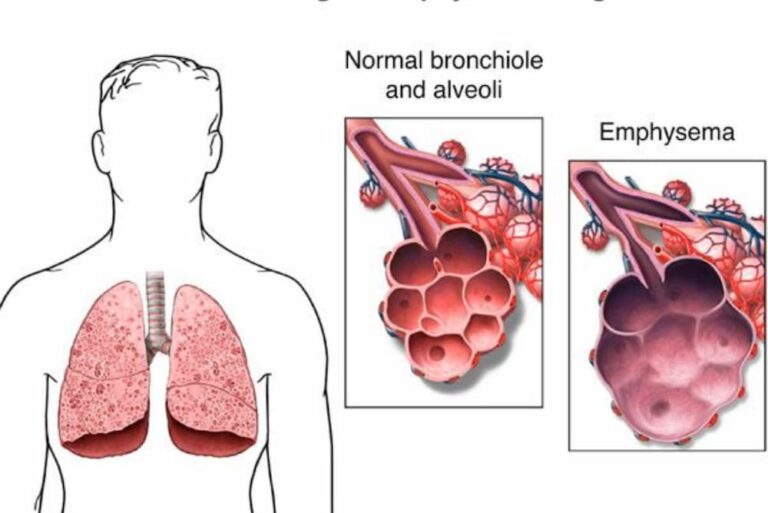
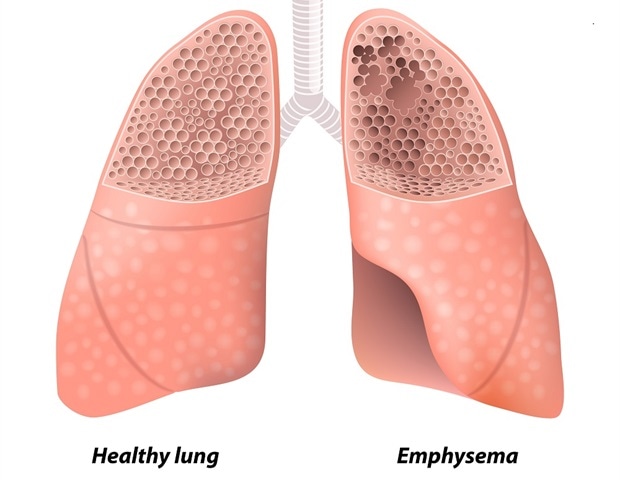
How Long Can U Live With Emphysema
My Uncle Bob was a human chimney. For forty years, he smoked two packs a day, and he swore the only exercise he needed was reaching for the remote. Last Thanksgiving, he got winded just walking from the couch to the gravy boat—a distance of about eight feet. He looked at me, wheezing, and said, “Kid, how long do you think I’ve got?”
That’s the million-dollar question, isn’t it? And the honest answer is: it depends. Not on a magic eight-ball, but on your specific lungs, your habits, and a metric ton of stubbornness. Let’s dig into the messy, frustrating, and surprisingly hopeful reality of living with emphysema.
The “Don’t Panic Yet” Stage
First, let’s bust a myth: emphysema isn’t a sudden death sentence. It’s a chronic, progressive disease, which means it gets worse over time, but how fast is the real question. Some people live for decades after a diagnosis, especially if they catch it early. I’m talking 20, 30 years—long enough to see your grandkids graduate, annoy your spouse, and complain about the weather a thousand more times.
Must Read
But (and you knew there was a but, right?) the average life expectancy is often quoted as 5 to 10 years post-diagnosis. That’s the scary statistic that makes doctors frown. However, that number is ancient history—it includes people who kept smoking and never did a lick of rehab. You are not a statistic, so let’s stop acting like one.
The Big, Honest Variable: You
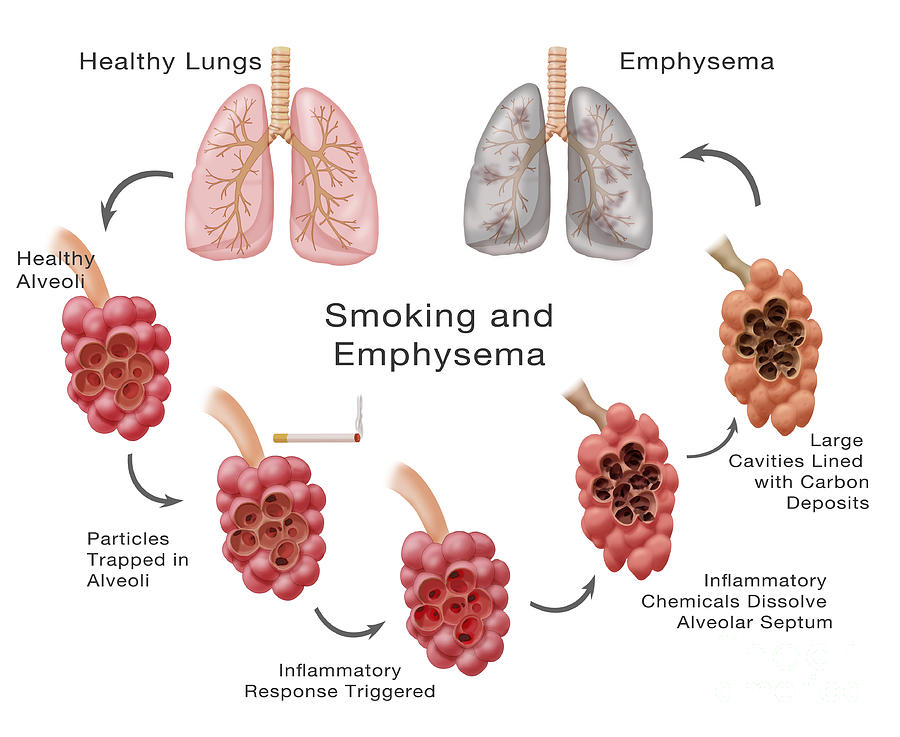
Here’s the kicker, and I’m talking directly to you now: the single biggest factor isn’t your doctor’s skill. It’s whether you stop smoking. Seriously. If you quit, you can slow the lung damage down to a crawl. If you don’t quit, you’re basically throwing gasoline on a fire that’s already in your chest.

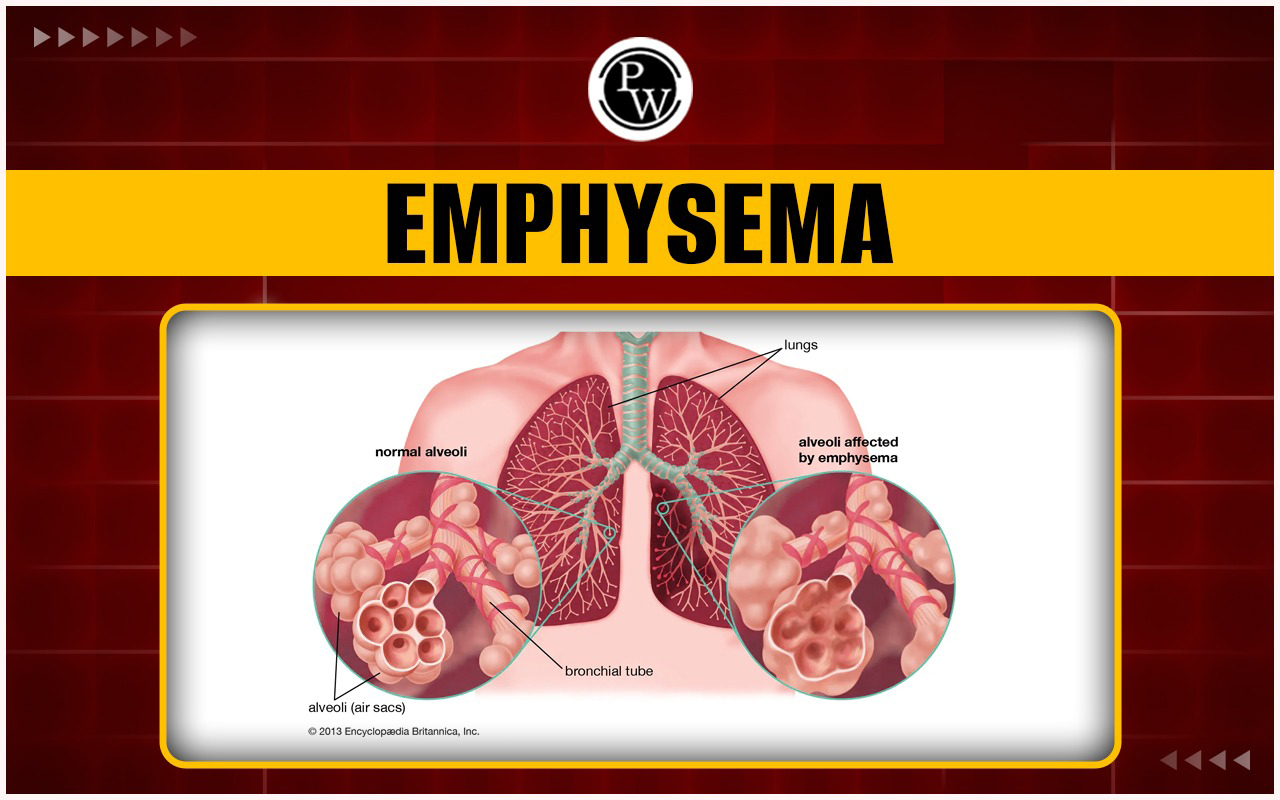
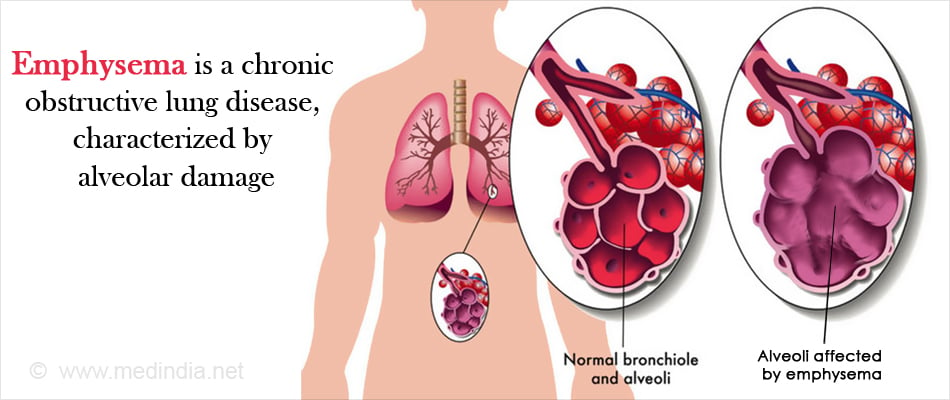
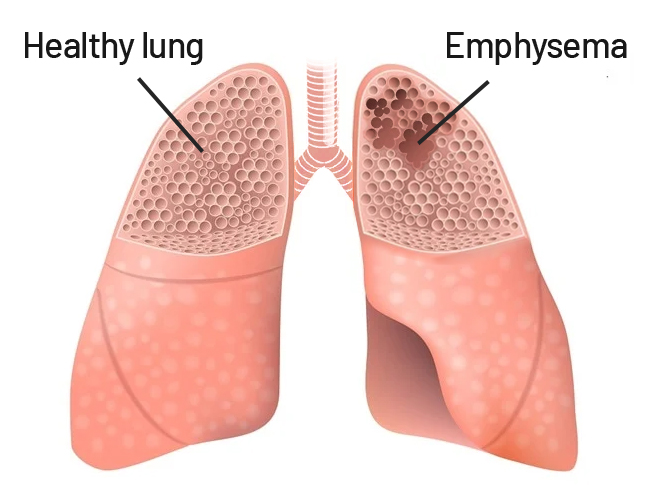
Think of your lungs as a balloon. Emphysema pokes tiny holes in it. Keep smoking, and you’re poking bigger holes faster. Quit, and the holes stay the same size—which still sucks, but it means you can live a functional, active life for years. The difference between a “rapid decline” and a “slow shuffle” is often just that one decision.
The Quality vs. Quantity Game
Now, let’s talk about something doctors love to gloss over: living is not the same as existing. You might get 15 years with emphysema, but if you spend them all in a recliner, hooked to an oxygen tank, is that winning? My Uncle Bob would say hell no. The real goal is to push that “quality” bar up as high as you can.
That’s where pulmonary rehab comes in. Yeah, it sounds boring as hell, but it’s basically a gym class for people who can’t breathe. You learn tricks—like pursed-lip breathing—that make your lungs more efficient. It’s the difference between walking a block and walking a mile. And guess what? People who do rehab often live longer, simply because they move more, which keeps their heart strong.
Don’t roll your eyes at me. I know you’re thinking, “How can I exercise when I can barely get to the mailbox?” But that’s the point—you start with two minutes, then four, then eight. The body adapts, even when you hate it.
Oxygen: Friend, Not Foe
Let’s address the elephant in the room—the nasal cannula. Most people see oxygen as the grim reaper’s accessory. But hear me out: using oxygen when you need it actually gives your heart a break. When your blood oxygen drops, your heart works overtime to pump more blood. That leads to heart failure, which is what usually kills people with advanced emphysema. So, wearing the tubes isn’t giving up; it’s protecting your other vital organ.
Ironic, right? You’re worried about your lungs, but your heart is the one that taps out first. Attach the tank, put on some music, and take a slow walk. You’re buying yourself extra years just by being a little less stubborn about the stupid tube.
The Long-Haul Numbers That Actually Matter
For the geeks among you (I love you), let’s talk staging. Doctors use something called FEV1—how much air you can blast out in one second. If your FEV1 is below 25% of normal, you’re in the advanced zone. But even then, some people live 5 to 10 years with severe emphysema. The key is managing flare-ups—those scary times when you get a cold and can’t breathe. Every time you avoid a hospital trip, you’re adding months to your clock.
And here’s a bizarre twist: your attitude matters. Studies show people with a positive outlook and a “I’m not done yet” mindset tend to live longer. Not because positive thoughts magically heal lungs, but because they stick to their meds, show up to appointments, and keep moving. Grumpy, defeated folks just give up and deteriorate faster.
So, how long can you live with emphysema? I’ll give you the only honest answer: as long as you choose to fight for it. You might get 2 years, or you might get 20. The disease sets the ceiling, but you set the floor. My Uncle Bob? He finally quit smoking at age 72, started walking with his oxygen tank, and made it to 81. He died when a giant tree fell on his shed—not from his lungs. Go figure.
Take care of those lungs, friend. They’re the only ones you’ve got, and the clock is running—but it’s not ticking as fast as you think.