How Fast Can You Actually Lose Weight
I remember my grandmother’s bathroom scale—a hefty, cast-iron beast with a velvet-covered platform that clicked and clanked with every hesitant step. It lived under a wicker chair, emerging only on Sunday mornings, a ritual as solemn as church. She would step on, squint at the dial, and mutter a number that dictated the tone of our entire afternoon. In the 1960s, weight loss wasn’t a science; it was a whisper. It was the grapefruit diet, the cabbage soup simmering on the back burner, and the terrifying promise of a "reducing" rubber suit that promised to melt fat like candle wax. The initial human necessity behind this obsession was not vanity, but survival—a primal fear of illness and the social stigma that accompanied a "soft" body in a generation that had known Depression-era scarcity. We wanted to be lean not for aesthetic perfection, but to prove we were disciplined, healthy, and in control of a world that had once spun wildly out of it.
Back then, speed was a foreign concept. The idea of losing five pounds in a week was considered miraculous, almost indecent. Instead, the focus was on slow, grueling attrition. My mother’s generation inherited these relics—the vibrating belt machines at the local gym, which supposedly shook the fat loose, and the bizarre "fat camps" for adults, which were glorified military boot camps where you marched in the rain and ate boiled chicken. The first "crash diets" of the 1970s, like the infamous Scarsdale Diet, promised fourteen pounds in two weeks, but they were constructed on a foundation of black coffee and celery, leaving people dizzy and malnourished. We look back and laugh, but there was a desperate logic to it. In the pre-internet era, information was scarce, and anecdotal evidence was gospel. If a Hollywood starlet swore by smoking and lettuce, you did it. The narrative was not about metabolic science or hormonal balance; it was about sheer willpower—a moral failing if you were slow, a heroic triumph if you were fast.
This historical backdrop is crucial because it frames our modern impatience. We have inherited the hunger for speed without inheriting the patience it once required. The bathroom scale has been replaced by a Bluetooth-enabled smart display that measures body fat percentage, muscle mass, and hydration levels, all in three seconds. The question, "How fast can I lose weight?" is no longer a personal inquiry but a search engine query with millions of algorithmic answers. Yet, the core human desire remains untouched: we want to press a fast-forward button on our own biology. We want the results of a six-month transformation in six days, and we are willing to hack our bodies, starve our guts, and freeze our fat cells to get there. The speed is the siren song, but the shore is still a mirage.
Must Read
The Great Acceleration: From Cigarettes to Injections
The transformation of weight loss speed is a story of technological ambition colliding with biological reality. In the 1980s, the biggest "hack" was the prescription of amphetamines, marketed as diet pills. They were essentially legal crystal meth for housewives, suppressing appetite so effectively that a woman could forget to eat for days. The weight came off rapidly, but at the horrific cost of heart palpitations, addiction, and a crash that left patients heavier than before. This was the decade of "the quick fix" myth—the idea that you could outrun your biochemistry with a pill. It failed spectacularly, yet it planted the seed for the GLP-1 drugs we see today. The forgotten vintage fact is that early researchers in the 1990s discovered that the hormone GLP-1 slowed gastric emptying, but it was dismissed as an irrelevant side effect. For thirty years, we ignored the very compounds that now define modern weight loss.
Then came the early 2000s, the era of the Atkins Revolution and the "low-carb" craze. The speed was remarkable—a rapid water-weight flush in the first week, often ten pounds, which gave dieters a false sense of metabolic mastery. It was a rebellion against the low-fat dogmas of the 1990s, where we ate fat-free cookies loaded with sugar and wondered why we were gaining weight. The bizarre part of this era was the public lynching of carbohydrates. Bread became the enemy. Pasta was the devil. I remember a friend who refused to eat an apple because it had "too many carbs." The speed of initial loss was real, but the long-term adherence was abysmal, and the "keto flu"—a nightmare of brain fog and fatigue—was the price paid for rapid ketosis. It was a brutal binary: eat butter, lose weight, feel awful; or eat oatmeal, gain weight, feel sane.
The industry also turned to physical sabotage. The 2010s brought us the "waist trainer" revival, a corset-like contraption that pushed internal organs around to create an instant hourglass figure. It didn't lose fat; it merely redistributed fluid and compressed the liver. Simultaneously, the "cool sculpting" clinics opened, offering cryolipolysis—freezing fat cells to death. The speed here was measured in months, not weeks, but the allure was that you could sit in a machine and read a book while your love handles vanished. But the most bizarre transformation was the rise of the "sweat suit" digital influencers, who would film themselves doing cardio in trash bags, claiming the excessive perspiration was "toxins" and "melted fat." They were dangerously wrong, losing only water weight, yet their videos amassed millions of views. This was the paradox of the modern era: we had more science than ever, yet we embraced the most magical, unscientific methods with religious fervor.
The true acceleration, however, began with the 2020s and the quiet rise of semaglutide. Ozempic and Wegovy changed the entire calculus of speed. For the first time in history, we had a drug that mimicked a natural hunger hormone, reducing the "food noise" in the brain almost overnight. Patients reported losing two to three pounds per week, consistently, without the agony of willpower. This was the smoking gun that the world had been waiting for. It shifted the narrative from "fast metabolism" to "hormonal signaling." The forgotten vintage fact is that a 1996 study on exenatide (a Gila monster saliva derivative) showed the same weight loss potential, but it was shelved because the pharmaceutical industry prioritized diabetes management over obesity. We had this capability for decades, but the cultural and financial incentives didn't align. Now, they do, and the speed is terrifyingly beautiful.
Hacking the Classics: Modern Alchemy for the Impatient
Today, we are not rejecting the old principles; we are hacking them. The classic "calories in, calories out" model—the foundational truth of the 1970s—has been upgraded by the "glucose hacks." Instead of simply cutting calories, modern biohackers use continuous glucose monitors (CGMs) to map their exact blood sugar spikes after every meal. They learn that a protein-heavy breakfast flattens the curve and suppresses cravings for six hours, effectively letting them eat fewer calories without feeling hungry. This is not a new diet; it’s a data-driven optimization of the old math. Similarly, the ancient practice of intermittent fasting—which was once a religious or survival obligation—is now a lifestyle hack. But modern adherents are not just skipping breakfast; they are using "fasting mimics," like taking berberine and apple cider vinegar, to trick the body into a fasted state without the social inconvenience of actually going hungry. They are hacking the clock.
Furthermore, the old principle of "exercise to burn fat" has been modernized into "exercise to regulate hormones." We now know that high-intensity interval training (HIIT) performed for just ten minutes produces a dramatic surge in human growth hormone (HGH), which translates to a faster metabolic rate for 48 hours post-workout. This is the classic "afterburn effect" that the 1980s aerobics instructors only vaguely understood. We are applying the vintage knowledge but with a sharper mechanistic lens. The focus is no longer on the number of miles jogged but on the intensity of the metabolic shock. And, of course, the ultimate hack is the pharmaceutical one—GLP-1s are now being combined with peptide therapies like AOD-9604 and testosterone replacement, creating a "stack" that addresses hunger, metabolism, and muscle preservation simultaneously. This is the modern alchemy: we are taking the bronze tools of the past and forging them into laser-guided weapons against fat.
Frequently Asked Questions on the Speed of Loss
1. Is it safe to lose 10 pounds in one week?
Historically, the 1970s liquid protein diets—which were essentially starvation with flavored broth—proved that rapid loss was possible but dangerously fatal. These diets caused cardiac arrhythmias and sudden death due to electrolyte imbalances and muscle breakdown. The body, in a state of extreme energy deficit, begins to catabolize lean muscle tissue, including the heart muscle, to survive. The "10 pounds in a week" that many modern crash diets promise is predominantly water weight and glycogen, not fat. For every gram of glycogen stored, the body holds onto three to four grams of water. When you drastically cut carbs, you deplete glycogen, and the water flushes out, causing the scale to drop impressively. This is a temporary illusion, often regained as soon as you eat a single portion of rice.
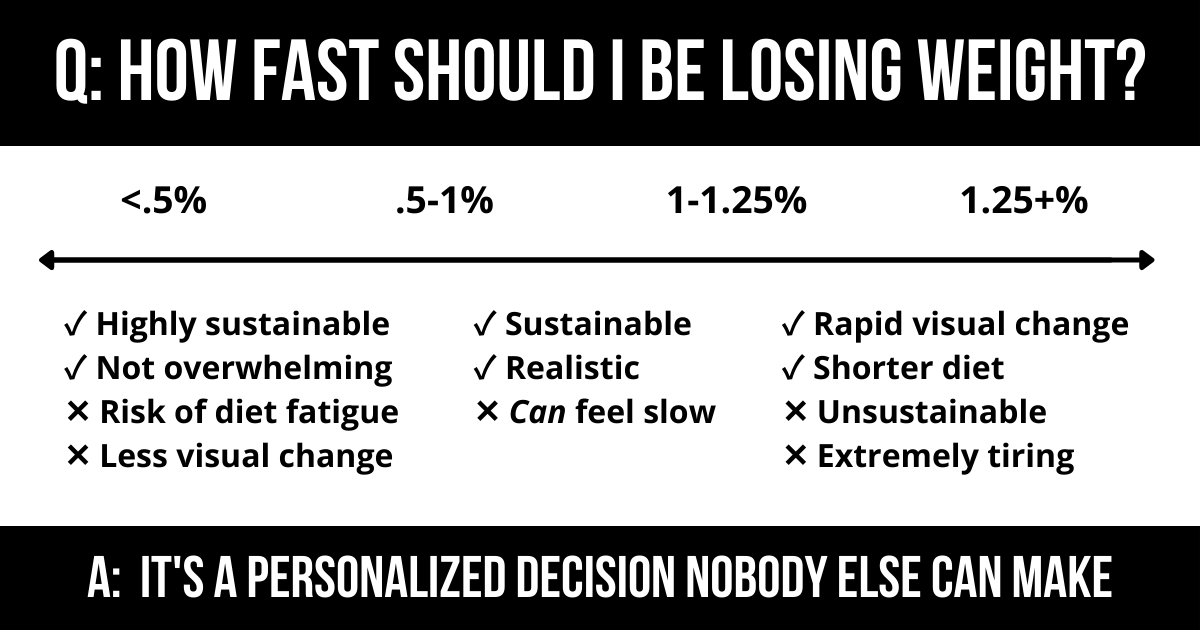
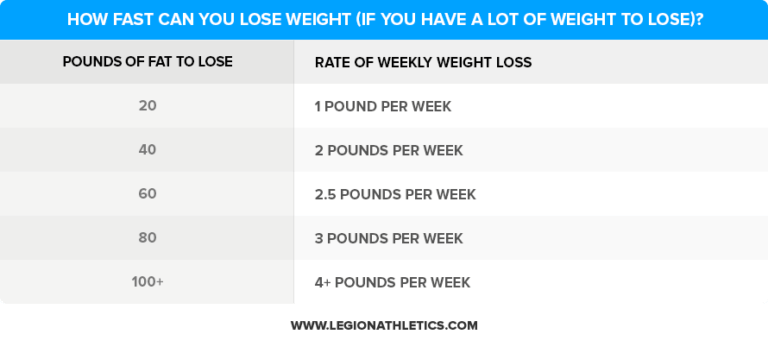
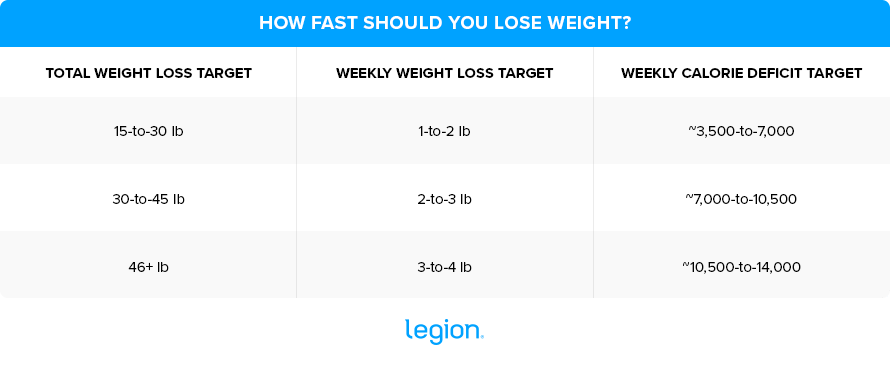
Moderately, losing one to two pounds per week is the clinically accepted safe zone, as established by the American College of Sports Medicine. However, in the modern era, medical supervision has allowed for faster safe loss in the initial phase. On a very-low-calorie diet (VLCD) under a doctor's watch, patients can lose three to five pounds per week safely because they are given micronutrient supplementation and monitored for electrolyte balance. The key difference from the 1970s is the monitoring. We have the technology to check your potassium and sodium daily. But attempting to lose ten pounds at home without supervision is essentially recreating the fatal liquid protein diet. The body's resilience is finite, and the heart does not negotiate.
2. Why do I lose weight fast at first and then it slows down?
This phenomenon, known as the "weight loss plateau," is a biological survival mechanism that our ancestors needed. In the 1940s, during wartime rationing, researchers at the University of Minnesota conducted the famous "Starvation Study," where they restricted young men to a semi-starvation diet. They found that initial weight loss was rapid, but after a few weeks, the body adapted, reducing its basal metabolic rate (BMR) by up to 40%. This is the "adaptive thermogenesis" response. Your body realizes it is in a famine, so it becomes hyper-efficient, burning fewer calories to maintain basic functions like breathing and thinking. This is why you might be eating the same 1,500 calories and walking the same steps, yet the scale stalls completely.
Modern science has added a hormonal layer to this. As you lose fat, your body perceives the fat loss as a threat to fertility and survival. It consequently decreases the secretion of the thyroid hormone T3 and increases the hormone ghrelin (which makes you hungrier). In the 1990s, this was considered an irreversible "set point" that forced people to accept their plateau. However, modern hacks involve "diet breaks" or "reverse dieting." Instead of continuing to cut calories, you intentionally eat at maintenance calories for two weeks to reset your leptin levels, which tells your brain you are no longer starving. This is a recent modification of the classic principles. We have learned that the plateau is not a wall but a guardrail; you must step away to drive forward again.
3. Do fat burning supplements actually work?
The history of fat burners is a graveyard of deceiving labels. In the 1990s, the star ingredient was ephedra, an herbal stimulant that caused rapid weight loss by jacking up the heart rate and suppressing appetite. It worked fast, but it also caused strokes and sudden cardiac deaths, leading to an FDA ban in 2004. It was replaced by "ephedra-free" formulas, which often contained bitter orange (synephrine), a compound that is chemically similar to ephedra but with weaker and less consistent effects. The legacy of this is a deep distrust of the "thermogenic" category. Most modern fat burners contain caffeine, green tea extract (EGCG), and capsaicin. These can slightly increase your metabolic rate by 3-5% for a few hours, which equates to an extra 30 to 50 calories burned per day—the caloric equivalent of one small cookie.

However, the modern hacking of these old supplements is through "nutrient partitioning." Instead of just burning calories, modern stacks like berberine and chromium focus on insulin sensitivity. They do not burn fat; they prevent the shuttling of carbohydrates into fat cells by improving glucose uptake into muscle. This is a smarter, slower, and more sustainable approach. The old ephedra made you feel like a hummingbird on crack; the modern approach makes your cells operate more efficiently. The truth is, supplements are only amplifiers. If you are in a caloric deficit and doing resistance training, a fat burner might speed up the process by a marginal 10%. But if you are eating a surplus, no supplement will save you. They are not magic; they are multipliers of good habits. The only true "fat burner" is a consistent, manageable deficit, which remains the unglamorous, unpatentable truth.
Looking ahead twenty years, the speed of weight loss will be almost unrecognizable. We are on the precipice of personalized medicine, where a simple blood test will sequence your entire metabolic genome. The future will not be about generic diets or even generic GLP-1 prescriptions. Instead, a doctor will analyze your gut microbiome and your specific genetic variants for fat oxidation and lipid storage. You will be given a tailor-made "metabolic cocktail"—a daily pill containing specific peptides, synbiotics, and maybe a mild kinase inhibitor, designed to elevate your fat burn by precisely 17.3% without any side effects. The speed will be controlled and steady, but the personalized precision will make it feel effortless. The scale will not be a source of anxiety but a dashboard displaying your mitochondrial efficiency.
Yet, amidst this pharmaco-technological utopia, I suspect we will circle back to my grandmother’s wisdom. She understood that the scale was a liar, that it measured bone, water, and muscle, not worth. The future will give us the ability to lose weight as fast as we want, but it will also create a generation that is more detached from the visceral experience of hunger and sacrifice. The nostalgic irony is that the struggle was what built character. In the next twenty years, as we watch our fat melt away with a monthly injection, we might find ourselves yearning for that old clunky bathroom scale and that Sunday morning ritual of uncertainty. Because there is a terrible beauty in the waiting, in the slow, laborious chemistry of change. The speed is a blessing, but the journey—the old, slow, frustrating journey—was the real teacher. We will lose the weight faster, but we will have to rediscover the meaning of the effort itself.