How Does The Penis Get Hard
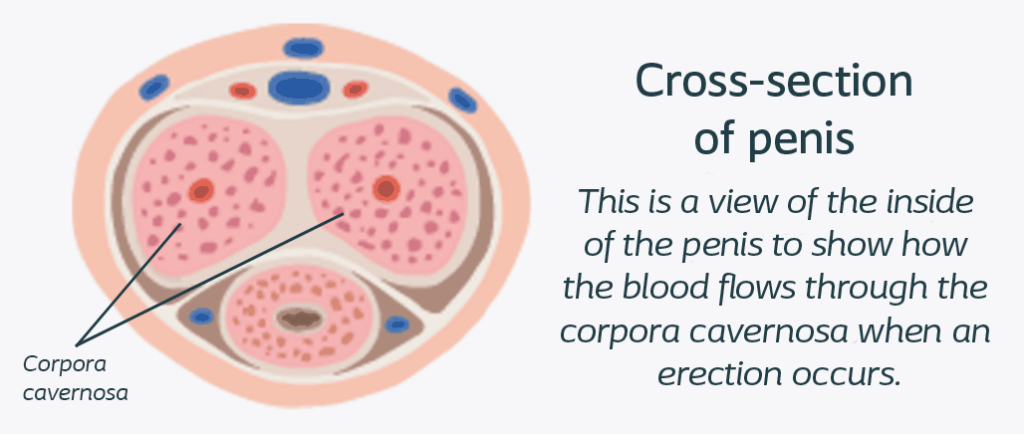
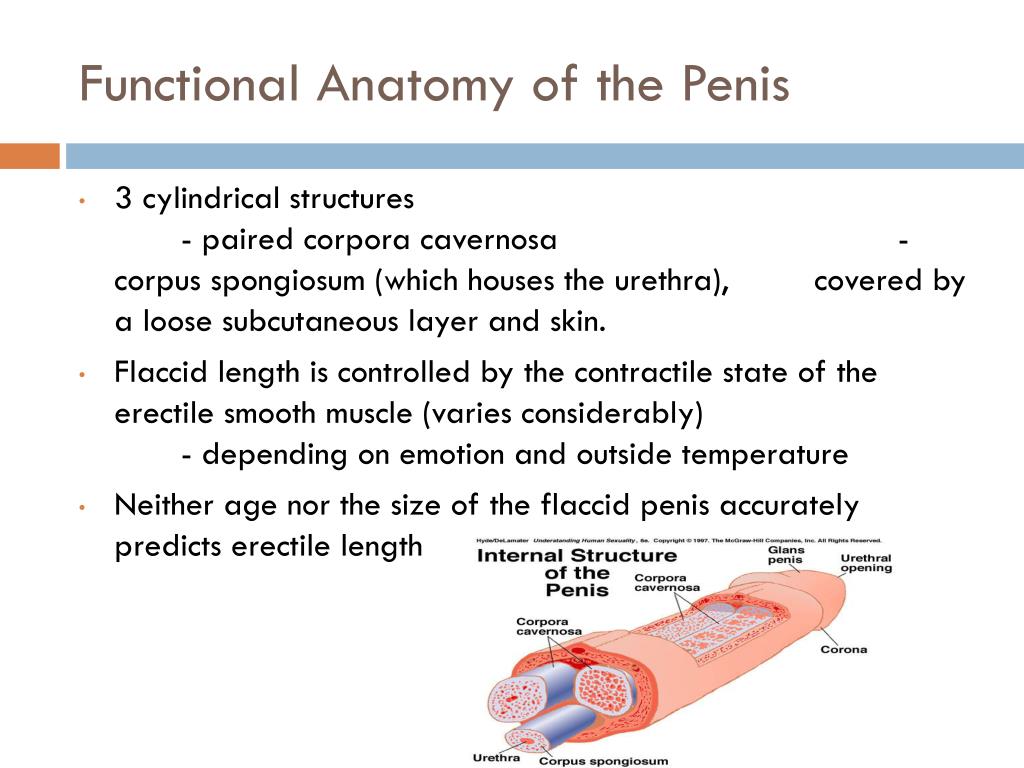
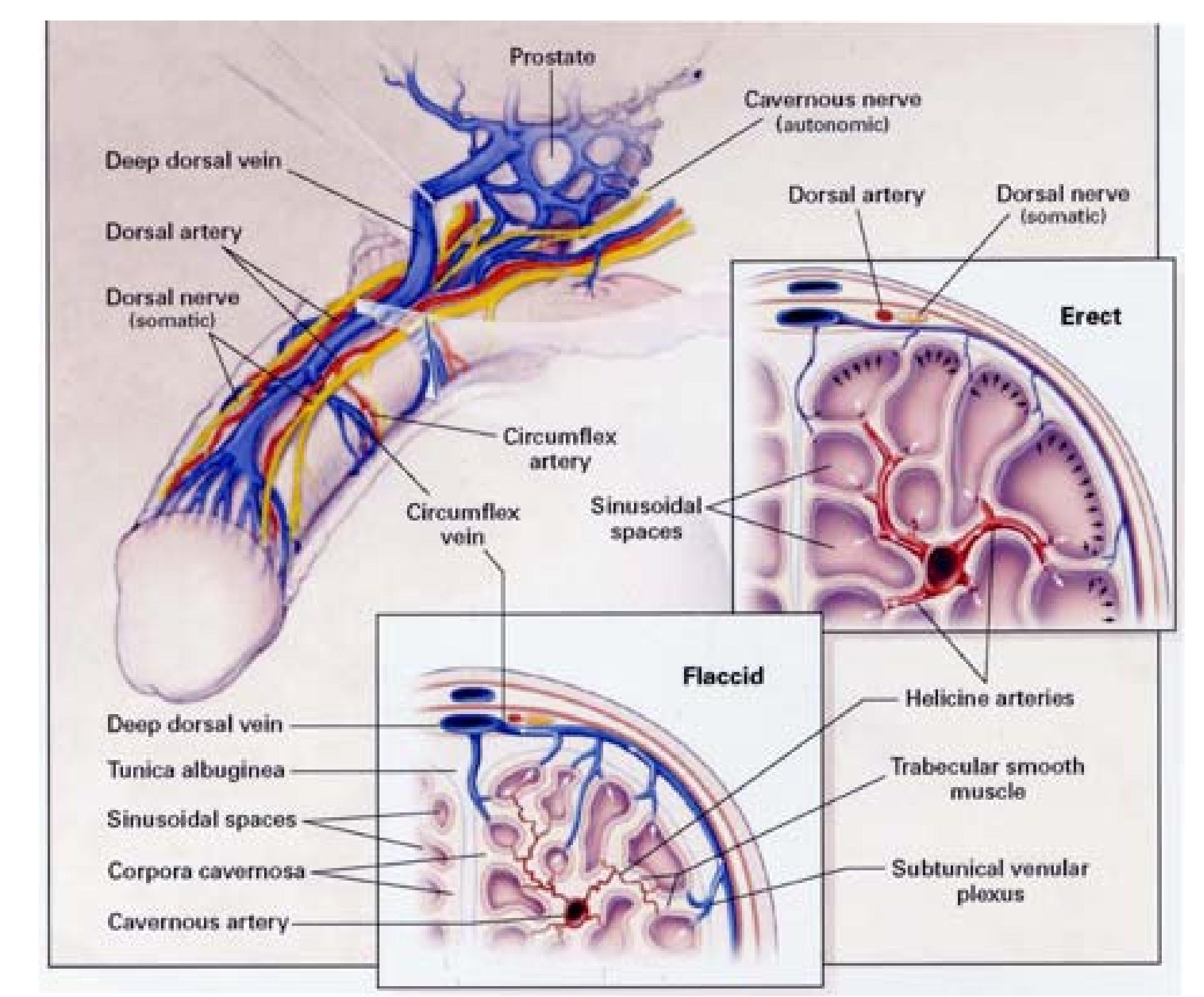
The process of how the penis gets hard is a complex and highly regulated mechanism that involves a combination of neurological, vascular, and hormonal factors. At its core, it is a hydraulic system that relies on the balance of blood flow into and out of the penis, as well as the regulation of smooth muscle tone. The penis contains two cylindrical bodies, known as the corpora cavernosa, which are surrounded by a layer of smooth muscle and connective tissue. When a man is sexually stimulated, the brain sends a signal to the nerves in the pelvic region, causing the smooth muscle to relax and allowing blood to flow into the corpora cavernosa.
This increased blood flow fills the corpora cavernosa, causing the penis to expand and become rigid. The pressure within the corpora cavernosa can reach up to 100 times the normal blood pressure, allowing the penis to maintain its rigidity during an erection. The veins that normally allow blood to flow out of the penis are compressed, preventing blood from leaving and maintaining the erection. This complex process is controlled by a delicate balance of hormones, including testosterone and oxytocin, as well as neurotransmitters such as nitric oxide.
Understanding how the penis gets hard is essential for optimal sexual function and can help men to better appreciate the complexity of their own bodies. By recognizing the intricate mechanisms involved, individuals can take steps to promote healthy erections and address any issues that may arise. This includes maintaining a healthy lifestyle, with a balanced diet and regular exercise, as well as managing stress and getting adequate sleep. Additionally, being aware of the hormonal and neurological factors at play can help men to better navigate their own sexual health and make informed decisions about their well-being.
Must Read
The Science of Erections
The science behind erections is a highly complex and regulated process that involves a multitude of biological and chemical reactions. At the heart of this process is the production of nitric oxide, a neurotransmitter that plays a crucial role in the relaxation of smooth muscle and the subsequent influx of blood into the corpora cavernosa. The endorphins and oxytocin released during sexual stimulation also contribute to the regulation of erection, promoting feelings of pleasure and relaxation.
The hormonal balance of the body also plays a critical role in the regulation of erections. Testosterone is essential for maintaining healthy erections, as it helps to regulate the production of nitric oxide and promote the growth and maintenance of erectile tissue. Additionally, the pituitary gland releases luteinizing hormone, which stimulates the production of testosterone in the testes. Understanding these complex hormonal and chemical reactions can help men to better appreciate the intricacies of their own bodies and take steps to optimize their sexual health.
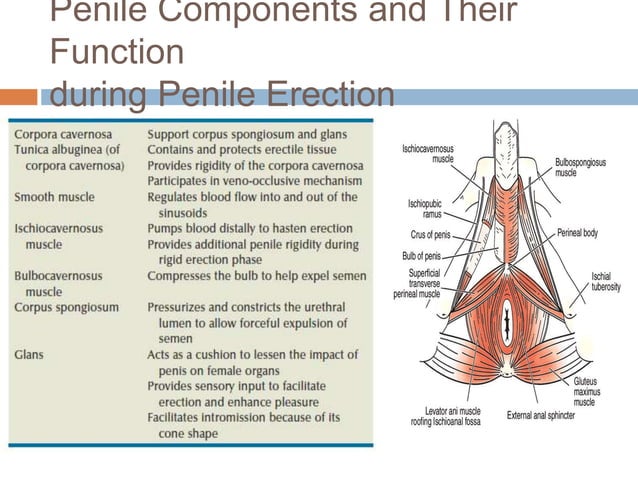
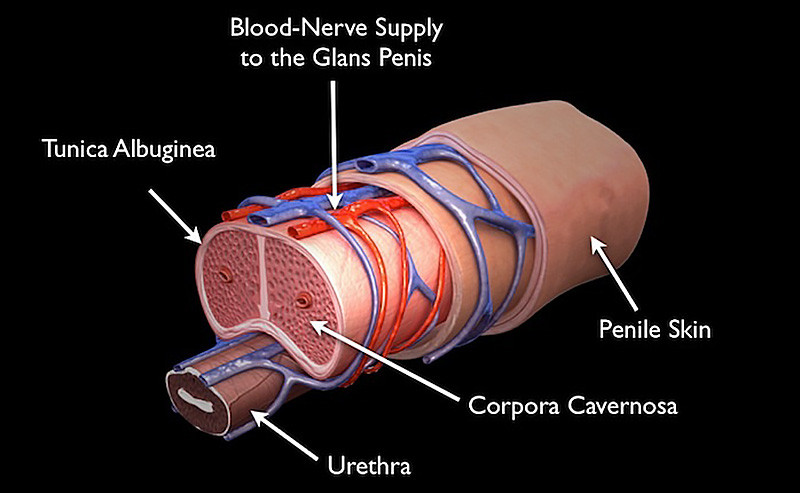
The anatomy of the penis also plays a critical role in the regulation of erections. The corpora cavernosa and corpus spongiosum are surrounded by a layer of tunica albuginea, a tough, fibrous tissue that helps to regulate the pressure within the penis. The urethra runs through the corpus spongiosum, allowing for the passage of urine and semen. Understanding the complex anatomy of the penis can help men to better appreciate the intricate mechanisms involved in the regulation of erections and take steps to promote healthy sexual function.
Mastering Erections: Practical Strategies
Mastering the art of erections requires a combination of physical, emotional, and mental strategies. One of the most effective ways to promote healthy erections is to maintain a healthy lifestyle, with a balanced diet and regular exercise. This can help to regulate blood flow and maintain healthy hormone levels. Additionally, managing stress and getting adequate sleep can help to regulate the production of nitric oxide and promote healthy erectile function.
Another effective strategy is to practice relaxation techniques, such as meditation or deep breathing exercises. These can help to regulate the production of stress hormones and promote relaxation and calmness. Additionally, communicating openly with your partner can help to build intimacy and promote healthy sexual function. By being open and honest about your desires and needs, you can help to create a positive and supportive sexual environment.
A regular exercise routine can also help to promote healthy erections. Exercise can help to regulate blood flow and maintain healthy hormone levels, as well as reduce stress and promote relaxation. Additionally, getting enough vitamin D can help to regulate the production of nitric oxide and promote healthy erectile function. By incorporating these strategies into your daily routine, you can help to master the art of erections and promote healthy sexual function.
Finally, being aware of your body and listening to its needs is critical for mastering erections. This includes being aware of your physical and emotional needs, as well as being mindful of your sexual health. By taking the time to understand your body and address any issues that may arise, you can help to promote healthy sexual function and master the art of erections. Additionally, seeking professional help when needed can help to address any underlying issues and promote healthy sexual function.
Frequently Asked Questions
What is the normal frequency of erections?
The normal frequency of erections can vary from person to person, but most men experience several erections per night during REM sleep. These erections are a normal part of the sleep cycle and help to maintain healthy erectile function. Additionally, men may experience erections during the day, often in response to sexual stimulation or emotional arousal. Understanding the normal frequency of erections can help men to better appreciate their own sexual health and take steps to promote healthy erectile function.
The frequency of erections can be influenced by a variety of factors, including age, hormone levels, and overall health. As men age, the frequency of erections may decrease, but this can be mitigated with a healthy lifestyle and regular exercise. Additionally, hormonal imbalances or underlying medical conditions can affect the frequency of erections. By being aware of these factors and taking steps to promote healthy sexual function, men can help to maintain a healthy and active sex life.
How do I know if I have a healthy erection?
A healthy erection is one that is firm and rigid, allowing for penetration and intimacy. The duration of an erection can vary, but most men can maintain an erection for several minutes during sexual activity. Understanding what constitutes a healthy erection can help men to better appreciate their own sexual health and take steps to promote healthy erectile function.
A healthy erection is also one that is free from pain or discomfort. If you experience pain or discomfort during an erection, it may be a sign of an underlying medical condition that requires attention. Additionally, premature ejaculation or delayed ejaculation can be a sign of an underlying issue that requires attention. By being aware of these factors and taking steps to promote healthy sexual function, men can help to maintain a healthy and active sex life.
Can I improve my erectile function with lifestyle changes?
Yes, making lifestyle changes can help to improve erectile function. A healthy diet and regular exercise can help to regulate blood flow and maintain healthy hormone levels. Additionally, managing stress and getting adequate sleep can help to regulate the production of nitric oxide and promote healthy erectile function.
Other lifestyle changes that can help to improve erectile function include quitting smoking and limiting alcohol consumption. Smoking and excessive alcohol consumption can both negative impact erectile function, so making these changes can help to promote healthy sexual function. By incorporating these lifestyle changes into your daily routine, you can help to improve erectile function and promote a healthy and active sex life.
How does age affect erectile function?
Age can have a significant impact on erectile function. As men age, the frequency and duration of erections may decrease, and the quality of erections may be affected. This is due to a variety of factors, including hormonal changes, decreased blood flow, and underlying medical conditions.

However, many older men are still able to maintain healthy erectile function with the right Yes, erectile dysfunction can be a sign of an underlying medical condition. A variety of medical conditions, including diabetes, high blood pressure, and heart disease, can all negatively impact erectile function. Additionally, hormonal imbalances and neurological disorders can also affect erectile function. If you experience erectile dysfunction, it is essential to seek medical attention to rule out any underlying medical conditions. A medical professional can help to diagnose and treat any underlying conditions, as well as provide guidance on promoting healthy erectile function. By addressing any underlying medical conditions, men can help to regain healthy erectile function and maintain a healthy and active sex life.
Respecting the science behind erections is essential for promoting healthy sexual function and maintaining a healthy and active sex life. By understanding the complex biological and chemical reactions involved in erections, men can take steps to optimize their sexual health and address any issues that may arise. This includes maintaining a healthy lifestyle, managing stress, and seeking medical attention if necessary. Additionally, being aware of the intricacies of erectile function can help men to better appreciate their own sexual health and take steps to promote healthy sexual function. By respecting the science behind erections, men can help to maintain a healthy and active sex life, and build stronger, more intimate relationships with their partners. By taking the time to understand and appreciate the complex mechanisms involved in erections, men can help to optimize their sexual health and live a healthier, more fulfilling life.Can erectile dysfunction be a sign of an underlying medical condition?