How Do You Write A Professional Email

Let’s be honest: most of us would rather poke our eyes out than write a professional email. Yet, it’s the digital handshake of modern life—the way we ask for raises, clarify project deadlines, or politely chase down a refund. Mastering it isn’t about being stiff; it’s about making your life easier by getting what you want without the awkward follow-up.
The real benefit of a good email is that it saves you time and stress. A clear message means fewer “just checking in” replies and less back-and-forth confusion. Think of it as a tiny, one-way conversation where you control the outcome—your goal is to make the reader’s response effortless.
You use this skill every day, whether you’re emailing a landlord about a leaky faucet or a client about a late invoice. Even a simple “thank you” note after an interview can tip the scales in your favor. The same rules apply everywhere: respect their time, state your point, and make the next step obvious.
Must Read
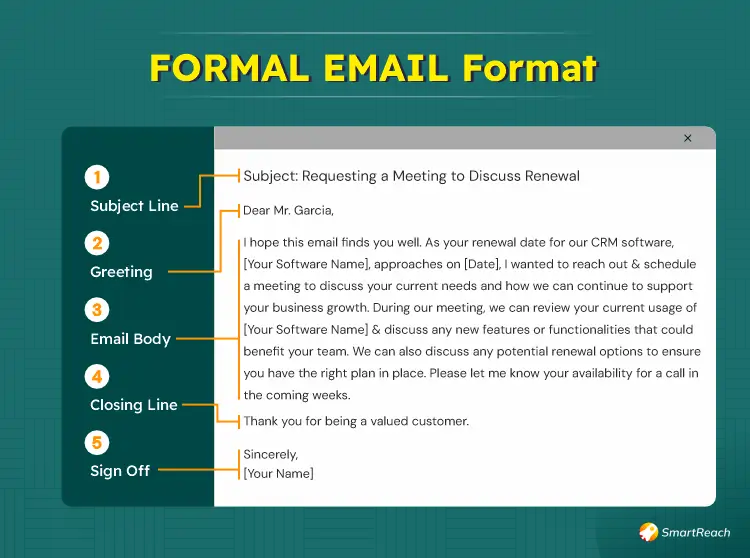
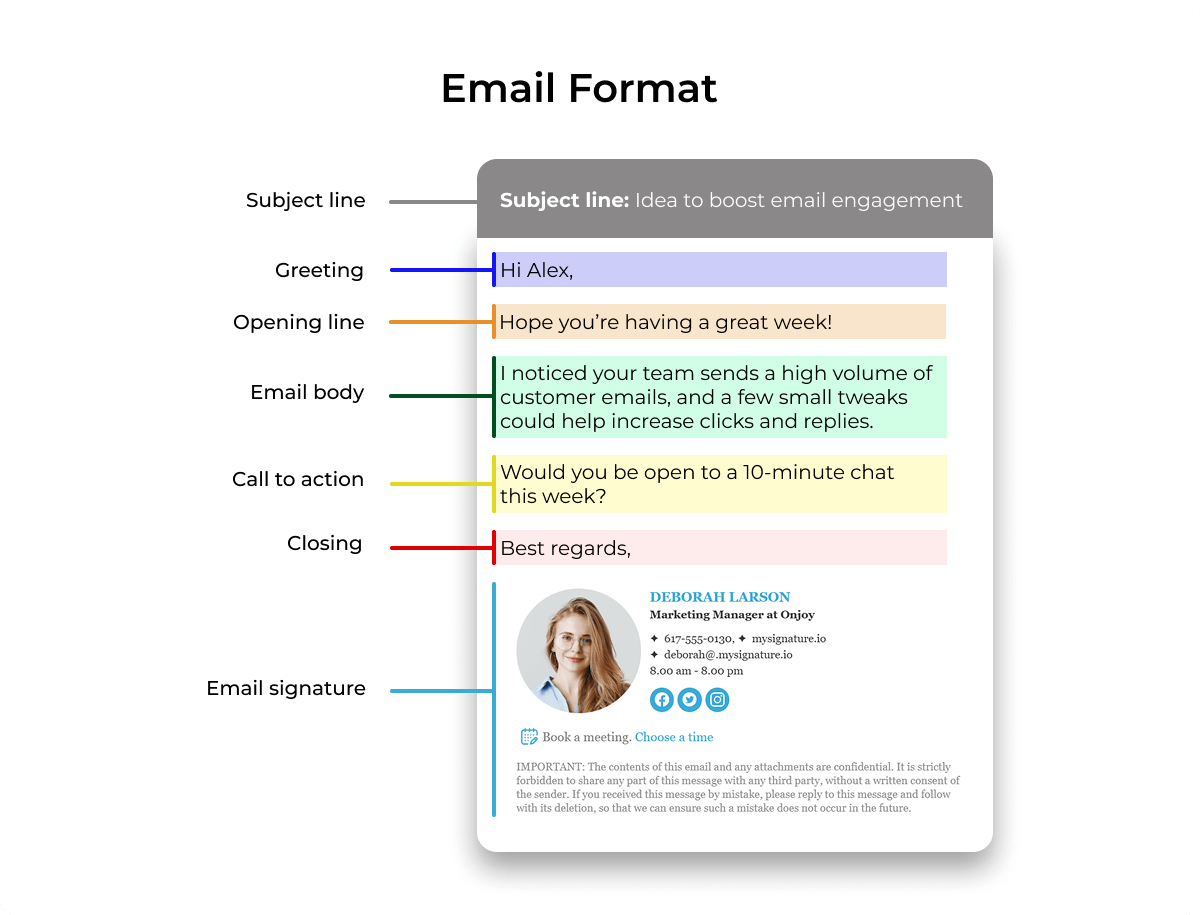
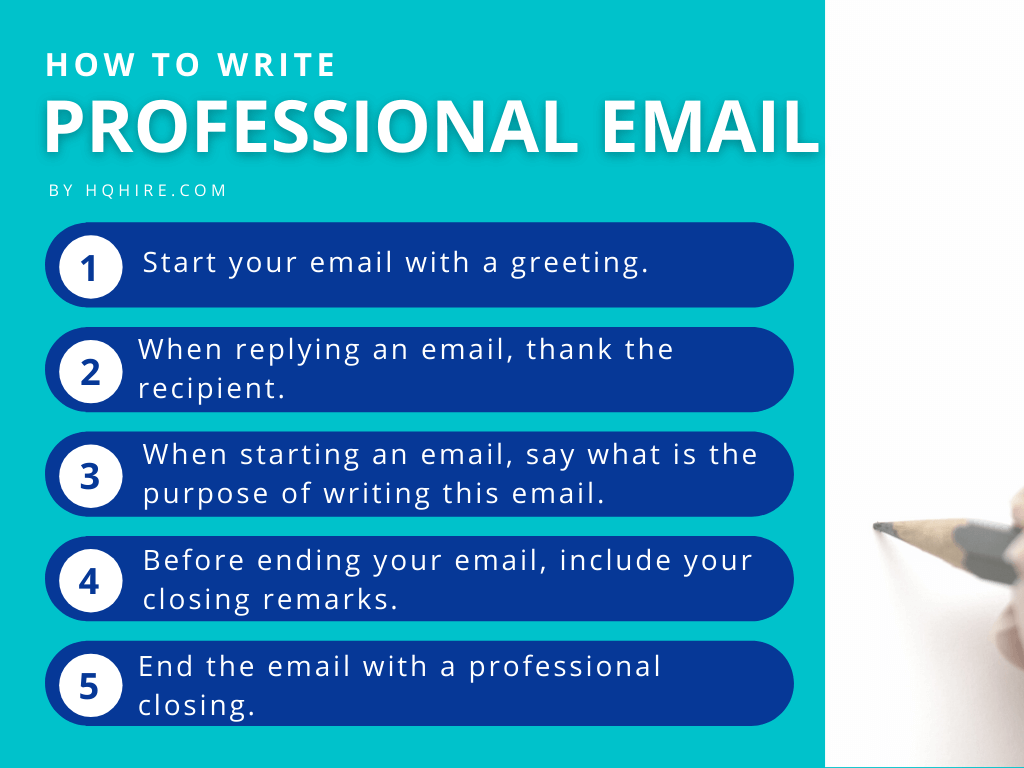
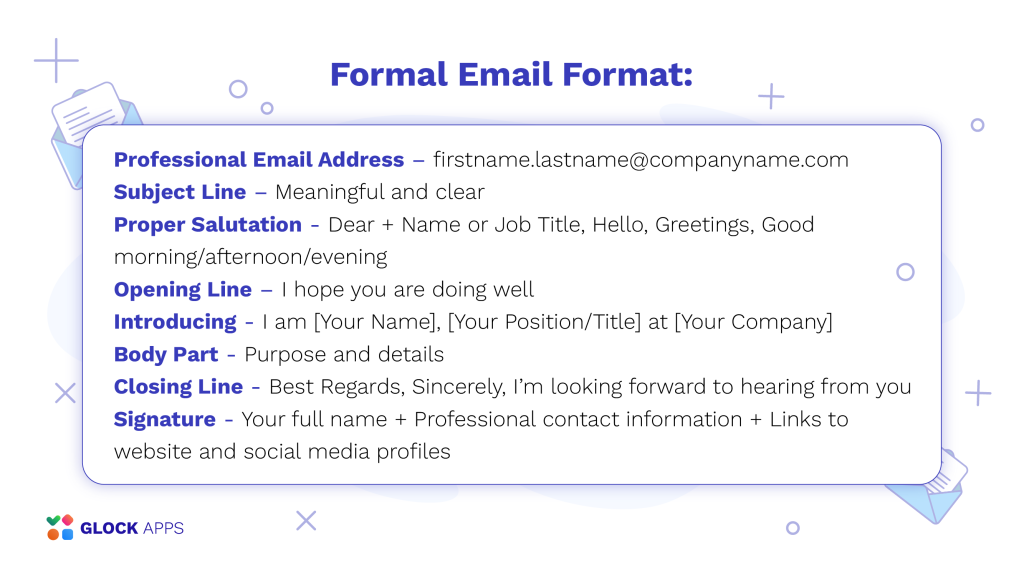
Now, for the fun part: how to write one that actually works. Start with a subject line that isn’t vague. “Quick Question” is the worst—try “Question about Tuesday’s meeting” instead. This tiny change means your email gets opened, not buried, so your request actually gets answered.
Next, ditch the essay. Your opening sentence should say why you’re writing in under ten words. For example, “I’m following up on our call about the budget” beats “I hope this email finds you well and that you had a wonderful weekend.” Cut the fluff—your reader is busy, and they’ll love you for being concise.
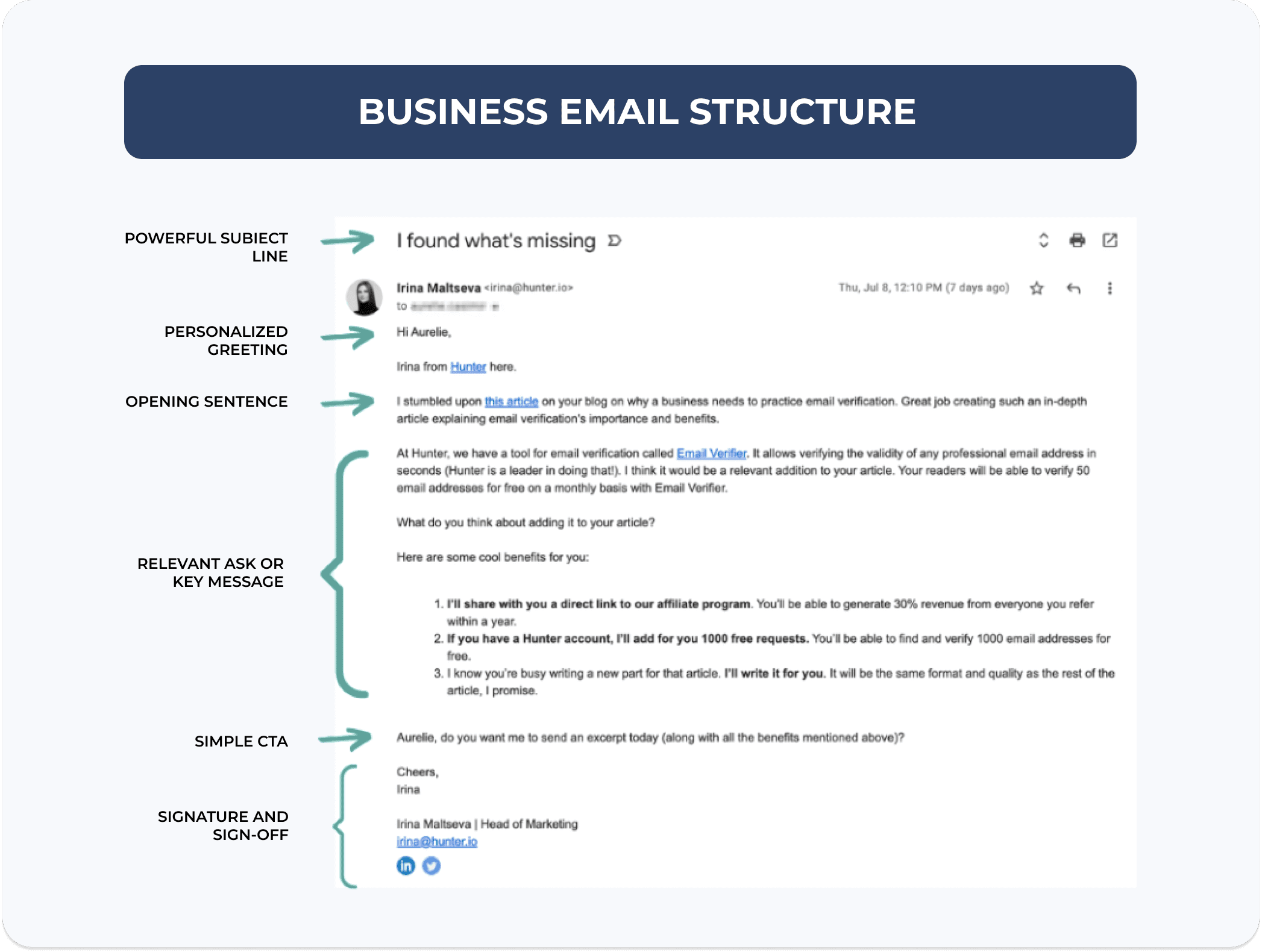
Write your middle part like a bullet-point list, even if you don’t use bullets. One idea per sentence, no rambling. If you have three questions, label them 1, 2, 3. That way, the reader can answer them in order without missing anything, which means you get a complete reply on the first try.
Then, make the “ask” impossible to ignore. Put the action you want in the last line—for example, “Could you confirm by 3 PM Thursday?” or “Please send the file when you can.” This turns your email from a wish into a request with a clear deadline, so you’re not left wondering.
:max_bytes(150000):strip_icc()/how-to-write-and-send-professional-email-messages-2061892_FINAL-5b880103c9e77c0025a29ec4.png)
Finally, sign off with something simple like “Best” or “Thanks”—never “Cheers” unless you’re British or sending to a close friend. And before you hit send, read it out loud. If you’d be annoyed receiving it, rewrite it. That five-second check prevents typos and tone-deaf phrases that ruin your credibility.
A great professional email is almost invisible—it gets the job done without making the reader think about your writing style. Practice this “one-ask, short middle, clear end” format on your next boring task, like rescheduling a dentist appointment. You’ll be shocked at how quickly you get a positive reply, and you might even start to enjoy the small victory.
So next time you stare at a blank inbox, don’t despair. Remember that every expert was once a sender of “Per my last email…” disasters. You already have the vocabulary; you just need the structure. Write it, trim it, and send it—then reward yourself with a cookie for not overthinking it.