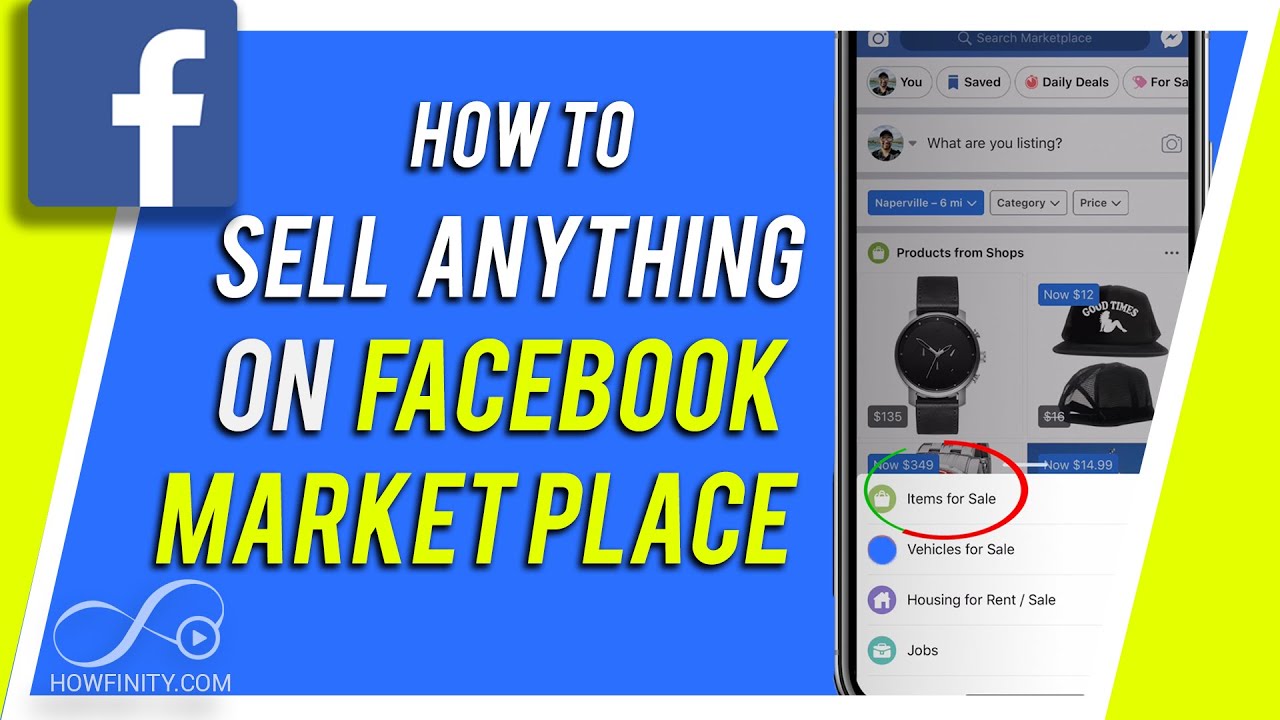
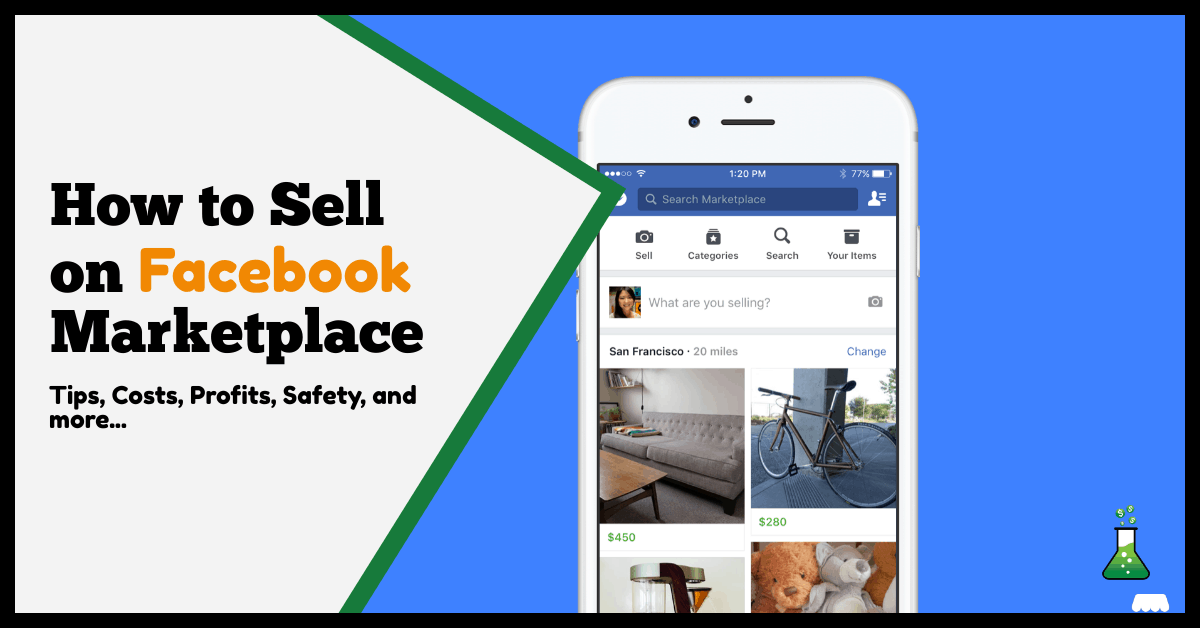
How Do You Sell Items On Marketplace

Before the dopamine hit of a “You’ve got a new message!” ping, before the algorithmic alchemy that matches a dusty box of vintage vinyl with a collector three towns over, there was the bulletin board. Specifically, the cork board, stained with coffee rings and thumbtack holes, pinned precariously near the laundromat or the grocery store’s exit. That was the original marketplace—a physical, tactile, and deeply human ledger of want and surplus. We tore off perforated tabs with a phone number, folded them into our pockets like secrets, and called from landlines, our voices slightly hesitant, wondering if the other person’s “excellent condition” meant the same thing as our own. The necessity was primal: to recirculate the objects of our lives, not out of mere frugality, but out of a quiet, communal understanding that one person’s broken toaster was another’s weekend project. It was slow commerce, governed by trust, built on the simple act of knocking on a stranger’s door in broad daylight.
That first transaction—the handshake, the exchange of crumpled bills for a lamp that smelled faintly of someone else’s living room—was a form of social glue. We didn’t call it “pre-owned” or “gently used”; we called it “Charlie’s old fishing gear” or “the chair from Aunt Marge’s porch.” The history was embedded in the object, and the sale was a transfer of custodianship, not just ownership. There was no feedback score, no star rating. Your reputation was carried in your voice, your punctuality, and the way you described the chip on the ceramic vase. It was the era of the classified ad, a newspaper’s ink-stained heart, where a cryptic string of words—“Wurlitzer, 78rpm, needs work, $50 OBO”—could launch a thousand phone calls. Those early digital forums, the Prodigy bulletin boards and AOL classifieds of the early 1990s, were merely a ghost of this physical ritual, a text-based echo in a modem’s screech, yet they carried the same weight of anticipation.
Then came the great leap forward, a seismic shift that would rewire our relationship with our own belongings. The year 1995 arrived with a whisper, not a roar, in the form of a man named Pierre Omidyar who wanted to create a marketplace for the exchange of collectibles, a place where a broken laser pointer could find a home. That was eBay’s genesis, a digital bazaar where the world became your local neighborhood. Suddenly, the cork board was infinite. The restraint of geography vanished. A woman in Oregon could sell a Pez dispenser to a man in Tokyo, and the concept of “fair market value” became a fluid, real-time negotiation. The human necessity hadn’t changed—we still needed to sell our clutter—but the method exploded into a global, 24/7 auction house where the gavel never rested. The thrill wasn’t just in the sale; it was in the countdown, the sniper-style last-second bid, the nervous refresh of the page. It was a game, a lottery, a digital spectacle that turned every attic into a potential goldmine.
Must Read
The Great Digital Garage Sale: From Auctions to Algorithmic Matchmaking
The evolution from eBay’s auction format to the stranglehold of fixed-price listings was a cultural rebellion against anxiety. By the mid-2000s, the fatigue of bidding wars and the ambiguity of auction end times gave way to a desire for immediacy. Craigslist, born in 1995 but truly reaching its cult-like status in the early 2000s, became the wild west of peer-to-peer commerce. It was a brutally simple, almost ugly interface that allowed anyone to post a listing in minutes. Its aesthetics were deliberately primitive, a stark contrast to the glossy portals of the future. But its power lay in its locality. It brought back the face-to-face meeting, but stripped of the original warmth—replaced by a new, thrilling, and occasionally dangerous anonymity. The “parking lot exchange” became a modern ritual: you’d agree on a price via cryptic emails, then meet at a gas station, paying in cash for a used PlayStation while keeping one eye on the rearview mirror. It was the most direct descendant of the cork board, but it had lost the nostalgic charm; it was pure, unfiltered transaction.
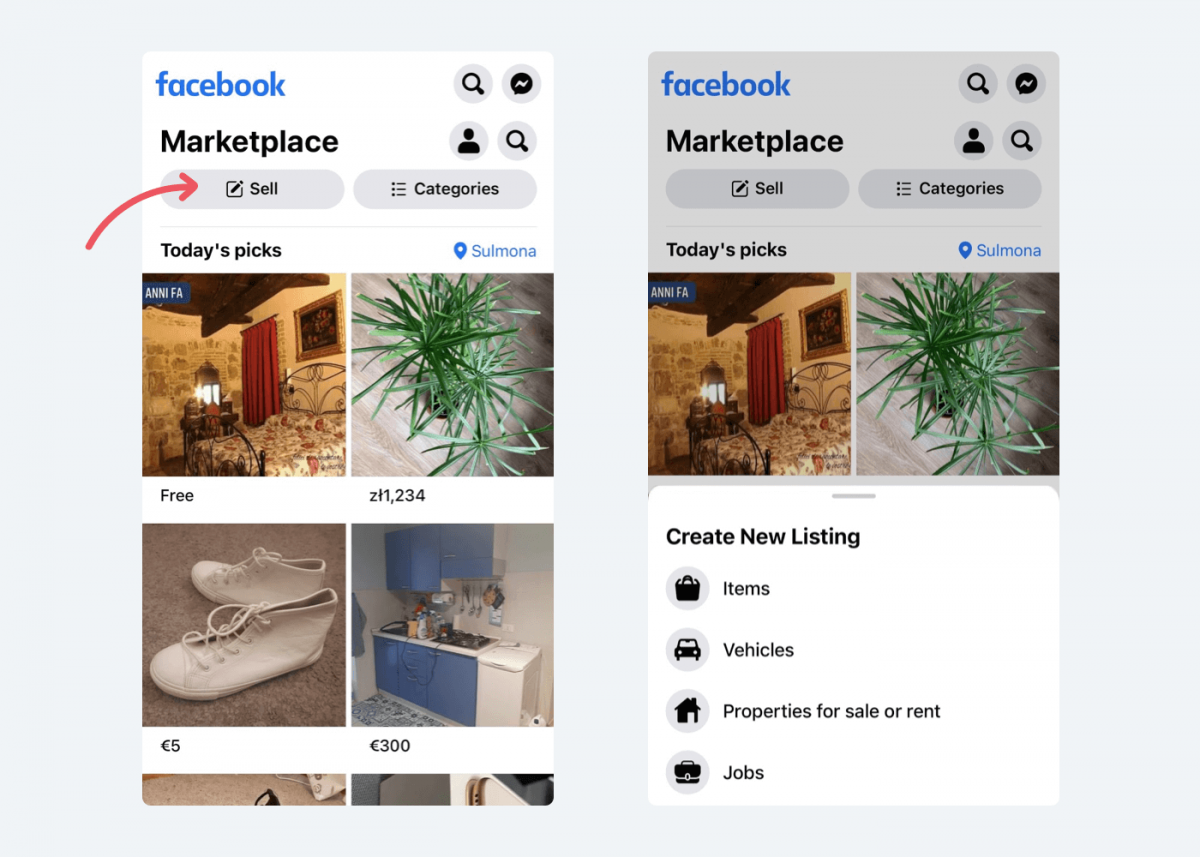
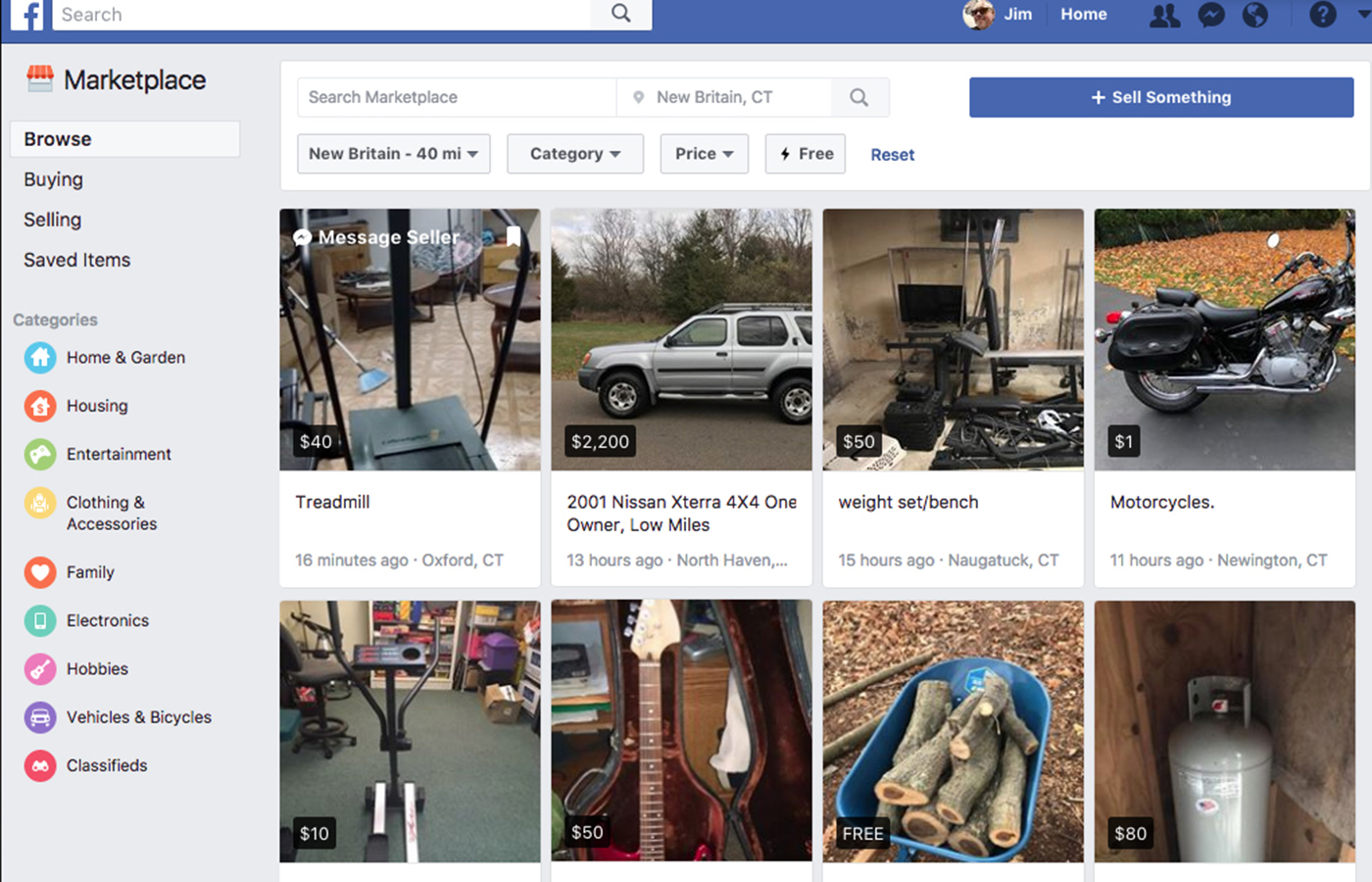
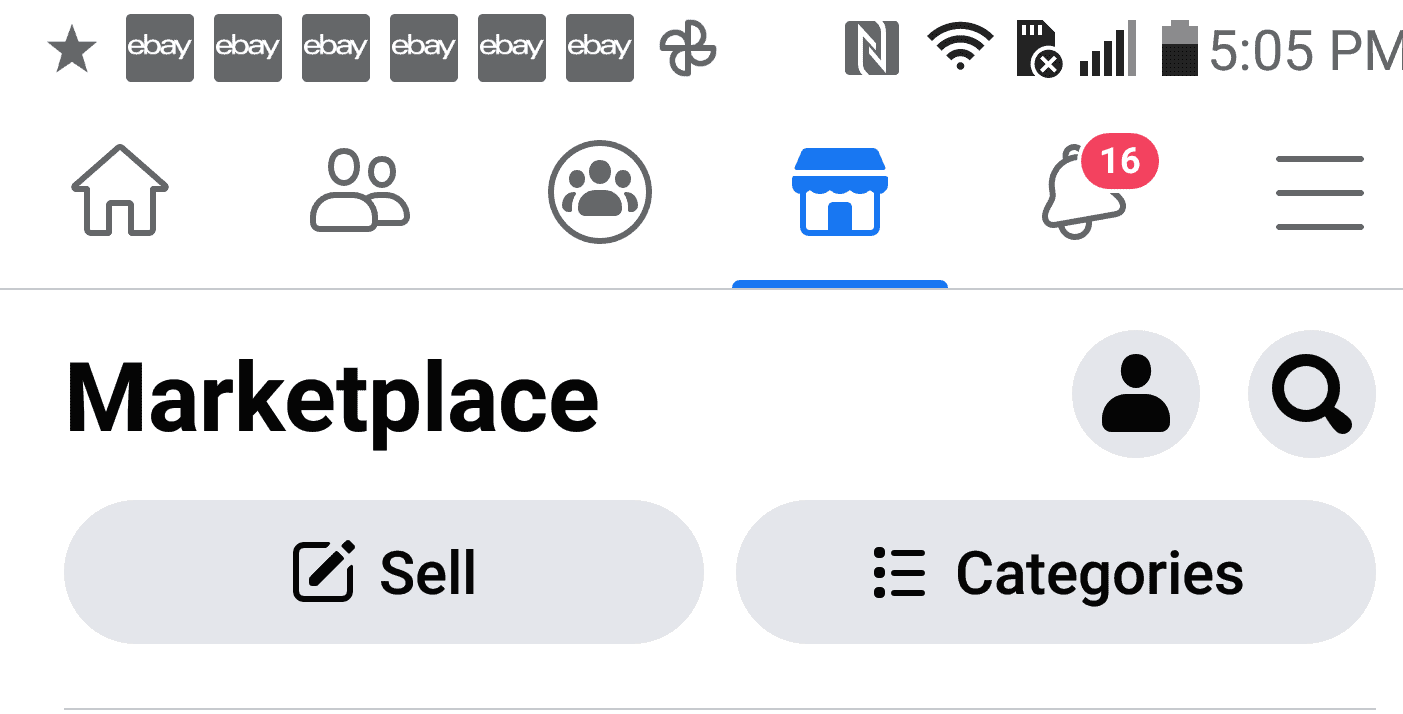
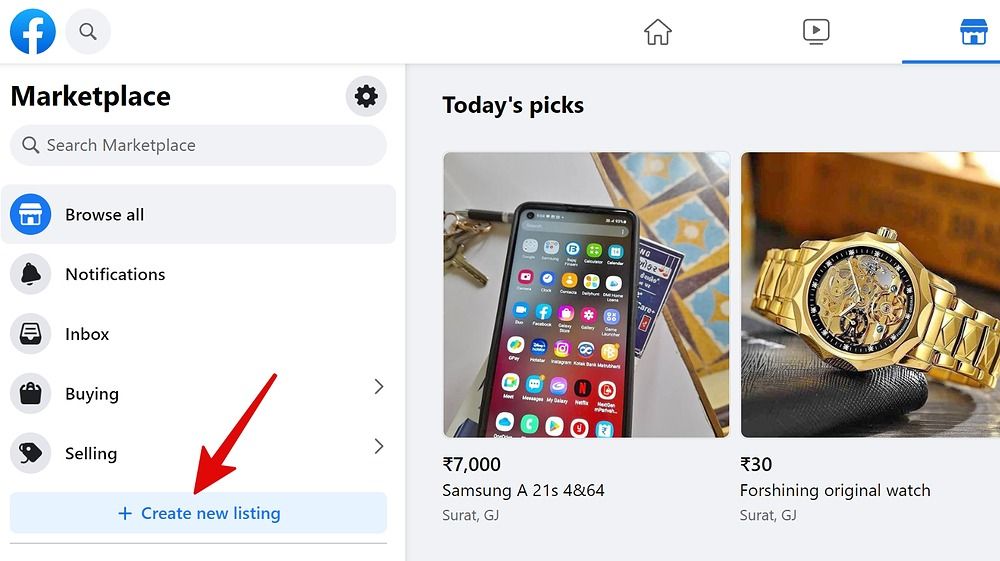
Then came the beast that swallowed them all: Facebook Marketplace. Launched in 2016, it wasn’t just an app feature; it was a sociological Trojan horse. It embedded commerce directly into the social graph. You were no longer selling to a faceless global mob; you were selling to your neighbors, your former high school classmates, and the guy who runs the local coffee shop. The algorithm became the new middleman. It learned your browsing habits, your location, and your previous purchases to serve you a personalized feed of potential purchases. The passive act of listing a couch was now met with an active, data-driven push to the most likely buyer. This was the hack: instead of you searching for a buyer, the buyer was found for you, based on behavioral patterns. The classic principles of “good price” and “good condition” were now augmented by “good targeting.” The intangible magic of the thrift store hunt was translated into a digital feed that promised, with uncanny accuracy, that you need this vintage camera stand.
But what about the forgotten vintage facts, the bizarre quirks of the system’s youth? In the early days of eBay, it was considered a cardinal sin to mention other online auctions in your listing, and the community enforced this with vigour. Sellers would use bizarre “fill” words to pad their descriptions to game the search engine, leading to nonsensical lines like “Look and see, not really a rare glove, but a great glove for the season, buy now, sell now, check my other items.” It was the digital equivalent of a street vendor shouting louder than everyone else. Craigslist, meanwhile, was notorious for the “barter system” being taken to absurd lengths. People would genuinely offer to trade a 1998 Honda Civic for a used set of golf clubs and a massage, or ask for a story in exchange for a free piano. These were the loopholes, the human fallibility that no algorithm could yet predict. There was also the era of the “mystery box,” a precursor to modern blind bags, where sellers would charge a premium for package of random items, a gamble that was as much about entertainment as it was about acquisition.
The most bizarre shift, perhaps, was the professionalization of the reseller. What began as a way to clear out a closet transformed into a side hustle, then a full-time career. The arrival of smartphones with cameras that could make a chair look like a throne, combined with the ease of shipping integrated into Marketplace, turned the thrift store into a supply chain. The teenager selling old sneakers became a micro-entrepreneur using lighting apps and abrasive negotiation tactics learned from YouTube. This was a stark contrast to the gentle, almost apologetic tone of the 1980s classified ads. The modern seller is a strategist, a photographer, and a data analyst. They know that the title of the listing is the hook, the first photo is the handshake, and the price is the negotiation. The trust that was once built on eye contact has been replaced by the cold calculus of a 5-star seller rating and a "Top Rated Plus" badge. It’s efficient, but it has lost a touch of the soul that made those early transactions so memorable.
Modern Hacks and the Reinvention of Trust
Today, selling is a psychological war game. The classic principles of “be honest” and “price fairly” are now being hacked. We use the “anchor tactic,” listing a slightly higher price to make the buyer’s lowball offer seem more reasonable. We post listings at 7:00 PM on weekdays, knowing that the algorithm’s peak engagement window will give us the best reach. We employ the “dingy photo” trick—purposely taking a slightly dim photo of a high-value item to invite a “What’s the catch?” message, which then leads to a conversation where trust is built through dialogue. The modern seller understands that a brief, friendly back-and-forth in the Messenger app is more valuable than a thousand-word description. They know that the buyer’s first message of “Is this available?” is a digital toe in the water, and the seller’s response time is the temperature of the water. They are hacking the human need for reassurance and urgency, using “Someone is coming to see it at 5 PM” as a gentle pressure tactic, even if it’s a residual echo from the days of “first come, first served” on the cork board.
The most profound hack of all is the rise of niche marketplaces. While Facebook remains the mega-mall, platforms like Poshmark (fashion), Reverb (music gear), and Discogs (vinyl) have created specialized tribes. The seller here isn’t just a seller; they are a curator, a collector, a member of a esoteric club. They don’t have to explain the value of a 1973 Moog synthesizer—the audience already knows. This is a return to the original community aspect, but hyper-specialized. The trust is based on shared passion, not just a digital score. Selling on these platforms feels less like a garage sale and more like a secret handshake, a passing of a torch between two obsessives. This is the classic barter system re-animated by passion, but operated by an algorithm that understands the nuanced language of pyrotechnic valve capacitors.
Frequently Asked Questions: Myths, Memories, and Modern Truths
1. Is it safer to meet in person or ship items now compared to the old days of Craigslist?
In the early 2000s, the Craigslist meet-up was a wild gamble. The only safety tip was to meet in a public place, and the most sophisticated advice was to bring a friend who stayed in the car. The horror stories of transaction gone wrong were the stuff of internet legend, creating a culture of paranoia. The myth was that everyone was either a scammer or a serial killer. In reality, most were just normal people with a couch to sell, but the lack of accountability made the risk feel enormous. The trust was binary: you either had good vibes from the email chain or you didn't.
Today, the landscape has shifted. Platforms like Facebook have introduced robust identity verification, buyer and seller profiles with photo IDs, and a built-in payment system that can hold funds in escrow. The modern myth is that shipping is always safe and meeting in person is outdated. Yet, the inverse is often true. While payment scams have become more sophisticated (fake cashier’s checks, phishing links), the process of actually shipping a heavy item introduces new risks of damage and return fraud. In-person meetups, ironically, have become safer due to the concept of "Marketplace Police Station Exchange Zones," where local precincts offer a safe area for transactions. The vintage rule of thumb—“If it seems too good to be true, it is”—remains the most powerful bit of wisdom, whereas the modern hack is to always check a buyer’s/seller’s profile for "Facebook Creation Date." An account created three weeks ago with no friends is a red flag, regardless of how your algorithm-matched profile looks.
2. Are lowball offers a sign of disrespect, or are they just part of the digital haggling ritual?
The lowball offer has been a constant since the first yard sale. In the 1980s, it was a face-to-face dance: you’d say $20, they’d scoff and offer $5, you’d look offended, then eventually settle on $12 with a sigh. It was a social performance, a way to establish dominance in the negotiation. The myth was that the buyer’s lowball was an insult to the seller’s valuation of their item, a personal attack on their history with the object. Sellers would often stand firm out of pride, leading to dead ends and a waste of a Saturday afternoon.
The modern perspective, however, analyzes the lowball from a data-driven angle. It is not an insult; it is an opening position. Buyers, especially those trained by TikTok and YouTube side-hustle gurus, are taught to offer 50-60% of the asking price as a standard opening. The best sellers understand that a lowball offer is a sign of strong buyer intent—they want the item, but they want it at their price. The modern hack is to never respond with anger. Instead, counter with a near-final price that is slightly higher than your actual minimum, framing it as an apology: “I can’t do that, but I could do $15 off since it’s already priced low.” This is the old bartering spirit, but now backed by the psychological analytics of loss aversion. The seller who recognizes a lowball not as a rejection but as an invitation to a deeper negotiation is the one who will clear their garage out fastest.
3. How do you write a description that captures the heart of the item without sounding like a desperate salesperson?
In the era of the classified ad, words were money. You paid per character, so you had to be telegraphic. “1965 Gibson SG, sunburst, some wear, plays excellent, firm” was the gold standard. It was honest, concise, and gave no room for fluff. The myth of that era was that brevity equaled confidence. If you over-described, you were hiding something. You were trying to justify why the item was still available. The description was a form of withholding information, letting the potential buyer discover the details on the phone call or the in-person visit.
Today, the algorithm rewards verbosity, but the human psyche punishes it. A wall of text is intimidating. The modern hack is to use the "story-ellipsis" technique. You write one paragraph that gives a tiny, humanizing detail about the item’s life (“Saw action in a local battle of the bands in the 90s, has the stickers to prove it”), followed by three bullet points of hard facts (Brand, Model, Condition). This satisfies the SEO bots scanning for keywords like “vintage guitar” and “Gibson” while giving the buyer a slice of your life to connect with. The desperate salesperson uses hyperbolic words like “MINT” and “FLAWLESS”; the confident seller uses understated phrases like “looks great for its age” or “has a little scuff on the back that I didn’t even notice until I took the photos.” This shows a level of honest, human observation that builds more trust than a perfect-sounding sales pitch ever could, returning to the same honesty that characterized those cork board notes of yore.
Looking ahead twenty years, the physical object might become obsolete. We are hurtling towards a future where selling isn't about the item itself, but about the experience and the data. Imagine a virtual closet where your old clothes are rendered in 3D, and a potential buyer can "try them on" using their augmented reality glasses before contacting you. The shipping will be handled by autonomous drones that pick up the package from your porch and fly it to the buyer's window. The negotiation will be conducted by AI agents—your personal digital butler will haggle with my digital valet over the price of a vintage watch, eventually settling on a micro-transaction using a cryptocurrency that was created solely for this purpose. The nostalgia of the handshake will be a historical footnote, a curiosity we tell our grandkids about. The trust will be entirely algorithmic, a verifiable blockchain ledger of every item’s provenance and every user’s transaction history.
Yet, even in this hyper-efficient future, the human ghost will remain. We will still be seeking to find a new home for the things that once held meaning for us. The necessity to recirculate, to declutter, to give an object a second life, is a deeply human impulse that no neural network can replicate. The joy we get from receiving a message—be it in a holographic inbox or a direct neural link—that says, “I love this lamp, can I get it for my dorm room,” will still trigger the same dopamine release. The evolution from cork board to algorithm isn't a loss of soul; it's a translation of our collective instinct to connect through things. The future won't see the end of commerce, but the rebirth of it as a seamless, personal, and increasingly invisible part of our digital bloodstream—a constant, low-humming bazaar that exists just behind our vision, waiting for the perfect, nostalgic signal to bring us together.