How Do You Know If Your Vagina Is Tight
The concept of vaginal tightness has been a subject of interest and concern for many women across different cultures and centuries. Historically, the idea of a "tight" vagina has been associated with notions of purity, innocence, and even marital fidelity. However, as we delve into the modern era, it's crucial to address the misconceptions and stigma surrounding this topic. Vaginal tightness is not just a physical attribute, but also a cultural and psychological phenomenon that affects how women perceive themselves and their bodies.
In today's society, the emphasis on vaginal tightness can be attributed to a mix of patriarchal attitudes, societal beauty standards, and the influence of media and entertainment. The constant bombardment of unrealistic and Photoshopped images in the media can create unattainable expectations, leading to feelings of insecurity and low self-esteem among women. Furthermore, the widespread myth that a tight vagina is a prerequisite for a fulfilling sex life can add to the anxiety and pressure women face.
Unraveling the Mysteries of Vaginal Tightness
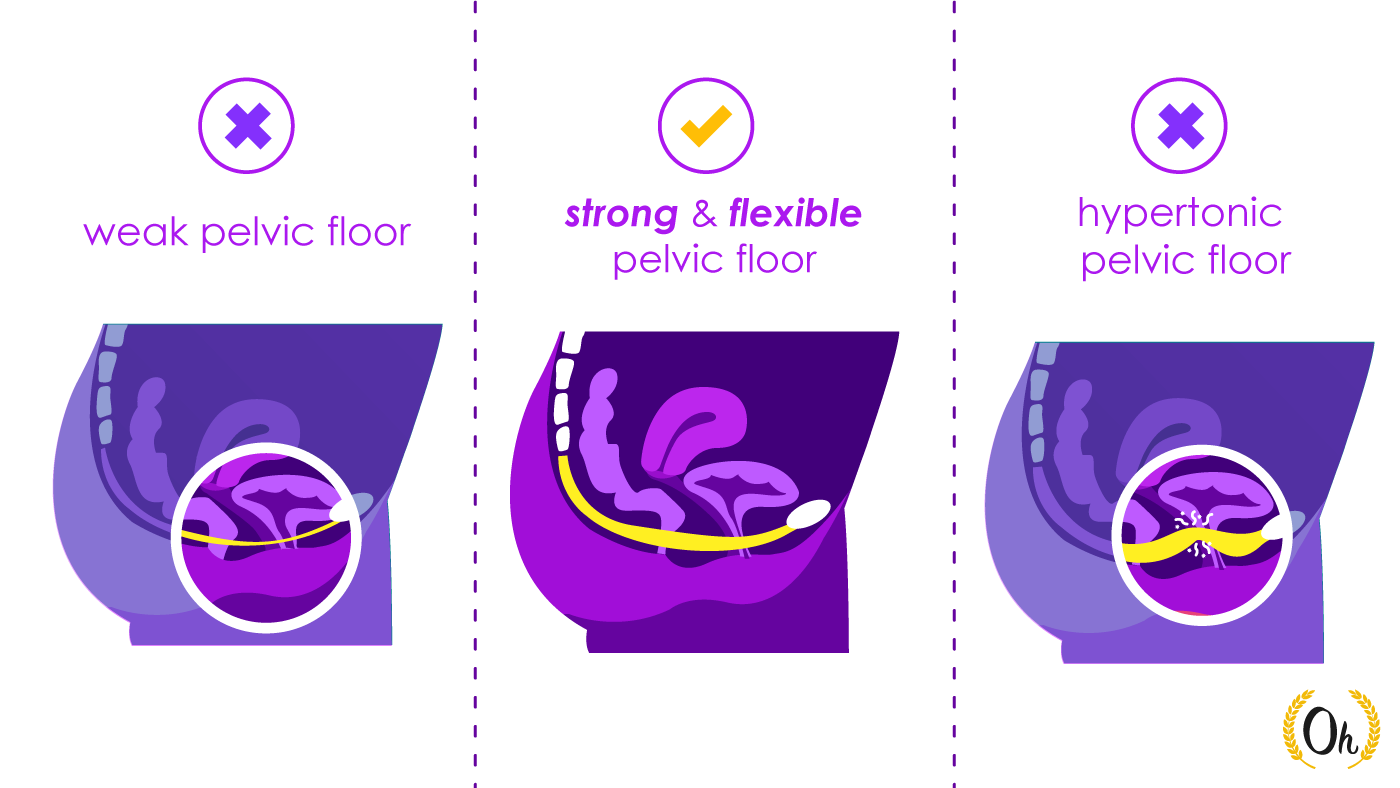
One of the lesser-known facts about vaginal tightness is that it's not a fixed trait. The vagina is a dynamic and adaptable organ that can change throughout a woman's life due to various factors such as childbirth, aging, and hormonal fluctuations. Moreover, vaginal tightness is not solely determined by the physical characteristics of the vagina, but also by the pelvic floor muscles that surround it. A strong and healthy pelvic floor can contribute to a more satisfying sex life and improved overall well-being.
Must Read
- Heart Of Mexico City Football: Pinpointing The Azteca Stadium Location
- Guadalajara Stadium Parking Guide: Avoid The Matchday Traffic
- Houston Stadium Bag Policy: Clear Bag Rules For Visitors
- Sofi Stadium Capacity: How Many Fans It Can Hold
- Reliant Stadium Parking: A Guide To The Old Name And Current Venue
From a psychological perspective, the obsession with vaginal tightness can be seen as a manifestation of deeper insecurities. The fear of being "loose" or not meeting societal standards can lead to anxiety and self-doubt, ultimately affecting a woman's self-worth and relationships. It's essential to recognize that vaginal tightness is not a defining characteristic of a woman's value or attractiveness. Cultural references to vaginal tightness, such as in music and film, often perpetuate unrealistic and harmful stereotypes, further contributing to the stigma surrounding this topic.
The cultural impact of vaginal tightness is a complex and multifaceted issue. In some societies, vaginal tightness is seen as a status symbol, with women undergoing expensive and often risky procedures to achieve the "perfect" vagina. In other cultures, the emphasis on vaginal tightness is linked to traditional gender roles and expectations of femininity. It's crucial to challenge these norms and promote a more inclusive and accepting attitude towards women's bodies and sexuality.
Real-Life Scenarios and Actionable Advice
For many women, the concern about vaginal tightness arises after childbirth or as they age. In these scenarios, it's essential to consult a healthcare professional for personalized advice and guidance. A qualified gynecologist or pelvic floor specialist can help women address any physical concerns and provide tailored recommendations for improving vaginal health and tightness. Additionally, Kegel exercises and pelvic floor physical therapy can be effective ways to strengthen the pelvic floor muscles and enhance overall vaginal health.

In some cases, women may experience vaginal laxity due to genetic factors, hormonal changes, or certain medical conditions. In these situations, it's crucial to seek medical attention and explore available treatment options. Vaginal rejuvenation procedures and non-invasive therapies can be effective in addressing vaginal laxity and improving vaginal tightness. However, it's essential to approach these options with caution and carefully consider the potential risks and benefits.
For women struggling with body image issues or low self-esteem related to vaginal tightness, it's vital to seek support from loved ones, therapists, or support groups. Positive affirmations and self-care practices can also help women develop a more positive and empowering relationship with their bodies. By fostering a culture of acceptance and inclusivity, we can work towards dismantling the stigma surrounding vaginal tightness and promoting a more healthy and fulfilling approach to female sexuality.
In conclusion, vaginal tightness is a complex and multifaceted issue that requires a comprehensive and nuanced approach. By addressing the physical, emotional, and psychological aspects of vaginal tightness, women can take control of their bodies and develop a more positive and empowered relationship with their sexuality. Whether through exercise, therapy, or self-care, there are many ways to promote vaginal health and well-being, and it's essential to prioritize women's health and happiness above societal expectations and beauty standards.
Frequently Asked Questions
What are the most common causes of vaginal laxity?
Vaginal laxity can be caused by a combination of factors, including childbirth, aging, and hormonal changes. During childbirth, the vaginal tissues and pelvic floor muscles can become stretched or damaged, leading to a loss of elasticity and tightness. As women age, the decline of estrogen levels can also contribute to vaginal laxity. Additionally, certain medical conditions, such as diabetes or neurological disorders, can affect the pelvic floor muscles and vaginal health.

To address vaginal laxity, it's essential to consult a healthcare professional for personalized advice and guidance. A qualified gynecologist or pelvic floor specialist can help women develop a tailored treatment plan, which may include Kegel exercises, pelvic floor physical therapy, or vaginal rejuvenation procedures. By addressing the underlying causes of vaginal laxity and promoting overall vaginal health, women can regain confidence and improve their quality of life.
How can I improve my vaginal tightness naturally?
Improving vaginal tightness naturally requires a comprehensive approach that incorporates lifestyle changes, exercise, and self-care practices. One of the most effective ways to improve vaginal tightness is through Kegel exercises, which can help strengthen the pelvic floor muscles and enhance vaginal elasticity. Additionally, pelvic floor physical therapy can provide women with personalized guidance and support to improve their pelvic floor health.
A healthy diet and regular exercise can also contribute to improved vaginal health and tightness. Foods rich in estrogen-boosting nutrients, such as soy and flaxseeds, can help support hormonal balance and vaginal health. Furthermore, stress-reducing techniques, such as meditation and yoga, can help women manage stress and promote overall well-being. By incorporating these natural approaches into their daily routine, women can improve their vaginal tightness and overall health.
What are the risks and benefits of vaginal rejuvenation procedures?
Vaginal rejuvenation procedures, such as labiaplasty or vaginoplasty, can be effective in addressing vaginal laxity and improving vaginal tightness. However, these procedures also carry potential risks and complications, such as infection, scarring, and adverse reactions to anesthesia. It's essential for women to carefully weigh the benefits and risks and consult with a qualified healthcare professional before undergoing any procedure.
Before opting for vaginal rejuvenation, women should also consider non-invasive alternatives, such as pelvic floor physical therapy or Kegel exercises. These approaches can be highly effective in improving vaginal tightness and overall pelvic floor health, without the risks and complications associated with surgical procedures. By prioritizing their health and well-being, women can make informed decisions about their vaginal health and choose the best course of treatment for their individual needs.
Can vaginal tightness affect my sex life?
Vaginal tightness can indeed affect a woman's sex life, as it can impact the quality and intimacy of sexual experiences. Women with vaginal laxity may experience reduced sensation or pleasure during sex, which can lead to discomfort or pain. Additionally, the psychological impact of vaginal laxity can also affect a woman's confidence and self-esteem, making it more challenging to engage in intimate relationships.
However, it's essential to remember that vaginal tightness is not the sole determinant of a fulfilling sex life. Communication, intimacy, and emotional connection with one's partner can play a much more significant role in determining sexual satisfaction. By addressing vaginal laxity and promoting overall vaginal health, women can regain confidence and improve their sex life. Furthermore, exploring alternative forms of intimacy and communication with their partner can help women develop a more fulfilling and satisfying sexual relationship.
How can I talk to my partner about my vaginal tightness concerns?
Talking to a partner about vaginal tightness concerns can be a challenging and sensitive topic. However, open and honest communication is essential for building trust and intimacy in any relationship. Women can start by expressing their feelings and concerns in a non-accusatory and non-judgmental way, avoiding blame or shame. It's also essential to listen to their partner's perspective and work together to find mutually satisfying solutions.
By approaching the conversation with empathy and understanding, women can create a safe and supportive environment to discuss their concerns. It's also important to reassure their partner that vaginal tightness is not a reflection of their attractiveness or worth as a partner. By fostering a culture of openness and acceptance, women can build a stronger and more intimate connection with their partner, and work together to address any concerns or issues related to vaginal tightness.
As we reflect on the complex and multifaceted issue of vaginal tightness, it's essential to recognize the profound impact it can have on women's lives. From the physical and emotional aspects to the cultural and psychological implications, vaginal tightness is a topic that requires a nuanced and compassionate approach. By promoting education, awareness, and acceptance, we can work towards dismantling the stigma surrounding vaginal tightness and fostering a more inclusive and supportive environment for women to discuss their concerns and priorities.
In our daily lives, the conversation around vaginal tightness can be a catalyst for deeper connections and more meaningful relationships. By emphasizing the importance of vaginal health and well-being, we can encourage women to take control of their bodies and develop a more positive and empowered relationship with their sexuality. Whether through self-care practices, exercise, or therapy, there are many ways to promote vaginal health and well-being, and it's essential to prioritize women's health and happiness above societal expectations and beauty standards.
Ultimately, the topic of vaginal tightness serves as a reminder of the importance of human connection and intimacy. By embracing our vulnerabilities and imperfections, we can build stronger, more authentic relationships and foster a more compassionate and supportive community. As we continue to navigate the complexities of vaginal tightness, let us approach the conversation with empathy, understanding, and an unwavering commitment to promoting women's health and well-being.