How Do You Know If You Owe On Taxes

Let’s be honest: the word “taxes” usually makes people groan louder than a cat in a bathtub. But figuring out if you owe money? That’s a mystery you can actually solve without a magnifying glass. Think of it as a treasure hunt—except the treasure might be a bill, and the map is your W-2.
First, ask yourself the golden question: did your employer already take money out of your paycheck? If you’re a regular employee, your boss withholds a chunk for Uncle Sam. That’s your “pre-paid” tax tab. If that pre-paid amount is more than what you actually owe, congrats—you’re getting a refund. If it’s less, you owe the difference. Simple, right? Wrong. There’s a twist.
The Freelance Trapdoor
If you earn money from side gigs—dog walking, selling candles online, or that “consulting” you do for your aunt—nobody withholds taxes for you. You’re the boss, the accountant, and the tax collector all in one. That means you likely owe, especially if you made more than $400. Fun fact: the IRS considers a hobby a business once it makes a profit. So yes, your macramé plant hangers are officially a “venture.”
Must Read
Here’s a quirky nugget: many people think a refund means you “won” at taxes. In reality, it means you gave the government an interest-free loan. You’re not winning; you’re just getting your own money back, minus inflation. Meanwhile, if you owe, you’re actually using that cash all year—then paying up later. Who’s the real genius now?
The Income Threshold Clues
Your filing status matters more than your horoscope. Single? You owe if your income tops $13,850 in 2023. Married filing jointly? That jumps to $27,700. But those are just the standard deduction numbers—go above them, and you’re in taxable territory. If you’re a dependent, like a student with a summer job, you might owe if you earned over $1,250 in unearned income (like dividends). Yes, your savings account interest can be a snitch.
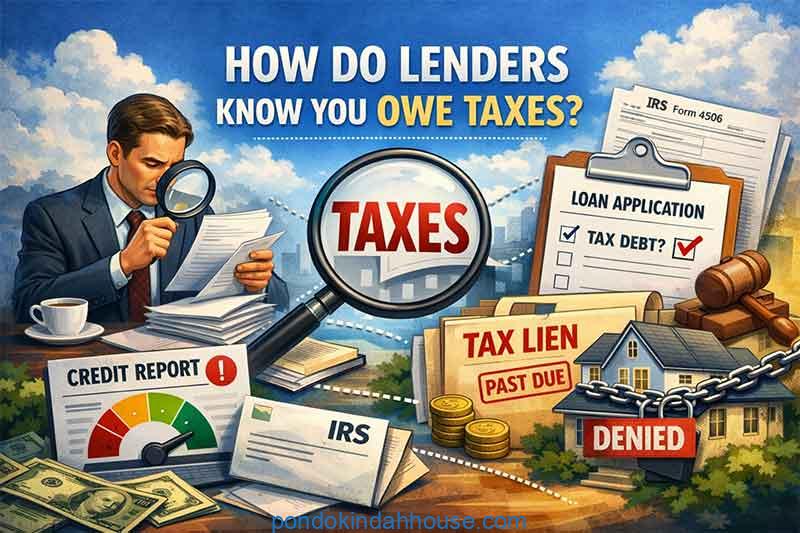
Another big clue: capital gains. Did you sell a stock, Bitcoin, or a vintage guitar for more than you paid? That profit is taxable—even if you spent it immediately on pizza. The IRS calls this “realized gains.” They don’t care if you’re a day trader or a garage-sale flipper. Profit is profit, baby.
The “Owe or Not” Checklist
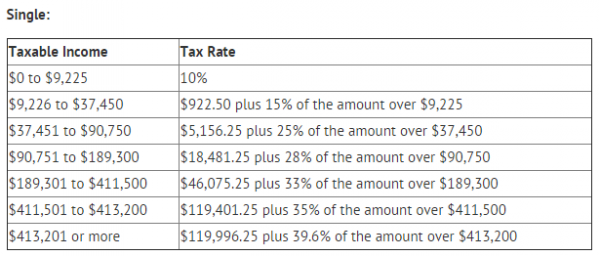
Still guessing? Run through this quick checklist. One: add up all income—job, side hustles, interest, crypto. Two: subtract your standard deduction. Three: calculate your tax bracket (hint: it’s not your whole income, just the top slice). Four: compare that number to what was already withheld. If your “tax due” is bigger, you owe. If not, you’re due a refund.
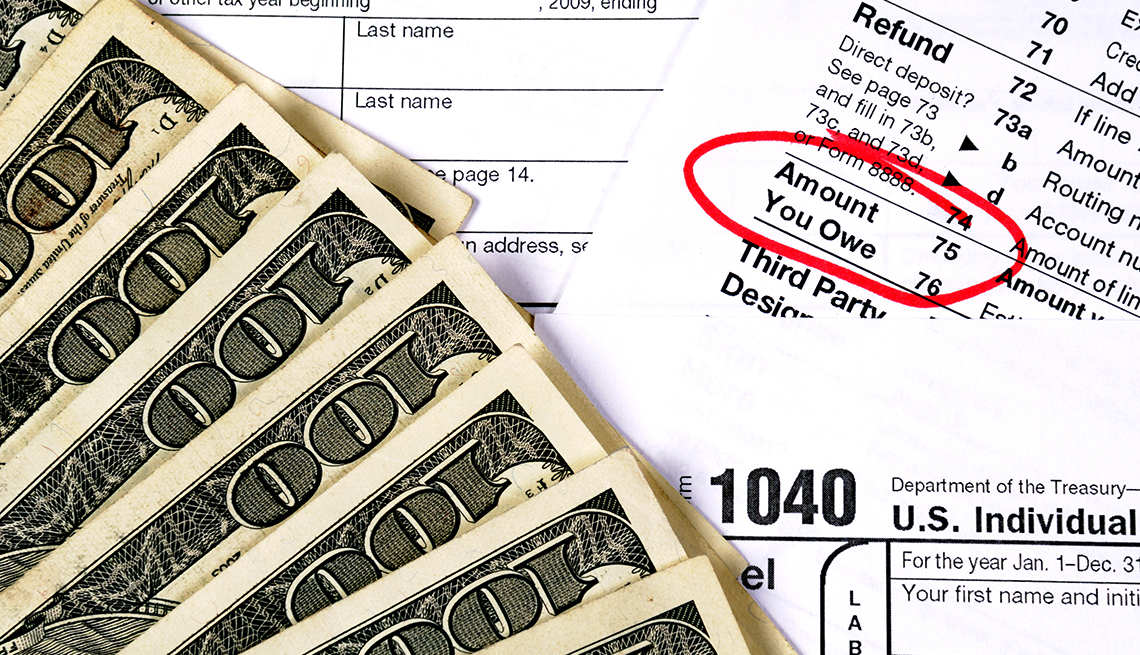
But here’s the fun part: the IRS has a 90% rule. You’re safe from penalties if you’ve paid at least 90% of this year’s tax bill—or 100% of last year’s bill, whichever is smaller. It’s like a “good enough” attendance award for adults. Miss that, and you’ll pay a tiny penalty—but it’s still worse than a late movie fee.
One last juicy detail: you might think “zero” is safe. Nope. If you’re self-employed and owe over $1,000, you have to pay quarterly estimated taxes. Forget that, and the IRS adds interest—like a credit card, but with more paperwork. The real kicker? Most people figure out they owe only when they hit “File” on April 15th. Don’t be that person. Do a quick math check now, and you’ll either plan a celebration dinner or a small panic—but at least you’ll know.