How Do You Keep Your Employees Motivated
The concept of employee motivation has been a cornerstone of successful businesses for centuries. The ancient Greeks and Romans understood the importance of motivating their workers, often using a combination of rewards and punishments to drive productivity. As civilizations evolved, so did the approaches to motivation. In the Industrial Revolution, factory owners began to recognize the value of a motivated workforce, implementing measures such as piecework payment systems to incentivize employees. The early 20th century saw the rise of Taylorism, which focused on scientific management and efficiency, but often neglected the human aspect of motivation.
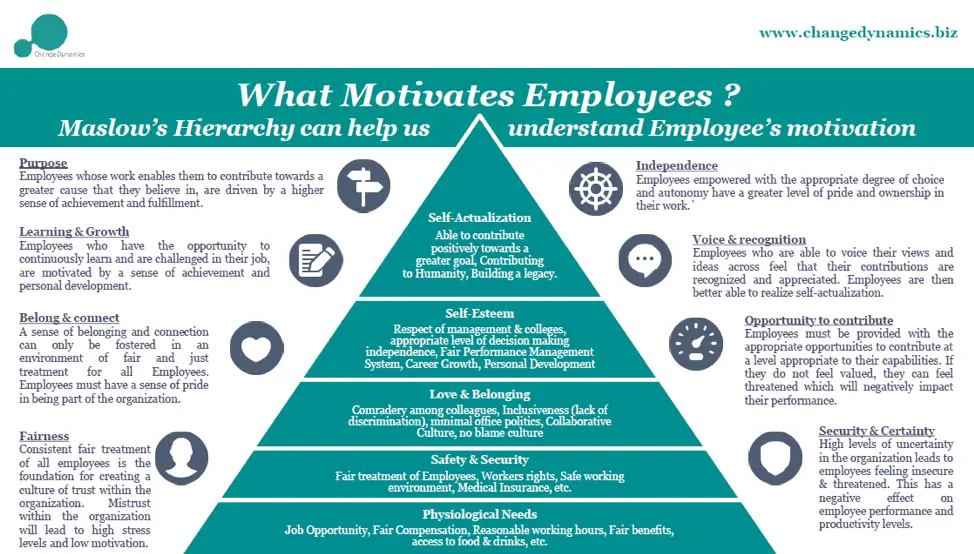
However, it wasn't until the 1950s and 1960s that the modern concept of employee motivation began to take shape. Abraham Maslow's Hierarchy of Needs and Frederick Herzberg's Two-Factor Theory revolutionized the way businesses thought about motivation. These pioneers recognized that employees had complex needs and desires that went beyond mere financial reward. The 1970s and 1980s saw the emergence of participative management and total quality management, which emphasized employee involvement and empowerment. As the digital age dawned, businesses began to explore new ways to motivate employees, from flexible work arrangements to gamification and wellness programs.
Despite these advances, employee motivation remains a pressing concern for businesses today. With the rise of the gig economy and remote work, traditional motivational strategies are being turned on their head. The 2020s have seen a surge in interest in hybrid work models and personalized employee experiences. As we look to the future, it's clear that the concept of employee motivation will continue to evolve, driven by technological innovation and shifting societal values. The question is, what will be the key drivers of motivation in the decades to come?
Must Read
The Evolution of Employee Motivation
The history of employee motivation is marked by a series of transformations, each reflecting the cultural, economic, and technological context of its time. In the 19th century, motivation was often driven by paternalism, with employers providing workers with housing, food, and other necessities in exchange for loyalty and hard work. The early 20th century saw the rise of scientific management, which focused on efficiency and productivity, but often neglected the human aspect of motivation. The post-war period saw a shift towards human relations, with businesses recognizing the importance of employee satisfaction and engagement.
One of the most significant transformations in employee motivation came with the 1980s and the emergence of Japanese management techniques. The Toyota Production System and kanban revolutionized manufacturing, emphasizing continuous improvement and employee involvement. The 1990s saw the rise of knowledge management and learning organizations, which recognized the value of employee knowledge and expertise. Today, businesses are exploring new approaches, from design thinking to agile methodologies, to drive innovation and motivation.
Despite these advances, there are still many forgotten vintage facts and bizarre ways that employee motivation was treated in previous decades. For example, in the 1950s, some companies used psychological testing to select employees, while others relied on astrology to determine job assignments. The 1970s saw the emergence of encounter groups and sensitivity training, which aimed to improve employee relationships and communication. These approaches may seem quaint or even bizarre by today's standards, but they reflect the ongoing quest to understand and motivate employees.
The 1990s and 2000s saw a surge in interest in employee engagement and corporate social responsibility. Businesses began to recognize the importance of creating a positive work environment and contributing to the broader community. The 2010s saw the emergence of big data and people analytics, which enabled businesses to track and analyze employee performance and motivation like never before. Today, we are seeing a new wave of innovation, from artificial intelligence to virtual reality, which promises to revolutionize the way we motivate and engage employees.
Modernizing Classic Principles
While the principles of employee motivation remain the same, the way we apply them is changing rapidly. Classic principles such as recognition, reward, and growth are being hacked and modernized for today's fast-paced world. For example, gamification and social recognition platforms are being used to drive engagement and motivation. Personalized learning and development programs are helping employees acquire new skills and advance in their careers. The future of work will be shaped by technologies like AI and blockchain, which will enable new forms of decentralized and autonomous work.

Another key trend is the shift towards experiential and immersive motivation. Businesses are using virtual reality and augmented reality to create engaging and interactive experiences that drive motivation and learning. Wellness programs and mindfulness initiatives are helping employees manage stress and improve their overall well-being. The 2020s will see a growing focus on sustainable and responsible business practices, which will require employees to be motivated by a sense of purpose and meaning.
Frequently Asked Questions
What is the most effective way to motivate employees?
The most effective way to motivate employees is to understand their individual needs and desires. Abraham Maslow's Hierarchy of Needs provides a useful framework for understanding the different levels of human need, from basic physiological needs to self-actualization. By recognizing and addressing these needs, businesses can create a motivating work environment that drives engagement and productivity. For example, Google is famous for its 20% time policy, which allows employees to dedicate 20% of their work time to side projects and passion projects. This approach has led to numerous innovations and has helped to motivate employees to think creatively and take risks.
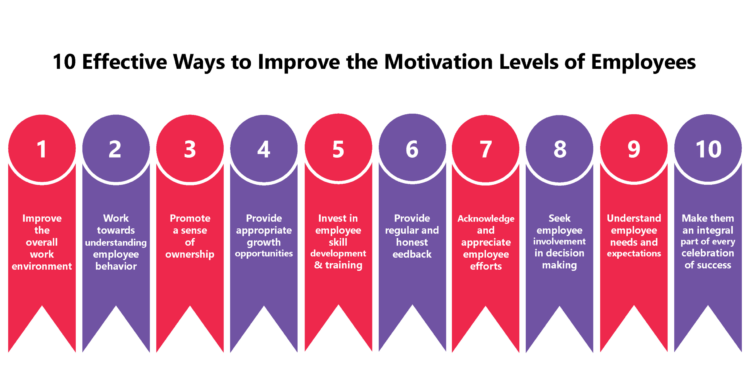
In addition to understanding individual needs, businesses can use a range of motivational techniques to drive engagement. These include recognition and reward programs, opportunities for growth and development, and autonomy and flexibility. The key is to create a motivating work environment that is tailored to the needs and desires of each employee. By doing so, businesses can unlock the full potential of their workforce and drive success in a rapidly changing world.
How can businesses measure and track employee motivation?
Measuring and tracking employee motivation is crucial for businesses that want to create a motivating work environment. There are a range of metrics and tools available, from employee engagement surveys to people analytics platforms. These tools can help businesses track key indicators such as job satisfaction, intent to stay, and productivity. By analyzing these metrics, businesses can identify areas for improvement and develop targeted strategies to boost motivation and engagement.
One of the most effective ways to measure employee motivation is through regular feedback and check-ins. This can be done through one-on-one meetings, team meetings, or anonymous feedback platforms. By listening to employees and understanding their concerns and ideas, businesses can create a culture of open communication and transparency. This, in turn, can help to drive motivation and engagement, as employees feel heard and valued. The 2020s will see a growing focus on real-time feedback and continuous performance management, which will enable businesses to respond quickly to changing employee needs and motivations.
What role will technology play in motivating employees in the future?
Technology will play a vital role in motivating employees in the future. Artificial intelligence, machine learning, and data analytics will enable businesses to personalize and optimize the employee experience. Virtual reality and augmented reality will create immersive and engaging experiences that drive motivation and learning. The Internet of Things (IoT) will enable businesses to create smart workplaces that are tailored to the needs and preferences of each employee.
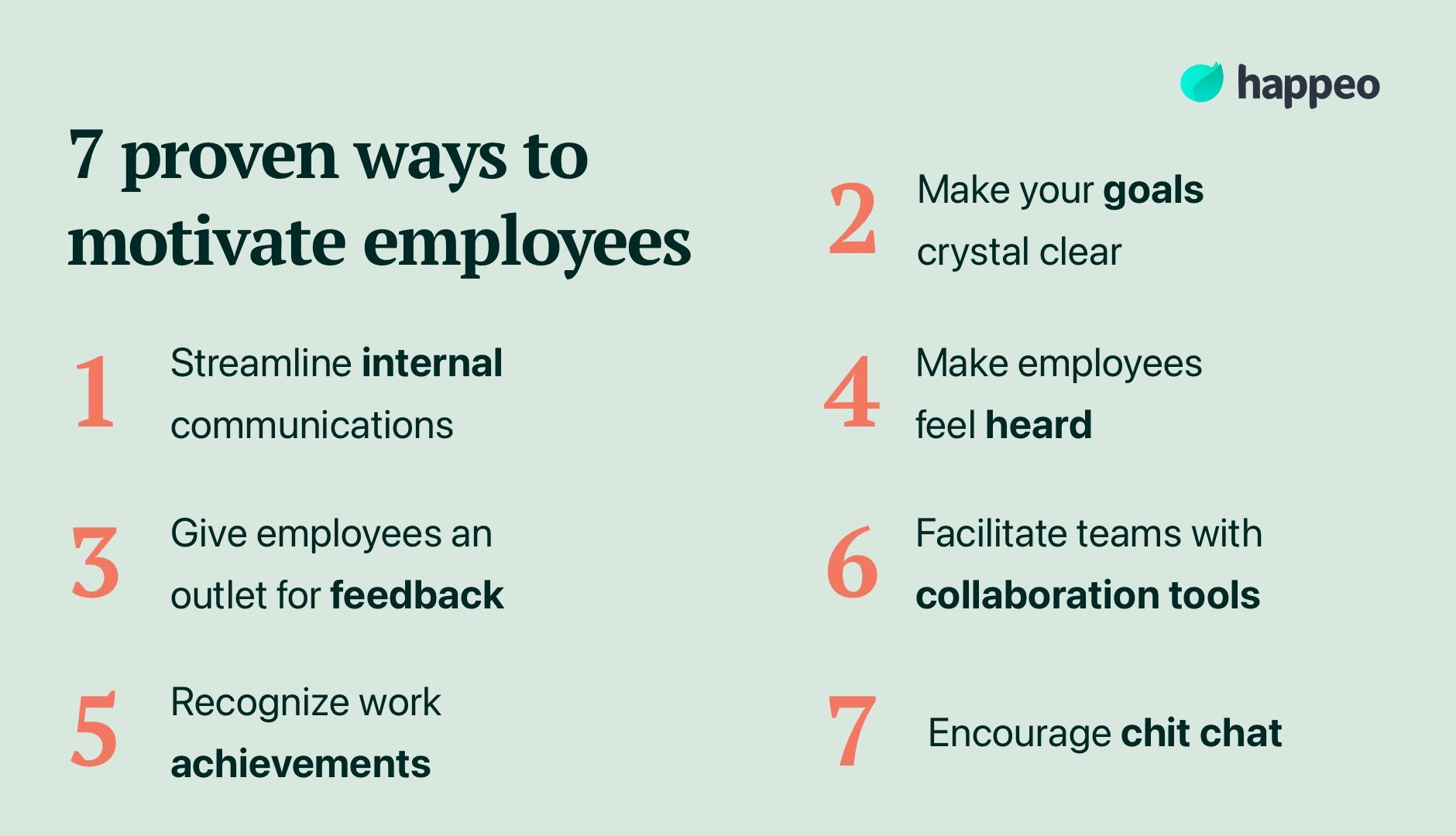
In addition to these technologies, the 2020s will see a growing focus on human-centered design and employee experience platforms. These platforms will use AI and machine learning to create personalized experiences that drive motivation and engagement. For example, chatbots and virtual assistants will provide employees with real-time support and guidance, while predictive analytics will help businesses anticipate and respond to changing employee needs. By leveraging these technologies, businesses can create a motivating work environment that is tailored to the needs and desires of each employee.
As we look to the future, it's clear that employee motivation will continue to evolve and adapt to changing technological, economic, and societal trends. The next 20 years will see a growing focus on sustainable and responsible business practices, which will require employees to be motivated by a sense of purpose and meaning. The rise of the gig economy and remote work will require businesses to rethink their approach to motivation, using technologies like virtual reality and social recognition platforms to drive engagement and motivation.
Ultimately, the key to motivating employees in the future will be to create a work environment that is tailored to the needs and desires of each individual. By using data analytics and people analytics to understand employee needs, and by leveraging technologies like AI and virtual reality to create immersive and engaging experiences, businesses can drive motivation and engagement in a rapidly changing world. The 2020s will be a decade of transformation and innovation, and businesses that prioritize employee motivation and well-being will be best placed to succeed in a future that is increasingly uncertain and complex.