How Do You Get Paid For Your Music
Picture this: you’ve just finished a track that gave you chills in the studio. You hit export, post it to your socials, and… then what? The romanticized version of a musician’s life rarely includes the gritty, confusing reality of actually getting paid for your art.
But here’s the good news: the modern music economy is less like a locked vault and more like a sprawling farmers’ market. There are multiple stalls where you can sell your goods, and you don’t have to be a global superstar to fill your basket.
The Streaming Enigma
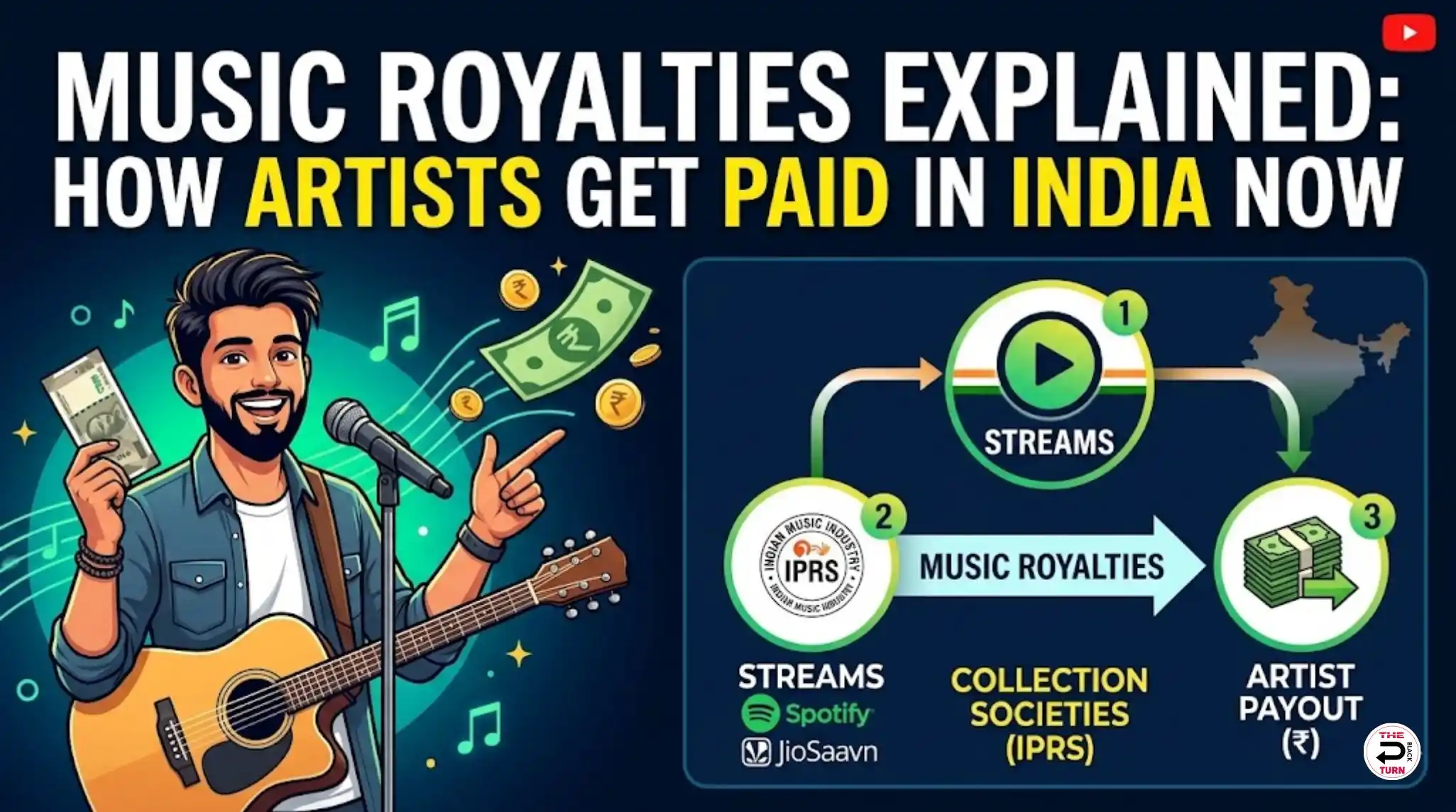
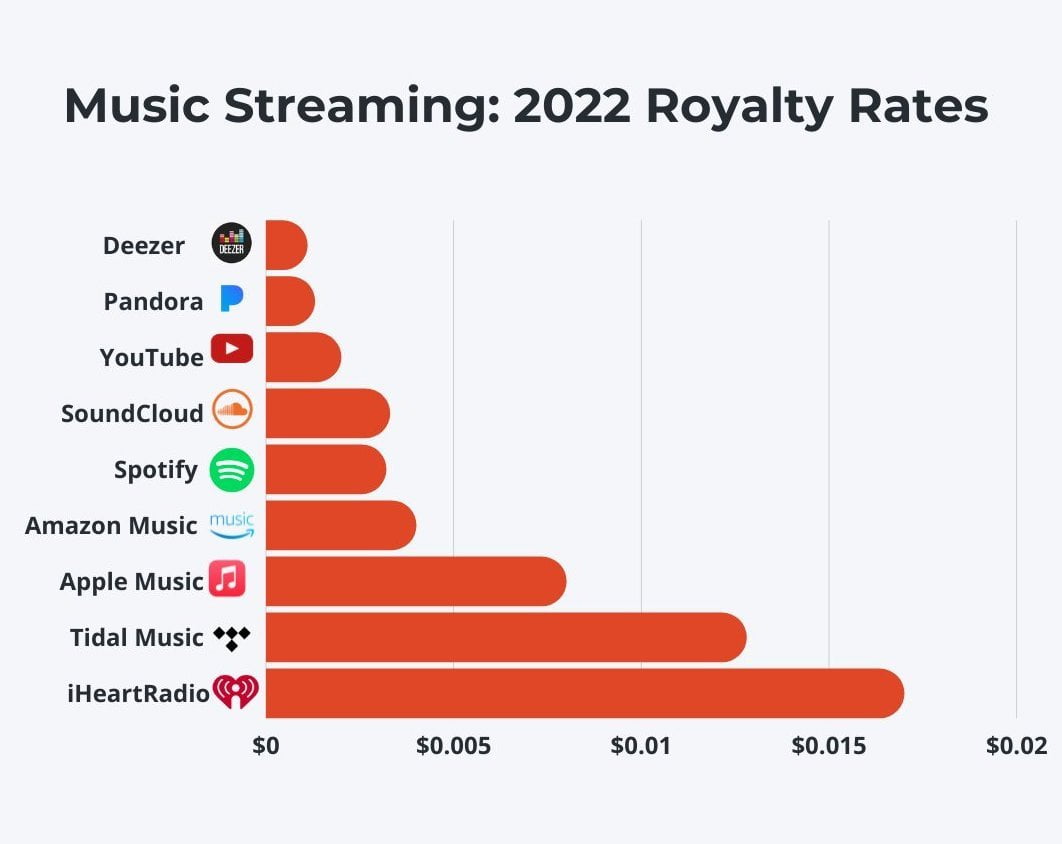
Let’s tackle the elephant in the room: Spotify, Apple Music, and the like. Yes, the per-stream rate is notoriously tiny—think fractions of a penny—but it’s not the only game in town. Think of streaming as shelf space in a giant digital supermarket; it’s about visibility, not immediate wealth.
Must Read
To make real money here, you need volume. A track with a few hundred thousand streams across a catalog can actually buy you a decent dinner—or a month of rent, depending on your city. The secret sauce is playlisting, so pitch your tracks to independent curators who actually care about your genre.
Live Shows & The Merch Table
If streaming is the appetizer, live performance is the main course. Your performance fee—whether it’s a club gig, a wedding, or a festival slot—is your most predictable income stream. This is where you negotiate like a pro; never accept exposure as payment if the venue has a liquor license.
And then there’s the sacred ritual of the merch table. Vinyl, t-shirts, tote bags, and even USB drives with unreleased demos are where the margins live. Fun fact: the average fan spends $20 to $40 at a show beyond the ticket price, but only if you ask them to! A simple “grab a shirt, they’re limited” works wonders.
Sync Licensing: The Quiet Goldmine
You know that feeling when a TV show perfectly captures a scene with a song? That’s sync licensing, and it’s the coolest way to get paid without touring. Brands, Netflix, and even video game studios pay anywhere from a few hundred to tens of thousands of dollars for the right to use your track.
Don’t wait for a call from a big agency; platforms like Music Vine or Artlist let you upload tracks specifically for this purpose. Pro-tip: instrumental versions of your songs are twice as likely to get picked because they’re easier to edit around dialogue. Make sure you own all your publishing rights before you sign up, or you might be splitting that check with someone you don’t like.
Direct-to-Fan & The Power of Patreon
Here’s where the modern magic happens. Platforms like Bandcamp and Patreon allow your most dedicated listeners to pay you directly. This isn’t charity; it’s a subscription to your creative process—early access, exclusive B-sides, or even a monthly Zoom hangout.
Think of it like having a personal radio station that only your biggest fans tune into. A fan who pays you $5 a month might seem small, but if you get 100 of them, that’s $500 a month just to exist as an artist. It’s the most sustainable way to build a career that doesn’t rely on algorithmic luck.

The Money Isn't in the Music; It's in the Movement
Let’s be honest: the old model of “record song, sell song, repeat” is dead. Today, you get paid for your ecosystem. Your live improvisations, your tutorial videos, your playlists that feature other artists—all of it builds a brand that can attract sponsorships or crowdfunding.
Consider the cultural reference of Prince, who famously fought for ownership of his masters. His lesson wasn’t just about legal rights; it was about knowing every avenue where your creativity touches money. You don’t need to be a legend, but you do need to be a business savvy explorer.
A Quick Checklist for the Weekend Warrior
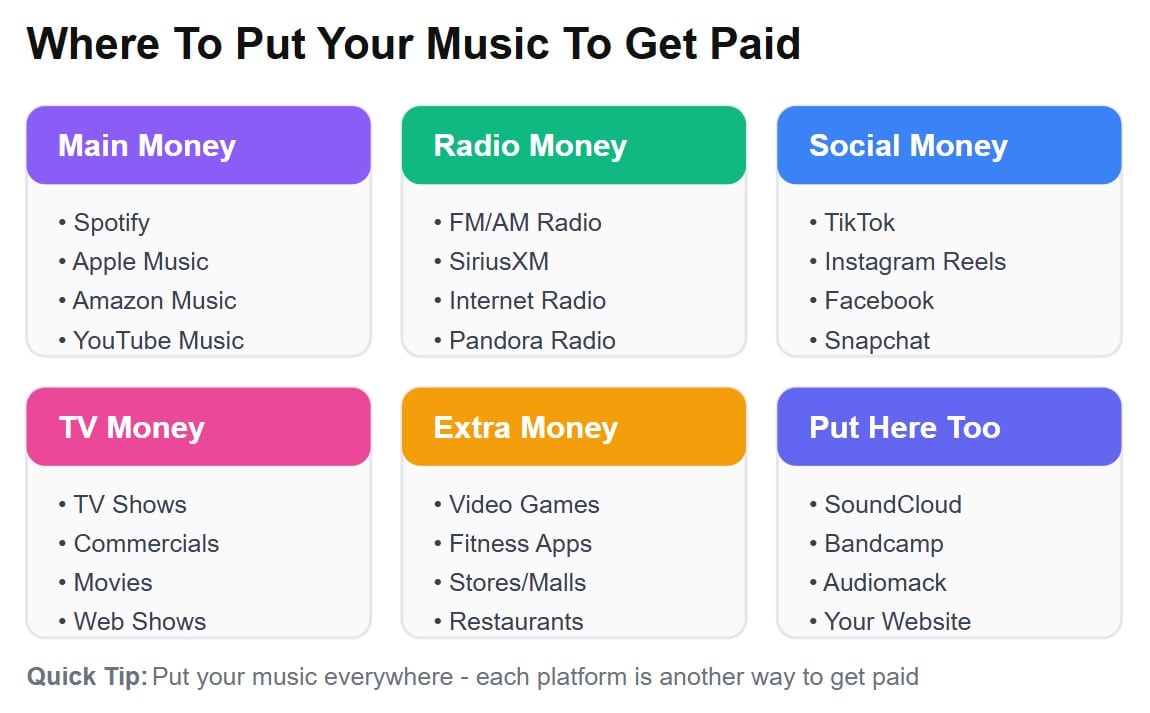
Start small: split your income into three jars—streaming, live, and direct. If one jar is empty, focus your energy there. Don’t spread yourself too thin trying to monetize every platform; pick one that aligns with your natural content style.
Also, remember taxes exist! Set aside 20% of every check for your future self, because nothing kills a creative buzz like an unexpected April bill. And always, always read the fine print before signing a distribution deal.
The Final Reflection
At the end of the day, getting paid for your music is a lot like tending a garden. You don’t just plant one seed and expect a forest; you water multiple plots—a bit of streaming, a bit of live, a bit of merch—and trust the seasons.
And here’s the beautiful thing: the process of diversifying your income actually makes you a more creative person. You write catchier hooks for playlists, you craft better stage banter, and you design cooler merch. So, the next time you feel overwhelmed by the economics of it all, remember: every dollar you earn is a vote of confidence that your weird, beautiful art has a place in this world. Now go turn that passion into your paycheck—one stream, one show, and one t-shirt at a time.