How Do Women Shave Their Pubic Hair

The practice of shaving pubic hair is a common personal grooming habit among many women. However, it's essential to understand the science behind it to optimize the process and minimize potential side effects. Epilation, the removal of hair from the root, can be achieved through various methods, including shaving, waxing, and depilatory creams. Shaving is the most popular method due to its convenience and ease of use.
From a biological perspective, hair growth is influenced by hormonal fluctuations, genetics, and overall health. The anagen phase, during which hair grows, can last anywhere from 2-6 months, followed by a telogen phase where the hair prepares to shed. Understanding these phases can help women plan their hair removal routine more effectively. Moreover, the skin's natural pH balance and moisturization levels play a crucial role in maintaining healthy skin, especially in sensitive areas like the pubic region.
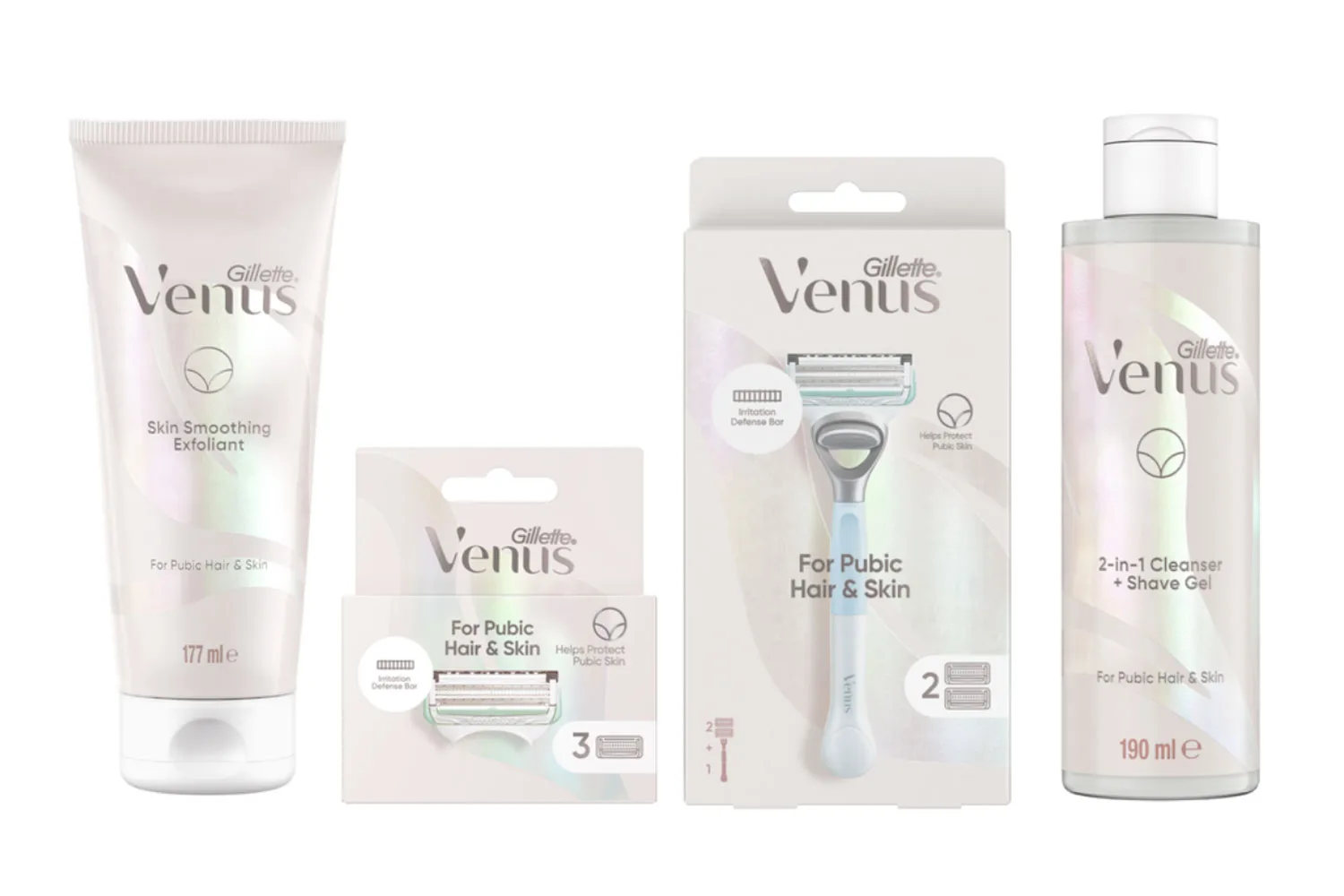
The tools and techniques used for shaving pubic hair can significantly impact the outcome. Razor choice, shaving cream or gel, and exfoliation methods all contribute to a comfortable and effective shaving experience. For instance, using a sharp razor with a comfortable handle can reduce the risk of cuts and ingrown hairs. Additionally, exfoliating the skin before shaving can help prevent ingrown hairs and improve overall skin appearance.
Must Read
- Heart Of Mexico City Football: Pinpointing The Azteca Stadium Location
- Guadalajara Stadium Parking Guide: Avoid The Matchday Traffic
- Houston Stadium Bag Policy: Clear Bag Rules For Visitors
- Sofi Stadium Capacity: How Many Fans It Can Hold
- Reliant Stadium Parking: A Guide To The Old Name And Current Venue
Understanding the Biology of Pubic Hair
The pubic region is home to a unique type of hair called terminal hair, which is thicker and coarser than other body hair. This type of hair is influenced by androgen hormones, such as testosterone, which can affect hair growth patterns. Women with higher levels of androgens may experience hirsutism, characterized by excessive hair growth in areas like the face, chest, and back. On the other hand, estrogen can promote hair growth in the pubic area, but also contribute to hair thinning or alopecia in some cases.
Furthermore, the microbiome of the pubic region plays a crucial role in maintaining healthy skin and preventing infections. The balance of bacteria and pH levels can be disrupted by shaving, leading to irritation, redness, and ingrown hairs. To mitigate these effects, women can use gentle cleansers, moisturizers, and exfoliants specifically designed for the pubic area.
Another essential aspect to consider is the anatomy of the pubic region. The skin in this area is thinner and more sensitive than other parts of the body, making it more prone to irritation and cuts. The labia majora and labia minora also have a unique structure, with sebaceous glands and sweat glands that can be affected by shaving. Understanding the anatomy of the pubic region can help women navigate shaving with more confidence and care.

Mastering the Art of Shaving Pubic Hair
To achieve a smooth and comfortable shaving experience, women can follow a few key steps. First, exfoliate the skin using a gentle scrub or a chemical exfoliant containing alpha-hydroxy acids (AHAs) or beta-hydroxy acids (BHAs). This helps remove dead skin cells and prevent ingrown hairs. Next, trim the hair using scissors or a trimmer to reduce the length and make shaving easier.
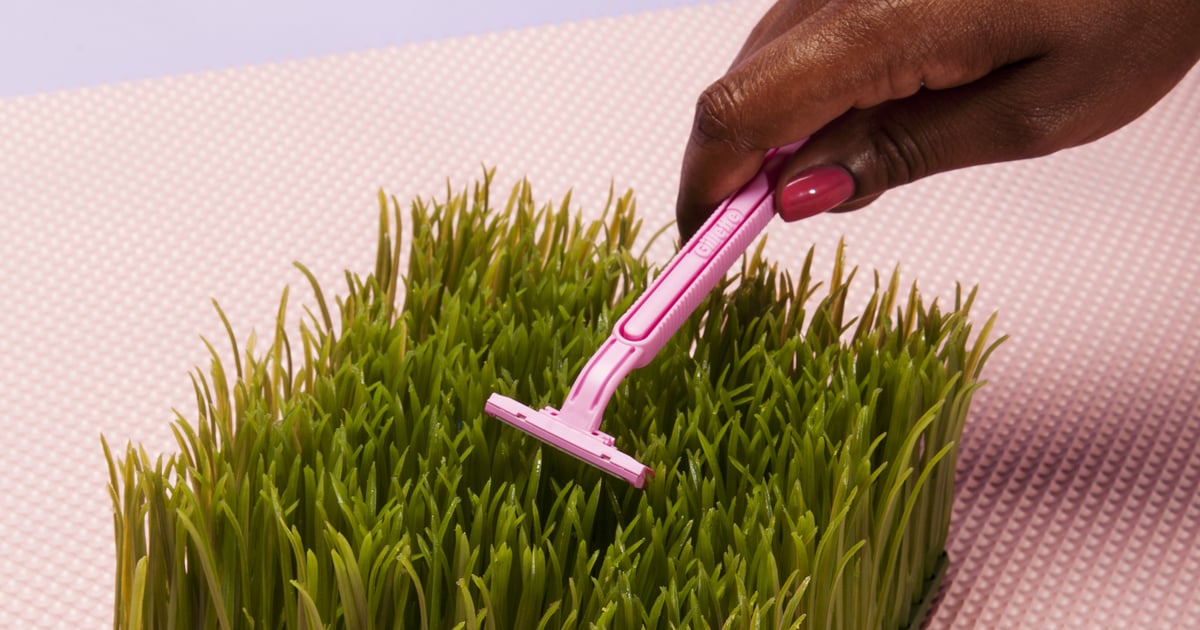
When shaving, use a sharp razor with a comfortable handle and a shaving cream or gel that suits your skin type. Shave in the direction of hair growth to minimize the risk of cuts and ingrown hairs. After shaving, moisturize the skin to soothe and hydrate the area. Regular exfoliation and moisturization can also help prevent ingrown hairs and maintain healthy skin.
In addition to these steps, women can also use depilatory creams or waxing as alternative hair removal methods. Depilatory creams dissolve the hair at the surface of the skin, while waxing removes the hair from the root. These methods can be more effective for longer periods but may require more time and effort.
Another crucial aspect is hygiene and cleanliness. Women should wash their hands before and after shaving, and clean the razor regularly to prevent the spread of bacteria and infections. By following these tips and being mindful of their skin and hair type, women can master the art of shaving pubic hair and maintain healthy, smooth skin.

Frequently Asked Questions
How often should I shave my pubic hair?
The frequency of shaving pubic hair depends on individual hair growth rates and personal preferences. Some women may need to shave every few days, while others can go longer between shaves. It's essential to listen to your body and adjust your shaving routine accordingly. Additionally, exfoliating regularly can help prevent ingrown hairs and maintain healthy skin, regardless of how often you shave.
However, it's also important to consider the risks associated with frequent shaving, such as irritation, cuts, and ingrown hairs. To minimize these risks, women can use gentle shaving creams, sharp razors, and exfoliate regularly. By finding a balance between shaving frequency and skin care, women can maintain healthy, smooth skin and reduce the risk of complications.
What are the best products to use for shaving pubic hair?
The best products for shaving pubic hair are those that prioritize gentleness, moisturization, and exfoliation. Women can look for shaving creams or gels that contain soothing ingredients like aloe vera or tea tree oil. Additionally, exfoliants containing alpha-hydroxy acids (AHAs) or beta-hydroxy acids (BHAs) can help remove dead skin cells and prevent ingrown hairs.
When choosing products, women should also consider their skin type and hair type. For example, those with sensitive skin may prefer fragrance-free or

Can I use the same razor for shaving pubic hair and other areas of my body?
It's generally recommended to use a dedicated razor for shaving pubic hair to prevent the spread of bacteria and infections. Using the same razor for multiple areas of the body can transfer bacteria and cause irritation or infections. However, if you do choose to use the same razor, make sure to clean and disinfect it regularly to minimize the risk of complications.
Additionally, women should consider the blade type and razor design when choosing a razor for shaving pubic hair. A sharp razor with a comfortable handle can help reduce the risk of cuts and ingrown hairs. Some razors also come with built-in exfoliants or trimming guides that can help optimize the shaving experience.
How can I prevent ingrown hairs when shaving pubic hair?
Preventing ingrown hairs requires a combination of exfoliation, moisturization, and proper shaving techniques. Women can exfoliate regularly using a gentle scrub or a chemical exfoliant containing alpha-hydroxy acids (AHAs) or beta-hydroxy acids (BHAs). This helps remove dead skin cells and prevent ingrown hairs.
When shaving, women should shave in the direction of hair growth to minimize the risk of cuts and ingrown hairs. After shaving, moisturize the skin to soothe and hydrate the area. Regular exfoliation and moisturization can also help prevent ingrown hairs and maintain healthy skin. Additionally, women can consider using depilatory creams or waxing as alternative hair removal methods that may be less likely to cause ingrown hairs.
Can I shave my pubic hair if I have sensitive skin?
Women with sensitive skin can still shave their pubic hair, but they may need to take extra precautions to minimize irritation and discomfort. Using a gentle shaving cream or gel and a sharp razor can help reduce the risk of cuts and ingrown hairs. Additionally, exfoliating regularly and moisturizing the skin can help soothe and calm the area.
Women with sensitive skin may also want to consider alternative hair removal methods, such as depilatory creams or waxing, which may be less likely to cause irritation. However, it's essential to patch test any new products or methods to ensure they don't cause any adverse reactions. By taking the necessary precautions and being mindful of their skin type, women with sensitive skin can still maintain healthy, smooth skin in the pubic area.
By understanding the science behind shaving pubic hair and taking a pragmatic approach to hair removal, women can optimize their routine and minimize potential side effects. Respecting the biology and anatomy of the pubic region is crucial for maintaining healthy skin and preventing complications. By being informed and empowered, women can make choices that best suit their individual needs and preferences.
In conclusion, shaving pubic hair is a personal choice that requires attention to detail and a willingness to learn about the underlying science. By mastering the art of shaving and being mindful of their skin and hair type, women can achieve smooth, healthy skin and boost their confidence. Whether you choose to shave, wax, or use depilatory creams, the key is to find a method that works for you and your unique needs. With the right knowledge and techniques, women can take control of their hair removal routine and feel empowered to make choices that promote their overall health and well-being.