How Do I Trade Options On Fidelity
So, you want to trade options on Fidelity? Buckle up, because we’re about to turn your boring brokerage app into a casino for grown-ups. It’s not as scary as it sounds, but it does come with a permission slip. Think of it like getting a license to drive a very fast, occasionally on-fire, car.
Step One: Beg for Permission (Literally)
First, you can’t just waltz in and start buying calls. Fidelity needs to know you’re not a complete maniac. You’ll have to fill out an options application that asks about your income, experience, and risk tolerance. It’s like a dating profile, but for your money.
Be honest, or they’ll laugh at you. If you say you’re a “retired billionaire with 40 years of experience,” they might grant you Level 3 instantly. But if you’re a broke college student, you might get stuck with the baby level. That’s Level 1, which only lets you do covered calls. Yawn.
Must Read
The “Basic” Level is a Joke
Level 1 is so boring; it’s like being handed a calculator at a rocket launch. You need Level 2 to buy calls and puts outright. That’s where the fun (and danger) begins. Fidelity will ask you to read a bunch of legal jargon about “risk disclosures.” Just scroll and click “agree.” We both know you’re not reading that.
Finding the Magic Button
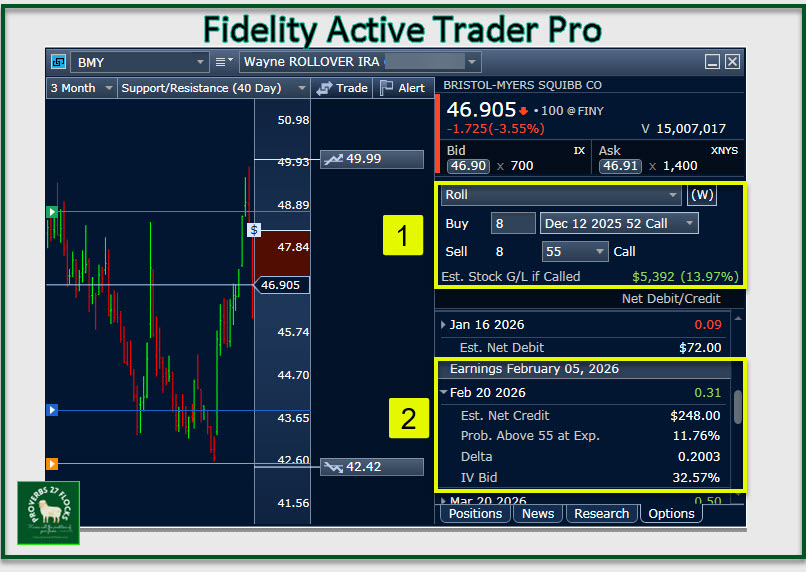
Once approved, the real hunt begins. Log into Fidelity’s website, not the app, because the app is like trying to find a needle in a haystack. Look for “Trade” and then “Options.” It’s hidden behind a digital curtain, I swear. On the mobile app, it feels like they’re ashamed of options trading. But it’s there.
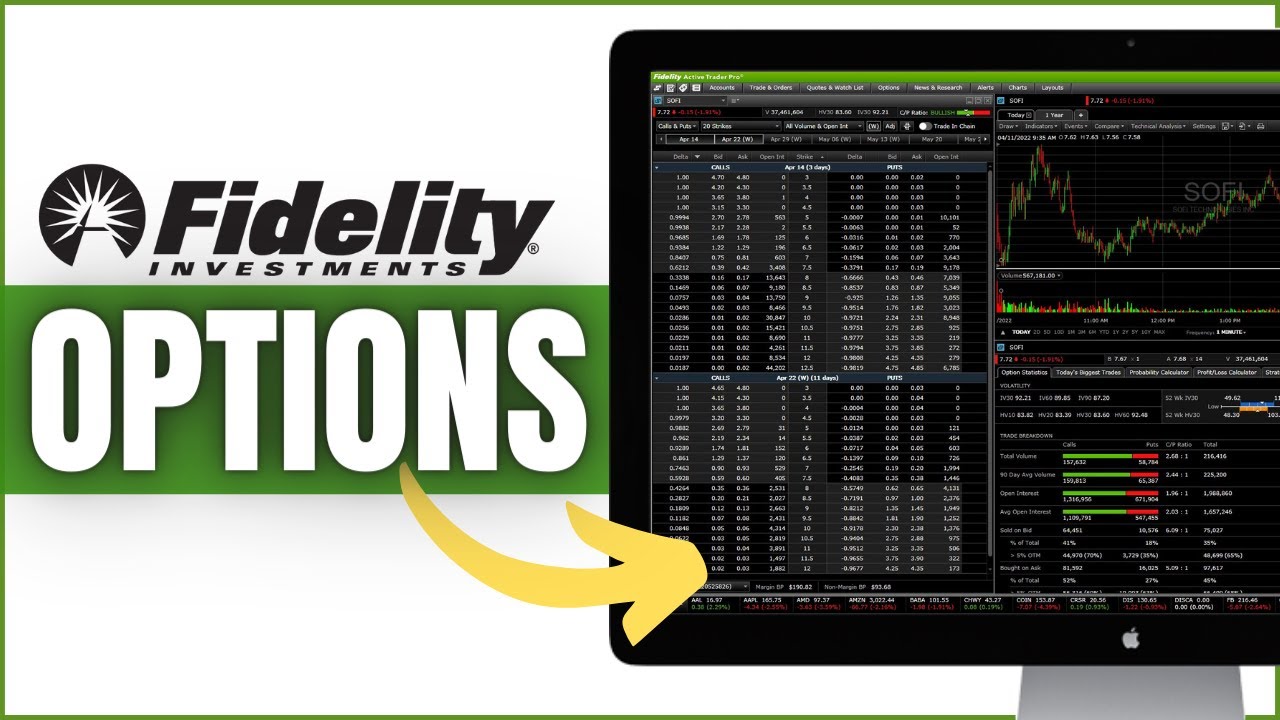
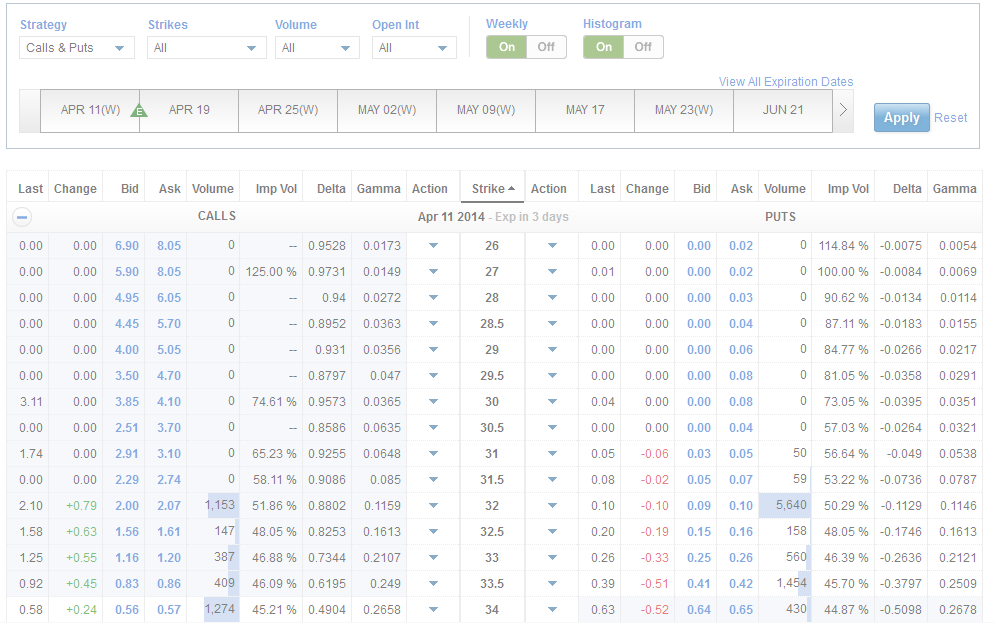
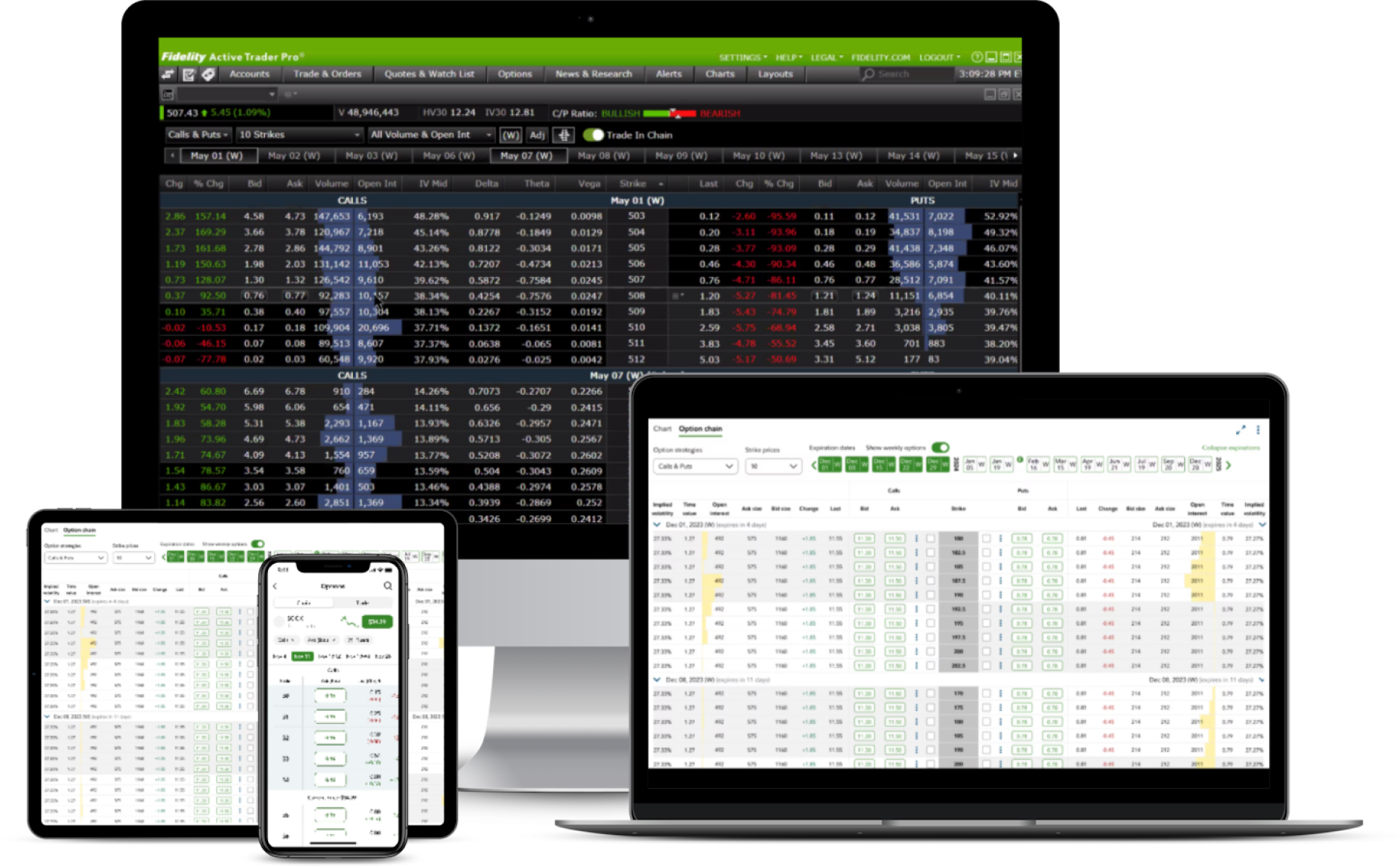
Now, the fun part: the option chain. This is a giant grid of numbers that looks like binary code. Don’t panic. You’ll see strike prices, expiration dates, and greeks. The greeks sound like fraternity brothers: Delta, Gamma, Theta, Vega. They’re just nerdy math guys measuring your odds of losing money.
Quirky Fact: Fidelity’s “Chains” are Weirdly Fast
Here’s a secret: Fidelity’s option chains update faster than your heart rate when the market drops. It’s genuinely impressive. You’ll click on a stock like AAPL, and the bid-ask spread will be tighter than your jeans after Thanksgiving. Just remember, you’re not buying a stock; you’re buying time. That’s the real commodity. Time decays, and so does your premium. Fun, right?
Making Your First Trade
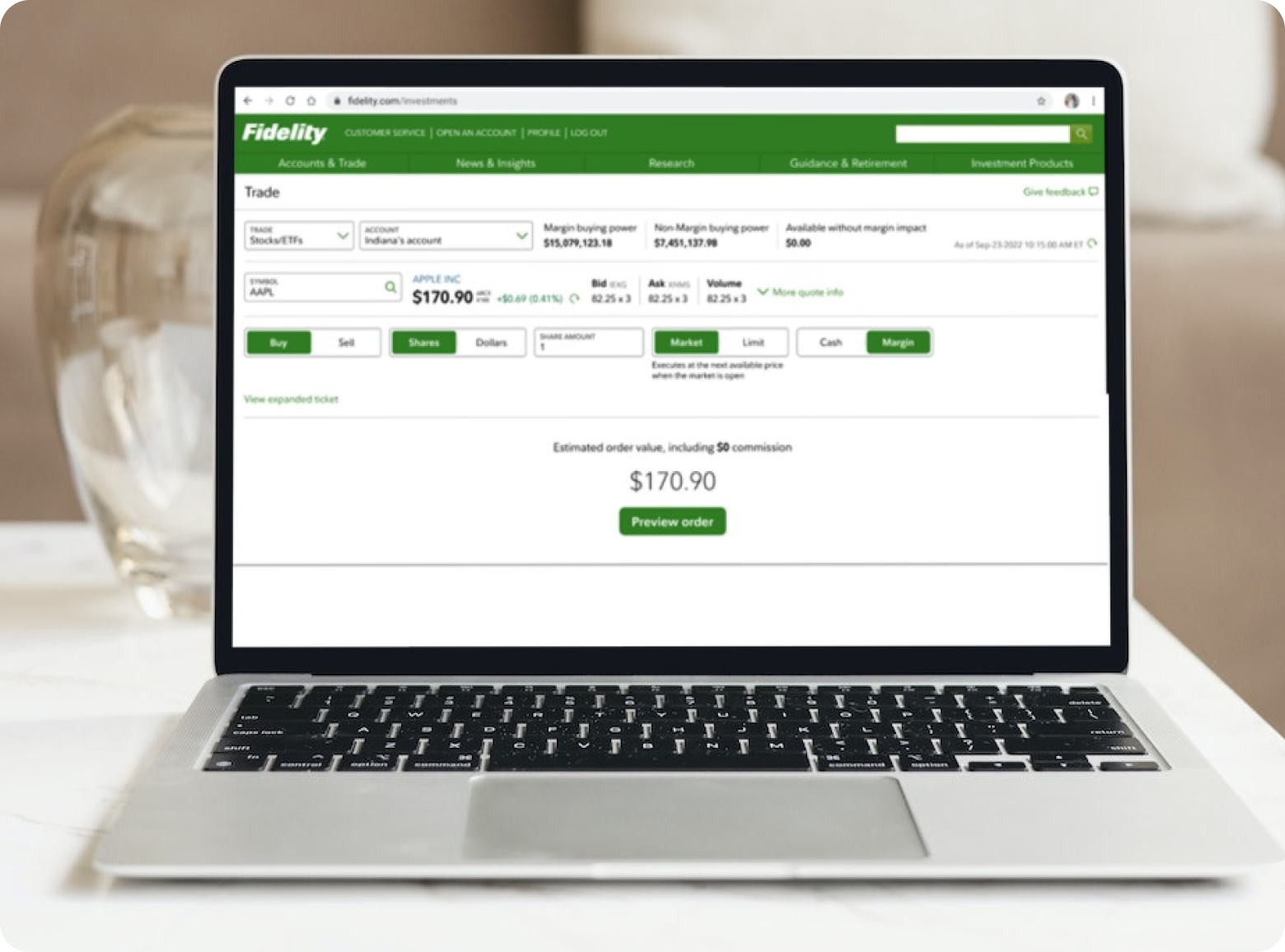
Click “Buy” on a call option. You’ll see a screen with “Limit” and “Market.” Always use a Limit order. Market orders on options are like playing Russian roulette with a fully loaded gun. The price will jump around like a caffeinated squirrel. Set your price, hold your breath, and hit “Preview Order.”
Then, Fidelity will show you the “max loss.” For buying options, it’s just the premium you paid. That’s it. That’s the beauty of it. You can’t lose more than that, which is oddly comforting. Meanwhile, selling options can blow up your entire account, but we don’t talk about that. We’re just buying lottery tickets here.
The Secret Handshake
Here’s the quirky hidden gem: Fidelity’s “Analyze” tab. Before you commit, it will show you a profit-loss curve. It’s like a squiggly line that predicts your future. Usually, it points down. But hey, that’s just the market being a tease. Keep your trades small, use the mobile app for checking, and use the desktop site for actually trading. It’s clunky, but it’s powerful.
So go ahead. Get your Level 2 badge and trade a single contract on something cheap like a $5 stock. You’ll feel like a Wall Street wolf. Just remember, Fidelity won’t stop you from making a dumb bet. They’ll just charge you a 65-cent fee for the privilege of being wrong. Now go click things!