How Do I Stop Getting Unwanted Emails
There is a peculiar, almost primal frustration that stirs when you open your inbox and find it flooded with subject lines you never asked for. It’s more than an inconvenience; it’s an invasion of a private digital space you consider yours. Psychologically, this triggers a deep-seated need for autonomy and control. When we perceive our environment—even a virtual one—as chaotic or beyond our influence, our amygdala interprets it as a mild threat, releasing a subtle cocktail of stress hormones. We don't just feel annoyed; we feel violated, because our attention, the most valuable currency we possess, is being forcibly hijacked by algorithms and marketers who see us not as people, but as metrics.
This modern dilemma is a unique paradox of the connected age. We crave connection, yet we are drowning in noise. The sheer volume of unwanted emails creates a cognitive load that saps our mental energy, leaving us feeling exhausted before we’ve even begun our day. It’s a silent erosion of peace, a low-grade anxiety that hums beneath the surface of our digital lives. But what if we stopped seeing this as a mere technical nuisance, and instead saw it as a profound opportunity for self-reclamation? The journey to a cleaner inbox is not just about pressing 'unsubscribe'; it is an intimate exercise in setting boundaries, prioritizing your mental space, and rediscovering the joy of a quiet, intentional digital existence.
The Psychology of the Overflowing Inbox: Why We Can't Just Ignore It
Our brains are wired for completion. The Zeigarnik Effect, a psychological principle, dictates that we remember interrupted or incomplete tasks better than completed ones. An unread email is an open loop in our mental system. When you see 300 unread messages, your brain isn’t just seeing numbers; it’s seeing 300 unresolved obligations, 300 potential threats, and 300 distractions from your true priorities. This cognitive dissonance forces you to either engage with the mess (wasting time) or actively resist it (wasting willpower). This internal conflict is why simply looking at your inbox can feel so mentally draining—you are literally fighting your own brain’s biological urge for closure.
Must Read
Furthermore, the design of these emails exploits our FOMO (Fear Of Missing Out) and our innate desire for social validation. Subject lines like "Your 20% discount expires tonight!" or "Don't miss this exclusive opportunity" are crafted to trigger a scarcity mindset. They bypass your rational brain and speak directly to the primal parts that fear loss. This is why even when you know an email is spam, a tiny part of you hesitates to delete it. Your brain is doing a risk-reward calculation, wondering, What if this is actually important? This micro-decision fatigue multiplies with every email, leaving you mentally depleted and less capable of making clear, decisive choices in the rest of your life.
But there is a deeper layer. For many, an overflowing inbox feels like a reflection of a messy mind. We project our internal state of overwhelm onto our digital tools. If our inbox is chaotic, we feel chaotic. This externalization of our mental state means that tackling the inbox isn't just about cleanliness; it’s about confronting a mirror of our own psychological boundaries. We have allowed these companies to occupy our space because we haven't established a firm digital fence. This is often rooted in a subconscious belief that being 'always available' is synonymous with being 'valuable' or 'dependable.' Unsubscribing feels like saying 'no,' and for many people, saying 'no'—even to a robot—requires a level of assertiveness that feels uncomfortable, or even selfish.
The Digital Declutter: A Mindful Approach to Reclaiming Your Attention
The first step is not a technical one; it is a mental shift. You must move from a passive victim of your inbox to an active curator of your digital world. Begin by reframing the narrative: this is not about losing access to offers; it is about protecting your most finite resource—your attention. Every email you unsubscribe from is a vote for clarity. Schedule a dedicated 'Digital Decluttering Session' for 30 minutes. Turn off all notifications, put your phone face down, and treat this as a sacred ritual. The goal is not just to delete emails, but to consciously decide what gets the privilege of your future mental space.
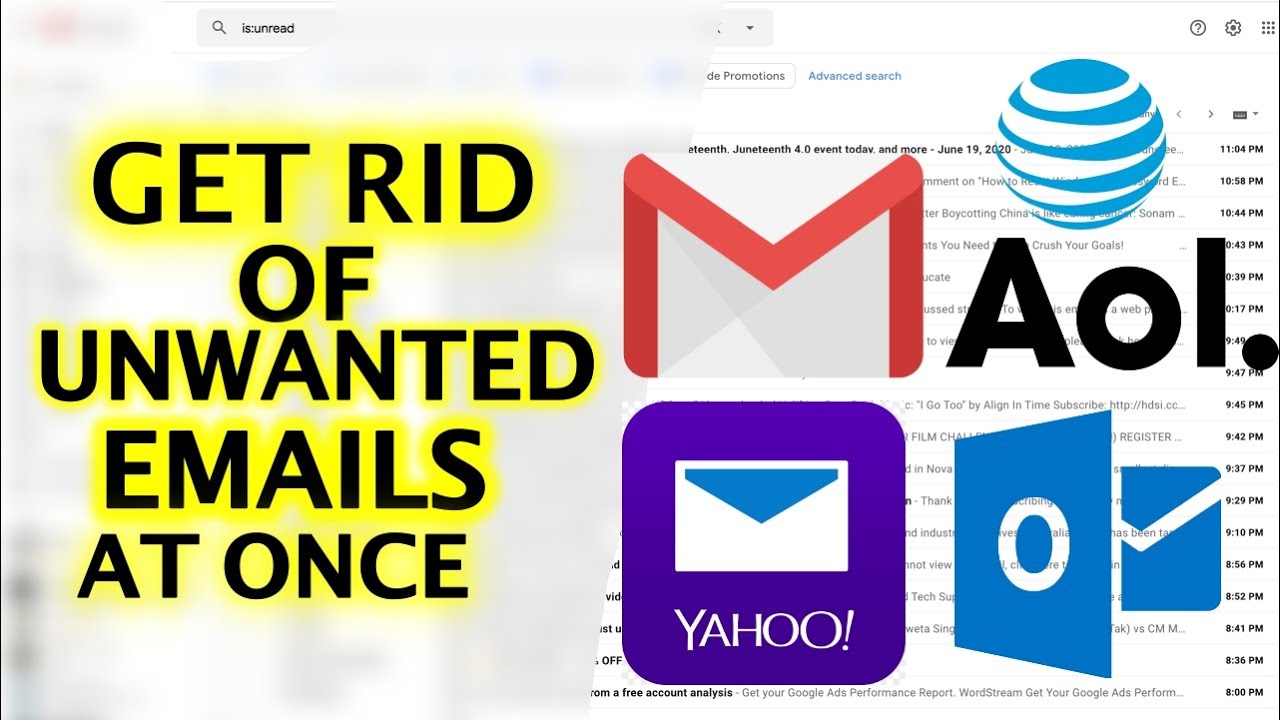
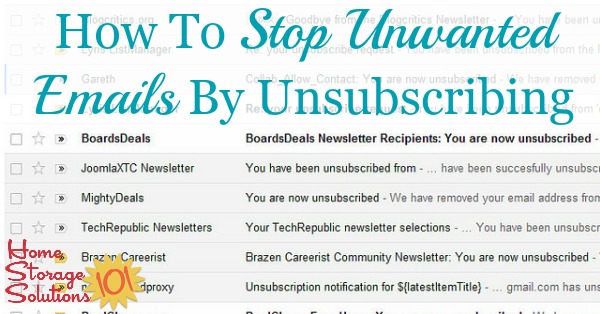
When you start the physical process, do it in stages to avoid overwhelming your system. First, do a 'power sweep' of obvious newsletters and promotional emails. Search for keywords like "unsubscribe," "sale," "offer," and "newsletter." Do not read them. Trust your instinct. If the sender isn't someone you personally know or a service you actively require, hit that unsubscribe button without hesitation. This act alone can feel surprisingly cathartic. It is a decisive, boundary-setting action that sends a signal to your own brain that you are in control. The feeling of clicking 'unsubscribe' is akin to removing a heavy weight from your shoulders; it creates a small, dopamine-releasing 'win' that validates your efforts and builds momentum.
Next, address the 'graymail'—emails you technically signed up for but no longer bring value. This is the most psychologically challenging part, because it requires an honest assessment of your present self versus your past self. Did you sign up for that coding bootcamp newsletter four years ago? Are you ever going to use that pattern for knitting? Be brutally honest with your future self. The person you are today is not responsible for the curiosity of the person you were yesterday. If the content doesn't align with your current goals, interests, or values, it is visual noise. Unsubscribe. This step is about acknowledging that growth often means outgrowing old inputs.
Finally, implement a 'One-Touch Rule' as a sustainable habit. Whenever you open an email that is not personally addressed to you, you must immediately do one of three things: Delete it, Archive it/Take action if it requires a response, or Unsubscribe. Do not leave emails in your primary inbox 'to read later.' That is a breeding ground for anxiety. Every time you leave an email in your inbox, you are creating a mental bookmark that will nag you later. By adopting the one-touch rule, you are training your brain to see your inbox as a collection point for only actionable and valuable items, not a storage unit for the world's clutter. This daily practice is a profound form of self-care. It ensures that your digital environment reflects the clarity you wish to cultivate in your mind.
Fortifying Your Digital Sanctuary: Prevention and Long-Term Resilience
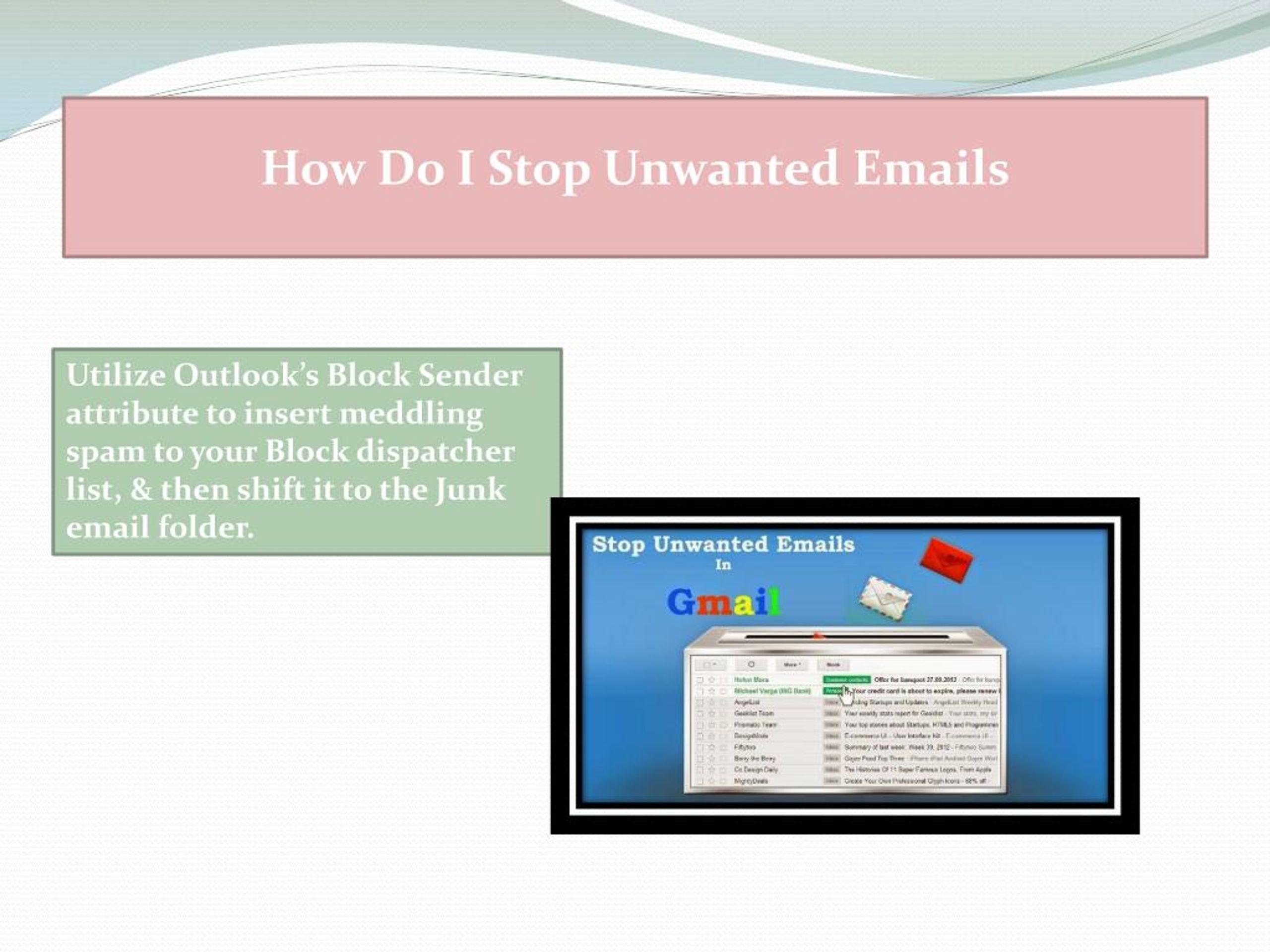
To truly stop the bleeding, you must address the root cause of the influx. This requires a shift in how you interact with your digital identity. The concept of 'data obesity' is real; every time you share your email, you are handing out a piece of your attention. The most empowering mindset shift here is to view your email address as a highly secure key to your mental home. You wouldn't give a copy of your house key to every store you visit, so why give them your digital address? Start using alias emails for non-essential sign-ups. This creates a 'digital moat' that protects your primary email, ensuring that only trusted, meaningful conversations ever reach your sanctuary.
Beyond the technical safeguards, the most potent long-term strategy is cultivating a daily practice of digital gratitude. Each morning, before you even open your inbox, take one deep breath and remind yourself that your attention is a gift, not an obligation. When you see an unwanted email, rather than reacting with anger, try a brief moment of compassion for the marketer trying to do their job, and then move on. This detachment prevents the emotional trigger from firing. You are no longer a participant in their game; you are a neutral observer. Over time, this emotional non-reactivity not only reduces your stress, but it also makes the process of unsubscribing feel less like a war and more like a simple hygiene task, like brushing your teeth.
Finally, schedule a 'Digital Sabbath' once a week. This doesn't mean completely cutting off from the internet, but rather committing to a specific window (e.g., Sunday morning) where you do not open your inbox at all. This breaks the psychological loop of compulsive checking. It teaches your brain that the world will not end if you are unreachable. This practice lowers your baseline cortisol levels and reinforces the idea that you are sovereign over your time. By actively choosing to ignore your inbox, you are dismantling the neural pathway that associates 'email' with 'duty.' You are rebuilding a healthier relationship with technology, one where you are the operator, not the machine being operated.
Three Questions to Ask Yourself Before You Click Unsubscribe
1. Does this email make me feel more alive, or more depleted?
This is the most crucial physiological check. Before you scan the content, pause and notice your physical and emotional state. Does the sender's name instantly bring a sense of curiosity and warmth? Or does it tighten your chest slightly, a prelude to irritation? Our bodies are incredibly wise; they respond to threats even before our conscious mind catches up. If the email feels like a drain—even a small one—it is harming your mental well-being. Letting it go is not a loss; it is an act of self-preservation. Think of your emotional energy as a reservoir; every unwanted email is a small leak. This question forces you to scan for leaks and plug them, ensuring your reservoir stays full for the people and activities that truly replenish you.
On a deeper level, this question is about aligning your digital intake with your core values. An email about luxury cruises might be exciting to one person, but if you are a minimalist seeking financial freedom, it might induce anxiety or feelings of inadequacy. Recognizing the emotional valence of the email helps you understand your own subconscious triggers. It’s not about whether the email is 'good' or 'bad' in a vacuum; it's about whether it is good for you. Curating your inbox based on your energetic response is a powerful way to live more intentionally, ensuring that every piece of information that enters your mind is either useful for your present goals or deeply enjoyable for your soul.
2. Is the sender respecting my boundaries, or are they trying to bypass them?
Look closely at the language. Is there a sense of urgency ('Last chance!'), shame ('Are you ignoring us?'), or deceptive framing ('RE: Your inquiry' when you never asked anything)? These are manipulative tactics designed to breach your psychological defense mechanisms. A respectful sender will make unsubscribing easy and will honor your choice without guilt-tripping you. If they are using dark patterns to keep you engaged, it is a clear violation of digital consent. Recognizing these tactics is a lesson in assertiveness. You are not just deleting an email; you are refusing to engage with a communication style that is fundamentally disrespectful to you as a human being.
This question also helps you identify who is worthy of your digital presence. In a world where everything screams for attention, a respectful communicator stands out as a beacon of integrity. By unsubscribing from the manipulative ones, you are unknowingly sending a signal to the market—and to yourself—that you demand better treatment. This has a ripple effect on your offline life. When you get used to demanding respect in your digital interactions, you are more likely to notice and reject manipulative behavior in your personal and professional relationships. You are training your 'boundary muscle'; each unsubscribe is a repetition that makes that muscle stronger and more responsive.
3. Would I sign up for this today, right now?
This question is a brilliant litmus test for your current relevance. It completely removes the historical baggage of the 'we signed up in 2015' excuse. Take a moment to look at the email's content. If a friend forwarded this exact email to you right now, would you be grateful for the information, or would you roll your eyes? If your honest answer is indifference or annoyance, then the subscription has served its purpose or has lost its purpose. The past is irrelevant. We stay subscribed to many things out of inertia, a lazy default state that prevents us from making active choices. This question forces us out of that passivity. It forces you to live in the present moment.
This mindset is a microcosm of a larger life philosophy: shedding the 'just in case' mindset. We keep things—be it emails, physical items, or even relationships—because we worry about a hypothetical future where we might need them. But this hoarding mentality clutters our lives and our minds. By asking 'Would I sign up for this now?' you are actively choosing a philosophy of 'just in time' rather than 'just in case.' You are prioritizing the value of the present over the anxiety of the future. It leaves you feeling lighter, more decisive, and oddly more secure, because you realize that you are capable of finding new information when you actually need it, rather than trying to stockpile everything in advance.
Mastering the art of the unwanted email is, in truth, the mastery of the art of attention. In an economy that constantly tries to monetize your focus, reclaiming your inbox is a quiet rebellion. It is a daily, often mundane, act of saying 'I am not a product; my time is not a resource to be harvested.' The benefits extend far beyond a clean screen. It grants you a profound sense of agency. You begin to notice that your mind feels clearer, your decisions feel more assertive, and your interactions feel more purposeful. You are no longer constantly bracing for an interruption; you are free to initiate your own thoughts.
This journey from digital overwhelm to digital serenity is a profound act of self-love. It teaches you that peace is not found in a completely unplugged life, but in the confident curation of your connections. By building a wall against the noise, you create a sacred space for the signal. The quiet composure you find when you open your email and see only meaningful communications is a reflection of the internal order you have cultivated. This isn't just about stopping emails; it's about starting a life where you are the author of your own attention, writing a narrative of calm, clarity, and connection on your own terms.